
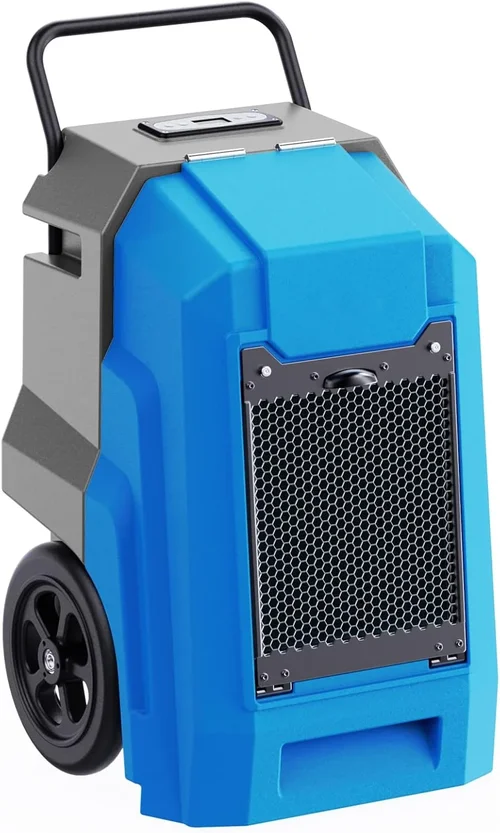
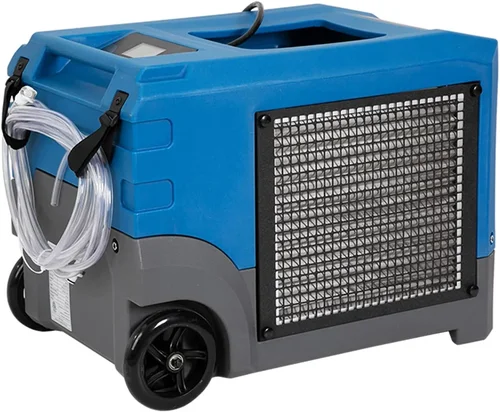
Maintaining a healthy home starts from the ground up—literally. Your crawl space may be out of sight, but it plays a critical role in your home’s structural integrity, indoor air quality, and energy efficiency. When moisture creeps into this hidden area, it can lead to mold growth, wood rot, pest infestations, and even compromised HVAC performance. That’s where a high-quality crawl space dehumidifier becomes essential.
Choosing the right dehumidifier for your crawl space isn’t as simple as picking the most powerful unit on the market. Crawl spaces are unique environments: often dark, poorly ventilated, and subject to fluctuating temperatures and humidity levels. A standard room dehumidifier simply won’t cut it. You need a specialized system designed to handle continuous operation in harsh conditions while effectively managing moisture without requiring constant maintenance.
This comprehensive buyer’s guide is designed to help homeowners, property managers, and contractors make informed decisions when selecting a crawl space dehumidifier. We’ll walk you through the key factors to consider, compare different types of units, highlight common pitfalls, and provide expert recommendations based on real-world performance. Whether you’re dealing with a damp basement-like crawl space or just want to prevent future moisture issues, this guide will equip you with the knowledge to choose a dehumidifier that delivers lasting results.

What to Look for When Buying Buying Guide
1. Budget & Price Range
Your budget is often the first filter when shopping for a crawl space dehumidifier, but it shouldn’t be the only one. Prices for these specialized units typically range from $400 to over $2,000, depending on capacity, features, and build quality. While it’s tempting to go for the cheapest option, remember that crawl space dehumidifiers are long-term investments in your home’s health. A low-cost unit may save you money upfront but could fail prematurely or lack the durability needed for continuous operation in a damp, unconditioned space.
Consider your crawl space size, local climate, and humidity levels when setting your budget. For example, homes in humid southern states like Florida or Louisiana may require a more robust (and expensive) system than those in drier regions. Also, factor in potential installation costs if you’re not doing it yourself. Some units come with built-in condensate pumps or ducting kits, which can add value and reduce labor expenses.
2. Performance Specifications
Performance specs are where many buyers go wrong—either overestimating or underestimating their needs. The most important metrics to evaluate are pint capacity, airflow (CFM), and operating temperature range.
Pint capacity refers to how much moisture the unit can remove in 24 hours under standard conditions (typically 80°F and 60% relative humidity). For crawl spaces, look for units rated between 50 and 100 pints per day. Smaller spaces (under 1,000 sq. ft.) may get by with a 50-pint model, while larger or high-moisture areas may need 70–100+ pints.
Airflow (CFM) measures how effectively the dehumidifier circulates air. Higher CFM means better moisture distribution and faster drying. Aim for at least 150–200 CFM for effective coverage. Units with variable fan speeds allow you to adjust airflow based on humidity levels, improving efficiency.
Operating temperature range is critical. Crawl spaces can get cold, especially in winter. Many standard dehumidifiers shut down below 65°F, rendering them useless when you need them most. Look for models that operate down to 41°F or lower—these often use hot gas defrost systems to prevent ice buildup on coils.
3. Build Quality & Durability
Crawl spaces are unforgiving environments. Dust, dirt, temperature swings, and constant moisture exposure demand a dehumidifier built to last. Pay close attention to materials and construction.
Look for units with corrosion-resistant coatings, such as powder-coated steel or epoxy finishes, especially on coils and internal components. Stainless steel or galvanized steel cabinets offer better protection against rust than plastic enclosures. Sealed electronics and moisture-resistant wiring are also essential to prevent short circuits and electrical failures.
Internal components matter too. High-quality compressors (like rotary or scroll types) last longer and operate more efficiently than piston compressors. Check if the unit has a protective grille or filter to keep debris out of the evaporator coils. Some premium models even include washable or replaceable air filters to maintain airflow and indoor air quality.
4. Features & Functionality
Modern crawl space dehumidifiers come with a range of features that enhance performance, convenience, and energy efficiency. Here are the most valuable ones to look for:
- Automatic Humidistat: Allows you to set a target humidity level (ideally 50–60%). The unit will cycle on and off to maintain it, saving energy and preventing over-drying.
- Continuous Drainage: Essential for unattended operation. Most units include a built-in condensate pump or gravity drain hose connection. A pump is necessary if the drain outlet is above the unit level.
- Hot Gas Defrost: Enables operation in cold temperatures by melting ice on the evaporator coils without shutting down.
- Remote Monitoring & Alerts: Some high-end models offer Wi-Fi connectivity, allowing you to monitor humidity levels and receive alerts via smartphone apps.
- Ducting Compatibility: Enables installation in tight spaces or ducted systems for whole-house humidity control.
- Energy Star Certification: Indicates higher efficiency and lower operating costs. Look for units with low wattage per pint removed.
While advanced features are nice, prioritize functionality that matches your needs. For example, if you rarely access your crawl space, a remote monitoring system might be worth the investment. But if you check it monthly, a simple humidistat and drain hose may suffice.
5. Brand Reputation
Not all dehumidifier brands are created equal—especially when it comes to crawl space applications. Some manufacturers specialize in commercial or industrial-grade units, while others focus on residential room dehumidifiers. Choosing a reputable brand ensures better reliability, customer support, and access to replacement parts.
Top brands in the crawl space dehumidifier market include:
- Santa Fe: Known for high-capacity, energy-efficient units with excellent build quality. Their systems are often used in new construction and major renovations.
- Dri-Eaz: A leader in restoration and industrial dehumidification. Their crawl space units are rugged, powerful, and built for continuous use.
- AprilAire: Offers whole-home integrated systems with professional installation support. Great for homes with existing HVAC integration.
- AlorAir: Provides affordable yet durable options with strong performance in cold climates.
- Quest: Specializes in high-efficiency, low-temperature dehumidifiers with advanced controls.
Research customer reviews, especially from users in similar climates and home types. Look for feedback on longevity, customer service responsiveness, and ease of maintenance.
6. Warranty & Support
A strong warranty is a strong indicator of a manufacturer’s confidence in their product. For crawl space dehumidifiers, expect warranties ranging from 2 to 7 years. Pay attention to what’s covered:
- Parts & Labor: Some warranties cover only parts, leaving you to pay for technician visits.
- Compressor Coverage: The compressor is the most expensive component. Look for at least 5 years of coverage.
- Pro-Rated vs. Full Replacement: Full replacement warranties are better than pro-rated ones, which reduce coverage over time.
Customer support is equally important. Can you easily reach a technician? Are replacement filters and pumps readily available? Brands with local dealers or service networks offer faster resolution times. Avoid brands with limited support—especially if you’re installing the unit yourself.
7. Size & Portability
While crawl space dehumidifiers are typically stationary, size and portability still matter—especially during installation and maintenance.
Measure your crawl space access point and interior dimensions before buying. Some units are tall and narrow, while others are low-profile and wide. A compact design can make installation easier in tight spaces. Weight is another factor: heavier units may require two people to maneuver.
Portability features like built-in handles or wheels can be helpful, though most units are installed permanently. If you plan to move the dehumidifier seasonally (e.g., from crawl space to basement), look for models with integrated transport features.
Also consider noise levels. While crawl spaces are usually quiet zones, a loud unit can be disruptive if near living areas. Look for decibel ratings under 60 dB for quieter operation.
8. User Reviews & Ratings
User reviews provide real-world insights that specs and marketing materials can’t match. Look beyond star ratings and read detailed feedback about:
- How the unit performs in high-humidity or cold conditions
- Ease of installation and setup
- Reliability over time (especially after 1–2 years of use)
- Customer service experiences
- Energy consumption compared to estimates
Check multiple sources: Amazon, Home Depot, HVAC forums, and manufacturer websites. Be wary of fake reviews—look for verified purchases and detailed descriptions. Pay attention to patterns: if multiple users report the same issue (e.g., pump failure after 6 months), it’s likely a design flaw.