
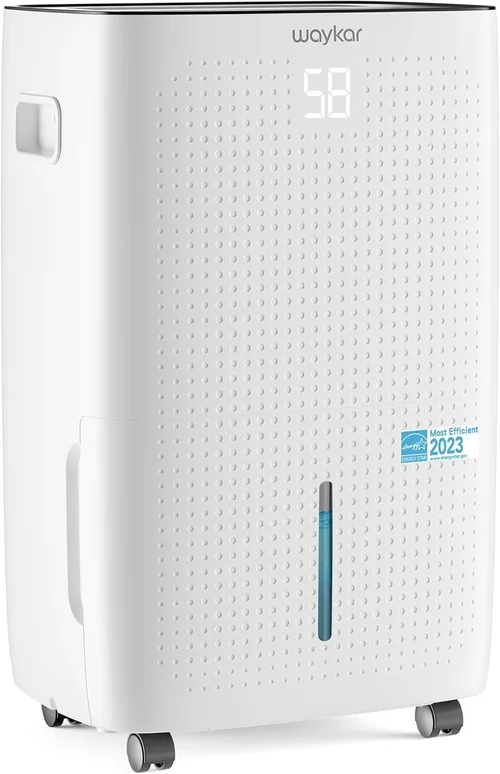
If you’ve ever walked into a basement that smells like damp socks, noticed mold creeping along your bathroom walls, or felt that sticky, heavy air clinging to your skin during humid summer months, you already know how disruptive excess moisture can be. High humidity doesn’t just feel uncomfortable—it can damage your home, trigger allergies, and even compromise your health. That’s where a dehumidifier with a built-in pump comes in. Unlike standard models that rely solely on gravity drainage or manual emptying, units equipped with an internal pump offer continuous, hands-off operation by automatically expelling collected water upward and outward—ideal for spaces without floor-level drains or when you need to move moisture over longer distances.
This guide exists because choosing the right dehumidifier with a pump isn’t as simple as picking the biggest or most expensive model on the shelf. With dozens of brands, varying capacities, confusing technical specs, and features that sound impressive but may not suit your needs, it’s easy to end up with a unit that’s either underpowered, overpriced, or poorly suited to your space. Whether you’re tackling a chronically wet crawl space, protecting valuable electronics in a home theater, or simply improving indoor air quality in a large living area, this comprehensive buying guide will walk you through everything you need to know. You’ll learn how to evaluate performance metrics, compare build quality, understand warranty nuances, avoid common pitfalls, and ultimately select a dehumidifier with a pump that delivers reliable, long-term results—without overspending.
The market for dehumidifiers with pumps has grown significantly in recent years, driven by increased awareness of indoor air quality and the rise of smart home integration. Today’s models range from compact, budget-friendly units ideal for small bathrooms or closets to heavy-duty commercial-grade machines capable of handling 1,500+ square feet. Brands like AprilAire, hOmeLabs, GE, Frigidaire, and Santa Fe dominate the space, each offering distinct advantages in terms of efficiency, durability, and user experience. What sets pump-equipped models apart is their ability to operate unattended for days—or even weeks—making them indispensable for remote areas like basements, garages, RVs, or vacation homes. In the following sections, we’ll break down every critical factor you should consider, compare top categories, highlight expert tips, and provide clear recommendations so you can make a confident, informed decision.

What to Look for When Buying Buying Guide
1. Budget & Price Range
Your budget will naturally influence which dehumidifier with a pump you can afford, but it’s important to view this purchase as a long-term investment rather than a one-time expense. Entry-level models typically start around $200–$300, while mid-range units fall between $350–$600. Premium and commercial-grade dehumidifiers can cost $700–$1,500 or more. While it’s tempting to go for the cheapest option, skimping on quality often leads to higher energy bills, frequent repairs, or premature failure—especially in high-moisture environments. Conversely, overspending on features you’ll never use is equally wasteful. A good rule of thumb: allocate at least 1–2% of your home’s value toward moisture control if you’re dealing with chronic dampness. For most homeowners, a mid-range model ($400–$550) offers the best balance of performance, reliability, and advanced features like pumps, auto-restart, and smart controls.
2. Performance Specifications
Performance specs are the backbone of any dehumidifier evaluation—and they matter even more when you’re relying on a pump for continuous operation. The two most critical metrics are pint capacity per day (pints/day) and coverage area (sq. ft.). Pint capacity refers to how much moisture the unit can remove in 24 hours under standard testing conditions (80°F and 60% relative humidity). For example, a 50-pint model is suitable for moderately damp spaces up to 1,500 sq. ft., while a 70-pint unit handles very wet basements or large open areas. However, don’t rely solely on manufacturer claims—look for AHAM (Association of Home Appliance Manufacturers) certification, which ensures tested accuracy. Also check the energy factor (liters per kilowatt-hour), especially if you plan to run the unit continuously. Higher efficiency means lower electricity costs over time. Finally, verify the pump’s maximum lift height (usually 12–20 feet) and drain hose length compatibility, as these determine where you can place the unit relative to a floor drain or sink.
3. Build Quality & Durability
A dehumidifier with a pump is often subjected to harsh conditions—high humidity, temperature swings, dust, and constant cycling. That’s why build quality directly impacts longevity and reliability. Look for units with rust-resistant coils (often coated aluminum or copper), sturdy casings (metal or high-grade plastic), and sealed compressors designed for continuous duty. Internal components like the pump motor should be rated for thousands of hours of operation. Avoid models with flimsy plastic housings or exposed wiring, as these are prone to cracking or electrical issues. Pay attention to the condenser and evaporator coil design: cross-flow or microchannel coils tend to resist corrosion better than traditional fin-and-tube designs. If you’re placing the unit in a garage, crawl space, or unfinished basement, prioritize models labeled “commercial” or “heavy-duty,” as they’re engineered for tougher environments. A well-built dehumidifier should last 7–10 years with proper maintenance—anything less suggests corner-cutting in manufacturing.
4. Features & Functionality
Modern dehumidifiers with pumps come packed with features that enhance convenience, efficiency, and control. Start with the pump itself: ensure it’s a true condensate pump (not just a gravity-assisted sump) with automatic activation when the tank fills. Look for continuous drain mode with a built-in float switch that triggers the pump without manual intervention. Smart features like Wi-Fi connectivity, app control, and voice assistant compatibility (Alexa, Google Assistant) allow remote monitoring and scheduling—ideal for vacation homes or busy households. Other valuable features include auto-defrost (prevents ice buildup in cold climates), adjustable humidistat (lets you set precise humidity levels, usually 30–80%), timer functions, and filter indicators. Some high-end models even include air purification systems with HEPA or activated carbon filters. While not essential, these extras can significantly improve usability. Just remember: more features don’t always mean better performance—focus on what aligns with your specific needs.
5. Brand Reputation
Not all dehumidifier brands are created equal, especially when it comes to pump reliability and customer support. Established names like AprilAire, Santa Fe, and hOmeLabs have earned trust through consistent performance, transparent specifications, and responsive service. AprilAire, for instance, specializes in whole-home dehumidification and is a favorite among HVAC professionals. Santa Fe focuses on energy-efficient, low-temperature operation, making them ideal for crawl spaces. hOmeLabs offers excellent value in the mid-range segment with user-friendly designs and strong online reviews. On the other hand, lesser-known or generic brands may cut corners on pump quality or use substandard compressors that fail prematurely. Before buying, research brand history, read professional reviews (not just Amazon stars), and check forums like Reddit’s r/HomeImprovement for real-user experiences. A reputable brand may cost slightly more upfront but saves money and frustration in the long run.
6. Warranty & Support
A solid warranty is a strong indicator of a manufacturer’s confidence in their product—and it’s especially crucial for pump-equipped dehumidifiers, which contain more complex mechanical parts. Most reputable brands offer at least a 1-year limited warranty, but premium models often include 2–5 years of coverage, sometimes with extended protection for the compressor or pump. Pay close attention to what’s covered: some warranties exclude the pump, drain hose, or electrical components unless purchased directly from the manufacturer. Also check if the warranty requires professional installation—some whole-home units do. Customer support matters too: can you easily reach a human being? Is there a dedicated service center near you? Brands like AprilAire and Santa Fe provide robust technical support and readily available replacement parts, while budget brands may leave you stranded. Always register your product upon purchase to activate warranty terms, and keep your receipt in a safe place.
7. Size & Portability
Even though many dehumidifiers with pumps are stationary units, size and portability still matter—especially if you need to move the unit between rooms or store it seasonally. Consider both physical dimensions and weight: a typical 50–70 pint model weighs 30–50 pounds, so look for integrated handles and smooth-rolling casters. Compact designs save floor space, which is valuable in small basements or closets. However, don’t sacrifice capacity for size—oversized units cycle too frequently, reducing efficiency and lifespan, while undersized ones struggle to keep up. If you’re installing the dehumidifier in a tight crawl space or attic, measure clearance requirements carefully (most need 6–12 inches of airflow around vents). Some models offer wall-mounting kits or ceiling suspension options, which can free up valuable floor real estate. Portability also affects maintenance: can you easily access the filter, water tank, and pump compartment for cleaning? User-friendly design reduces the likelihood of neglecting routine care.
8. User Reviews & Ratings
While specs and brand reputation provide a foundation, real-world user feedback offers invaluable insights into everyday performance. Look beyond star ratings and read detailed reviews that mention specific use cases—did the pump work reliably in a basement without a drain? Did the unit handle high humidity during rainy seasons? Watch for recurring complaints about noise, pump failure, or inaccurate humidistats, as these often signal design flaws. Platforms like Amazon, Home Depot, and Consumer Reports aggregate thousands of experiences, but also check niche forums and HVAC communities for unbiased opinions. Be wary of fake reviews: overly generic praise or repetitive phrasing can indicate manipulation. Instead, focus on reviews that describe long-term usage (6+ months) and include photos or videos. If multiple users report the same issue—even if the overall rating is high—it’s worth investigating further. User reviews won’t tell you everything, but they’ll reveal hidden strengths and weaknesses that specs alone can’t capture.
Different Types of Buying Guide

Common Buying Mistakes to Avoid
❌ Mistake: Ignoring Pump Specifications
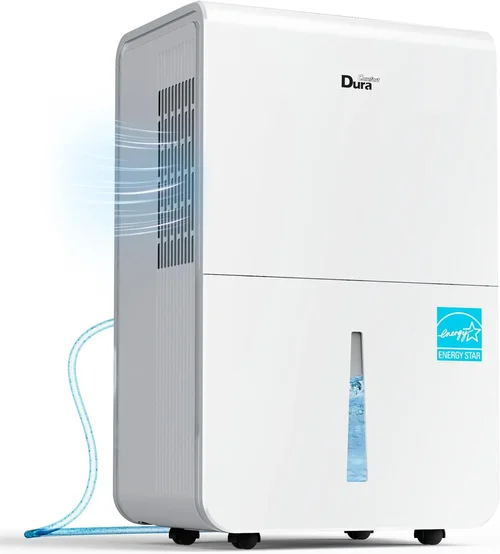
Why it’s bad: Not all “pump-ready” dehumidifiers include an actual built-in pump—some only support external pumps, which adds cost and complexity. Even when a pump is included, its lift height and flow rate may be insufficient for your setup.
What to do instead: Always verify that the unit has an internal condensate pump and check the maximum vertical lift (e.g., 15 feet). Measure the distance from your dehumidifier location to the drain point before buying.
❌ Mistake: Overlooking Energy Efficiency
Why it’s bad: Dehumidifiers run for hours daily, and inefficient models can spike your electricity bill by $50–$150 per year. A lower upfront cost may lead to higher long-term expenses.
What to do instead: Look for ENERGY STAR certification and compare the energy factor (L/kWh). Choose models with inverter compressors or variable-speed fans for better efficiency.
❌ Mistake: Buying Based Solely on Pint Capacity
Why it’s bad: A 70-pint dehumidifier may be overkill for a slightly damp bedroom or undersized for a flooded basement—capacity must match both space size and moisture level.
What to do instead: Use a sizing chart: 20–30 pints for mild dampness in <500 sq. ft., 50 pints for moderate dampness in 1,000–1,500 sq. ft., and 70+ pints for wet or large spaces.
❌ Mistake: Neglecting Maintenance Requirements
Why it’s bad: Clogged filters, frozen coils, or pump failures can render your dehumidifier useless—and many users don’t realize maintenance is needed until it’s too late.
What to do instead: Choose models with washable filters, easy-access compartments, and filter change indicators. Clean the filter monthly and inspect the pump hose quarterly.
❌ Mistake: Assuming All Pumps Are Equal
Why it’s bad: Cheap pumps fail frequently, leak, or lack automatic shutoff, leading to water damage. Some only activate when the tank is full, defeating the purpose of continuous drainage.
What to do instead: Opt for units with UL-listed, self-priming pumps and float switches that trigger drainage immediately upon water detection.
❌ Mistake: Skipping Professional Installation for Whole-Home Units
Why it’s bad: Improperly installed ducted dehumidifiers can disrupt HVAC airflow, reduce efficiency, or cause condensation in ducts.
What to do instead: Hire a licensed HVAC technician for ducted installations, especially if integrating with existing systems.
❌ Mistake: Not Checking Return Policies
Why it’s bad: If the unit doesn’t perform as expected or the pump fails early, you could be stuck with a defective product.
What to do instead: Buy from retailers with at least a 30-day return window and clear warranty terms. Avoid third-party sellers with no support.
Budget Guidelines: How Much Should You Spend?
– Entry-Level ($200–$350): These are typically compact units with basic pump functionality or pump-ready designs requiring an add-on. Best for small spaces (<800 sq. ft.) with mild humidity. Expect shorter lifespans and fewer smart features. Ideal for renters or seasonal use. - Mid-Range ($350–$600): This is the sweet spot for most homeowners. You’ll find reliable built-in pumps, AHAM-certified capacities, energy-efficient operation, and useful features like timers and auto-defrost. Models like the hOmeLabs HME020034N or GE APER50LY offer excellent value here.
– Premium ($600–$1,000): Designed for demanding environments—large basements, crawl spaces, or whole-home use. These units boast commercial-grade components, superior build quality, advanced controls, and longer warranties. Brands like AprilAire and Santa Fe dominate this tier.
– Luxury ($1,000+): Reserved for whole-home ducted systems or industrial applications. These integrate seamlessly with HVAC, offer app-based monitoring, and deliver exceptional durability. Perfect for humid climates, historic homes, or allergy sufferers needing precise humidity control.
Expert Tips for Getting the Best Deal
– Buy Off-Season: Prices drop significantly in winter (December–February) when demand is lowest. Many retailers clear inventory for new models, offering discounts up to 30%.
– Check HVAC Supply Stores: Local distributors often sell professional-grade dehumidifiers at lower prices than big-box stores, with better warranties and support.
– Bundle with Installation: Some HVAC companies offer free or discounted installation when you purchase a whole-home unit through them—this can save $200–$500.
– Look for Rebates: Utility companies in humid regions (e.g., Florida, Louisiana) often provide rebates for ENERGY STAR dehumidifiers—check DSIRE.org for local programs.
– Read the Fine Print on Warranties: Some brands require registration within 30 days or proof of purchase from an authorized dealer. Keep all documentation.
– Test Before Committing: If possible, rent a unit for a week to test performance in your specific environment. This is especially useful for crawl spaces or unusual layouts.
– Prioritize Serviceability: Choose models with easily replaceable filters, accessible pump compartments, and available spare parts. Avoid proprietary components that are hard to source.
– Consider Noise Levels: If placing the unit near living areas, look for decibel ratings below 50 dB. Quiet operation improves comfort and encourages consistent use.

Frequently Asked Questions
Q: Do all dehumidifiers with pumps require a drain hose?
A: Yes—but the hose is usually included or compatible with standard 1/4″ or 3/8″ tubing. The pump pushes water through this hose to a sink, floor drain, or outside. Ensure the hose is secured and sloped slightly downward to prevent backflow.
Q: Can I use a dehumidifier with a pump in cold temperatures?
A: Only if it’s specifically rated for low-temperature operation (typically 41°F or below). Standard units may freeze and shut down. Crawl space models like the Santa Fe Compact are designed for cold environments.
Q: How often does the pump need maintenance?
A: Inspect the pump and hose every 3–6 months. Flush the hose with vinegar to prevent mold, and ensure the pump housing is free of debris. Most pumps last 3–5 years with proper care.
Q: Will a dehumidifier with a pump increase my electricity bill?
A: It depends on usage and efficiency. A 50-pint ENERGY STAR model uses about 500–700 watts. Running it 12 hours/day could add $15–$25/month. Use a timer or smart humidistat to minimize runtime.
Q: Can I install a pump on a dehumidifier that doesn’t have one?
A: Some models support external condensate pumps (e.g., Little Giant or Liberty), but this adds cost ($80–$150) and complexity. Built-in pumps are more reliable and easier to maintain.
Q: What’s the ideal indoor humidity level?
A: Between 30% and 50%. Levels above 60% promote mold and dust mites; below 30% can cause dry skin and respiratory irritation. Use a hygrometer to monitor.
Q: Are dehumidifiers with pumps noisy?
A: Most produce 45–55 dB—similar to a quiet conversation. Place the unit away from bedrooms or use models with sleep mode for quieter nighttime operation.
Q: Do I still need a water tank if I have a pump?
A: Yes, as a backup. If the pump fails or the hose clogs, the tank prevents overflow. Choose models with large tanks (1–2 gallons) or auto-shutoff when full.
Q: Can a dehumidifier with a pump help with allergies?
A: Absolutely. By reducing humidity below 50%, it inhibits mold, dust mites, and mildew—common allergens. Pair it with an air purifier for best results.
Q: How long do dehumidifiers with pumps typically last?
A: With proper maintenance, 7–10 years for residential units and 10–15 years for commercial models. Pump longevity depends on usage frequency and water quality.
Our Final Recommendations
– Best for Budget-Conscious Buyers: hOmeLabs HME020034N – At under $400, this 50-pint unit includes a reliable internal pump, washable filter, and quiet operation. Perfect for basements up to 1,500 sq. ft.
– Best Overall Value: GE APER50LY – Combines a powerful pump, ENERGY STAR efficiency, and smart features like Wi-Fi control. Excellent performance in damp garages or large living areas.
– Best Premium Option: AprilAire E080V – A whole-home ducted dehumidifier with a robust pump, 80-pint capacity, and seamless HVAC integration. Ideal for humid climates and large homes.
– Best for Beginners: Frigidaire FFAD7033R1 – User-friendly interface, clear indicators, and straightforward pump setup. Great for first-time buyers tackling basement moisture.
– Best for Advanced Users: Santa Fe Compact – Engineered for crawl spaces and low-temp environments, with a high-efficiency pump and corrosion-resistant design. Trusted by professionals.
Conclusion: Making the Right Choice
Choosing the best dehumidifier with a pump ultimately comes down to matching your specific needs—space size, moisture level, budget, and desired features—with a unit that delivers consistent, reliable performance. Don’t let flashy marketing or low prices cloud your judgment; instead, focus on verified specs, real-user feedback, and long-term value. Remember, a quality dehumidifier isn’t just about removing water—it’s about protecting your home, improving your health, and creating a more comfortable living environment. Take the time to assess your situation, consult our guidelines, and invest in a model that will serve you well for years to come. Your future self—and your walls—will thank you.