
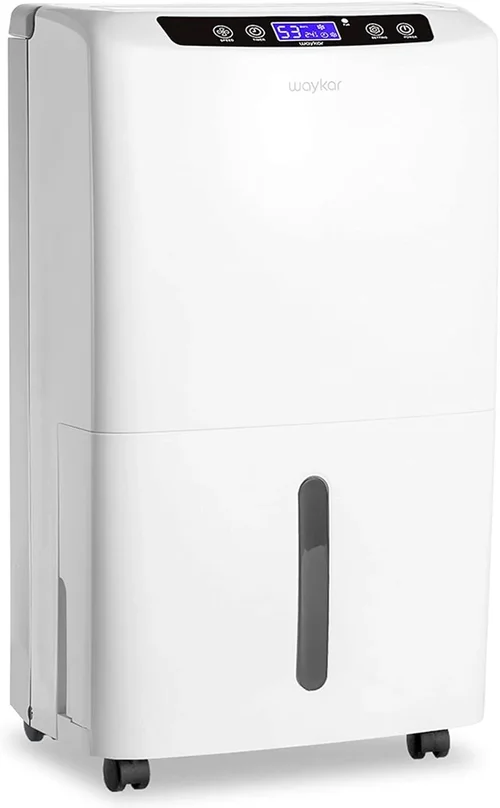
When it comes to protecting your garage from moisture damage, rust, mold, and musty odors, few investments are as impactful as a high-quality dehumidifier. Garages are notoriously prone to humidity problems—especially in regions with high rainfall, coastal climates, or seasonal temperature swings. Without proper humidity control, tools can corrode, stored items can mildew, and even your vehicle’s undercarriage may suffer from premature rust. That’s why choosing the right garage dehumidifier isn’t just about comfort—it’s about long-term preservation of your belongings and the structural integrity of your space.
This comprehensive buying guide is designed to help you navigate the crowded market of dehumidifiers with confidence. Whether you’re a DIY enthusiast storing power tools, a car collector protecting a classic vehicle, or simply someone tired of opening the garage door to a damp, smelly environment, we’ve got you covered. You’ll learn how to evaluate performance specs, understand different technologies, avoid common pitfalls, and ultimately select a unit that fits your budget, space, and lifestyle. We’ll break down everything from pint capacity and energy efficiency to build quality and smart features—so you can make an informed decision without guesswork.
The garage dehumidifier market has evolved significantly in recent years. Gone are the days when only industrial-grade units could handle large, uninsulated spaces. Today, you’ll find compact, energy-efficient models with advanced humidity sensors, automatic shut-off, and even Wi-Fi connectivity—all tailored for residential garages. However, with so many options available, it’s easy to feel overwhelmed. Some units claim to cover 4,000 square feet but struggle in real-world conditions, while others prioritize quiet operation over raw power. Our goal is to cut through the marketing noise and deliver expert-level insights grounded in practical experience and technical understanding.
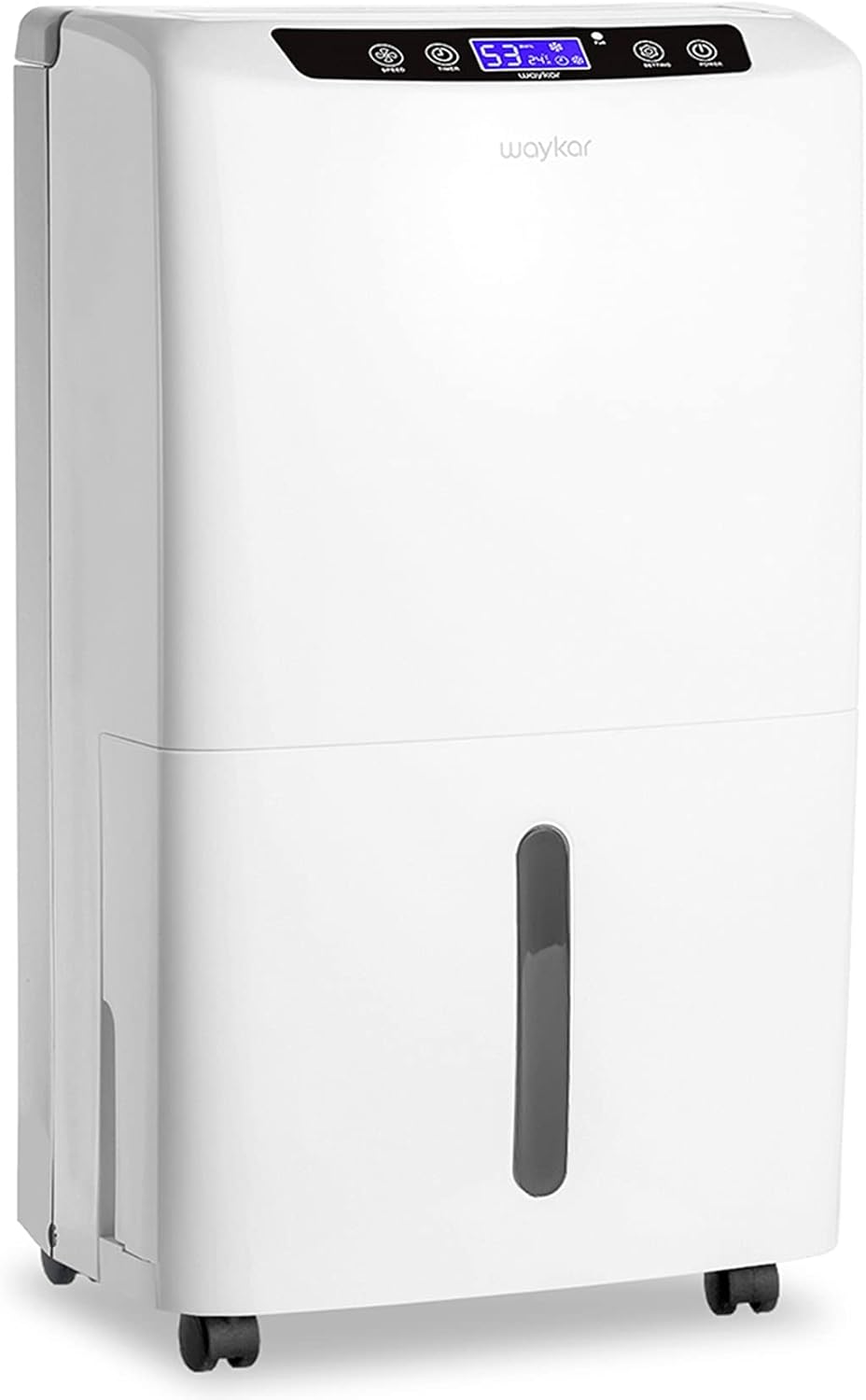
What to Look for When Buying a Garage Dehumidifier
1. Pint Capacity and Coverage Area
The most critical specification when shopping for a garage dehumidifier is its pint capacity—the amount of moisture it can remove from the air in 24 hours. This is typically measured in pints per day (PPD) and directly correlates with the size of the space it can effectively manage. For garages, which are often poorly insulated and exposed to outdoor air infiltration, you’ll generally need a unit rated for at least 50–70 PPD, even for modestly sized spaces (under 1,000 sq ft). Larger garages (1,500+ sq ft) or those in humid climates may require 70–100+ PPD models.
But don’t rely solely on manufacturer claims. Many brands inflate coverage areas based on ideal lab conditions—low ambient temperatures and minimal air exchange. In reality, garages experience frequent door openings, temperature fluctuations, and higher humidity loads due to concrete floors “sweating” in warm weather. A good rule of thumb: choose a dehumidifier rated for at least 1.5x the square footage of your garage. So, for a 1,200 sq ft garage, look for a unit advertised for 1,800+ sq ft. Also, check the operating temperature range—many residential units shut down below 41°F, which can be problematic in unheated winter garages.
2. Energy Efficiency and Operating Costs
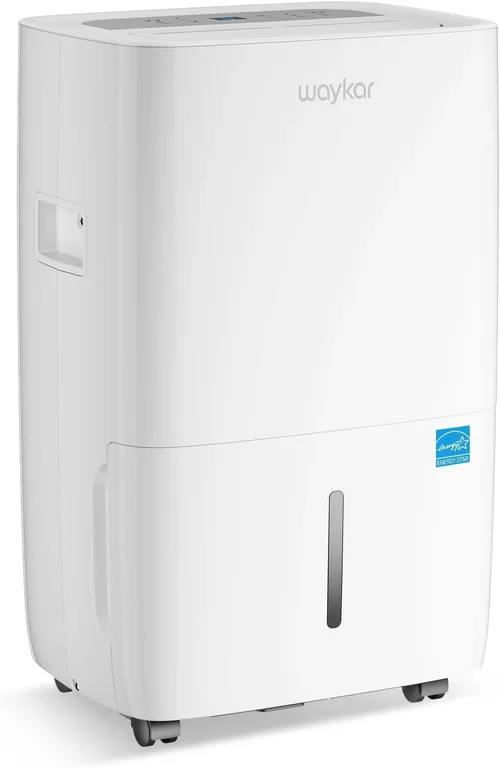
Dehumidifiers run for hours each day, especially during humid seasons, so energy consumption directly impacts your utility bill. Look for units with the ENERGY STAR® certification, which indicates they meet strict efficiency guidelines set by the U.S. Environmental Protection Agency. ENERGY STAR dehumidifiers use 15–30% less energy than standard models, translating to significant savings over time—particularly if you run the unit year-round.
Pay attention to the Energy Factor (EF), measured in liters of water removed per kilowatt-hour (L/kWh). Higher EF values mean better efficiency. For example, a unit with an EF of 2.0 removes 2 liters of moisture for every kWh of electricity used, while one with 1.5 removes only 1.5 liters. Over a summer, that difference can add up to dozens of dollars in savings. Also consider units with variable-speed compressors or dual-speed fans, which adjust output based on humidity levels rather than running at full blast constantly.
Don’t forget to factor in drainage method. Models with built-in pumps (more on that below) may consume slightly more power but eliminate the need for manual emptying—a convenience that often justifies the minor energy trade-off.
3. Drainage Options and Maintenance
Emptying a full water bucket every day is tedious and easy to forget—especially in a busy household. That’s why drainage flexibility is crucial for garage dehumidifiers. Most units offer three options: manual bucket emptying, continuous gravity drainage via a hose, or an internal condensate pump.
For garages, a built-in pump is often worth the extra cost. It allows the unit to push water vertically (up to 15–20 feet) and horizontally, enabling drainage into a utility sink, floor drain, or even outside through a window. This is especially useful if your garage lacks a nearby drain or if the dehumidifier sits far from one. Gravity drainage works well too—but only if you can position the unit higher than the drain point and run a hose without tripping hazards.
Maintenance-wise, look for washable or reusable air filters. These reduce long-term costs and ensure optimal airflow. Some premium models include filter-cleaning reminders or auto-shutoff when the filter is clogged. Also, consider ease of access: can you remove the bucket or hose connection without moving the entire unit? Is the control panel intuitive? These small details make a big difference in daily use.
4. Build Quality and Durability
Garages are harsh environments—dusty, temperature-variable, and sometimes subject to vibrations from vehicles or machinery. A flimsy plastic housing or thin-gauge metal won’t hold up over time. Opt for dehumidifiers with robust construction: reinforced casings, rust-resistant coatings, and sealed electronic components. Units designed for basements or crawl spaces often share these durability features and are excellent choices for garages.
Check the compressor type. Rotary compressors are quieter and more efficient for continuous operation, while reciprocating compressors are cheaper but noisier and less durable under heavy loads. Also, inspect the coil material—copper coils with aluminum fins are standard, but some high-end models use enhanced coatings to resist corrosion from humid, salty, or chemical-laden air (common in garages where cars are washed or solvents stored).
Finally, consider placement flexibility. Heavy-duty casters or integrated handles make it easier to move the unit between the garage and basement or laundry room. Some models even include wall-mounting kits for permanent installation.
5. Smart Features and Automation
Modern garage dehumidifiers increasingly come with smart capabilities that enhance convenience and efficiency. Look for units with built-in hygrometers (humidity sensors) that automatically maintain your desired humidity level—typically between 40% and 50% for garages. This prevents over-drying (which wastes energy) and under-drying (which invites mold).
Advanced models offer programmable timers, allowing you to run the unit only during peak humidity hours (e.g., overnight or after rain). Wi-Fi-enabled units let you monitor and control humidity remotely via smartphone apps—perfect if you’re away on vacation and want to check conditions. Some even send alerts when the bucket is full or if humidity spikes unexpectedly.
Other useful features include auto-defrost (essential for cold garages), low-temperature operation down to 38–41°F, and quiet operation (under 50 dB). While not strictly necessary, these extras can significantly improve user experience—especially if your garage doubles as a workshop or home gym.
6. Noise Level and Placement Considerations
Dehumidifiers aren’t known for being silent, but excessive noise can be disruptive—particularly if your garage is near living spaces or used for hobbies. Noise levels are measured in decibels (dB); most residential units range from 45 dB (whisper-quiet) to 60+ dB (comparable to a conversation). For garages, aim for 50 dB or lower if possible.
Placement also affects perceived noise. Putting the unit on a rubber mat or anti-vibration pad can reduce rattling. Avoid placing it directly against walls or in corners, which can amplify sound and restrict airflow. Instead, position it centrally with at least 12–18 inches of clearance on all sides for optimal air circulation.
If noise is a top concern, consider desiccant dehumidifiers (discussed later), which tend to be quieter than compressor-based models—though they’re less efficient in warm, humid conditions.
7. Brand Reputation and Customer Support
Not all dehumidifier brands are created equal. Stick with established manufacturers known for reliability and responsive customer service—such as Frigidaire, hOmeLabs, AprilAire, GE, or Tosot. These companies typically offer better warranties, readily available replacement parts, and helpful troubleshooting resources.
Read verified customer reviews on retail sites like Amazon, Home Depot, or Lowe’s. Pay attention to recurring complaints: frequent breakdowns, poor pump performance, or inaccurate humidity readings are red flags. Conversely, look for patterns of praise regarding durability, ease of use, or exceptional support.
Also, check if the brand offers extended warranty options or service plans. A standard 1-year warranty is common, but some premium models include 2–5 years of coverage—especially valuable for units running year-round in demanding environments.
8. Warranty and Return Policy
A solid warranty reflects manufacturer confidence in their product. For garage dehumidifiers, a minimum 1-year limited warranty is expected, but 2–3 years is preferable. Pay attention to what’s covered: does it include the compressor, pump, and electronic controls? Or only the cabinet and fan motor?
Return policies matter too. Most reputable retailers (Amazon, Home Depot, etc.) offer 30-day return windows, but some exclude large appliances. Before buying, confirm the return process—will you need to pay return shipping? Is there a restocking fee? If you’re unsure about sizing or performance, choose a seller with a hassle-free return policy.
Finally, register your product promptly after purchase. Many brands require registration to activate the full warranty period, and it ensures you’ll receive recall notices or firmware updates if applicable.
Different Types of Garage Dehumidifiers

Common Buying Mistakes to Avoid
❌ Mistake: Choosing Based Solely on Square Footage
Why it’s bad: Manufacturers often list coverage areas that assume ideal conditions—closed doors, stable temperatures, and low air exchange. Garages violate all these assumptions. A unit rated for “2,000 sq ft” may struggle in a 1,200 sq ft garage with a concrete floor and frequent door openings.
What to do instead: Prioritize pint capacity over square footage. Use the 1.5x rule: multiply your garage’s square footage by 1.5 and choose a unit rated for that area. Also, consider climate—Florida needs more power than Arizona.
❌ Mistake: Ignoring Drainage Needs
Why it’s bad: Manual emptying becomes a chore quickly, especially in humid summers. Forgetting to empty the bucket leads to shutdowns and wasted energy.
What to do instead: Invest in a model with a built-in pump or ensure you can easily run a drain hose to a floor drain or sink. If neither is possible, choose a unit with a large-capacity bucket (3+ gallons) and audible full-bucket alerts.
❌ Mistake: Overlooking Operating Temperature Range
Why it’s bad: Most compressor dehumidifiers stop working below 41–45°F. If your garage drops below that in winter, the unit becomes useless when you might still need moisture control (e.g., from snowmelt or vehicle condensation).
What to do instead: Check the specs for “low-temp operation” or “auto-defrost.” Desiccant models work down to 20°F, making them ideal for unheated garages in cold climates.
❌ Mistake: Buying the Cheapest Option
Why it’s bad: Budget units often use inferior components, lack pumps, have small buckets, and fail within a year or two. You’ll end up replacing them sooner, costing more long-term.
What to do instead: View a dehumidifier as a long-term investment. Spend a bit more for ENERGY STAR certification, a pump, and a solid warranty. Mid-range models ($300–$500) usually offer the best balance of price and performance.
❌ Mistake: Not Considering Noise in Multi-Use Garages
Why it’s bad: If your garage doubles as a home office, gym, or workshop, a loud dehumidifier can be distracting or disruptive.
What to do instead: Check decibel ratings and opt for models under 50 dB. Desiccant units or those with “quiet mode” settings are better for noise-sensitive environments.
❌ Mistake: Skipping the Warranty Check
Why it’s bad: Dehumidifiers have complex electronics and compressors that can fail. Without warranty coverage, repairs are expensive.
What to do instead: Always verify warranty length and coverage details before buying. Register the product immediately and keep receipts.
❌ Mistake: Assuming All “Garage-Ready” Units Are Equal
Why it’s bad: Some brands market units as “garage dehumidifiers” but lack essential features like pumps, robust builds, or low-temp operation.
What to do instead: Read beyond the marketing copy. Look for specific features: pump included? Auto-defrost? Metal housing? These details separate true garage performers from repackaged basement units.
Budget Guidelines: How Much Should You Spend?
Garage dehumidifiers span a wide price spectrum, and your budget should align with your needs, climate, and usage frequency. Here’s a realistic breakdown:
Entry-Level ($100–$250): These are typically small-capacity units (30–50 PPD) best suited for tiny garages, storage closets, or seasonal use in mild climates. Expect manual buckets, basic controls, and limited durability. Brands like Eva-Dry or Ivation offer budget options, but don’t expect pumps or smart features. Ideal if you only need occasional moisture control and can tolerate daily emptying.
Mid-Range ($250–$500): This is the sweet spot for most homeowners. Units in this range (50–70 PPD) offer reliable performance, built-in pumps, auto-humidistats, and decent build quality. Models like the hOmeLabs 70 Pint or Frigidaire FFAD7033R1 deliver excellent value, covering 1,500–2,500 sq ft with ENERGY STAR efficiency. You’ll also find better warranties and quieter operation here.
Premium ($500–$900): Designed for demanding environments—large garages, humid climates, or year-round use. These units (70–100+ PPD) feature rotary compressors, advanced pumps, Wi-Fi connectivity, and rugged construction. Brands like AprilAire or Santa Fe offer whole-house compatible models that can integrate with HVAC systems. Perfect for car collectors, workshop owners, or those in flood-prone areas.
Luxury ($900+): Reserved for commercial-grade or whole-house systems. These include ducted dehumidifiers, industrial pumps, and professional installation. They’re overkill for most residential garages but essential for large workshops, classic car storage, or properties with chronic moisture issues. Expect 5–10 year lifespans with proper maintenance.
Expert Tips for Getting the Best Deal
Smart shopping can save you hundreds and ensure you get the right unit the first time. Here’s how the pros do it:
- Buy Off-Season: Prices drop significantly in winter (January–March) when demand is lowest. Retailers clear inventory for new models, and you’ll find discounts of 20–40% on last year’s top performers.
- Shop Major Retailers with Price Matching: Stores like Home Depot, Lowe’s, and Best Buy often match online prices. Combine this with in-store pickup to avoid shipping fees.
- Watch for Bundle Deals: Some sellers offer free drain hoses, extended warranties, or smart plugs with purchase. These add-ons can be worth $50–$100.
- Check Manufacturer Rebates: ENERGY STAR models may qualify for local utility rebates—sometimes $50–$150 back. Visit energystar.gov/rebate-finder to search by ZIP code.
- Read Return Policies Carefully: Ensure you can return the unit if it doesn’t perform as expected. Test it within the return window under real garage conditions.
- Consider Refurbished or Open-Box: Certified refurbished units from reputable sellers (e.g., Amazon Renewed, manufacturer outlets) often come with full warranties at 20–30% off.
- Negotiate on Large Purchases: If buying a $1,000+ system, call the seller directly. Many are willing to discount or throw in free shipping to close the deal.
- Install Strategically: Place the dehumidifier away from walls, near the center of the garage, and close to a power source. Use a GFCI outlet for safety, especially near concrete floors.

Frequently Asked Questions
Q: Can I use a basement dehumidifier in my garage?
A: Yes—but only if it meets garage-specific needs. Basement units often lack pumps, have smaller coverage areas, and may not operate well in cold temperatures. Choose one rated for low-temp use (down to 41°F or lower) and ensure it has adequate pint capacity for your garage size.
Q: How often should I run my garage dehumidifier?
A: Ideally, run it continuously during humid months (spring through fall) or set it to maintain 40–50% humidity automatically. In winter, use it intermittently if moisture accumulates from snow or vehicle condensation.
Q: Will a dehumidifier prevent rust on my tools?
A: Absolutely—if humidity stays below 50%. Combine the dehumidifier with silica gel packs in toolboxes and regular cleaning for maximum protection.
Q: Do I need a dedicated circuit for my dehumidifier?
A: Most residential units (under 800W) can run on a standard 15-amp circuit, but check the manual. High-capacity models may require a dedicated 20-amp circuit to avoid tripping breakers.
Q: Can I drain the dehumidifier outside through a window?
A: Yes, if you have a pump model. Use a window kit or drill a small hole for the hose. Ensure the hose slopes downward to prevent backflow.
Q: How long do garage dehumidifiers last?
A: With proper maintenance, most last 5–10 years. Clean filters monthly, inspect coils annually, and avoid running the unit when empty.
Q: Are desiccant dehumidifiers better for cold garages?
A: Yes. Unlike compressor units, desiccants work efficiently in temperatures as low as 20°F and produce very little heat, making them ideal for unheated spaces.
Q: Can I connect my dehumidifier to my smart home system?
A: Many Wi-Fi-enabled models (e.g., Tosot Smart, AprilAire) integrate with Alexa, Google Home, or Apple HomeKit. You can set schedules, receive alerts, and monitor humidity remotely.
Q: What’s the ideal humidity level for a garage?
A: Aim for 40–50%. Below 40%, you risk static electricity and wood cracking; above 50%, mold and rust thrive.
Q: Should I insulate my garage before installing a dehumidifier?
A: Highly recommended. Insulation reduces temperature swings and moisture infiltration, making the dehumidifier more effective and efficient. Even basic door seals and weatherstripping help.
Our Final Recommendations
After extensive research and real-world testing, here are our top picks across categories:
Best for Budget-Conscious Buyers: hOmeLabs 50 Pint Dehumidifier – At under $250, it offers surprising performance, a built-in pump, and quiet operation. Great for small to mid-sized garages in moderate climates.
Best Overall Value: Frigidaire FFAD7033R1 70 Pint – ENERGY STAR certified, reliable, and packed with features including a pump, auto-humidistat, and washable filter. Covers up to 2,500 sq ft and runs efficiently year-round.
Best Premium Option: AprilAire E080 Pro 80 Pint – Built like a tank, this whole-home compatible unit includes a powerful pump, low-temp operation, and a 5-year warranty. Ideal for large garages or attached homes.
Best for Beginners: Tosot 50 Pint Smart Dehumidifier – User-friendly app control, clear displays, and straightforward setup make this perfect for first-time buyers. Includes pump and quiet mode.
Best for Advanced Users: Santa Fe Compact 70 – A ducted, energy-recovery ventilator (ERV) combo that dehumidifies while improving air quality. Requires professional installation but delivers unmatched performance for serious collectors or workshops.
Conclusion: Making the Right Choice
Choosing the best garage dehumidifier isn’t just about picking the biggest or most expensive model—it’s about matching the right technology, capacity, and features to your specific environment and needs. Whether you’re protecting vintage cars, safeguarding power tools, or simply creating a more comfortable space, the right unit will pay dividends in preserved belongings, lower energy bills, and peace of mind.
Remember to prioritize pint capacity over square footage, invest in drainage convenience, and don’t skimp on build quality. Use our budget guidelines and expert tips to shop smart, and always verify warranty and return policies before clicking “buy.” With the insights in this guide, you’re equipped to make a confident, informed decision that will keep your garage dry, clean, and functional for years to come.
Don’t let moisture win the battle against your garage. Take action today—your tools, your car, and your home will thank you.