
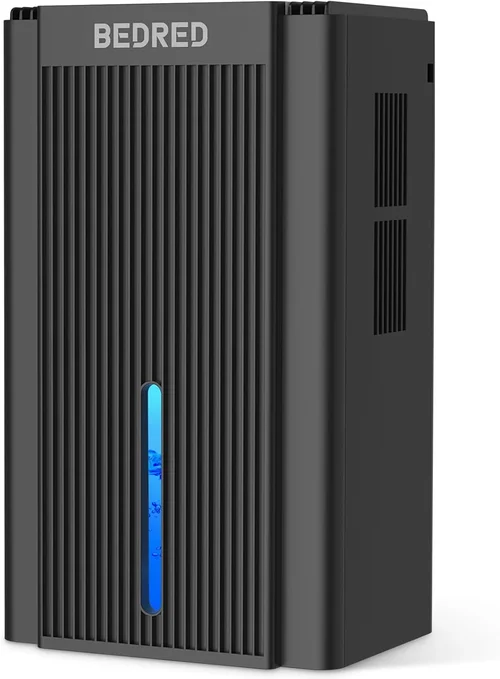
If you’ve ever walked into a room that feels thick, sticky, or smells faintly of mildew, you’ve experienced the telltale signs of excess humidity. High indoor moisture isn’t just uncomfortable—it can damage your home, worsen allergies, and even compromise your health. That’s where a quality home dehumidifier comes in. These devices quietly pull excess moisture from the air, helping maintain a balanced, healthy indoor environment. Whether you’re dealing with damp basements, musty laundry rooms, or year-round humidity in a coastal climate, the right dehumidifier can make a world of difference.
This guide is designed to cut through the noise and help you make an informed, confident decision. With dozens of models on the market—ranging from compact units under $100 to high-capacity, smart-enabled machines over $500—it’s easy to feel overwhelmed. Our goal is to arm you with expert knowledge so you can choose a dehumidifier that fits your space, budget, and lifestyle. We’ll walk you through key performance metrics, compare different types, highlight common pitfalls, and share insider tips to ensure you get the best value for your money.
The home dehumidifier market has evolved significantly in recent years. Energy efficiency, smart connectivity, and advanced filtration systems are now standard in many mid-to-high-end models. At the same time, budget-friendly options have improved dramatically, offering solid performance without breaking the bank. Whether you need a small unit for a closet or a whole-home solution, there’s never been a better time to invest in better air quality. By the end of this guide, you’ll know exactly what to look for—and what to avoid—when shopping for your next dehumidifier.

What to Look for When Buying Buying Guide
1. Capacity & Room Size Compatibility
One of the most critical factors when choosing a dehumidifier is its capacity, typically measured in pints per day (PPD). This number tells you how much moisture the unit can remove in a 24-hour period under standard test conditions (usually 60% relative humidity at 80°F). A 30-pint model, for example, is ideal for a medium-sized basement or living area up to about 1,500 square feet, while a 50-pint unit suits larger spaces like finished basements, garages, or open-concept homes.
Matching capacity to your room size prevents underperformance or unnecessary energy use. A unit too small will run constantly, struggle to keep up, and wear out faster. Conversely, an oversized dehumidifier may cycle on and off too frequently, reducing efficiency and potentially over-drying the air. To find the right fit, measure your space and consider moisture sources: laundry areas, crawl spaces, or homes in humid climates often need higher-capacity units. Manufacturers usually provide coverage guidelines, but real-world conditions—like poor insulation or frequent door openings—can affect performance.
2. Energy Efficiency & Operating Costs
Dehumidifiers run for hours each day, so energy efficiency directly impacts your utility bill. Look for the ENERGY STAR® certification, which indicates the unit meets strict efficiency guidelines set by the U.S. Environmental Protection Agency. ENERGY STAR models use up to 15% less energy than standard units, saving you money over time. The Energy Factor (EF)—measured in liters of water removed per kilowatt-hour of electricity—is another useful metric. Higher EF values mean better efficiency.
Consider your local electricity rates and how often you’ll use the dehumidifier. In humid regions like the Southeast or Pacific Northwest, running a dehumidifier year-round can add $50–$150 annually to your bill. Efficient models with auto-humidistats, timers, and low-watt compressors help minimize costs. Also, check the wattage listed on the product label—lower wattage generally means lower operating costs, though it may correlate with reduced capacity.
3. Humidity Control & Smart Features
Modern dehumidifiers offer varying levels of humidity control. Basic models have manual settings or simple on/off switches, while advanced units include built-in humidistats that let you set and maintain a target humidity level (ideally between 30% and 50%). Some even feature digital displays, remote controls, or smartphone apps for real-time monitoring and adjustments.
Smart features like Wi-Fi connectivity, voice control (via Alexa or Google Assistant), and scheduling can significantly enhance convenience. For example, you can set your dehumidifier to run only during off-peak electricity hours or receive alerts when the water tank is full. However, these features often come at a premium. If you value automation and remote access, they’re worth the investment. If not, a simpler model with a reliable humidistat may suffice.
4. Water Removal Options
How the dehumidifier handles collected water is a practical consideration. Most units have a built-in tank that needs manual emptying—typically every 8–24 hours, depending on humidity levels. Tank size ranges from 1 to 2 gallons; larger tanks reduce emptying frequency but add bulk.
For continuous operation, look for models with a built-in pump or gravity drain hose connection. A pump allows you to send water vertically (e.g., from a basement to a sink), while a hose enables passive draining into a floor drain or sump pit. These options are essential for unattended use in basements, crawl spaces, or vacation homes. Some high-end models even include auto-shutoff when the tank is full, preventing overflow and water damage.
5. Noise Level & Placement Flexibility
Dehumidifiers use fans and compressors, which generate noise—typically between 45 and 65 decibels (dB). For perspective, 45 dB is similar to a quiet library, while 65 dB resembles normal conversation. If you plan to place the unit in a bedroom, living room, or home office, opt for a quieter model (under 55 dB). Manufacturers often list noise levels in product specs, but real-world performance can vary.
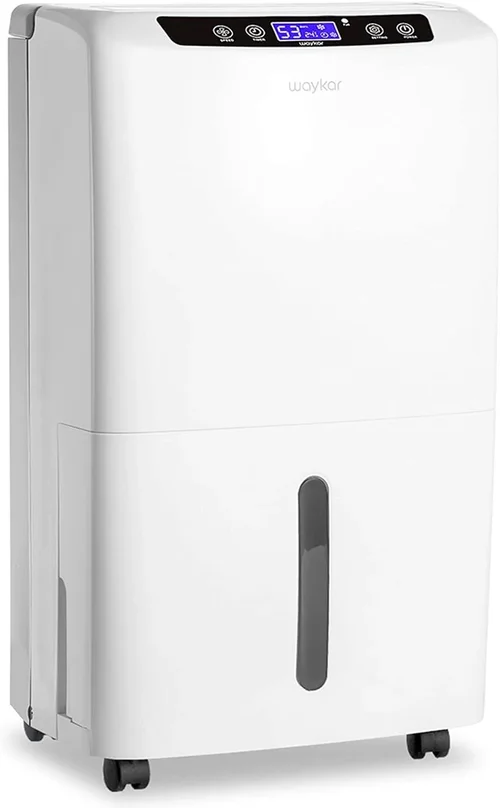
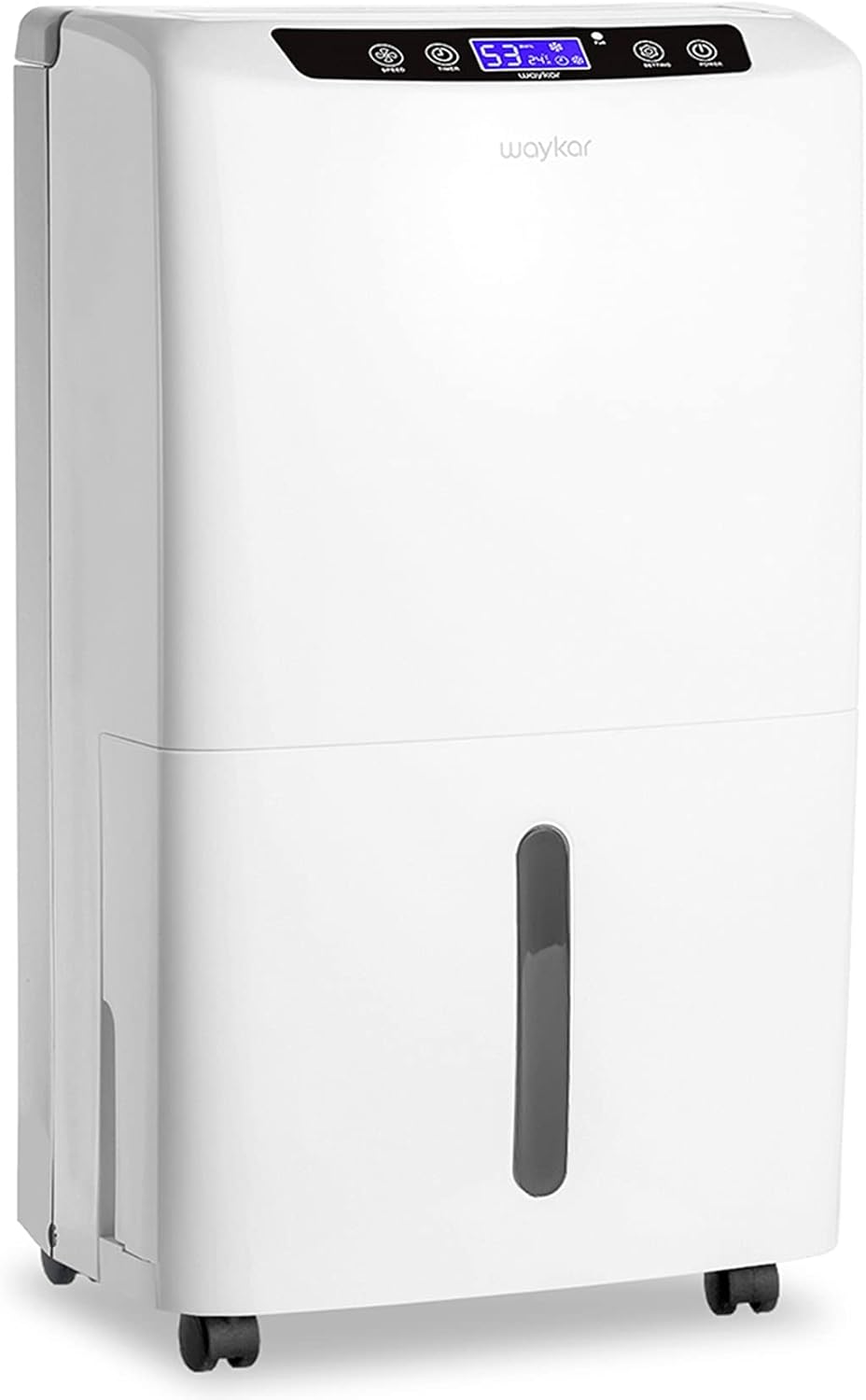
Placement also affects noise and efficiency. Keep the dehumidifier away from walls and furniture to ensure proper airflow. Some models have top-mounted controls and handles for easier access, while others are designed for discreet placement in corners. Portable units with caster wheels offer flexibility, allowing you to move the dehumidifier between rooms as needed.
6. Build Quality & Durability
A dehumidifier is a long-term investment, so durability matters. Look for sturdy construction with rust-resistant coatings, especially if used in basements or garages. Internal components like the compressor, evaporator coils, and fan should be well-sealed to prevent dust and moisture damage. Metal housings generally last longer than plastic, though high-grade polymers can also be durable.
Check user reviews for reports of leaks, compressor failures, or short lifespans. Brands with a reputation for reliability—like Frigidaire, hOmeLabs, or GE—often use higher-quality components and offer better customer support. Also, consider the filter type: washable filters are eco-friendly and cost-effective, while disposable ones may need frequent replacement.
7. Maintenance Requirements
Regular maintenance ensures optimal performance and extends the unit’s lifespan. Most dehumidifiers require cleaning the air filter every 2–4 weeks, especially in dusty environments. Some models have filter indicators to remind you. The water tank should also be cleaned periodically to prevent mold and bacteria growth.
Coil cleaning is another important task. Over time, dust and debris can accumulate on the evaporator and condenser coils, reducing efficiency. Some units have easy-access panels for cleaning, while others require more disassembly. If you’re not comfortable with maintenance, choose a model with self-cleaning features or a sealed system.
8. Warranty & Customer Support
A solid warranty reflects the manufacturer’s confidence in their product. Most reputable brands offer 1–2 years of coverage, with some extending to 5 years on key components like the compressor. Read the fine print: some warranties require registration, proof of purchase, or professional installation.
Customer support is equally important. Check if the company offers phone, email, or live chat assistance. Look for brands with responsive service teams and accessible replacement parts. Online forums and review sites can provide insights into real-world support experiences. A good warranty and support network can save you time, money, and frustration if issues arise.
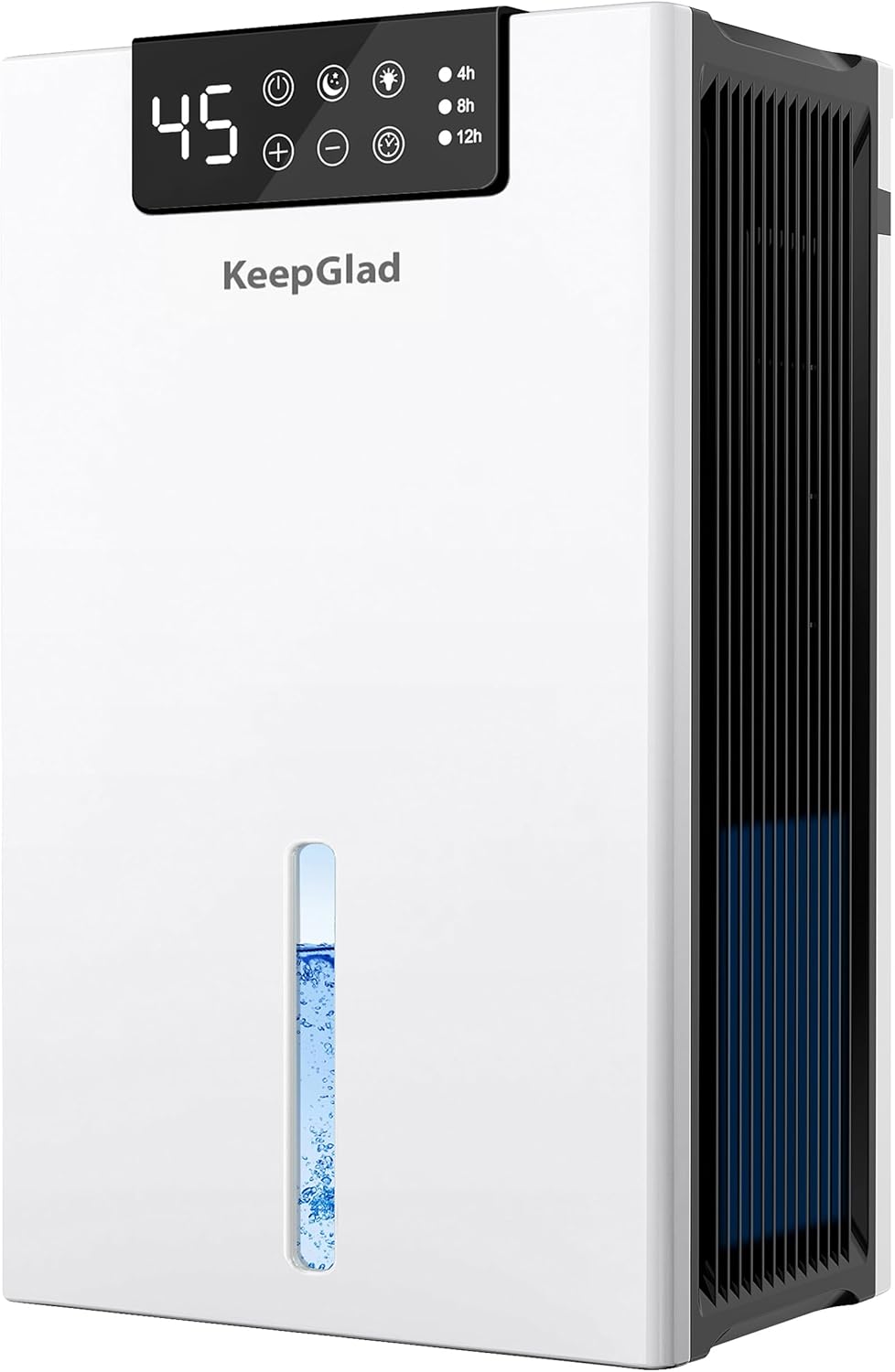
Different Types of Buying Guide
Common Buying Mistakes to Avoid
❌ Mistake: Choosing Based Solely on Price
Why it’s bad: The cheapest dehumidifier may lack essential features like a humidistat, auto-shutoff, or efficient compressor. It could also be underpowered for your space, leading to constant running and higher energy bills.
What to do instead: Balance cost with capacity, efficiency, and features. A mid-range model with ENERGY STAR certification often offers the best long-term value.
❌ Mistake: Ignoring Room Size and Humidity Level
Why it’s bad: A 20-pint unit won’t effectively dehumidify a large, damp basement. Conversely, a 70-pint model in a small closet will waste energy and over-dry the air.
What to do instead: Measure your space and assess moisture sources. Use manufacturer guidelines to match capacity to your needs.
❌ Mistake: Overlooking Drainage Options
Why it’s bad: If you can’t empty the tank daily, a unit without a hose or pump will become useless once full.
What to do instead: Choose a model with continuous drainage if you need unattended operation—especially in basements or vacation homes.
❌ Mistake: Neglecting Noise Levels
Why it’s bad: A loud dehumidifier can disrupt sleep, work, or relaxation, especially in open-plan homes or bedrooms.
What to do instead: Check decibel ratings and opt for quieter models (under 55 dB) for living areas. Desiccant units are typically quieter than compressor types.
❌ Mistake: Skipping Maintenance
Why it’s bad: Dirty filters and coils reduce efficiency, increase energy use, and can lead to mold growth inside the unit.
What to do instead: Clean the filter monthly and inspect coils periodically. Choose models with washable filters and easy-access panels.
❌ Mistake: Buying Without Checking Warranty
Why it’s bad: A short or limited warranty may leave you paying for repairs on a unit that fails within a year.
What to do instead: Look for at least a 1-year warranty, with extended coverage on the compressor. Register your product to ensure eligibility.
❌ Mistake: Assuming All ENERGY STAR Models Are Equal
Why it’s bad: ENERGY STAR certification ensures efficiency, but performance varies widely between models.
What to do instead: Compare Energy Factor (EF) ratings and read independent reviews to find the most efficient unit for your needs.
Budget Guidelines: How Much Should You Spend?
Entry-Level ($50–$150): These budget models are ideal for small spaces like closets, RVs, or bathrooms. They typically offer 10–20 pint capacity, basic controls, and manual tank emptying. While affordable, they may lack humidistats, timers, or efficient compressors. Expect higher noise levels and shorter lifespans. Best for occasional use or low-humidity areas.
Mid-Range ($150–$300): This is the sweet spot for most homeowners. Models in this range offer 30–50 pint capacity, ENERGY STAR certification, digital humidistats, auto-restart, and larger tanks. Many include hose connections for continuous drainage and quieter operation. These units balance performance, efficiency, and price, making them ideal for basements, laundry rooms, and medium-sized living areas.
Premium ($300–$600): Premium dehumidifiers feature advanced controls, Wi-Fi connectivity, built-in pumps, and superior build quality. They often include air purification systems, multi-speed fans, and longer warranties. These are perfect for tech-savvy users, large homes, or those in high-humidity regions who want convenience and top-tier performance.
Luxury ($600+): At this level, you’re investing in whole-house systems, industrial-grade components, or smart home integration. These units may connect to HVAC systems, offer remote monitoring via apps, and include professional installation services. They’re best for large estates, commercial spaces, or users who prioritize automation and long-term reliability.
Expert Tips for Getting the Best Deal
1. Buy During Off-Season Sales: Dehumidifiers are in highest demand during summer and humid months. Shop in late fall or winter (October–February) for discounts of 20–40%. Retailers often clear inventory to make room for air conditioners.
2. Compare Online and In-Store Prices: Online retailers like Amazon, Home Depot, and Lowe’s frequently offer exclusive deals, free shipping, and extended return windows. In-store shopping lets you inspect build quality and noise levels firsthand.
3. Look for Bundle Deals: Some brands offer discounts when you buy a dehumidifier with an air purifier or humidifier. These bundles can save $50–$100 and simplify your home air management.
4. Check for Rebates and Incentives: Utility companies in humid regions often offer rebates for ENERGY STAR dehumidifiers. Visit your provider’s website or the ENERGY STAR rebate finder to see if you qualify.
5. Read Return Policies Carefully: Some retailers charge restocking fees or limit returns on large appliances. Choose sellers with at least a 30-day return window and free return shipping.
6. Test Before Committing: If possible, run the dehumidifier for a few hours in your space. Check noise levels, airflow, and how quickly it reduces humidity. This helps avoid buyer’s remorse.
7. Register Your Product Immediately: Many warranties require registration within 30 days of purchase. This ensures you’re covered and may grant access to firmware updates or service alerts.
8. Consider Refurbished or Open-Box Models: Certified refurbished units from reputable sellers often come with warranties and sell for 20–30% less than new. They’re a great way to get premium features at a lower price.
Frequently Asked Questions
Q: How do I know if I need a dehumidifier?
A: Signs include condensation on windows, musty odors, mold growth, peeling paint, or a clammy feeling in the air. You can also use a hygrometer to measure humidity—if it’s consistently above 50%, a dehumidifier is recommended.
Q: Can a dehumidifier help with allergies?
A: Yes. By reducing moisture, dehumidifiers inhibit the growth of mold, dust mites, and mildew—common allergens. Pairing it with an air purifier enhances relief for allergy sufferers.
Q: Should I run my dehumidifier all the time?
A: Not necessarily. Use a humidistat to maintain 30–50% humidity. In humid climates, it may run frequently, but in drier months, it might only operate occasionally.
Q: Where should I place my dehumidifier?
A: Place it in the most humid area, such as a basement, laundry room, or bathroom. Ensure at least 6–12 inches of clearance around the unit for proper airflow.
Q: How often should I empty the water tank?
A: It depends on humidity levels and tank size. In high-humidity areas, you may need to empty it daily. Models with continuous drainage eliminate this task.
Q: Are dehumidifiers safe to leave on overnight?
A: Yes, as long as the unit has auto-shutoff, overheat protection, and is placed on a stable surface. Modern models are designed for safe, unattended operation.
Q: Can I use a dehumidifier in winter?
A: Compressor models may struggle below 60°F, as coils can frost over. Desiccant dehumidifiers work better in cold temperatures and are ideal for winter use in garages or crawl spaces.
Q: Do dehumidifiers cool the air?
A: Not directly. They remove moisture, which can make the air feel cooler and more comfortable, but they don’t lower temperature like an air conditioner.
Q: How long do dehumidifiers last?
A: With proper maintenance, most units last 5–10 years. Compressor lifespan is a key factor—look for models with 5-year compressor warranties.
Q: Can I install a dehumidifier myself?
A: Portable and most standalone units require no installation—just plug and go. Whole-house systems may need professional HVAC integration.
Our Final Recommendations
Best for Budget-Conscious Buyers: hOmeLabs 30 Pint Dehumidifier
This ENERGY STAR-certified model offers excellent value at under $200. It features a 1.8-gallon tank, digital humidistat, auto-restart, and quiet operation. Ideal for small to medium basements or living rooms.
Best Overall Value: Frigidaire FFAD5033W1 50 Pint Dehumidifier
With a 16.9-pint tank, continuous drainage option, and washable filter, this model balances performance, efficiency, and price. It’s a top seller for good reason—reliable, quiet, and effective in large spaces.
Best Premium Option: GE APER50LZ 50 Pint Smart Dehumidifier
Wi-Fi enabled with app control, voice compatibility, and a built-in pump, this unit offers cutting-edge convenience. Perfect for tech lovers who want remote monitoring and scheduling.
Best for Beginners: Eva-Dry EDV-1100 Electric Petite Dehumidifier
A compact, no-frills option for closets or small bathrooms. It’s silent, energy-efficient, and requires no maintenance—great for first-time users.
Best for Advanced Users: AprilAire E080 Pro 80 Pint Whole-House Dehumidifier
Designed for HVAC integration, this powerful unit handles large homes with ease. It includes a built-in pump, MERV 11 filter, and 5-year warranty—ideal for serious moisture control.
Conclusion: Making the Right Choice
Choosing the best home dehumidifier doesn’t have to be overwhelming. By focusing on capacity, efficiency, features, and your specific needs, you can find a unit that improves your indoor air quality without overspending. Remember: the right dehumidifier isn’t just about removing moisture—it’s about creating a healthier, more comfortable living environment.
Start by assessing your space, humidity levels, and usage patterns. Prioritize ENERGY STAR models for long-term savings, and don’t overlook drainage options if you need continuous operation. Read reviews, compare warranties, and take advantage of seasonal sales to get the best deal.
Ultimately, the best dehumidifier is the one that fits your home and lifestyle. Whether you’re tackling a damp basement or simply want to breathe easier, investing in quality moisture control is a decision you won’t regret. Use this guide as your roadmap, and take the first step toward a drier, fresher home today.