
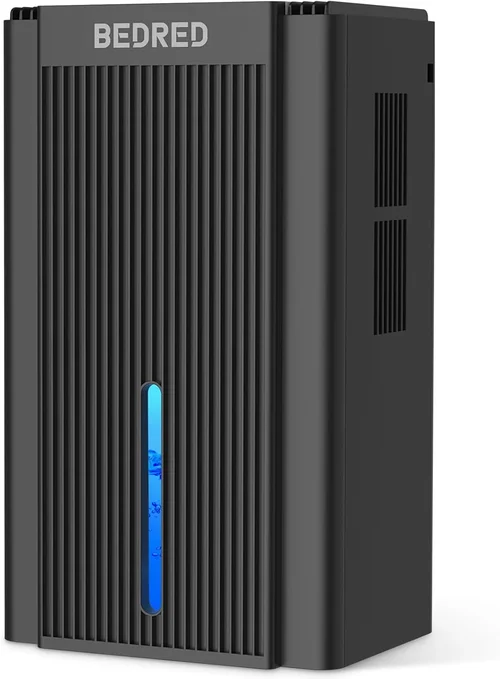
Dealing with excess moisture in your home isn’t just about comfort—it’s about protecting your health, your belongings, and the very structure of your house. High humidity levels can lead to mold growth, musty odors, warped wood, peeling paint, and even respiratory issues for you and your family. While basic dehumidifiers help remove moisture from the air, models equipped with an integrated pump offer a significant upgrade in convenience and performance, especially in hard-to-reach areas like basements, crawl spaces, or laundry rooms. If you’ve ever emptied a heavy water bucket in the middle of the night or worried about overflow during a power outage, you already understand why a dehumidifier with a pump is worth considering.
This comprehensive buying guide is designed to cut through the noise and help you make a smart, informed decision. Whether you’re battling dampness in a 500-square-foot basement or managing humidity across a multi-level home, we’ll walk you through everything you need to know—from key performance specs and essential features to budget considerations and common pitfalls. By the end of this guide, you’ll not only understand how these devices work but also know exactly what to look for based on your specific needs, space, and lifestyle. The market is flooded with options, ranging from budget-friendly units under $150 to high-end models exceeding $600, so knowing how to evaluate them critically is crucial.

What to Look for When Buying Buying Guide
1. Budget & Price Range
Your budget will naturally influence your options, but it’s important to view a dehumidifier with a pump as a long-term investment rather than a quick fix. Entry-level models typically start around $120–$180 and may include basic pump functionality, though often with limited capacity or reliability. Mid-range units ($200–$350) usually offer better build quality, more consistent pump performance, and smarter controls. Premium models ($350–$500+) often feature commercial-grade components, advanced humidity sensors, Wi-Fi connectivity, and robust warranties. While it’s tempting to go for the cheapest option, skimping on quality can lead to frequent repairs, higher energy bills, and shorter lifespans. Consider how much you’re willing to spend upfront versus ongoing costs like electricity and maintenance.
2. Performance Specifications
The core function of any dehumidifier is removing moisture, so understanding performance metrics is essential. The most critical spec is pint capacity, which indicates how many pints of water the unit can extract from the air in 24 hours under standard conditions (60% relative humidity at 80°F). For example, a 30-pint unit suits small spaces (up to 500 sq ft), while a 70-pint model is better for large basements (1,500+ sq ft). However, don’t rely solely on manufacturer claims—real-world performance often differs due to temperature and humidity variations.
Another vital spec is the pump lift height, which determines how high the internal pump can push water vertically. Most pumps can lift water 10–16 feet, but some premium models reach 20+ feet—critical if you need to drain into a ceiling-height utility sink or outdoor area. Also check the drain hose length (usually 6–16 feet); longer hoses offer more placement flexibility. Finally, consider the airflow rate (measured in CFM or cubic feet per minute)—higher airflow means faster moisture removal, especially in tightly sealed spaces.
3. Build Quality & Durability
A dehumidifier with a pump is a mechanical device with moving parts, so construction matters. Look for units with metal coils (rather than aluminum), reinforced compressor housings, and sealed electrical components—these resist corrosion and extend lifespan. The pump itself should be made of durable materials like ceramic or high-grade plastic to avoid leaks or failures. Check the chassis: heavier, sturdier units often indicate better internal engineering. Avoid flimsy plastic casings that crack easily or wobble during operation.
Pay attention to the filter design too. Washable, reusable filters are more eco-friendly and cost-effective than disposable ones. Some models include antimicrobial filters that inhibit mold and bacteria growth—a big plus in damp environments. Also, inspect the water tank (if included): a well-sealed, easy-to-remove bucket prevents spills and simplifies manual emptying when the pump isn’t in use.
4. Features & Functionality
Modern dehumidifiers come packed with features that enhance usability and efficiency. The built-in pump is the star here—it automatically pumps collected water through a hose to a drain, sink, or outdoors, eliminating the need to manually empty a tank. This is especially valuable in unattended spaces like basements. Look for models with continuous drain mode and auto-restart after power outages—both ensure uninterrupted operation.
Other useful features include humidity sensors with digital displays (so you can set and monitor exact RH levels), adjustable fan speeds, timer functions, and defrost modes for cold environments (below 65°F). Smart models may offer Wi-Fi connectivity via apps, allowing remote monitoring and control—ideal for vacation homes or busy households. Some units even include air purification modes with HEPA or activated carbon filters, though these are secondary to core dehumidification.
5. Brand Reputation
Not all dehumidifier brands are created equal. Established names like Frigidaire, hOmeLabs, GE, AprilAire, and Keystone have proven track records for reliability and customer support. Research brand history: how long have they been making dehumidifiers? Do they specialize in HVAC or home appliances? Brands with dedicated R&D teams and service networks tend to produce more durable, innovative products.
Be wary of obscure brands sold exclusively through third-party marketplaces—they may use generic components, lack proper certifications, or disappear after a few years, leaving you without warranty support. Reading professional reviews and user forums (like Reddit’s r/HomeImprovement or HVAC-Talk) can reveal hidden issues like pump failures or noisy compressors that don’t show up in marketing materials.
6. Warranty & Support
A strong warranty is a strong indicator of confidence in product quality. Most reputable brands offer at least a 1-year limited warranty, but premium models often include 2–5 years of coverage, sometimes with extended protection for the compressor or pump. Check what’s covered: does the warranty include labor, parts, and shipping? Is there a separate warranty for the pump mechanism? Some companies even offer free replacement hoses or filters during the warranty period.
Customer support matters too. Can you reach a real person quickly? Are troubleshooting guides available online? Do they offer live chat or phone support? A brand that stands behind its product will make your ownership experience smoother, especially if something goes wrong. Avoid brands with only email support or vague return policies.
7. Size & Portability
Even with a pump, you’ll need to move your dehumidifier occasionally—for cleaning, repositioning, or seasonal storage. Consider the unit’s dimensions and weight. Most residential models weigh 30–50 pounds; look for integrated handles and smooth-rolling casters for easier mobility. Compact designs are great for tight spaces, but don’t sacrifice capacity for size—some slim units have reduced internal components that affect performance.
If you plan to use the dehumidifier in multiple rooms (e.g., basement in winter, bathroom in summer), portability becomes even more important. Some models include wall-mounting kits or stackable designs for space-saving storage. Also, check cord length—a 6-foot cord is standard, but longer cords (8+ feet) reduce the need for extension cords, which can be a fire hazard.
8. User Reviews & Ratings
Never buy based solely on specs or ads. Real-world user feedback reveals quirks, failures, and strengths that lab tests miss. Focus on reviews from verified purchasers on trusted platforms like Amazon, Home Depot, or Consumer Reports. Look for patterns: if multiple users report pump failures within six months, that’s a red flag. Conversely, consistent praise for quiet operation or easy setup is a good sign.
Pay attention to how reviewers describe performance in their actual environment—not just ideal lab conditions. For example, a unit might perform well in a dry climate but struggle in a humid basement. Also, note how long users have owned the product; long-term reviews (1+ years) provide better insight into durability than initial impressions.
Different Types of Buying Guide

Common Buying Mistakes to Avoid
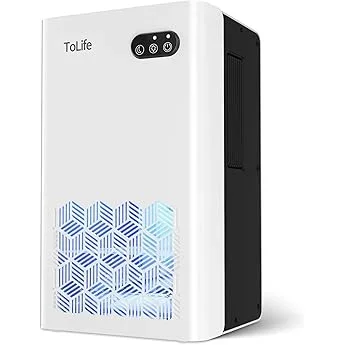
❌ Mistake: Ignoring Pump Lift Height
Why it’s bad: If your drain point is higher than the pump can lift (e.g., a second-story utility sink), the unit won’t drain properly, leading to overflow and potential water damage.
What to do instead: Measure the vertical distance from the dehumidifier to your drain. Choose a model with a pump lift height that exceeds this by at least 2–3 feet for safety margin.
❌ Mistake: Buying Based Solely on Pint Rating
Why it’s bad: Pint ratings are measured under ideal lab conditions (80°F, 60% RH). In colder or drier environments, actual performance drops significantly.
What to do instead: Use pint ratings as a starting point, then consult sizing charts based on your room’s square footage, temperature, and humidity level. When in doubt, go one size up.
❌ Mistake: Overlooking Noise Levels
Why it’s bad: Dehumidifiers run continuously, and a noisy unit (above 55 dB) can disrupt sleep or daily activities, especially in living areas or bedrooms.
What to do instead: Check decibel ratings in product specs. Look for models with “quiet mode” or insulated compressor compartments. Read user reviews about noise—real-world reports are more reliable than manufacturer claims.
❌ Mistake: Skipping the Defrost Feature
Why it’s bad: In cold basements (below 65°F), coils can freeze, causing the unit to shut down or malfunction.
What to do instead: Always choose a model with an automatic defrost function if your space drops below 65°F in winter. This ensures consistent operation year-round.
❌ Mistake: Neglecting Maintenance Requirements
Why it’s bad: Clogged filters, dirty coils, or kinked hoses reduce efficiency and can damage the pump or compressor over time.
What to do instead: Choose models with easy-access filters and removable pump compartments. Set calendar reminders to clean the unit monthly and inspect hoses quarterly.
❌ Mistake: Assuming All Pumps Are Equal
Why it’s bad: Some budget models use weak, non-serviceable pumps that fail within months. Others lack backup overflow protection.
What to do instead: Research pump type (centrifugal vs. diaphragm) and look for units with dual safety systems—like a float switch that shuts off the unit if the pump fails.
❌ Mistake: Not Checking Local Drainage Options
Why it’s bad: Even with a pump, you need a legal and practical place to discharge water—indoor drains, sump pits, or outdoor areas. Improper drainage can violate building codes or cause flooding.
What to do instead: Consult local regulations and inspect your property before buying. Ensure hose routing won’t create tripping hazards or water pooling.
Budget Guidelines: How Much Should You Spend?
- Entry-Level ($120–$180): These models offer basic pump functionality and are suitable for small, intermittently used spaces. Expect plastic components, shorter warranties (6–12 months), and limited smart features. Ideal for renters or seasonal use, but may struggle in high-humidity environments.
- Mid-Range ($200–$350): This is the sweet spot for most homeowners. Units in this range typically include reliable pumps, digital controls, auto-defrost, and Energy Star certification. Brands like hOmeLabs and Frigidaire dominate here with solid performance and good customer support. Perfect for basements, garages, and medium-sized rooms.
- Premium ($350–$500): Designed for demanding applications, these models feature commercial-grade compressors, high-lift pumps (15+ feet), Wi-Fi connectivity, and advanced filtration. Great for whole-house dehumidification, flood-prone areas, or tech-savvy users who want app control and real-time monitoring.
- Luxury ($500+): Reserved for professionals or large properties, these units often integrate with HVAC systems, offer ducting options, and include extended warranties (3–5 years). Examples include AprilAire and Santa Fe models. They’re overkill for typical homes but invaluable for contractors, property managers, or extreme climates.
Expert Tips for Getting the Best Deal
- Buy in Spring or Early Summer: Retailers often discount dehumidifiers before peak humidity season (July–August). You’ll find better deals and wider selection before demand spikes.
- Shop at Specialty Retailers: Stores like Home Depot, Lowe’s, and HVAC supply shops often carry exclusive models and offer in-store pickup, extended return windows, and bundle deals (e.g., free hose with purchase).
- Check for Rebates: Some utility companies offer rebates for Energy Star-certified dehumidifiers—especially in humid regions. Visit your provider’s website or call customer service to inquire.
- Compare Online vs. In-Store: Online retailers (Amazon, Walmart.com) may have lower prices, but in-store purchases let you inspect build quality and ask staff questions. Some stores match online prices—always ask!
- Read the Fine Print on Returns: Ensure the return window is at least 30 days and covers defective pumps. Some sellers charge restocking fees or exclude opened electronics.
- Test Before Committing: If possible, run the unit for 24–48 hours in your space. Check for unusual noises, drainage issues, or failure to reach target humidity.
- Consider Refurbished Models: Certified refurbished units from reputable brands (with full warranties) can save 20–30% off retail price. Just verify the pump was inspected and replaced if needed.
- Join Loyalty Programs: Sign up for newsletters from appliance brands or retailers—they often send exclusive promo codes or early access to sales.
Frequently Asked Questions
Q: Can a dehumidifier with a pump run continuously without supervision?
A: Yes—that’s the primary advantage of a built-in pump. As long as the drain hose is properly routed and the pump is functioning, the unit can operate 24/7 without manual emptying. Most models include overflow protection that shuts off the compressor if the pump fails.
Q: How often do I need to maintain the pump?
A: Inspect the pump and hose every 3–6 months. Clean the intake filter monthly, and flush the hose with vinegar or mild detergent to prevent mold or clogs. Replace hoses every 2–3 years if they become brittle or cracked.
Q: Will a dehumidifier with a pump increase my electricity bill?
A: All dehumidifiers consume electricity, but Energy Star models are designed for efficiency. A typical 50-pint unit uses about 500–700 watts per hour. Running it 12 hours a day might cost $15–$25/month, depending on local rates. Using a humidistat to maintain 45–50% RH prevents unnecessary cycling.
Q: Can I use the pump to drain into a window or outside?
A: Yes, but ensure the hose is secured and angled downward to prevent backflow. Use a window kit or weatherproof vent if drilling a hole. Avoid draining near foundations to prevent water seepage.
Q: What’s the difference between a condensate pump and a built-in dehumidifier pump?
A: A condensate pump is an external accessory used with HVAC systems, while a built-in pump is integrated into the dehumidifier itself. Built-in pumps are more convenient and reliable for standalone units.
Q: Do I still need a water tank if I have a pump?
A: Most models include a small backup tank (2–4 quarts) that collects water if the pump fails or the hose becomes blocked. It’s a critical safety feature—don’t remove it.
Q: Can I duct a portable dehumidifier with a pump?
A: Some mid-to-high-end models support ducting kits for whole-house use, but check manufacturer specifications. Not all portable units are designed for permanent installation.
Q: How long do dehumidifier pumps typically last?
A: With proper maintenance, a quality pump should last 3–5 years. Cheaper models may fail within 1–2 years. Look for user-replaceable pumps to extend the unit’s lifespan.
Q: Is a dehumidifier with a pump worth it for a crawl space?
A: Absolutely. Crawl spaces are prone to high humidity and limited access. A pump allows continuous drainage into a sump pit or exterior drain, eliminating the need for frequent manual checks.
Q: Can I use extension cords with my dehumidifier?
A: Avoid it if possible. Dehumidifiers draw significant current, and undersized extension cords can overheat. If necessary, use a heavy-duty, 14-gauge or thicker cord rated for outdoor use and keep it as short as possible.
Our Final Recommendations
- Best for Budget-Conscious Buyers: hOmeLabs 50 Pint Dehumidifier with Pump – Offers reliable pump performance, Energy Star rating, and quiet operation under $250. Great for small to medium basements.
- Best Overall Value: Frigidaire FFAD7033R1 70 Pint Dehumidifier with Built-In Pump – Combines high capacity, strong pump lift (16 ft), and smart controls at a mid-range price. Ideal for large, damp spaces.
- Best Premium Option: AprilAire E080 Pro 80 Pint Whole-House Dehumidifier – Designed for integration with HVAC systems, features a commercial-grade pump, and includes a 5-year warranty. Perfect for new builds or severe humidity issues.
- Best for Beginners: GE APER50LZ 50 Pint Dehumidifier with Pump – Simple interface, easy setup, and dependable performance. Includes auto-defrost and a clear water level indicator.
- Best for Advanced Users: Santa Fe Compact 70 Dehumidifier with Remote Pump – Offers ducting capabilities, Wi-Fi connectivity, and a high-lift pump (20 ft). Suited for tech-savvy homeowners or professionals managing multiple properties.
Conclusion: Making the Right Choice
Choosing the best home dehumidifier with a pump doesn’t have to be overwhelming. By focusing on your specific needs—space size, humidity level, drainage options, and budget—you can narrow down the field to a handful of worthy contenders. Remember, the pump isn’t just a convenience; it’s a game-changer for unattended operation, especially in basements, crawl spaces, or vacation homes. Prioritize build quality, pump reliability, and real-world performance over flashy features or inflated pint ratings.
Take the time to measure your space, assess your drainage setup, and read honest user reviews. Don’t rush into a purchase during a humid spell—plan ahead, shop smart, and invest in a unit that will serve you reliably for years. Whether you’re protecting family health, preserving your home’s structure, or simply eliminating that musty smell, the right dehumidifier with a pump will make a noticeable difference in your daily life.
Now that you’re equipped with expert knowledge, it’s time to take action. Compare your top choices, check current deals, and make a decision that aligns with your home and lifestyle. Your drier, healthier, and more comfortable living space is just one purchase away.