
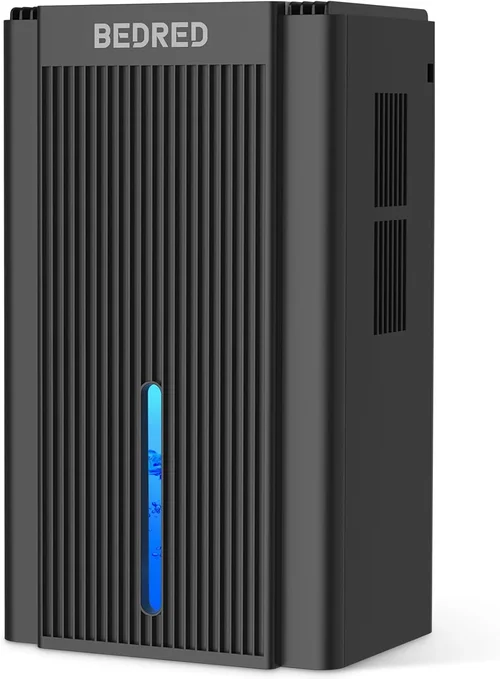
When it comes to maintaining a comfortable, healthy indoor environment, humidity control is often overlooked—until it becomes a problem. Excess moisture in your home doesn’t just make the air feel sticky or uncomfortable; it can lead to mold growth, musty odors, warped wood, and even respiratory issues for sensitive individuals. While standalone dehumidifiers are common in basements or laundry rooms, integrating humidity control directly into your HVAC system offers a more efficient, whole-home solution. That’s where HVAC dehumidifiers come in—specialized units designed to work seamlessly with your heating and cooling system to regulate indoor humidity levels year-round.
In this comprehensive buying guide, we’ll walk you through everything you need to know to choose the best HVAC dehumidifier for your home in 2026. Whether you’re dealing with chronic dampness in a humid climate, trying to improve indoor air quality, or simply aiming to reduce energy costs by optimizing your HVAC performance, the right dehumidifier can make a significant difference. We’ll cover key factors like performance specs, installation requirements, energy efficiency, and long-term durability. You’ll also learn about the different types of systems available, common pitfalls to avoid, and how to match your budget with your needs. By the end of this guide, you’ll have the expert-level knowledge needed to make a confident, informed decision.
The market for whole-home dehumidification has evolved rapidly in recent years. Traditional portable units are being replaced by smarter, more integrated solutions that connect directly to your ductwork and work in tandem with your furnace or air handler. Manufacturers like AprilAire, Honeywell, Ultra-Aire, and Santa Fe now offer advanced models with variable-speed compressors, smart controls, and compatibility with home automation systems. These innovations mean better performance, lower operating costs, and greater convenience. However, with so many options on the shelf—and online—it’s easy to feel overwhelmed. This guide cuts through the noise, giving you a clear roadmap to find the perfect HVAC dehumidifier for your specific situation.

What to Look for When Buying Buying Guide
1. Performance Specifications
Performance is the backbone of any dehumidifier, and HVAC-integrated models are no exception. The most critical specification to check is the unit’s moisture removal capacity, measured in pints per day (PPD). This tells you how much water the system can extract from the air in a 24-hour period under standard conditions (typically 60% relative humidity at 80°F). For most homes, a range of 70 to 150 PPD is sufficient, but larger homes or those in extremely humid climates may require 200+ PPD.
Another key metric is the energy factor (EF), which measures how efficiently the unit removes moisture per kilowatt-hour of electricity used. Look for models with an EF of 1.5 or higher—these are considered highly efficient. Also pay attention to the operating temperature range. Some units struggle in cooler environments (below 65°F), which can be a problem in basements or during shoulder seasons. If you live in a region with fluctuating temperatures, choose a model rated for low-temperature operation (down to 50°F or lower).
2. Compatibility with Your HVAC System
Not all HVAC dehumidifiers are compatible with every type of heating and cooling setup. Before purchasing, assess your existing system. Most whole-home dehumidifiers are designed to integrate with forced-air systems that use ductwork. They connect to the return or supply plenum and use the furnace or air handler’s blower to circulate air through the dehumidifier’s coil.
If you have a heat pump, radiant heating, or a ductless mini-split system, your options may be more limited. Some manufacturers offer ducted add-ons or hybrid solutions, but installation can be more complex and costly. Always consult with a licensed HVAC technician to confirm compatibility. Also consider whether your current ductwork can handle the additional static pressure from the dehumidifier—some older systems may need upgrades.
Another compatibility factor is control integration. Modern systems often come with dedicated thermostats or can connect to smart HVAC controllers. If you already use a smart thermostat like Nest or Ecobee, look for a dehumidifier that supports integration via Wi-Fi or a compatible protocol (e.g., Zigbee, Z-Wave). This allows you to monitor and adjust humidity levels remotely and set automated schedules.
3. Installation Requirements & Professional Setup
Unlike portable dehumidifiers, HVAC dehumidifiers require professional installation. This isn’t just a matter of plugging in a unit—it involves cutting into ductwork, mounting the dehumidifier, connecting refrigerant lines (in some cases), and integrating controls with your thermostat. Improper installation can lead to reduced efficiency, system damage, or even safety hazards.
Expect installation costs to range from $500 to $1,500, depending on complexity, location, and labor rates in your area. Always hire a certified HVAC contractor with experience in dehumidifier installations. Ask for references and verify licensing and insurance. Some manufacturers also require professional installation to maintain warranty coverage.
Consider the physical space needed. Most units are wall-mounted or installed in the attic, basement, or utility closet. Measure the available space and ensure there’s adequate clearance for airflow and maintenance access. Also check local building codes—some jurisdictions require permits for HVAC modifications.
4. Energy Efficiency & Operating Costs
Energy efficiency directly impacts your long-term operating costs. HVAC dehumidifiers typically consume between 500 and 1,500 watts, depending on size and technology. To estimate annual energy use, multiply the wattage by hours of operation and your local electricity rate. For example, a 1,000-watt unit running 8 hours a day at $0.12/kWh would cost about $350 per year.
Look for models with ENERGY STAR certification, which indicates they meet strict efficiency guidelines set by the U.S. Environmental Protection Agency. These units use 15–30% less energy than standard models. Additionally, features like variable-speed compressors and demand-based operation (only running when humidity exceeds a set point) can significantly reduce energy use.
Some advanced systems also include heat recovery, where the heat generated during dehumidification is reused to warm the air or water, improving overall efficiency. While these features may increase upfront cost, they often pay for themselves over time through lower utility bills.
5. Build Quality & Durability
An HVAC dehumidifier is a long-term investment, so durability matters. Look for units constructed with corrosion-resistant materials like galvanized steel or powder-coated aluminum. The internal components—especially the compressor, evaporator coil, and fan motor—should be built to withstand continuous operation.
Check the warranty length and coverage. Most reputable brands offer 5-year warranties on compressors and 1–2 years on parts and labor. Some premium models extend coverage to 10 years. A longer warranty often reflects confidence in the product’s reliability. Also consider the availability of replacement parts—choose a brand with a strong service network to avoid long downtimes if repairs are needed.
Another durability factor is filter quality. A high-efficiency particulate air (HEPA) or MERV 11+ filter helps trap dust, pollen, and mold spores, protecting the internal components and improving indoor air quality. Some models include washable or reusable filters, which reduce long-term maintenance costs.
6. Features & Functionality
Modern HVAC dehumidifiers come with a range of features that enhance convenience and performance. One of the most useful is automatic humidity control, where the unit continuously monitors indoor humidity and adjusts operation accordingly. This prevents over-drying and maintains a consistent comfort level.
Smart connectivity is another valuable feature. Wi-Fi-enabled models allow you to control the system via a smartphone app, receive alerts, and integrate with home automation platforms. Some systems can even sync with weather forecasts to anticipate humidity changes.
Other helpful features include:
- Drain pump options – For installations where gravity drainage isn’t possible, an internal pump can move condensate to a remote drain.
- Multi-speed fans – Allow for quieter operation and better airflow control.
- Defrost cycles – Prevent ice buildup on coils in cold environments.
- Air filtration upgrades – Some models include UV lights or bipolar ionization to kill mold and bacteria.
While these features add cost, they can significantly improve usability and air quality. Prioritize based on your specific needs—don’t pay for extras you won’t use.
7. Brand Reputation & Customer Support
Not all brands are created equal. Stick with established manufacturers known for reliability and customer service. AprilAire and Honeywell are industry leaders with decades of experience in indoor air quality. Ultra-Aire and Santa Fe specialize in high-performance dehumidification for challenging environments.
Research customer reviews on trusted platforms like Consumer Reports, HomeAdvisor, or HVAC forums. Pay attention to feedback about long-term performance, noise levels, and responsiveness of customer support. A brand with a strong reputation is more likely to honor warranties and provide timely assistance.
Also consider the availability of local dealers and service technicians. If something goes wrong, you don’t want to wait weeks for a repair. Choose a brand with a strong presence in your region.
8. Noise Levels & Comfort
While HVAC dehumidifiers are generally quieter than portable units (since they’re installed out of living spaces), noise can still be a concern—especially if the unit is located near bedrooms or home offices. Look for models with sound ratings below 60 decibels (dB). Some premium units operate as low as 45 dB, comparable to a quiet library.
Features like insulated cabinets, vibration dampeners, and variable-speed fans help reduce noise. If noise is a top priority, ask your installer about sound-dampening ductwork or remote mounting options.
Different Types of Buying Guide

Common Buying Mistakes to Avoid
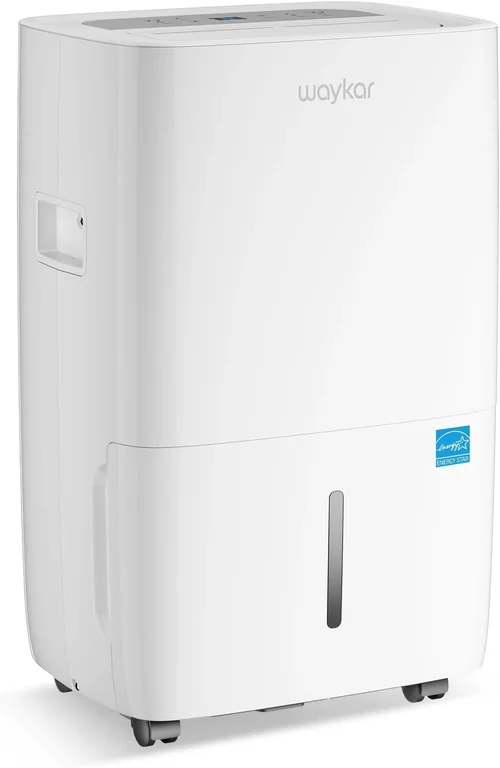
❌ Mistake: Choosing Based Solely on Price
Why it’s bad: A cheaper unit may save money upfront but could cost more in the long run due to higher energy use, frequent repairs, or shorter lifespan. Low-cost models often lack advanced controls, efficient compressors, or durable materials.
What to do instead: Focus on total cost of ownership, including energy efficiency, warranty, and expected lifespan. A mid-range model with strong performance and reliability often offers better value than the cheapest option.
❌ Mistake: Ignoring Home Size and Humidity Levels
Why it’s bad: An undersized dehumidifier won’t effectively control humidity, while an oversized unit may short-cycle (turn on and off frequently), reducing efficiency and lifespan.
What to do instead: Calculate your home’s square footage and assess humidity levels with a hygrometer. Use manufacturer sizing charts or consult an HVAC professional to select the right capacity.
❌ Mistake: Skipping Professional Installation
Why it’s bad: DIY installation can void warranties, cause refrigerant leaks, or damage your HVAC system. Improper duct connections can lead to air leaks and reduced performance.
What to do instead: Always hire a licensed HVAC technician. Get multiple quotes and verify credentials. A proper install ensures safety, efficiency, and warranty compliance.
❌ Mistake: Overlooking Maintenance Needs
Why it’s bad: Neglecting filter changes, coil cleaning, or drain line checks can lead to mold growth, reduced efficiency, and system failure.
What to do instead: Follow the manufacturer’s maintenance schedule. Set reminders for filter replacements (typically every 3–6 months) and annual professional inspections.
❌ Mistake: Not Considering Noise
Why it’s bad: A noisy unit can be disruptive, especially if installed near living areas. Some models emit a constant hum or rattle during operation.
What to do instead: Check decibel ratings and read user reviews about noise. Opt for models with insulated cabinets or remote mounting options if quiet operation is important.
❌ Mistake: Forgetting About Drainage
Why it’s bad: Without proper drainage, condensate can overflow, causing water damage or mold. Gravity drainage requires a slope and access to a floor drain.
What to do instead: Plan your drainage route before installation. Consider a unit with a built-in pump if gravity drainage isn’t feasible.
❌ Mistake: Buying Without a Warranty
Why it’s bad: HVAC dehumidifiers are complex systems. Without warranty coverage, repair costs can be hundreds of dollars.
What to do instead: Choose a model with at least a 5-year compressor warranty and 1–2 years on parts. Register your product promptly to activate coverage.
Budget Guidelines: How Much Should You Spend?
- Entry-Level ($600 – $1,000): Basic refrigerant models with limited features. Suitable for small homes or mild humidity issues. Expect shorter warranties and lower efficiency. Best for budget-conscious buyers willing to compromise on performance.
- Mid-Range ($1,000 – $1,800): The sweet spot for most homeowners. These units offer strong performance, ENERGY STAR certification, and reliable brands. Include features like automatic humidity control and multi-speed fans. Ideal for average-sized homes in humid climates.
- Premium ($1,800 – $2,800): High-capacity systems with advanced features like heat recovery, smart controls, and low-noise operation. Built with durable materials and longer warranties. Best for large homes, high humidity, or energy-conscious buyers.
- Luxury ($2,800+): Top-tier models with cutting-edge technology, such as AI-driven humidity prediction, UV sterilization, and full home automation integration. Designed for enthusiasts, professionals, or those with severe indoor air quality concerns.
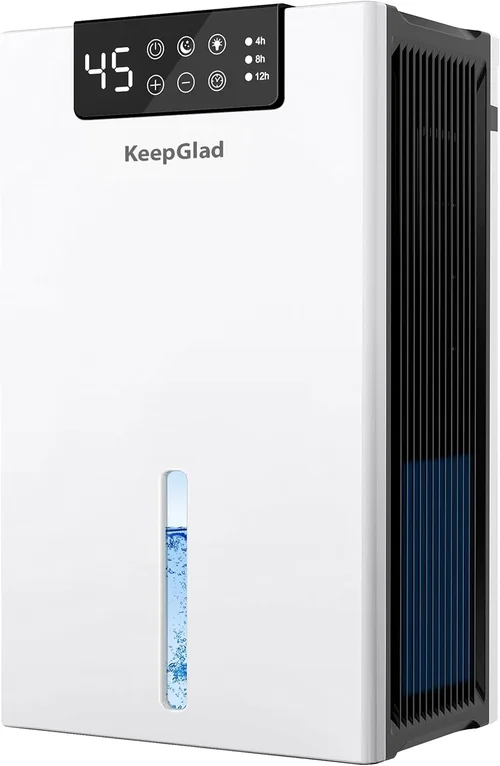
Expert Tips for Getting the Best Deal
- Buy during off-peak seasons: HVAC equipment is often discounted in late fall or early spring when demand is low. Avoid summer months when prices peak.
- Shop around: Compare prices from local HVAC dealers, online retailers, and manufacturer websites. Some offer bundle deals with installation.
- Look for rebates and incentives: Many utility companies offer rebates for ENERGY STAR dehumidifiers. Check DSIRE.org for local programs.
- Negotiate installation costs: Get multiple quotes and ask about package discounts. Some contractors offer lower rates for bundled services.
- Check return policies: Ensure the retailer or installer allows returns or exchanges if the unit doesn’t meet expectations.
- Test before finalizing: If possible, request a trial period or performance demo. Monitor humidity levels for a week to confirm effectiveness.
- Prioritize long-term value: A slightly higher upfront cost can lead to significant savings in energy and maintenance over time.
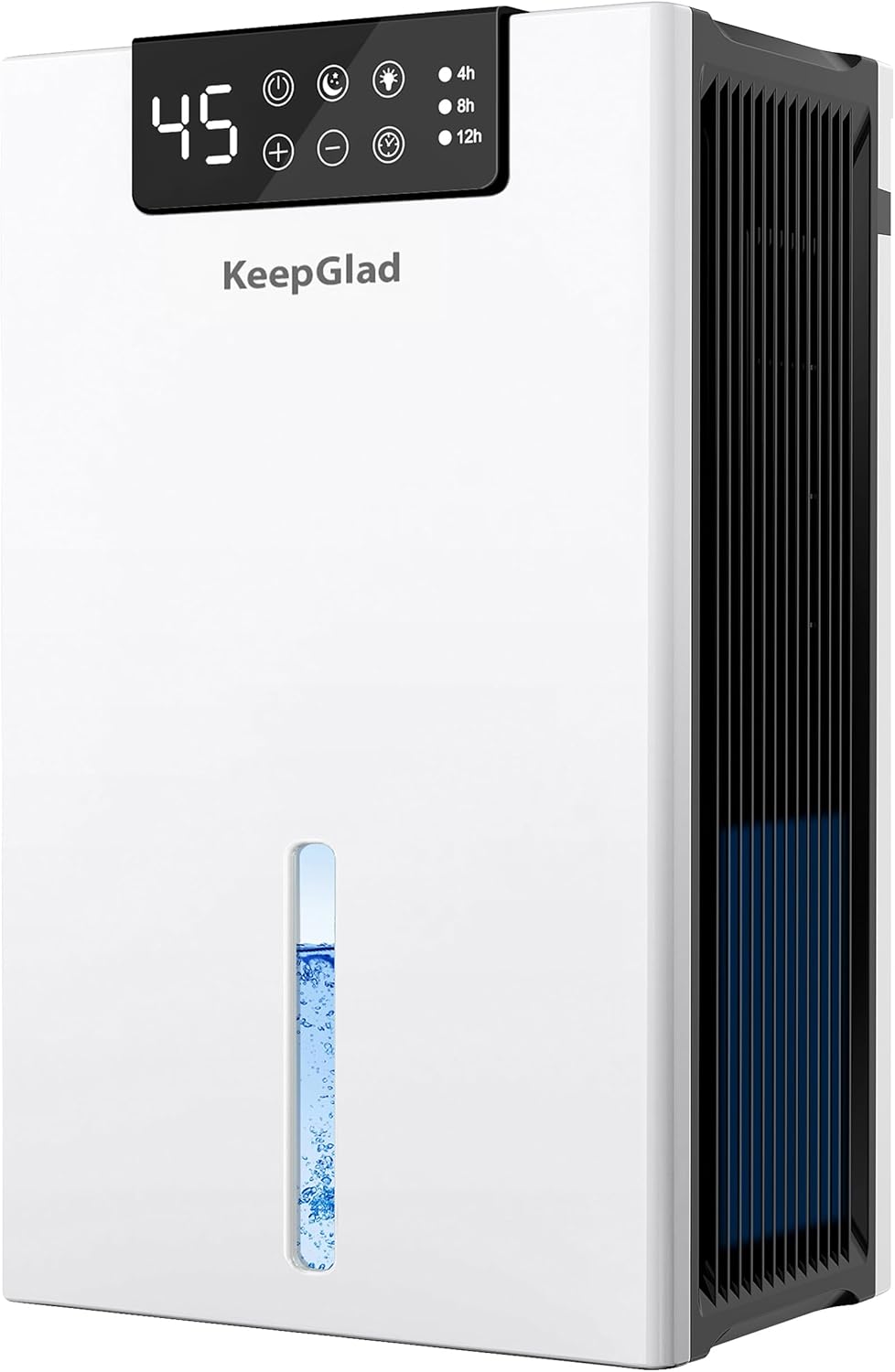
Frequently Asked Questions
Q: Can I install an HVAC dehumidifier myself?
A: No. HVAC dehumidifiers require professional installation to ensure proper ductwork integration, refrigerant handling (if applicable), and electrical connections. DIY installation can void warranties and pose safety risks.
Q: How often should I run my dehumidifier?
A: Most systems operate automatically based on humidity levels. Set your desired range (typically 30–50% RH) and let the unit run as needed. In humid climates, it may run 8–12 hours per day.
Q: Will a dehumidifier reduce my energy bills?
A: Yes, indirectly. By lowering humidity, your air conditioner doesn’t have to work as hard to cool the air, potentially reducing cooling costs by 10–15%. However, the dehumidifier itself uses electricity, so net savings depend on usage patterns.
Q: Can I use a portable dehumidifier instead?
A: Portable units are fine for spot treatment (e.g., basements), but they can’t provide whole-home control. HVAC dehumidifiers are more efficient, quieter, and require less maintenance.
Q: Do I need a dehumidifier if I have central air?
A: Central AC removes some moisture, but often not enough in humid climates. If you notice condensation, musty smells, or mold, a dedicated dehumidifier is recommended.
Q: How long do HVAC dehumidifiers last?
A: With proper maintenance, most units last 10–15 years. Compressors and coils are the most durable components; filters and controls may need replacement sooner.
Q: Can I add a dehumidifier to an older HVAC system?
A: Yes, but compatibility and ductwork condition must be assessed. Older systems may need upgrades to handle the additional load.
Q: Are smart dehumidifiers worth the extra cost?
A: If you value remote control, automation, and real-time monitoring, yes. Smart features enhance convenience and can help optimize performance.
Q: What’s the ideal indoor humidity level?
A: Between 30% and 50% relative humidity is recommended for comfort and health. Levels above 60% promote mold growth; below 30% can cause dry skin and respiratory irritation.
Q: Do dehumidifiers produce heat?
A: Yes, all dehumidifiers generate some heat as a byproduct. Refrigerant models release warm air back into the space, which can slightly increase room temperature.
Our Final Recommendations
- Best for Budget-Conscious Buyers: AprilAire E070 – Reliable 70-pint performance, ENERGY STAR certified, and priced under $1,200. Great for small to mid-sized homes.
- Best Overall Value: Honeywell DH70W – 70-pint capacity, smart controls, and excellent customer support. Priced around $1,400, it balances performance and affordability.
- Best Premium Option: Ultra-Aire UA70H – High-efficiency heat pump design, 70-pint output, and advanced filtration. Ideal for energy-conscious homeowners in humid regions.
- Best for Beginners: Santa Fe Compact 70 – Easy to install, quiet operation, and straightforward controls. Perfect for first-time buyers.
- Best for Advanced Users: AprilAire Model 1820 Pro – 150-pint capacity, Wi-Fi enabled, and compatible with home automation. Designed for large homes and tech-savvy users.
Conclusion: Making the Right Choice
Choosing the right HVAC dehumidifier isn’t just about picking the most powerful or cheapest model—it’s about finding a system that matches your home’s size, climate, and lifestyle. By focusing on performance, compatibility, efficiency, and long-term value, you can invest in a solution that improves comfort, protects your home, and supports better health. Avoid common pitfalls like undersizing, skipping professional installation, or ignoring maintenance. Instead, prioritize quality, reliability, and smart features that enhance usability.
Remember, the best dehumidifier is one that works seamlessly with your existing HVAC system, operates quietly and efficiently, and keeps your indoor humidity in the ideal range year-round. Use this guide as your roadmap, consult with trusted professionals, and take advantage of rebates and seasonal deals. With the right choice, you’ll enjoy cleaner, drier, and more comfortable air for years to come. Don’t wait until mold appears or your energy bills spike—act now to create a healthier home environment.