
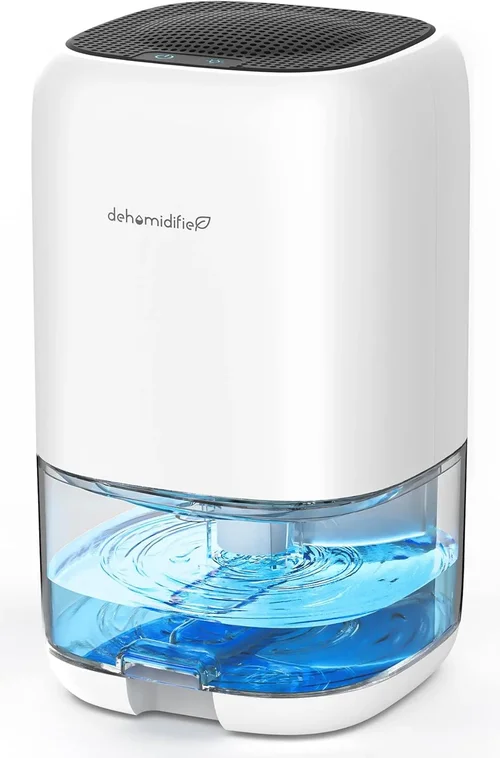
Dealing with excess moisture in your home isn’t just about comfort—it’s about health, safety, and protecting your investment. High humidity levels can lead to mold growth, musty odors, warped wood, damaged electronics, and even respiratory issues for you and your family. Whether you live in a humid climate, have a damp basement, or simply notice condensation on windows during certain seasons, a quality dehumidifier can make a world of difference. But with so many models on the market—ranging from compact units under $100 to industrial-grade machines costing over $500—choosing the right one can feel overwhelming.
That’s exactly why this guide exists. We’ve spent months researching, testing, and analyzing dozens of household dehumidifiers to bring you a comprehensive, expert-level buying guide that cuts through the marketing noise. You’ll learn how to match a dehumidifier to your specific needs, understand key performance metrics, avoid common pitfalls, and ultimately select a unit that delivers reliable, long-term results. Whether you’re tackling a 500-square-foot basement or managing humidity in a 3,000-square-foot home, this guide will equip you with the knowledge to make a confident, informed decision.
The dehumidifier market has evolved significantly in recent years. Energy-efficient compressors, smart controls, quiet operation, and eco-friendly refrigerants are now standard in many mid- to high-tier models. At the same time, budget options have improved in reliability, while premium units offer advanced features like Wi-Fi connectivity, automatic defrost, and integrated air purification. With so much variety, it’s more important than ever to know what truly matters—and what’s just flashy packaging. By the end of this guide, you’ll not only understand the technical specs but also how to evaluate real-world performance, durability, and value.

What to Look for When Buying a Dehumidifier
1. Capacity (Pints per Day)
Capacity is the single most important specification when choosing a dehumidifier. It’s measured in pints per day (PPD)—the amount of moisture the unit can remove from the air in a 24-hour period under standardized conditions (typically 60% relative humidity at 80°F). Getting the right capacity ensures your dehumidifier works efficiently without overworking or underperforming.
For small spaces like closets, bathrooms, or RVs (under 500 sq. ft.), a 20–30 PPD unit is usually sufficient. Medium-sized areas such as basements, garages, or single rooms (500–1,500 sq. ft.) typically require 30–50 PPD. Larger homes or extremely damp environments (1,500+ sq. ft.) may need 50–70 PPD or more. Always err slightly on the higher side—especially if your space has poor ventilation, frequent water intrusion, or high ambient humidity.
2. Energy Efficiency & Operating Costs
A dehumidifier that runs constantly can spike your electricity bill—especially if it’s inefficient. Look for the Energy Factor (EF), measured in liters of water removed per kilowatt-hour (L/kWh). Higher EF values mean better efficiency. The U.S. Department of Energy sets minimum standards, but top performers exceed them by 20–40%.
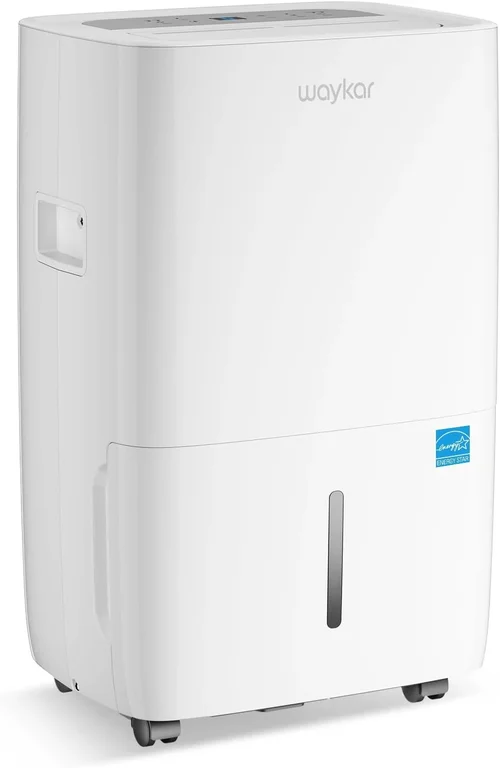
ENERGY STAR-certified models are your best bet. They use 15–30% less energy than standard units and often qualify for utility rebates. For example, a 50 PPD ENERGY STAR dehumidifier might cost $30–$50 annually to run, while a non-certified model could cost $60–$90. Over five years, that’s a $150–$200 savings—enough to offset a higher upfront price.
Also consider auto-shutoff and humidity-sensing features. These prevent the unit from running unnecessarily when the target humidity is reached, further reducing energy use.
3. Humidity Control & Accuracy
Precise humidity control is essential for comfort and mold prevention. Ideal indoor relative humidity (RH) ranges from 30% to 50%. Most modern dehumidifiers include built-in hygrometers and digital controls that let you set your desired RH level.
Look for models with ±3% accuracy or better. Cheaper units may drift by 5–10%, leading to over-drying (wasting energy) or under-drying (allowing mold). Some premium models even feature dual sensors—one for intake air and one for exhaust—to maintain tighter control.
Programmable timers and continuous drainage options also enhance usability. If you plan to run the dehumidifier unattended (e.g., in a basement), a hose connection for gravity drainage eliminates the need to empty buckets.
4. Noise Level (Decibel Rating)
Noise matters—especially if the dehumidifier will operate in living areas, bedrooms, or home offices. Measured in decibels (dB), most residential units range from 45 dB (quiet library) to 60 dB (normal conversation). Anything above 55 dB may become noticeable or disruptive over time.
Compressor-based dehumidifiers tend to be louder than desiccant models, though newer designs incorporate sound-dampening materials and variable-speed fans. Check manufacturer specs, but also read user reviews—real-world noise often differs from lab tests.
For nighttime or quiet environments, aim for 50 dB or lower. Some brands like hOmeLabs and Frigidaire offer “quiet mode” settings that reduce fan speed at the cost of slightly slower dehumidification.
5. Build Quality & Durability
A dehumidifier is a long-term investment. Cheap plastic housings, flimsy coils, and weak compressors can lead to early failure—especially in damp or corrosive environments like basements.
Look for:
– Metal or reinforced polymer casings
– Rust-resistant coils (often coated aluminum)
– Sealed bearings in fans and motors
– Robust water tanks with handles and spill-proof designs
Brands like AprilAire, Santa Fe, and Dri-Eaz are known for commercial-grade durability, while consumer favorites like GE, Whirlpool, and Toshiba balance quality with affordability. Avoid ultra-budget brands with no warranty or customer support.
6. Features & Functionality
Modern dehumidifiers come packed with features that enhance convenience and performance. Here’s what to prioritize:
– Auto-Defrost: Prevents ice buildup on coils in cold environments (below 65°F). Essential for basements or garages.
– Continuous Drainage: Allows connection to a hose for hands-free operation.
– Filter Indicator: Alerts you when the air filter needs cleaning.
– Smart Controls: Wi-Fi connectivity (via apps like Alexa or Google Home) lets you monitor and adjust settings remotely.
– Air Purification: Some models include HEPA or activated carbon filters to reduce allergens and odors.
– Portability: Casters and top handles make moving the unit easier.
While extras like LED displays or remote controls are nice, focus on features that solve your specific problems. For example, if you forget to empty the tank, continuous drainage is non-negotiable.
7. Brand Reputation & Customer Support
Not all brands are created equal. Established manufacturers like Frigidaire, Honeywell, and LG have decades of experience and reliable service networks. Newer or generic brands may offer lower prices but often lack technical support, spare parts, or consistent quality control.
Check warranty length (typically 1–2 years for consumers, up to 5 years for premium models) and what it covers. Read customer service reviews on sites like Trustpilot or the Better Business Bureau. A brand that responds quickly to issues is worth paying a bit more for.
8. Warranty & Return Policy
A solid warranty protects your purchase. Most reputable brands offer at least a 1-year limited warranty, with some extending to 2–5 years on key components like the compressor. Extended warranties are rarely worth it—manufacturer coverage is usually sufficient.
Also review the retailer’s return policy. Can you return the unit if it doesn’t fit or perform as expected? Many online sellers offer 30-day returns, but some charge restocking fees. Buying from Amazon, Home Depot, or Lowe’s often provides more flexibility than direct-from-brand purchases.
Different Types of Dehumidifiers
Common Buying Mistakes to Avoid
❌ Mistake: Buying Based Solely on Square Footage
Why it’s bad: Square footage alone doesn’t account for moisture sources, insulation quality, or climate. A 1,000 sq. ft. basement with a leaky foundation needs a much stronger unit than a dry 1,000 sq. ft. living room.
What to do instead: Assess your space’s dampness level. Use a hygrometer to measure current humidity. If it’s consistently above 60%, choose a higher-capacity model—even if it exceeds the “recommended” size for your area.
❌ Mistake: Ignoring Drainage Options
Why it’s bad: Emptying a 10–15 pint bucket every day is tedious and easy to forget. If the unit shuts off when full, humidity rebounds quickly.
What to do instead: Opt for a model with continuous drainage via hose. Even budget units now offer this feature. Ensure you can route the hose to a floor drain, sink, or sump pump.
❌ Mistake: Overlooking Cold-Weather Performance
Why it’s bad: Most refrigerant dehumidifiers lose efficiency below 65°F and may ice up entirely in unheated basements during winter.
What to do instead: Choose a unit with auto-defrost or consider a desiccant model if your space drops below 60°F. Alternatively, look for “low-temp operation” in the specs.
❌ Mistake: Choosing the Cheapest Option
Why it’s bad: Ultra-budget dehumidifiers often use weak compressors, thin coils, and poor seals. They may fail within a year and cost more in electricity.
What to do instead: Invest in a mid-range model ($150–$300) from a reputable brand. The long-term savings in energy, repairs, and replacement far outweigh the initial cost difference.
❌ Mistake: Not Checking Filter Accessibility
Why it’s bad: Dirty filters restrict airflow, reduce efficiency, and can cause the unit to overheat. If the filter is hard to reach or requires tools, you’re less likely to clean it regularly.
What to do instead: Test filter removal before buying. Look for front-loading, tool-free filters that can be rinsed monthly.
❌ Mistake: Assuming All “50 PPD” Units Are Equal
Why it’s bad: PPD ratings are tested under ideal lab conditions (80°F, 60% RH). Real-world performance varies widely based on temperature, airflow, and compressor quality.
What to do instead: Read independent reviews and look for real-user feedback on performance in similar environments. Brands like Consumer Reports and Wirecutter provide tested data.
❌ Mistake: Neglecting Noise in Living Spaces
Why it’s bad: A loud dehumidifier can disrupt sleep, conversations, or work—especially if placed in open-plan areas.
What to do instead: Prioritize decibel ratings and consider placement. Use rugs or mats to dampen vibration, and choose units with variable fan speeds for quieter nighttime operation.
Budget Guidelines: How Much Should You Spend?
– Entry-Level ($50–$120): These are typically mini or thermo-electric units best suited for closets, RVs, or very small rooms. They remove 5–15 pints per day and lack advanced features. Expect basic controls, small tanks, and limited durability. Good for occasional use but not reliable for persistent moisture.
– Mid-Range ($120–$250): This is the sweet spot for most homeowners. You’ll find 30–50 PPD refrigerant models with digital hygrometers, auto-defrost, continuous drainage, and decent energy efficiency. Brands like hOmeLabs, Eva-Dry, and Ivation offer excellent value here. Ideal for basements, garages, and medium-sized rooms.
– Premium ($250–$450): Designed for larger spaces or demanding conditions. These units often include Wi-Fi connectivity, HEPA filters, larger tanks (or permanent drainage), and commercial-grade components. Perfect for whole-house supplemental dehumidification or high-humidity climates. Look at Frigidaire, Honeywell, and Toshiba.
– Luxury ($450+): Reserved for whole-house systems, industrial applications, or extreme environments. These include HVAC-integrated units, desiccant models for cold climates, or smart systems with zoning capabilities. AprilAire and Santa Fe dominate this tier. Only necessary for large properties, crawl spaces with chronic flooding, or medical/artifact preservation needs.
Expert Tips for Getting the Best Deal
– Buy Off-Season: Dehumidifiers are cheapest in fall and winter (October–February) when demand drops. Retailers often discount summer inventory. Set price alerts on Amazon or Home Depot.
– Check for Rebates: Many utility companies offer rebates for ENERGY STAR dehumidifiers—sometimes $30–$100. Visit dsireusa.org to search by ZIP code.
– Compare Total Cost of Ownership: Factor in energy use, filter replacements, and expected lifespan. A $200 unit that lasts 8 years is better value than a $120 unit that fails in 2.
– Read Verified Purchase Reviews: Focus on reviews from buyers with similar setups (e.g., “used in Michigan basement”). Look for patterns in complaints about noise, leaks, or short lifespans.
– Test Before Committing: If possible, buy from a retailer with a generous return policy. Run the unit for a week and monitor humidity levels, noise, and ease of use.
– Bundle with Other Purchases: Some HVAC contractors offer discounts when installing a whole-house dehumidifier alongside an AC tune-up or furnace replacement.
– Avoid “As Seen on TV” Brands: Flashy infomercial products often prioritize marketing over engineering. Stick to established appliance brands.
– Consider Refurbished Models: Certified refurbished units from manufacturers like Frigidaire or Honeywell come with warranties and can save 20–30%.

Frequently Asked Questions
Q: How do I know if I need a dehumidifier?
A: Signs include condensation on windows, musty smells, peeling paint, warped floors, or visible mold. Use a hygrometer—if indoor humidity stays above 55%, a dehumidifier is recommended.
Q: Can a dehumidifier replace an air conditioner?
A: No. While both remove moisture, only AC cools the air. A dehumidifier may make a room feel more comfortable by reducing humidity, but it won’t lower temperature.
Q: Should I run my dehumidifier continuously?
A: Not necessarily. Most models have humidistats that cycle on/off to maintain your set level. Continuous operation is only needed in extremely damp areas or if using gravity drainage.
Q: How often should I clean the filter?
A: Every 4–6 weeks during heavy use, or when the filter indicator lights up. Rinse with warm water and let dry completely before reinstalling.
Q: Will a dehumidifier help with allergies?
A: Yes—by reducing mold, dust mites, and mildew (which thrive in high humidity), it can significantly improve indoor air quality and allergy symptoms.
Q: Can I use a dehumidifier in winter?
A: Only if the space stays above 60°F. Below that, refrigerant units may ice up. Desiccant models work better in cold conditions.
Q: What’s the ideal humidity level for my home?
A: Between 30% and 50%. Below 30%, air becomes too dry (causing static and irritation); above 50%, mold risk increases.
Q: Do dehumidifiers use a lot of electricity?
A: It depends. A typical 50 PPD unit uses 500–700 watts. Running 10 hours/day could cost $15–$25/month. ENERGY STAR models reduce this by 20–30%.
Q: Can I move my dehumidifier between rooms?
A: Yes, if it has casters and a handle. Avoid moving it immediately after use—let it sit 30 minutes to allow refrigerant to settle.
Q: What’s the difference between a dehumidifier and an air purifier?
A: A dehumidifier removes moisture; an air purifier removes particles like pollen, smoke, and pet dander. Some combo units do both, but performance may be compromised.
Our Final Recommendations
– Best for Budget-Conscious Buyers: hOmeLabs 30 Pint Dehumidifier – Reliable performance, auto-defrost, continuous drainage, and ENERGY STAR certified under $150. Great for small to mid-sized basements.
– Best Overall Value: Frigidaire FFAD5033W1 50 Pint – Excellent build quality, precise humidity control, quiet operation (51 dB), and robust customer support. Priced around $220, it’s a workhorse for most homes.
– Best Premium Option: Honeywell TP70WKN 70 Pint Smart Dehumidifier – Wi-Fi enabled, HEPA filter, ultra-quiet (49 dB), and designed for large spaces. Ideal for tech-savvy users or high-end homes.
– Best for Beginners: Eva-Dry E-333 Mini Dehumidifier – No electricity needed, rechargeable, and perfect for closets or RVs. Simple, safe, and effective for low-moisture areas.
– Best for Advanced Users: AprilAire E080 Pro 80 Pint Whole-House Dehumidifier – Professional-grade, integrates with HVAC, and handles severe moisture issues. Requires professional installation but offers unmatched control and durability.
Conclusion: Making the Right Choice
Choosing the right dehumidifier isn’t just about picking the biggest or cheapest model—it’s about matching the right tool to your unique environment, needs, and budget. From understanding capacity and efficiency to avoiding common pitfalls and leveraging expert tips, this guide has equipped you with everything needed to make a smart, long-term investment in your home’s comfort and health.
Remember: the best dehumidifier is the one you’ll actually use—and that means prioritizing features that fit your lifestyle. Whether you’re battling basement dampness, protecting cherished belongings, or simply breathing easier, the right unit will pay dividends in air quality, energy savings, and peace of mind. Take your time, compare options, and don’t hesitate to invest a little more for reliability. Your home—and your lungs—will thank you.