
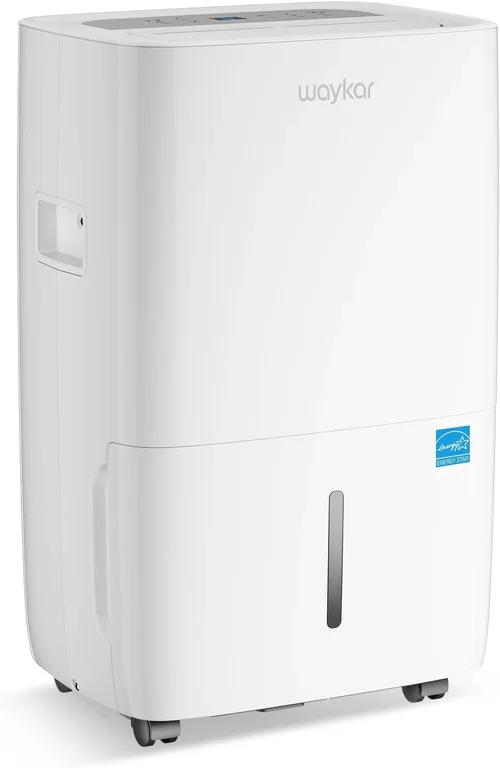
Dealing with excess moisture in your home isn’t just about comfort—it’s about protecting your health, your belongings, and the structural integrity of your house. Whether you’re battling musty odors in the basement, peeling paint on walls, or noticing condensation on windows, a dehumidifier can be a game-changer. But here’s the catch: even the most powerful dehumidifier won’t perform effectively if it’s placed in the wrong spot. Many homeowners invest in a quality unit only to see minimal improvement because they’ve overlooked one of the most critical factors—placement.
This comprehensive guide is designed to help you make informed decisions about where to place your dehumidifier for maximum efficiency and long-term results. Whether you’re a first-time buyer or upgrading from an older model, understanding optimal placement can mean the difference between a damp, uncomfortable space and a dry, healthy home. We’ll walk you through key factors to consider when choosing a dehumidifier, compare different types available on the market, highlight common mistakes to avoid, and provide expert-backed recommendations tailored to various needs and budgets.
The dehumidifier market has evolved significantly in recent years, offering a wide range of options from compact portable units to whole-house systems integrated with HVAC. With so many choices, it’s easy to feel overwhelmed. But by focusing on placement strategy alongside performance specs, energy efficiency, and smart features, you can ensure your investment delivers real value. This guide will equip you with the knowledge to not only select the right dehumidifier but also position it correctly—so you get the best possible return on your purchase.

What to Look for When Buying Buying Guide
1. Budget & Price Range
Your budget plays a pivotal role in determining which dehumidifier you can afford and where you can place it effectively. Entry-level models typically range from $100 to $200 and are ideal for small spaces like closets or single rooms. Mid-range units ($200–$400) offer better capacity, quieter operation, and more advanced controls, making them suitable for basements or larger living areas. Premium models ($400–$700) often include smart connectivity, auto-humidistats, and higher extraction rates, while luxury or whole-house systems can exceed $1,000 and require professional installation.
When setting your budget, consider not just the upfront cost but also long-term expenses such as energy consumption and maintenance. A cheaper unit may seem appealing initially, but if it consumes excessive electricity or requires frequent filter replacements, it could end up costing more over time. Additionally, placement flexibility often correlates with price—higher-end models tend to be quieter and more compact, allowing them to blend into living spaces without disrupting daily life.
2. Performance Specifications
Performance specs are the backbone of any dehumidifier’s effectiveness. The most important metric is pints per day (PPD), which indicates how much moisture the unit can remove in 24 hours under standard conditions (80°F and 60% relative humidity). For example, a 30-pint model is suitable for a 500–1,000 sq ft moderately damp space, while a 50-pint unit is better for large basements or flood-prone areas.
Other critical specs include coverage area (measured in square feet), airflow rate (CFM), and energy efficiency (Energy Factor or EF rating)
Placement directly affects performance. A high-capacity unit placed in a corner with poor airflow will underperform, while a smaller model centrally located in a well-ventilated room may outperform expectations. Always match your dehumidifier’s PPD rating to both the size and moisture level of the target area. Dehumidifiers are long-term investments, so build quality matters. Look for models with sturdy casings, corrosion-resistant coils (especially important in humid environments), and robust internal components. Units made with galvanized steel or powder-coated finishes tend to last longer than those with plastic-heavy construction. Internal parts like compressors, fans, and filters should be designed for continuous operation—cheaper models may overheat or fail prematurely under heavy use. Durability also influences placement options. For instance, a rugged, weather-resistant dehumidifier can be safely placed in a damp basement or garage, whereas a delicate unit might require a sheltered indoor location. Check for certifications like ETL, UL, or Energy Star, which indicate compliance with safety and performance standards. Another durability factor is ease of maintenance. Models with washable filters, removable water tanks, and accessible drainage ports simplify upkeep and extend the unit’s lifespan. If you’re placing the dehumidifier in a hard-to-reach spot (like under stairs or in a crawl space), ensure it has a continuous drainage option to avoid frequent manual emptying. Modern dehumidifiers come packed with features that enhance usability and efficiency. Key functionalities to consider include: These features not only improve performance but also expand placement possibilities. For example, a smart dehumidifier with remote sensors can be placed out of sight while still monitoring humidity levels across multiple zones. Similarly, a quiet unit with a sleek design can sit unobtrusively in a living area without being an eyesore or disturbance. Choosing a reputable brand ensures reliability, customer support, and access to replacement parts. Established manufacturers like Frigidaire, hOmeLabs, Midea, GE Appliances, and AprilAire have proven track records in producing durable, efficient dehumidifiers. These brands often invest in R&D, offer comprehensive warranties, and maintain strong service networks. Brand reputation also affects placement confidence. For instance, AprilAire specializes in whole-house systems that integrate seamlessly with HVAC, allowing centralized placement in utility rooms. Meanwhile, hOmeLabs focuses on portable units optimized for basements and large rooms, often including wheels and handles for easy relocation. When evaluating brands, read user reviews and check third-party ratings from sources like Consumer Reports or the ENERGY STAR database. Avoid lesser-known brands with vague specifications or limited customer service—these may leave you stranded if issues arise after purchase. A solid warranty reflects a manufacturer’s confidence in their product. Most reputable brands offer at least a one-year limited warranty, with premium models extending coverage to two or three years. Some even include compressor protection plans, which are crucial since compressors are among the most expensive components to replace. Warranty terms can influence placement decisions. For example, if a unit is installed in a basement prone to flooding, ensure the warranty covers water damage or corrosion. Similarly, if you’re placing the dehumidifier in a rental property or shared space, verify whether warranty claims require professional installation or registration. Customer support quality is equally important. Look for brands that provide responsive phone, email, or chat assistance, along with detailed user manuals and troubleshooting guides. Online communities and YouTube tutorials can also be valuable resources for DIY fixes and placement tips. The physical dimensions and weight of a dehumidifier determine where it can realistically be placed. Compact models (under 30 lbs) are ideal for small spaces like bathrooms, closets, or RVs, while larger units (50+ lbs) are better suited for basements or garages. Many mid-to-high-end models include caster wheels and top handles for easy movement. Portability also affects maintenance and cleaning. A heavy unit placed in a tight corner may become difficult to service, leading to neglected filters or blocked vents. Consider clearance requirements—most manufacturers recommend at least 6–12 inches of space around the unit for proper airflow. If you anticipate needing to move the dehumidifier between rooms (e.g., from basement to bedroom seasonally), prioritize lightweight designs with intuitive controls. Conversely, if the unit will remain stationary, focus on performance and durability over mobility. User feedback provides real-world insights that specs alone can’t capture. Pay attention to recurring themes in reviews: Does the unit struggle in cold temperatures? Is the water tank awkward to remove? Are noise levels higher than advertised? These details often reveal placement challenges not mentioned in marketing materials. Look for reviews that mention specific locations—basement, crawl space, laundry room—and note how well the dehumidifier performed in each. For example, a model praised for quiet operation in a bedroom may be less effective in a high-moisture basement due to lower PPD capacity. Use aggregate rating platforms like Amazon, Home Depot, or Best Buy, but also consult niche forums like Reddit’s r/HomeImprovement or HVAC Talk for deeper discussions. Verified purchase reviews and photos add credibility and help visualize how the unit fits into different spaces. Why it’s bad: Dehumidifiers rely on proper airflow to draw in moist air and expel dry air. When placed too close to walls or furniture, intake and exhaust vents become blocked, reducing efficiency by up to 40%. This forces the unit to work harder, increasing energy consumption and wear on components. What to do instead: Position the dehumidifier at least 6–12 inches away from walls, furniture, and curtains. Choose an open area with good air circulation, such as the center of a room or near a doorway that connects to other spaces. Why it’s bad: If the water tank fills up too quickly, the dehumidifier will shut off automatically, leaving moisture unchecked. In high-humidity areas like basements, a small tank may need emptying multiple times a day—a tedious and often forgotten task. What to do instead: Opt for a model with a large tank (2+ gallons) or, better yet, one with a continuous drainage hose connection. This allows uninterrupted operation and is essential for unattended placement in basements or crawl spaces. Why it’s bad: An undersized dehumidifier will run constantly without significantly reducing humidity, leading to high electricity bills and premature failure. It may also struggle to maintain target humidity levels during peak moisture events (e.g., after rain or laundry day). What to do instead: Calculate your room’s square footage and assess moisture severity (mild, moderate, severe). Use the manufacturer’s sizing chart to select a unit with adequate PPD capacity. When in doubt, go one size up. Why it’s bad: A noisy dehumidifier can disrupt sleep, concentration, or relaxation—especially if placed in bedrooms, home offices, or living rooms. Many budget models exceed 55 dB, comparable to a loud conversation. What to do instead: Check decibel ratings before buying. For quiet spaces, choose models rated below 50 dB. Desiccant dehumidifiers are generally quieter than refrigerant types, making them better for bedrooms. Why it’s bad: Some dehumidifiers lose efficiency in cold temperatures (below 60°F). If you plan to use it in an unheated basement during winter, a standard refrigerant model may ice up and stop working. What to do instead: Select a unit with auto-defrost functionality or consider a desiccant dehumidifier, which performs well in cold environments. Alternatively, install a whole-house system that operates year-round through your HVAC. Why it’s bad: Dirty filters, clogged coils, and stagnant water in the tank can breed mold and bacteria, turning your dehumidifier into a source of indoor air pollution. Poor maintenance also reduces efficiency and shortens lifespan. What to do instead: Clean the filter monthly, empty and sanitize the tank weekly, and inspect coils annually. If placed in a dusty area like a garage, increase cleaning frequency. Why it’s bad: A single dehumidifier cannot effectively manage humidity across an entire multi-level home, especially if there are sealed-off areas like attics or crawl spaces. Moisture migrates, so isolated treatment often fails. What to do instead: Use multiple units strategically—one per problem zone—or invest in a whole-house system. Monitor humidity with standalone hygrometers to identify hidden trouble spots. Determining how much to spend on a dehumidifier depends on your specific needs, but here’s a practical breakdown based on performance, features, and placement flexibility: A: The ideal location depends on your home’s layout and moisture sources. For most homes, the basement is the top priority due to ground-level dampness. Place the unit centrally, away from walls, and near the source of moisture (e.g., near a sump pump or exterior wall). In single-level homes, position it in the most humid room or a central hallway to allow airflow throughout the house. A: Yes, but only if the closet is consistently damp and has some ventilation. Use a mini or compact model with a small tank or drainage option. Avoid sealing the closet completely—leave the door slightly ajar or install a louvered door to allow air circulation. A: Not necessarily. Most units have built-in humidistats that turn the compressor on and off to maintain your set humidity level (usually 40–50%). Let it run continuously until the target is reached, then it will cycle as needed. In very humid climates, it may run frequently, but modern models are energy-efficient enough to handle this. A: Maintain at least 6–12 inches of clearance on all sides, especially around intake and exhaust vents. This ensures proper airflow and prevents the unit from overheating or losing efficiency. A: Yes. An oversized unit may cycle on and off too quickly, failing to run long enough to remove sufficient moisture. It can also over-dry the air, causing discomfort or static electricity. Match the PPD rating to your room size and moisture level. A: Standard refrigerant models struggle below 60°F and may ice up. Choose a unit with auto-defrost or a desiccant dehumidifier, which works efficiently in temperatures as low as 41°F. A: It depends on humidity levels and tank size. In high-moisture areas, check daily. For convenience, use a model with continuous drainage via a hose connected to a floor drain or sump pump. A: Yes, but ensure the unit has stable footing and isn’t blocking airflow underneath. Some models have rubber feet or stands to prevent carpet damage. Avoid placing it on wet or saturated carpet. A: Yes, by reducing humidity below 50%, it inhibits mold growth. However, it won’t remove existing mold—you’ll need to clean affected surfaces with appropriate solutions first. A: Monitor the built-in humidistat or use a separate hygrometer. You should see humidity levels drop within 24–48 hours. Also, check the water tank—if it’s collecting water regularly, the unit is functioning. Choosing the best location for your dehumidifier is just as important as selecting the right model. A well-placed unit can transform a damp, unhealthy space into a comfortable, mold-free environment—while a poorly positioned one may waste energy and deliver disappointing results. By considering factors like room size, moisture source, airflow, and unit features, you can optimize both performance and longevity. Remember, there’s no one-size-fits-all solution. Your home’s unique layout, climate, and humidity patterns should guide your decision. Use this guide to evaluate your needs, avoid common pitfalls, and invest wisely. Whether you’re tackling a musty basement, protecting valuable belongings, or improving indoor air quality for health reasons, the right dehumidifier—placed correctly—can make all the difference. Take action today: measure your space, assess your humidity levels, and choose a unit that matches your lifestyle and budget. With the insights from this guide, you’re equipped to make a confident, informed purchase that delivers lasting comfort and protection for your home.3. Build Quality & Durability
4. Features & Functionality
5. Brand Reputation
6. Warranty & Support
7. Size & Portability
8. User Reviews & Ratings
Different Types of Buying Guide
Common Buying Mistakes to Avoid
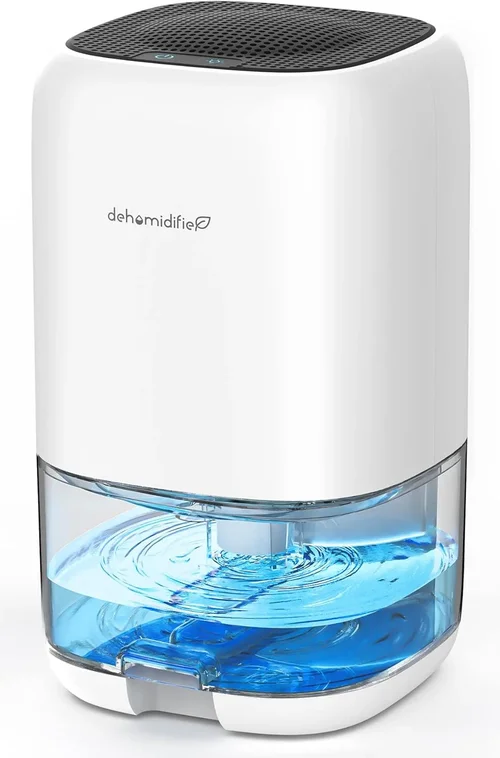
❌ Mistake: Placing the Dehumidifier in a Corner or Against a Wall
❌ Mistake: Ignoring the Water Tank Capacity
❌ Mistake: Buying a Unit Too Small for the Space
❌ Mistake: Overlooking Noise Levels
❌ Mistake: Not Considering Seasonal Use
❌ Mistake: Failing to Maintain the Unit
❌ Mistake: Assuming One Unit Solves Everything
Budget Guidelines: How Much Should You Spend?
Expert Tips for Getting the Best Deal
Frequently Asked Questions
Q: Where is the best place to put a dehumidifier in a house?
Q: Can I put a dehumidifier in a closet?
Q: Should a dehumidifier run all the time?
Q: How far should a dehumidifier be from the wall?
Q: Can a dehumidifier be too powerful for a room?
Q: Do dehumidifiers work in cold basements?
Q: How often should I empty the water tank?
Q: Can I place a dehumidifier on carpet?
Q: Will a dehumidifier help with mold?
Q: How do I know if my dehumidifier is working properly?
Our Final Recommendations
Conclusion: Making the Right Choice

