
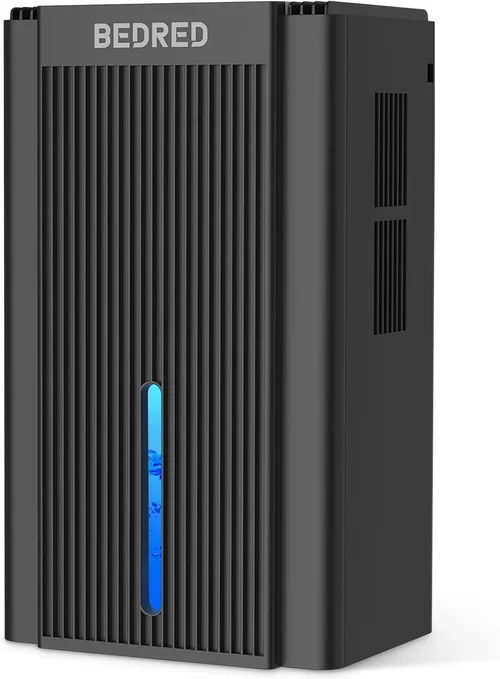
Dehumidifiers are one of those home appliances you don’t truly appreciate until you need one—and then, suddenly, they become essential. Whether you’re battling persistent dampness in your basement, trying to prevent mold growth in a humid climate, or simply aiming to improve indoor air quality for health reasons, choosing the right dehumidifier can make a dramatic difference in your comfort and well-being. But with so many models, brands, and features on the market, it’s easy to feel overwhelmed. That’s where this guide comes in.
In this comprehensive buying guide, we’ll walk you through everything you need to know to select the best dehumidifier for your specific needs. From understanding key performance metrics like pint capacity and energy efficiency to comparing different types of units and avoiding common purchasing pitfalls, we’ve got you covered. You’ll learn how to match your space size, humidity level, and budget to the ideal model—whether you’re looking for a compact unit for a closet or a heavy-duty machine for a sprawling basement. By the end, you’ll have the confidence to make an informed decision that delivers real results.
The dehumidifier market has evolved significantly over the past decade. Today’s models are smarter, quieter, more energy-efficient, and packed with features that were once considered luxury add-ons. From Wi-Fi connectivity and auto-humidistats to washable filters and frost sensors, modern dehumidifiers offer a level of convenience and control that makes managing indoor humidity easier than ever. Yet, despite these advancements, many buyers still end up with underpowered units, incompatible features, or poor long-term reliability simply because they didn’t know what to look for. Our goal is to change that—by equipping you with expert-level knowledge, real-world insights, and actionable advice so you can buy once, buy right, and enjoy years of reliable performance.

What to Look for When Buying Buying Guide
1. Room Size & Pint Capacity
One of the most critical factors when choosing a dehumidifier is matching the unit’s pint capacity to the size and moisture level of the space you intend to dehumidify. Pint capacity refers to how many pints of moisture the dehumidifier can remove from the air in 24 hours under standard testing conditions (typically 60% relative humidity at 80°F). For example, a 30-pint dehumidifier is generally suitable for a 500–1,000 square foot area with moderate humidity, while a 70-pint model may be necessary for a large, damp basement exceeding 2,000 square feet.
However, don’t rely solely on square footage. Consider the severity of your moisture problem. A small bathroom with constant steam from showers may require a higher-capacity unit than a larger but dry living room. Manufacturers often provide room size guidelines, but these are based on average conditions. If your space has poor ventilation, frequent water intrusion, or high ambient humidity (common in coastal regions), opt for a unit with a higher pint rating than the minimum suggested for your square footage. Oversizing slightly is better than undersizing—an underpowered dehumidifier will run constantly, wear out faster, and fail to control humidity effectively.
2. Energy Efficiency & Operating Costs
Dehumidifiers can consume a significant amount of electricity, especially if they run for extended periods. Look for models with the ENERGY STAR® certification, which indicates they meet strict energy efficiency guidelines set by the U.S. Environmental Protection Agency. ENERGY STAR-certified dehumidifiers use 15–30% less energy than standard models, translating to lower utility bills and reduced environmental impact.
Check the unit’s energy factor (EF), measured in liters of water removed per kilowatt-hour (L/kWh). A higher EF means greater efficiency. For instance, a dehumidifier with an EF of 1.5 is more efficient than one with an EF of 1.2. Also, consider the annual operating cost—many manufacturers provide estimates based on average usage. While a more efficient model may cost more upfront, the long-term savings can be substantial, especially in high-humidity environments where the unit runs frequently.
3. Humidity Control & Auto Features
Precise humidity control is essential for maintaining a healthy and comfortable indoor environment. The ideal indoor relative humidity level is between 30% and 50%. Too low, and you risk dry skin and respiratory irritation; too high, and you invite mold, dust mites, and musty odors.
Look for dehumidifiers with built-in humidistats that allow you to set your desired humidity level. Once reached, the unit will cycle on and off automatically to maintain that level—this not only improves comfort but also saves energy. Advanced models feature digital displays, programmable timers, and even smart sensors that adjust operation based on real-time humidity readings. Some high-end units also include frost sensors that prevent ice buildup on the coils in cooler environments, ensuring consistent performance even in unheated basements during winter.
4. Drainage Options & Water Tank Capacity
Dehumidifiers collect moisture in an internal water tank, which must be emptied periodically—unless you opt for continuous drainage. Tank capacity varies widely, from as little as 1.5 gallons on compact models to over 5 gallons on large-capacity units. If you plan to run the dehumidifier unattended (e.g., in a basement while you’re at work), choose a model with a large tank or, better yet, continuous drainage capability.
Continuous drainage allows you to connect a standard garden hose to the unit, directing water directly into a floor drain, sump pump, or outdoors. This eliminates the need for manual emptying and is ideal for 24/7 operation. Ensure the dehumidifier has a built-in pump or gravity drain option if your drain is below the unit level. Some models include an auto-shutoff feature when the tank is full, preventing overflow and water damage—a crucial safety feature for unattended use.
5. Noise Level & Placement Flexibility
Dehumidifiers use fans and compressors, which can generate noticeable noise—especially in quiet environments like bedrooms or home offices. Noise levels are measured in decibels (dB), with most residential units ranging from 45 dB to 60 dB. For context, 45 dB is similar to a quiet library, while 60 dB resembles normal conversation.
If you plan to place the dehumidifier in a living area or bedroom, prioritize models with lower noise ratings. Many manufacturers now offer “quiet” or “low-noise” modes that reduce fan speed at the cost of slightly slower dehumidification. Additionally, consider the unit’s physical dimensions and weight. A bulky, heavy dehumidifier may be difficult to move between rooms or store when not in use. Look for models with integrated handles, caster wheels, or compact designs if portability is a concern.
6. Build Quality & Durability
A dehumidifier is a long-term investment, so durability matters. Pay attention to the materials used in construction—metal housings and reinforced components typically last longer than plastic ones. Check the quality of the compressor, coils, and internal wiring. Units with sealed bearings and corrosion-resistant coatings are better suited for damp environments like basements or garages.
Also, consider the warranty length and coverage. A longer warranty (3–5 years) often reflects the manufacturer’s confidence in the product’s reliability. Avoid brands with vague or limited warranties, as repair costs can add up quickly if components fail prematurely. Reading user reviews can provide valuable insights into real-world durability—look for recurring complaints about leaks, compressor failures, or short lifespans.
7. Additional Features & Smart Capabilities
Modern dehumidifiers come with a range of features designed to enhance convenience, safety, and performance. Common extras include washable air filters (which reduce maintenance costs), automatic defrost (for cold environments), and filter change indicators. Some models offer multi-speed fan settings, allowing you to balance noise and performance.
For tech-savvy users, smart dehumidifiers with Wi-Fi connectivity are increasingly popular. These units can be controlled via smartphone apps, integrated with voice assistants like Alexa or Google Assistant, and programmed with custom schedules. They often provide real-time humidity monitoring, usage reports, and remote alerts when the tank is full. While these features add to the cost, they can significantly improve usability—especially in hard-to-reach locations or for users who want hands-off humidity management.
8. Brand Reputation & Customer Support
Not all dehumidifier brands are created equal. Established manufacturers like Frigidaire, Honeywell, GE, and hOmeLabs have a proven track record of reliability, performance, and customer service. Research brand reputation by reading professional reviews, checking ratings on trusted retail sites, and looking for consistent feedback across multiple platforms.
Equally important is the quality of customer support. A responsive support team can make a big difference if you encounter issues with setup, operation, or warranty claims. Check whether the brand offers phone, email, or live chat support, and whether replacement parts are readily available. Avoid obscure or no-name brands that may disappear shortly after purchase, leaving you stranded with a malfunctioning unit and no recourse.
Different Types of Buying Guide
Common Buying Mistakes to Avoid
❌ Mistake: Buying Based Solely on Price
Why it’s bad: Choosing the cheapest dehumidifier often leads to poor performance, higher energy bills, and frequent repairs. Low-cost models may lack essential features like humidistats, auto-shutoff, or durable components, resulting in frustration and wasted money.
What to do instead: Focus on value, not just price. Consider the total cost of ownership, including energy consumption, maintenance, and expected lifespan. A mid-range model with strong reviews and solid features often provides better long-term value than a bargain bin special.
❌ Mistake: Ignoring Room Conditions
Why it’s bad: A dehumidifier sized for a dry living room won’t handle a damp basement with water seepage. Overlooking factors like temperature, ventilation, and moisture sources leads to ineffective humidity control.
What to do instead: Assess your space thoroughly. Measure square footage, note any water intrusion, and consider ambient temperature. Use manufacturer sizing charts as a starting point, but adjust upward if conditions are severe.
❌ Mistake: Overlooking Drainage Needs
Why it’s bad: If you forget to empty the water tank regularly, the dehumidifier will shut off when full, leaving your space humid and potentially causing water damage if it overflows.
What to do instead: Choose a model with continuous drainage if you can’t monitor it daily. Even if you plan to empty the tank, a larger capacity reduces the frequency of maintenance.
❌ Mistake: Neglecting Noise Levels
Why it’s bad: A noisy dehumidifier can disrupt sleep, work, or relaxation, especially in open-plan homes or bedrooms. Many buyers only realize the noise issue after installation.
What to do instead: Check decibel ratings and look for “quiet” or “low-noise” modes. Read user reviews for real-world noise feedback—manufacturer specs can be optimistic.
❌ Mistake: Skipping the Warranty Check
Why it’s bad: Dehumidifiers have mechanical components that can fail. Without a solid warranty, repair costs can exceed the value of the unit.
What to do instead: Prioritize brands offering at least a 2-year warranty, with 3–5 years being ideal. Understand what’s covered (e.g., compressor, labor) and whether registration is required.
❌ Mistake: Not Testing Before Committing
Why it’s bad: Online descriptions and specs don’t always reflect real performance. A unit that looks great on paper may underperform in your specific environment.
What to do instead: Buy from retailers with generous return policies (30 days or more). Test the dehumidifier for at least a week to ensure it meets your needs before deciding to keep it.
❌ Mistake: Forgetting About Maintenance
Why it’s bad: Dirty filters and clogged coils reduce efficiency and can cause the unit to overheat or fail prematurely. Many users neglect routine cleaning.
What to do instead: Choose models with washable, easy-to-access filters. Set calendar reminders to clean the filter monthly and inspect coils annually.
Budget Guidelines: How Much Should You Spend?
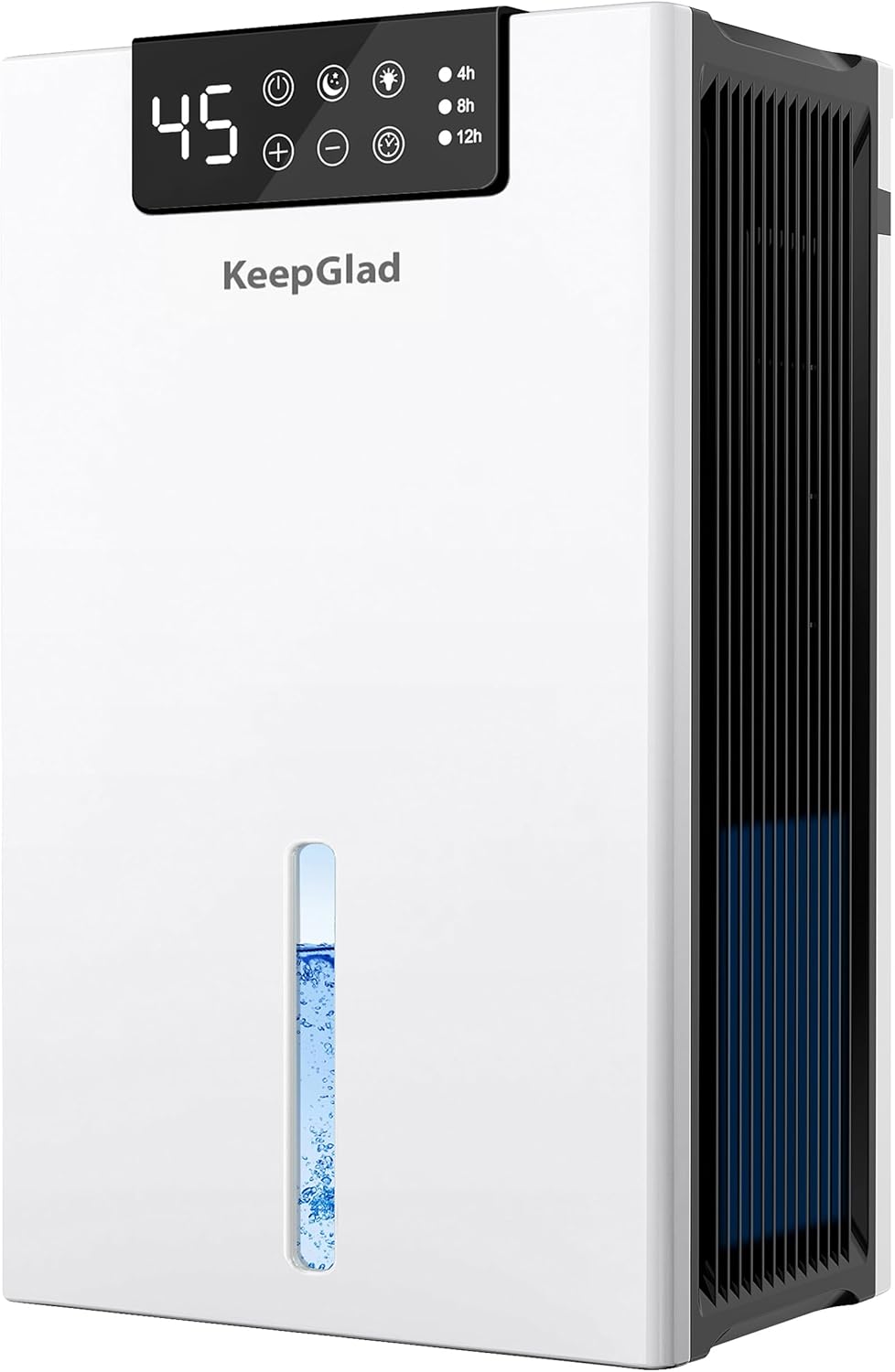
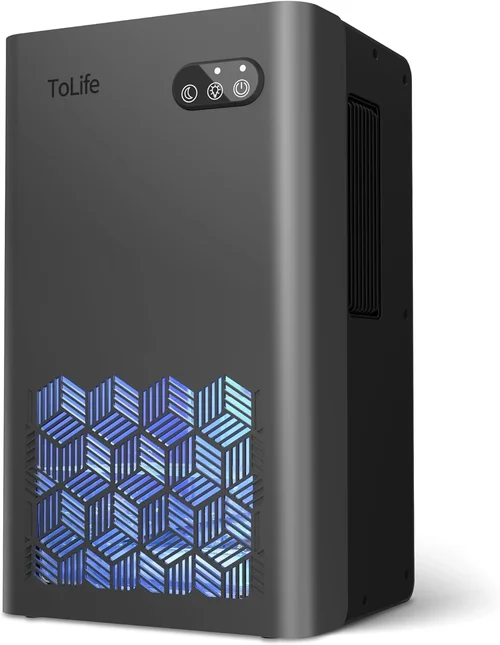
- Entry-Level ($50–$150): These are typically mini or compact desiccant dehumidifiers ideal for small spaces like closets, RVs, or bathrooms. They’re affordable and portable but lack advanced features, have small tanks, and may not handle significant moisture. Best for temporary or light-duty use.
- Mid-Range ($150–$350): This is the sweet spot for most homeowners. These compressor-based units offer 30–50 pint capacity, digital controls, auto-humidistats, and decent energy efficiency. Models from reputable brands like hOmeLabs, Tosot, or Ivation provide excellent value and reliability for basements, laundry rooms, or medium-sized living areas.
- Premium ($350–$700): Designed for demanding environments, these dehumidifiers feature high-capacity compressors (50–70+ pints), smart controls, Wi-Fi connectivity, and robust build quality. They’re ideal for large basements, crawl spaces, or humid climates. Look for ENERGY STAR certification and extended warranties.
- Luxury ($700+): Whole-house dehumidifiers and top-tier smart models fall into this category. They integrate with HVAC systems, offer precise humidity control across multiple zones, and include advanced diagnostics. These are best for large homes, allergy sufferers, or those seeking maximum automation and performance.
Expert Tips for Getting the Best Deal
- Buy During Off-Season: Dehumidifiers are in highest demand during summer. Shop in late fall or winter (October–February) for discounts, clearance sales, and better inventory selection.
- Compare Online and In-Store Prices: Use price comparison tools and check major retailers like Amazon, Home Depot, Lowe’s, and Costco. Online often offers better deals, but in-store pickup can save shipping costs.
- Look for Bundle Deals: Some retailers offer discounts when you buy a dehumidifier with an air purifier, humidifier, or HVAC service. These bundles can provide significant savings.
- Check for Rebates and Incentives: Utility companies and government programs sometimes offer rebates for ENERGY STAR-certified appliances. Visit the ENERGY STAR website to find current offers in your area.
- Read Return Policies Carefully: Ensure the retailer allows returns within at least 30 days, especially for large appliances. Some charge restocking fees, so confirm the terms before purchasing.
- Test Before Finalizing: Run the dehumidifier in your intended space for several days. Monitor noise, humidity levels, and ease of use. If it doesn’t meet expectations, return it while you still can.
- Register Your Product: Many manufacturers require registration to activate the full warranty. Do this immediately after purchase to protect your investment.
- Consider Certified Refurbished Models: Reputable sellers like Amazon Renewed or manufacturer-certified refurbished units offer significant savings with full warranties and quality assurance.
Frequently Asked Questions
Q: How do I know what size dehumidifier I need?
A: Start by measuring your room’s square footage. Then consider the moisture level: mild (damp smell), moderate (wet spots), or severe (standing water). Use manufacturer sizing charts as a guide, but increase capacity if your space is poorly ventilated, below grade, or in a high-humidity region.
Q: Can a dehumidifier help with allergies?
A: Yes. By reducing humidity below 50%, dehumidifiers inhibit the growth of mold, dust mites, and mildew—common allergens. Pair it with an air purifier for maximum relief.
Q: Should I run my dehumidifier continuously?
A: Not necessarily. Most units have auto modes that cycle on and off to maintain your set humidity level. Continuous operation is only needed in extremely damp conditions or if using continuous drainage.
Q: Can I use a dehumidifier in winter?
A: Yes, but compressor models may struggle below 60°F due to frost buildup. Desiccant dehumidifiers or models with auto-defrost are better for cold environments like unheated garages or basements.
Q: How often should I clean the filter?
A: Clean the air filter every 2–4 weeks during heavy use. A clogged filter reduces airflow and efficiency. Most filters are washable—rinse with water and let dry completely before reinstalling.
Q: Is it safe to leave a dehumidifier on overnight?
A: Yes, as long as it has safety features like auto-shutoff, tip-over protection, and a secure drainage setup. Choose a model with these protections for peace of mind.
Q: Do dehumidifiers cool the air?
A: Not significantly. They remove moisture, which can make the air feel cooler and more comfortable, but they don’t lower temperature like an air conditioner.
Q: Can I move my dehumidifier between rooms?
A: Yes, most portable models have handles and wheels. Allow the unit to sit upright for a few hours after moving to let refrigerant settle before restarting.
Q: What’s the difference between a dehumidifier and an air purifier?
A: A dehumidifier removes moisture from the air; an air purifier removes particles like dust, pollen, and smoke. They serve different purposes but can be used together for optimal indoor air quality.
Q: How long do dehumidifiers typically last?
A: With proper maintenance, most quality dehumidifiers last 5–10 years. Compressor lifespan is the main limiting factor—regular cleaning and avoiding extreme conditions can extend it.
Our Final Recommendations
- Best for Budget-Conscious Buyers: hOmeLabs 30 Pint Dehumidifier – Reliable performance, digital controls, and excellent value under $200. Ideal for small to medium rooms.
- Best Overall Value: Frigidaire FFAD7033R1 70 Pint – ENERGY STAR certified, large tank, continuous drainage, and strong user ratings. A top performer for basements and large spaces.
- Best Premium Option: AprilAire E080 Pro 80 Pint Whole-House Dehumidifier – Designed for HVAC integration, ultra-quiet, and built for durability. Perfect for large homes with central systems.
- Best for Beginners: Tosot 50 Pint Dehumidifier – Simple controls, effective performance, and easy maintenance. Great for first-time buyers.
- Best for Advanced Users: AlorAir Sentinel HDi90 Smart Dehumidifier – Wi-Fi enabled, app-controlled, with remote monitoring and alerts. Ideal for tech enthusiasts and remote property management.
Conclusion: Making the Right Choice
Choosing the right dehumidifier doesn’t have to be overwhelming. By focusing on your specific needs—room size, humidity level, budget, and desired features—you can narrow down the options and find a unit that delivers lasting comfort and protection. Remember, the best dehumidifier isn’t necessarily the most expensive or feature-packed; it’s the one that fits your lifestyle, performs reliably, and helps you maintain a healthy indoor environment.
Take the time to assess your space, read reviews, and compare models. Don’t rush the decision—this is an investment in your home’s air quality and your family’s well-being. Whether you’re tackling a damp basement, preventing mold in a humid climate, or simply improving comfort, the right dehumidifier can make all the difference. Use the insights from this guide to shop smarter, avoid common pitfalls, and choose a model you’ll be happy with for years to come.
Now that you’re equipped with expert knowledge, it’s time to take action. Measure your space, set your budget, and start comparing top-rated models. Your healthier, more comfortable home is just one purchase away.