
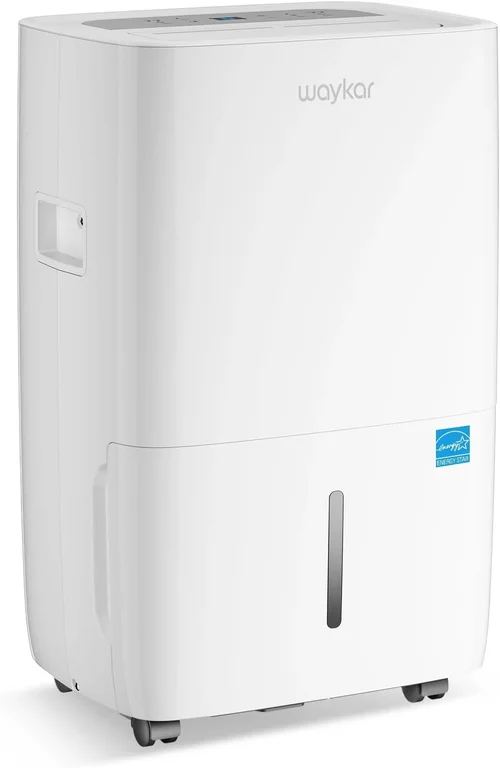
If you’ve ever walked into a basement that smells like damp socks, noticed mold creeping along bathroom corners, or felt that sticky, heavy air that makes every breath feel like a workout, you already know why dehumidifiers matter. These unassuming appliances play a crucial role in maintaining indoor air quality, protecting your home from structural damage, and even improving your health. But here’s the catch: a dehumidifier can only do its job effectively if it’s placed in the right spot. Put it in the wrong location, and you might as well be running a fan in a sauna—wasting energy, money, and time.
That’s exactly why this guide exists. Whether you’re dealing with chronic humidity in your crawl space, battling musty odors in your laundry room, or just trying to keep your entire home comfortable during muggy summer months, understanding dehumidifier placement is the key to unlocking its full potential. This isn’t just about plugging in a machine and hoping for the best. It’s about strategic positioning, airflow dynamics, and matching the unit to your specific environment. In this comprehensive guide, we’ll walk you through everything you need to know—from the science of moisture movement to real-world placement strategies—so you can make an informed decision that delivers real results.
The market today offers a dizzying array of dehumidifiers: compact units for small bathrooms, high-capacity models for sprawling basements, smart devices with Wi-Fi connectivity, and even whole-house systems integrated into HVAC setups. With so many options, it’s easy to get overwhelmed. But no matter which model you choose, one truth remains constant: placement determines performance. A $500 dehumidifier sitting in a poorly ventilated corner will underperform compared to a $200 unit placed thoughtfully in the heart of your moisture problem. Our goal here is to cut through the noise, eliminate guesswork, and give you the expert-level knowledge needed to place your dehumidifier where it can work hardest for you.

What to Look for When Buying Buying Guide
1. Budget & Price Range
Your budget is the foundation of any purchasing decision, and dehumidifiers are no exception. Prices can range from under $100 for basic 20-pint units to over $1,000 for industrial-grade or whole-home systems. But cheaper isn’t always worse—and expensive doesn’t automatically mean better. What matters most is aligning your spending with your actual needs. For example, if you only need to control humidity in a single bathroom or closet, a compact, low-cost model may suffice. However, if you’re tackling a full basement with persistent dampness, investing in a higher-capacity unit with robust build quality will save you money in the long run by preventing mold remediation or structural repairs.
When setting your budget, consider not just the upfront cost but also long-term expenses like energy consumption, filter replacements, and maintenance. Some premium models come with energy-efficient compressors and auto-defrost features that reduce electricity bills, especially in colder climates. Additionally, look for units with washable filters—these eliminate recurring costs and are better for the environment. A good rule of thumb: allocate at least $150–$250 for a reliable mid-sized dehumidifier suitable for most residential spaces. If you’re on a tight budget, prioritize core functionality (like continuous drainage and humidity sensing) over flashy extras.
2. Performance Specifications
Not all dehumidifiers are created equal—even if they claim similar pint capacities. The “pints per day” rating (e.g., 30-pint, 50-pint) indicates how much moisture the unit can remove in 24 hours under standard testing conditions (80°F and 60% relative humidity). But real-world performance often differs due to temperature, airflow, and room size. A 30-pint unit might struggle in a cold, damp basement where temperatures hover around 55°F, while a 50-pint model could be overkill for a small bedroom.
Beyond capacity, pay attention to the unit’s operating temperature range. Most consumer dehumidifiers work best between 65°F and 80°F. If your space is consistently cooler—like a garage or unheated crawl space—you’ll need a unit with low-temperature operation or a built-in defrost function. Also check the water tank size: larger tanks mean less frequent emptying, but they also take up more floor space. For convenience, look for models with continuous drainage options (via hose attachment) so you don’t have to manually empty the bucket every few hours.
3. Build Quality & Durability
A dehumidifier is a long-term investment, so skimping on build quality can lead to premature failure. Look for units with sturdy casings (preferably metal or high-grade plastic), sealed compressor compartments, and corrosion-resistant coils—especially if you’re placing the unit in a humid environment like a basement or laundry room. Internal components matter too: scroll compressors tend to be quieter and more durable than reciprocating ones, while copper coils resist rust better than aluminum.
Check user reviews for reports of leaks, noisy operation, or frequent breakdowns. A well-built dehumidifier should last 5–7 years with proper maintenance. Avoid ultra-cheap models that use flimsy parts or lack safety certifications (like UL or ETL listing). These may pose fire or electrical hazards, particularly if left running unattended. If you plan to place your dehumidifier in an out-of-the-way location (like under stairs or in a utility closet), durability becomes even more critical—you won’t want to haul it out every few months for repairs.
4. Features & Functionality
Modern dehumidifiers come packed with features that can significantly impact usability and efficiency. Start with humidity control: look for models with a built-in humidistat that lets you set your desired humidity level (ideally between 30% and 50%). Units with digital displays and precise settings (e.g., 1% increments) offer better control than analog dials. Auto-restart functionality is also valuable—it ensures the dehumidifier resumes operation after a power outage, which is crucial if you’re relying on it to prevent mold growth.
Other useful features include timer functions (so you can run it only during off-peak hours), washable air filters (for easy cleaning), and quiet operation (under 50 decibels for bedroom or living areas). Smart dehumidifiers with Wi-Fi connectivity allow remote monitoring via smartphone apps, which is handy if you travel frequently or want to check humidity levels from another room. However, don’t let gimmicks distract you from core performance. A simple, reliable unit with strong moisture removal is often better than a “smart” model that overheats or lacks proper drainage.
5. Brand Reputation
Not all brands are equal when it comes to reliability and customer service. Established names like Frigidaire, hOmeLabs, GE, and AprilAire have proven track records for producing durable, effective dehumidifiers. These companies typically offer better warranties, accessible customer support, and readily available replacement parts. Lesser-known or generic brands may offer tempting prices, but they often cut corners on quality control and post-purchase support.
Research brands by reading verified customer reviews on trusted platforms like Consumer Reports, Amazon, or Home Depot. Pay attention to comments about longevity, noise levels, and how quickly the company responds to issues. A reputable brand won’t just sell you a product—they’ll stand behind it. If you’re buying online, check whether the seller is authorized by the manufacturer; unauthorized resellers may void your warranty.
6. Warranty & Support
A solid warranty is a strong indicator of a manufacturer’s confidence in their product. Most reputable dehumidifiers come with at least a one-year limited warranty, but some premium models offer two or even three years. Look for coverage that includes both parts and labor, and clarify what’s excluded (e.g., filters, normal wear and tear). Extended warranties are rarely worth the cost unless you’re buying a very expensive unit.
Equally important is customer support accessibility. Can you easily reach a human being by phone? Is there a live chat option? Are troubleshooting guides available online? Poor support can turn a minor issue into a major headache—especially if your dehumidifier fails during peak humidity season. Before purchasing, visit the brand’s website and test their support channels. If they’re unresponsive or hard to find, consider it a red flag.
7. Size & Portability
Dehumidifiers vary widely in physical dimensions and weight. A compact 20-pint unit might weigh 30 pounds and fit under a sink, while a 70-pint basement model can exceed 60 pounds and require two people to move. Consider where you’ll place the unit and whether you’ll need to relocate it frequently. Units with built-in handles and caster wheels are much easier to maneuver, especially on carpet or uneven floors.
Also think about clearance requirements. Most dehumidifiers need at least 6–12 inches of space around all sides for proper airflow. Placing it too close to walls, furniture, or curtains can restrict intake and exhaust, reducing efficiency and potentially causing overheating. Measure your intended location carefully and compare it to the manufacturer’s specifications. If space is tight, look for slim-profile designs or consider wall-mounted or ceiling-mounted options for whole-home systems.
8. User Reviews & Ratings
Never rely solely on manufacturer claims. Real-world user experiences provide invaluable insights into how a dehumidifier performs under actual conditions. Look for patterns in reviews: if multiple users report the same issue (e.g., “stops working below 60°F” or “bucket overflows constantly”), it’s likely a genuine flaw. Conversely, consistent praise for quiet operation or effective moisture removal is a good sign.
Focus on reviews from people with similar needs—someone using a dehumidifier in a Florida basement will have different expectations than someone in a dry Arizona garage. Use filters on retail sites to sort by “most helpful” or “verified purchase.” And don’t dismiss negative reviews outright—they often contain useful tips (e.g., “works great once I added a drain hose”) that can help you avoid pitfalls.
Different Types of Buying Guide

Common Buying Mistakes to Avoid
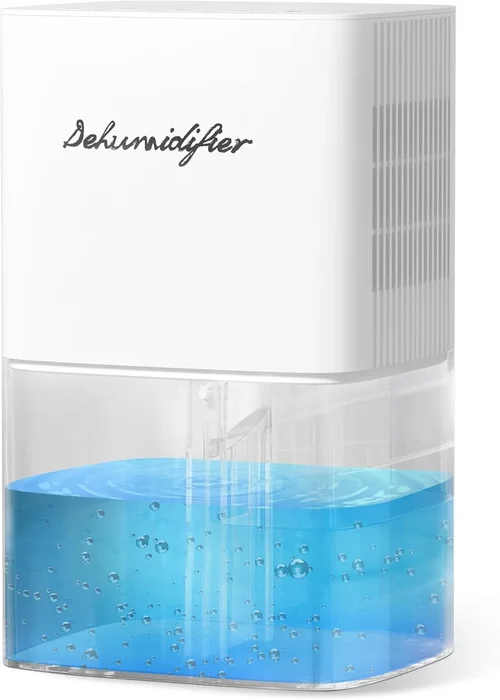
❌ Mistake: Placing the Dehumidifier in a Corner or Against a Wall
Why it’s bad: Dehumidifiers rely on airflow to draw in moist air and expel dry air. Blocking the intake or exhaust vents—even partially—reduces efficiency by up to 50%. In corners or tight spaces, air circulation stagnates, causing the unit to work harder, consume more energy, and potentially overheat.
What to do instead: Always leave at least 6–12 inches of clearance on all sides. Position the unit in an open area where air can flow freely. If space is limited, consider mounting it on a small platform or using a stand to elevate it slightly, improving bottom intake.
❌ Mistake: Ignoring Drainage Options
Why it’s bad: Many users buy dehumidifiers without considering how they’ll handle the collected water. Relying solely on the internal bucket means constant monitoring and emptying—especially in high-humidity environments. Forgetting to empty it can lead to overflow, water damage, and automatic shutoff, defeating the purpose.
What to do instead: Choose a model with a built-in pump or continuous drainage hose outlet. Run a hose to a floor drain, utility sink, or even outside (with proper slope and insulation in cold climates). This allows uninterrupted operation and eliminates manual maintenance.
❌ Mistake: Buying Based Solely on Pint Capacity
Why it’s bad: A 50-pint dehumidifier sounds impressive, but if your room only generates 20 pints of moisture per day, you’re overspending and possibly introducing excess dryness. Conversely, a 20-pint unit in a flooded basement will run nonstop and burn out quickly.
What to do instead: Assess your space’s actual moisture level using a hygrometer. Match the unit’s capacity to your needs: 20–30 pints for mild dampness, 30–50 pints for moderate humidity, and 50+ pints for severe or large spaces. When in doubt, opt for a slightly larger capacity—but not excessively so.
❌ Mistake: Overlooking Noise Levels
Why it’s bad: Dehumidifiers can be noisy, especially compressor-based models. Placing a loud unit in a bedroom, home office, or nursery can disrupt sleep, concentration, or relaxation. Noise isn’t just annoying—it can make you less likely to run the unit consistently.
What to do instead: Check the decibel (dB) rating before buying. Look for units under 50 dB for quiet spaces. Desiccant dehumidifiers are typically quieter than compressor types. If noise is a concern, place the unit in a separate room with the door closed, or use it only during daytime hours.
❌ Mistake: Not Considering Temperature Requirements
Why it’s bad: Most standard dehumidifiers stop working efficiently below 65°F. In cold basements, garages, or crawl spaces, the coils can freeze, causing the unit to shut down or sustain damage. This leaves your space vulnerable to mold and mildew during winter months.
What to do instead: Choose a low-temperature dehumidifier with auto-defrost or a desiccant model designed for cold environments. These units continue removing moisture even at 40°F or lower, ensuring year-round protection.
❌ Mistake: Forgetting About Airflow Obstructions
Why it’s bad: Furniture, curtains, boxes, or laundry piles near the dehumidifier can block airflow, reducing its effectiveness. Even a closed door can limit air exchange, especially in smaller rooms.
What to do instead: Clear the area around the unit and keep doors open between rooms if possible. Use fans to circulate air toward the dehumidifier, helping it capture moisture more efficiently. In multi-room setups, consider a whole-house system or multiple smaller units.
❌ Mistake: Neglecting Regular Maintenance
Why it’s bad: Dust buildup on filters, clogged coils, or stagnant water in the tank can breed bacteria, reduce performance, and shorten the unit’s lifespan. A neglected dehumidifier may even start emitting musty odors instead of eliminating them.
What to do instead: Clean the air filter monthly, wipe down the water tank weekly, and inspect coils annually. Follow the manufacturer’s maintenance schedule and use vinegar or mild disinfectant for deep cleaning. Proper care ensures optimal performance and hygiene.
Budget Guidelines: How Much Should You Spend?
Entry-Level ($80 – $150): These compact units are ideal for small spaces like bathrooms, closets, or RVs. Expect basic functionality—manual humidity control, small water tanks, and limited capacity (15–25 pints). Build quality may be lower, and warranties are typically short (6–12 months). Best for occasional use or mild humidity issues.
Mid-Range ($150 – $350): This is the sweet spot for most homeowners. These dehumidifiers offer 30–50 pint capacity, digital controls, continuous drainage options, and better energy efficiency. Brands like hOmeLabs, Frigidaire, and GE dominate this tier with reliable performance and 1–2 year warranties. Perfect for basements, laundry rooms, and medium-sized living areas.
Premium ($350 – $700): Designed for demanding environments, these units feature high-capacity compressors, advanced humidity sensors, low-noise operation, and robust construction. Many include smart features like Wi-Fi connectivity, auto-restart, and washable filters. Ideal for large basements, humid climates, or users who want “set it and forget it” reliability.
Luxury ($700+): Whole-house dehumidifiers and commercial-grade models fall into this category. They integrate with HVAC systems, offer extreme moisture removal (70+ pints), and include professional installation. While expensive, they provide consistent, whole-home humidity control and are worth the investment for severe moisture problems or luxury homes.
Expert Tips for Getting the Best Deal
- Buy during off-seasons: Prices drop significantly in winter (January–March) when demand is low. Retailers often discount summer appliances to clear inventory.
- Shop at authorized dealers: Avoid third-party sellers on marketplaces unless verified. Authorized retailers honor warranties and offer better return policies.
- Look for bundle deals: Some brands offer discounts when you buy a dehumidifier with an air purifier or humidifier. Check manufacturer websites for promotions.
- Check for rebates: Energy Star-certified models may qualify for local utility rebates or tax credits, especially in humid regions.
- Read the fine print on returns: Ensure the retailer allows returns within 30 days, even if the box is opened. Some exclude “used” appliances.
- Test before committing: If buying in-store, ask to see a demo unit. Listen for noise, check the display, and verify hose connections.
- Consider refurbished models: Certified refurbished units from reputable brands often come with full warranties and cost 20–40% less than new.
- Join loyalty programs: Stores like Home Depot, Lowe’s, and Costco offer member discounts and early access to sales.

Frequently Asked Questions
Q: Can I run a dehumidifier 24/7?
A: Yes, most modern dehumidifiers are designed for continuous operation. However, it’s wise to use a humidistat to maintain optimal humidity (30–50%) rather than running it nonstop. This saves energy and prevents over-drying, which can cause static electricity or dry skin.
Q: Should I close doors and windows when using a dehumidifier?
A: It depends. For targeted drying (e.g., a damp basement), close interior doors to isolate the space. But if you’re addressing whole-house humidity, keep interior doors open to allow air circulation. Never seal the room completely—some fresh air exchange is healthy.
Q: How often should I empty the water tank?
A: It varies by humidity level and tank size. In high-moisture areas, you may need to empty it daily. Use continuous drainage if possible. Most units have auto-shutoff when the tank is full, but manual checks prevent overflow.
Q: Will a dehumidifier help with mold?
A: Yes, but only if used preventively. A dehumidifier reduces moisture that mold needs to grow. However, it won’t remove existing mold—you’ll need professional cleaning first. Maintain humidity below 50% to inhibit future growth.
Q: Can I place a dehumidifier on carpet?
A: Yes, but use a stand or platform to elevate it slightly. This improves bottom airflow and prevents carpet fibers from clogging the intake. Avoid placing it directly on wet or damp carpet.
Q: Do dehumidifiers use a lot of electricity?
A: They consume moderate energy—typically 300–800 watts. Energy Star models are 15–20% more efficient. Running one 8 hours a day may add $10–$20 to your monthly bill, depending on local rates.
Q: What’s the difference between compressor and desiccant dehumidifiers?
A: Compressor models use refrigerant to cool coils and condense moisture—they’re efficient in warm, humid air but struggle in cold temps. Desiccant units use a moisture-absorbing material and work well in cold or dry conditions, though they’re usually more expensive to operate.
Q: Can I use a dehumidifier in winter?
A: Only if it’s rated for low temperatures. Standard units may freeze below 65°F. Choose a cold-weather or desiccant model for winter use in unheated spaces.
Q: How do I know if my dehumidifier is working?
A: Check the humidity level with a hygrometer. You should see a gradual drop over 24–48 hours. Also, feel the air—it should feel less sticky. If the tank fills regularly, it’s actively removing moisture.
Q: Is it safe to leave a dehumidifier on when I’m not home?
A: Yes, as long as it has safety features like auto-shutoff, tip-over protection, and a secure drainage setup. Avoid placing it near flammable materials or in areas prone to flooding.
Our Final Recommendations
Best for Budget-Conscious Buyers: hOmeLabs 30 Pint Dehumidifier – Reliable performance, continuous drainage option, and quiet operation under $200. Ideal for small to medium rooms.
Best Overall Value: Frigidaire FFAD7033R1 70 Pint – High capacity, Energy Star certified, and excellent basement performance. Priced around $350, it balances power, efficiency, and durability.
Best Premium Option: AprilAire E080 Pro – Whole-house capability, integrates with HVAC, and offers precise humidity control. Worth the $1,200+ investment for serious moisture issues.
Best for Beginners: GE APER50LZ 50 Pint – Simple controls, large tank, and reliable brand support. Great for first-time users needing basement or laundry room coverage.
Best for Advanced Users: AlorAir Sentinel HDi90 – Industrial-grade build, auto-defrost, and pump-assisted drainage. Perfect for contractors or homeowners with extreme humidity challenges.
Conclusion: Making the Right Choice
Choosing and placing a dehumidifier isn’t just about buying an appliance—it’s about solving a problem. Whether you’re fighting mold, protecting belongings, or simply seeking comfort, the right placement can mean the difference between success and frustration. Remember: position matters as much as performance. Keep it away from walls, ensure proper drainage, match capacity to need, and maintain it regularly.
Don’t let marketing hype or impulse buys dictate your decision. Take time to assess your space, understand your humidity levels, and prioritize features that align with your lifestyle. A well-placed dehumidifier doesn’t just remove moisture—it improves air quality, safeguards your home, and enhances your well-being.
Now that you’re armed with expert knowledge, it’s time to act. Measure your space, check your budget, and choose a unit that fits your needs. And when you do, place it wisely. Your future self—and your home—will thank you.