
If you’ve ever noticed musty odors in your basement, peeling paint on your walls, or condensation fogging up your windows, you’re likely dealing with excess moisture in your home. While it’s easy to overlook, high indoor humidity isn’t just uncomfortable—it can lead to serious problems like mold growth, structural damage, and even health issues such as allergies and respiratory irritation. That’s where a high-quality dehumidifier comes in. These appliances work quietly behind the scenes to maintain optimal humidity levels, typically between 30% and 50%, creating a healthier, more comfortable living environment.
Choosing the right dehumidifier for your home can feel overwhelming. With dozens of models on the market—ranging from compact units for small bathrooms to heavy-duty machines capable of handling entire basements—it’s essential to understand what makes one model better than another. This guide is designed to cut through the noise and help you make an informed decision based on your specific needs, budget, and living space. Whether you’re dealing with a damp crawl space, a humid laundry room, or year-round moisture in a coastal climate, we’ll walk you through everything you need to know.
From performance specs and energy efficiency to noise levels and smart features, we’ve tested and researched the top-rated dehumidifiers available today. Our goal isn’t just to recommend products—it’s to empower you with the knowledge to choose the best unit for your home. We’ll cover key buying factors, compare different types of dehumidifiers, highlight common pitfalls, and share expert tips to ensure you get the most value for your investment. By the end of this guide, you’ll be equipped to confidently select a dehumidifier that delivers reliable performance, durability, and peace of mind.
What to Look for When Buying Buying Guide
1. Budget & Price Range
Your budget is often the first filter when shopping for a dehumidifier, but it shouldn’t be the only one. Prices can range from under $100 for basic models to over $600 for commercial-grade units. While it’s tempting to go for the cheapest option, keep in mind that lower-priced models often lack durability, advanced features, and long-term reliability. A $150 dehumidifier might seem like a bargain, but if it breaks down after two years or fails to effectively control humidity in larger spaces, you’ll end up spending more in the long run.
Instead, think of your purchase as an investment in your home’s air quality and structural integrity. Mid-range models ($200–$400) typically offer the best balance of performance, build quality, and features for most households. These units often include auto-humidistats, continuous drainage options, and energy-efficient operation. Premium models ($400+) are ideal for large homes, basements, or areas with persistent moisture issues. They usually come with enhanced filtration, quieter operation, and smart connectivity.
2. Performance Specifications
Performance is arguably the most critical factor when choosing a dehumidifier. The key spec to look for is the pint capacity, which indicates how much moisture the unit can remove in 24 hours under standard conditions (typically 60% relative humidity at 80°F). For example, a 30-pint dehumidifier is suitable for small to medium rooms (up to 1,500 sq. ft.), while a 50-pint model is better for larger spaces like basements or open-concept homes.
However, don’t rely solely on pint ratings. Manufacturers often test under ideal lab conditions, which may not reflect real-world performance. Pay attention to the AHAM (Association of Home Appliance Manufacturers) rating, which provides standardized testing results. Also, consider the unit’s coverage area—some 50-pint models are only effective in spaces up to 2,000 sq. ft., while others can handle 3,000+ sq. ft. depending on insulation and climate.
Another performance metric is the dew point temperature. Units with lower dew points (e.g., -10°F) can operate effectively in colder environments like garages or unheated basements, where standard models might ice up and shut down.
3. Build Quality & Durability
A dehumidifier is a long-term appliance, so build quality matters. Look for models with sturdy casings, usually made from high-impact plastic or metal components. Internal components like compressors, coils, and fans should be well-sealed to prevent dust and moisture damage. Units with corrosion-resistant coatings on the evaporator and condenser coils are especially important if you live in a humid or coastal area.
Check the quality of the water tank. A larger, easy-to-remove tank with a carry handle and spill-resistant design makes emptying less of a chore. Some premium models feature splash guards and automatic shut-off when the tank is full, preventing overflows. Also, consider the filter—washable or reusable filters are more cost-effective and eco-friendly than disposable ones.
Durability also extends to the warranty. A longer warranty period (3–5 years) often reflects the manufacturer’s confidence in the product. Avoid brands that offer only a one-year warranty unless they have a strong reputation for reliability.
4. Features & Functionality
Modern dehumidifiers come with a range of features that enhance convenience, efficiency, and control. One of the most useful is the built-in humidistat, which allows you to set your desired humidity level (e.g., 45%) and automatically adjusts operation to maintain it. This prevents over-drying, which can make indoor air uncomfortably dry.
Continuous drainage is another must-have for many users. Instead of manually emptying a water tank every day, you can connect a hose to the unit and direct water to a floor drain, sump pump, or outdoors. This is especially helpful in basements or during rainy seasons when the unit runs frequently.
Other valuable features include programmable timers, auto-restart after power outages, and multiple fan speeds. Some high-end models offer Wi-Fi connectivity, allowing you to monitor and control humidity levels via a smartphone app. This is particularly useful if you travel frequently or want to check conditions in a second home.
Noise level is also important, especially if the dehumidifier will be used in living areas or bedrooms. Look for models rated at 50 decibels (dB) or lower—comparable to a quiet conversation. Units with insulated compressor compartments or variable-speed fans tend to be quieter.
5. Brand Reputation
Brand reputation can be a strong indicator of reliability and customer satisfaction. Established brands like Frigidaire, GE, hOmeLabs, and Keystone have been in the market for years and often invest heavily in research, quality control, and customer support. These companies typically offer better warranties, more accessible replacement parts, and responsive service teams.
That said, newer or lesser-known brands aren’t automatically inferior. Some emerging companies focus on innovation and value, offering feature-rich models at competitive prices. The key is to research customer reviews, third-party testing results, and return rates. Look for patterns in feedback—consistent complaints about leaks, noise, or short lifespans are red flags, while praise for durability and performance is a good sign.
Also, consider where the unit is manufactured. While “Made in the USA” isn’t a guarantee of quality, it often correlates with stricter manufacturing standards and easier access to support. Many reputable brands assemble their products in the U.S. or partner with trusted overseas manufacturers.
6. Warranty & Support
A solid warranty is your safety net if something goes wrong. Most dehumidifiers come with a one-year limited warranty, but premium models often include extended coverage—up to five years—on the compressor and sealed system. This is crucial because the compressor is the most expensive component to repair or replace.
Read the fine print carefully. Some warranties only cover parts, not labor, and may require you to ship the unit at your own expense. Others include in-home service or free replacement units. Brands with strong customer support typically offer 24/7 phone lines, live chat, and comprehensive online resources like troubleshooting guides and video tutorials.
If you’re buying online, check the retailer’s return policy. A 30-day return window with free return shipping gives you time to test the unit and ensure it meets your expectations. Avoid retailers with restocking fees or short return periods.
7. Size & Portability
Dehumidifiers come in various sizes, from compact 20-pint units that fit under a sink to large 70-pint models that resemble mini refrigerators. Consider both the physical dimensions and weight—especially if you plan to move the unit between rooms or store it during off-seasons.
Look for models with built-in handles and caster wheels for easy mobility. A unit that weighs over 40 pounds without wheels can be difficult to maneuver, particularly on stairs. Some models are designed with a low center of gravity to prevent tipping.
Also, think about placement. Will it sit in a corner, under a workbench, or in a closet? Measure the space beforehand and check the unit’s clearance requirements—most need at least 6–12 inches of airflow around the vents to operate efficiently.
8. User Reviews & Ratings
User reviews provide real-world insights that specs and marketing materials can’t match. Platforms like Amazon, Home Depot, and Consumer Reports aggregate thousands of customer experiences, highlighting common strengths and weaknesses. Pay attention to recurring themes: if multiple users mention a unit is noisy, leaks, or stops working after a few months, it’s worth investigating further.
Look for verified purchase reviews and detailed feedback that includes usage scenarios (e.g., “used in a 1,200 sq. ft. basement in Florida”). These are more reliable than vague comments like “great product.” Also, check the product’s overall rating—aim for 4 stars or higher, but don’t dismiss a 3.8-star model if the negative reviews are about minor issues like packaging.
Be cautious of fake reviews. Overly positive language, repetitive phrasing, or reviews posted in clusters can indicate manipulation. Stick to trusted retailers and third-party review sites for the most accurate picture.
Different Types of Buying Guide
Common Buying Mistakes to Avoid
❌ Mistake: Buying Based Solely on Pint Capacity
Why it’s bad: A higher pint rating doesn’t always mean better performance. Some manufacturers inflate numbers by testing under unrealistic conditions. A 70-pint unit might only remove 40 pints in a real basement due to lower temperatures or poor airflow.
What to do instead: Match the pint capacity to your room size and humidity level. Use the AHAM rating as a benchmark and consider your climate. For most homes, a 30–50-pint model is sufficient.
❌ Mistake: Ignoring Energy Efficiency
Why it’s bad: Dehumidifiers run for hours each day, and inefficient models can significantly increase your electricity bill. A unit that uses 500 watts versus 300 watts can cost $50–$100 more per year to operate.
What to do instead: Look for ENERGY STAR certification and check the Energy Factor (liters of water removed per kilowatt-hour). Higher values mean better efficiency.
❌ Mistake: Overlooking Drainage Options
Why it’s bad: If you don’t have a nearby drain, you’ll need to empty the tank daily—especially during humid months. This becomes a hassle and increases the risk of spills or mold if forgotten.
What to do instead: Choose a model with a built-in pump or continuous drainage port. Even if you don’t use it now, it’s a valuable feature for future flexibility.
❌ Mistake: Choosing the Wrong Size for the Space
Why it’s bad: A unit too small for the area will run constantly, wear out faster, and fail to control humidity. One too large may cycle on and off too frequently, reducing efficiency and lifespan.
What to do instead: Measure your space and consult sizing charts. Add 10–20% capacity if the area is poorly insulated or prone to leaks.
❌ Mistake: Skipping the Humidistat
Why it’s bad: Without a humidistat, you can’t set precise humidity levels. The unit may over-dry the air, leading to dry skin, static electricity, or damage to wood furniture.
What to do instead: Always choose a model with a built-in humidistat or one that’s compatible with external hygrometers.
❌ Mistake: Neglecting Maintenance
Why it’s bad: Dirty filters and clogged coils reduce efficiency and can cause the unit to overheat or shut down. Mold can also grow inside the tank if not cleaned regularly.
What to do instead: Clean the filter monthly, empty and sanitize the tank weekly, and inspect coils annually. Follow the manufacturer’s maintenance schedule.
❌ Mistake: Buying Without Reading Reviews
Why it’s bad: Marketing claims can be misleading. A unit advertised as “whisper quiet” might still be too loud for a bedroom.
What to do instead: Read at least 20–30 verified user reviews. Focus on feedback about noise, reliability, and real-world performance.
Budget Guidelines: How Much Should You Spend?
- Entry-Level ($80–$150): These are basic compressor or desiccant models ideal for small spaces like closets or bathrooms. Expect limited features, smaller tanks, and shorter lifespans. Best for occasional use or mild humidity issues.
- Mid-Range ($150–$350): The sweet spot for most homeowners. These units offer reliable performance, larger tanks, auto-humidistats, and continuous drainage. Look for ENERGY STAR models in this range for the best value.
- Premium ($350–$600): Designed for large basements, whole-house use, or high-humidity climates. Features include Wi-Fi connectivity, advanced filtration, low-noise operation, and extended warranties. Ideal for serious moisture problems.
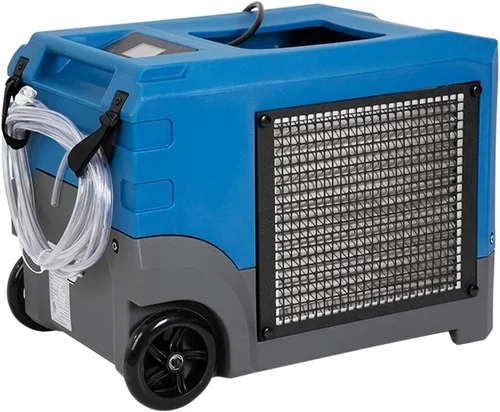
- Luxury ($600+): Whole-house systems or industrial-grade units with HVAC integration, remote sensors, and professional installation. Best for large estates, rental properties, or commercial applications.
Expert Tips for Getting the Best Deal
- Buy in the off-season: Dehumidifiers are in highest demand during spring and summer. Shop in fall or winter for discounts of 20–30%.
- Check retailer promotions: Home Depot, Lowe’s, and Amazon often run sales during holidays like Memorial Day, Black Friday, and Prime Day.
- Compare prices across platforms: Use price-tracking tools like Honey or CamelCamelCamel to monitor fluctuations and set alerts.
- Consider refurbished models: Certified refurbished units from reputable brands come with warranties and can save you 30–50%.
- Read the return policy: Ensure you can return the unit within 30 days if it doesn’t meet expectations.
- Test before committing: Run the dehumidifier for a week and monitor humidity levels with a separate hygrometer to verify performance.
- Bundle with other appliances: Some retailers offer discounts when you buy a dehumidifier with an air purifier or humidifier.
- Look for rebates: Utility companies sometimes offer rebates for ENERGY STAR appliances—check your local provider.

Frequently Asked Questions
Q: How do I know if I need a dehumidifier?
A: Signs include musty odors, visible mold, condensation on windows, peeling wallpaper, or a sticky feeling in the air. Use a hygrometer to measure humidity—if it’s consistently above 50%, a dehumidifier is recommended.
Q: Can a dehumidifier help with allergies?
A: Yes. By reducing moisture, dehumidifiers inhibit mold, dust mites, and mildew—common allergens. Pair with an air purifier for best results.
Q: How often should I empty the water tank?
A: It depends on humidity levels and tank size. Most 10–12 pint tanks need emptying daily during peak season. Models with continuous drainage eliminate this task.
Q: Can I run a dehumidifier all the time?
A: Yes, especially if humidity is high. Modern units are designed for continuous operation and will cycle on/off based on the humidistat setting.
Q: Do dehumidifiers use a lot of electricity?
A: It varies. A 50-pint ENERGY STAR model uses about 500 watts and costs roughly $15–$25 per month to run 12 hours a day. Use a smart plug to monitor usage.
Q: Can I use a dehumidifier in winter?
A: Only if the room stays above 60°F. Most compressor models shut down below 65°F to prevent icing. Desiccant models work better in cold spaces.
Q: Should I buy a dehumidifier with a built-in pump?
A: If you plan to use continuous drainage in a basement without a floor drain, a pump allows you to push water upward to a sink or window. It’s a worthwhile upgrade for convenience.
Q: How long do dehumidifiers last?
A: With proper maintenance, most last 5–10 years. Compressor units tend to have longer lifespans than desiccant models.
Q: Can I move my dehumidifier between rooms?
A: Yes, but avoid moving it immediately after use. Let it sit for 30 minutes to allow refrigerant to settle, especially in cold weather.
Q: Are smart dehumidifiers worth the extra cost?
A: If you value remote monitoring, alerts, and integration with smart home systems, yes. For basic use, a standard model with a humidistat is sufficient.
Our Final Recommendations
- Best for Budget-Conscious Buyers: hOmeLabs 30 Pint Dehumidifier – Reliable performance, compact design, and excellent value under $200. Ideal for small to medium rooms.
- Best Overall Value: Frigidaire FFAD7033R1 70 Pint – High capacity, ENERGY STAR certified, and includes a built-in pump. Perfect for large basements.
- Best Premium Option: GE APER50LZ 50 Pint Smart Dehumidifier – Wi-Fi enabled, quiet operation, and precise humidity control. Great for tech-savvy homeowners.
- Best for Beginners: Keystone 50 Pint Dehumidifier – Simple controls, auto-defrost, and continuous drainage. Easy to set up and maintain.
- Best for Advanced Users: AprilAire E080 Pro 70 Pint Whole-House Dehumidifier – Designed for HVAC integration, professional-grade performance, and long-term durability.
Conclusion: Making the Right Choice
Choosing the best dehumidifier for your home doesn’t have to be complicated. By focusing on your specific needs—room size, humidity level, budget, and desired features—you can narrow down the options and find a unit that delivers lasting value. Remember, the goal isn’t just to remove moisture, but to create a healthier, more comfortable living environment for you and your family.
Prioritize performance, energy efficiency, and build quality over flashy features or low price tags. Read reviews, compare models, and don’t hesitate to invest a little more for a unit that will last. With the right dehumidifier, you’ll notice fewer odors, less mold, and improved air quality within days.
Take the time to assess your home’s unique challenges, and use this guide as your roadmap. Whether you’re tackling a damp basement or simply want to breathe easier, the right dehumidifier is out there—waiting to make a real difference. Start your search today, and enjoy the peace of mind that comes with a dry, comfortable home.