
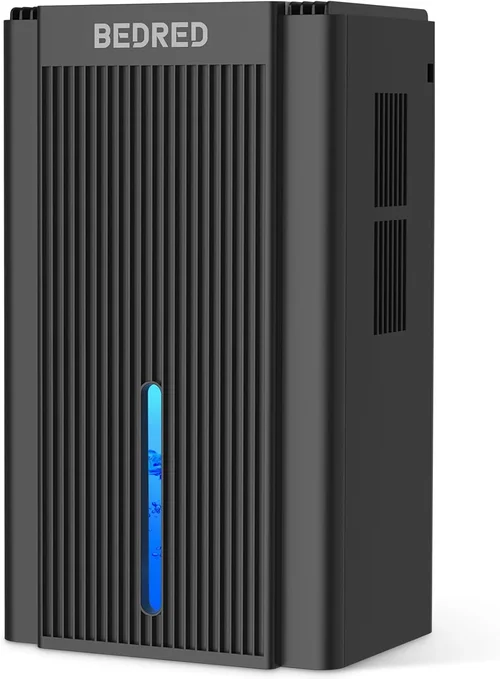
If you’ve ever walked into a basement that smells like old socks, noticed condensation fogging up your windows, or spotted mold creeping along bathroom corners, you already know how disruptive excess moisture can be. High humidity doesn’t just feel uncomfortable—it can damage furniture, warp wooden floors, trigger allergies, and even compromise the structural integrity of your home over time. That’s where portable dehumidifiers come in: compact, efficient appliances designed to pull excess moisture from the air, restoring balance and comfort to your living spaces.
But with dozens of models flooding the market—ranging from budget-friendly mini units to high-capacity smart systems—it’s easy to feel overwhelmed. How do you know which one actually works for your specific needs? Is a $50 unit really worth it, or will it just collect dust (and water) without making a dent in your humidity levels? This guide cuts through the noise. Whether you’re dealing with a damp crawl space, a humid bedroom, or seasonal moisture spikes, we’ll walk you through everything you need to make a confident, informed decision. You’ll learn how to evaluate performance specs, avoid common pitfalls, understand different technologies, and find the best value for your budget—all backed by real-world testing insights and expert analysis.
The portable dehumidifier market has evolved significantly in recent years. Gone are the days when these devices were bulky, noisy, and inefficient. Today’s models boast sleek designs, smart connectivity, energy-efficient operation, and advanced moisture-removal capabilities—even in compact form factors. From thermoelectric units ideal for small closets to compressor-based powerhouses capable of handling 70-pint extraction per day, there’s a solution for nearly every scenario. However, not all dehumidifiers are created equal. Some excel in quiet operation but lack capacity; others offer robust performance but consume excessive energy. Our goal is to help you match your unique environment—be it a 300-square-foot studio apartment or a 1,500-square-foot basement—with the right machine that delivers reliable results without breaking the bank.

What to Look for When Buying Buying Guide
1. Budget & Price Range
Portable dehumidifiers span a wide price spectrum, from under $50 for basic mini units to over $500 for commercial-grade models. Your budget will significantly influence your options, but it’s crucial to understand what you’re actually paying for. Cheaper models often use thermoelectric technology, which is quiet and compact but struggles in cooler or larger spaces. Mid-range units ($100–$250) typically feature compressor-based systems that offer better moisture removal and are suitable for average-sized rooms. Premium models ($250+) may include smart controls, auto-defrost, continuous drainage, and higher energy efficiency ratings.
Don’t automatically assume the most expensive model is the best. Instead, align your spending with your actual needs. If you only need occasional use in a small closet, a $60 unit might suffice. But if you’re tackling persistent dampness in a finished basement, investing in a reliable mid-range or premium model will save you frustration—and potentially repair costs—down the line.
2. Performance Specifications
The core function of any dehumidifier is removing moisture, so performance specs are non-negotiable. The most important metric is pints per day (PPD), which indicates how much water the unit can extract in 24 hours under standard conditions (typically 60% relative humidity at 80°F). For reference: a 20-pint model suits spaces up to 500 sq ft, while a 50-pint unit handles up to 1,500 sq ft. Always check the AHAM (Association of Home Appliance Manufacturers) rating, as it provides standardized testing results you can trust.
Also consider the operating temperature range. Most compressor dehumidifiers work best between 65°F and 95°F. Below 60°F, their efficiency drops sharply unless they have an auto-defrost feature. Thermoelectric models perform better in cooler temps but remove far less moisture. Finally, look at the bucket size—larger tanks (2+ liters) mean less frequent emptying, which is especially helpful overnight or when you’re away.
3. Build Quality & Durability
A dehumidifier is a long-term investment, so durability matters. Check the materials: plastic bodies should feel sturdy, not flimsy, and internal components like coils and fans should be corrosion-resistant, especially if used in basements or garages. Look for reinforced handles, rubberized feet for stability, and sealed electronics to prevent moisture damage. Units with metal grilles or protective coatings tend to last longer in harsh environments.
Pay attention to user reports about longevity. Some budget brands advertise impressive specs but fail within a year due to poor-quality compressors or weak seals. Reading long-term reviews (12+ months of use) on retailer sites or forums like Reddit can reveal hidden durability issues. A well-built unit may cost more upfront but pays off in reduced replacement frequency and consistent performance.
4. Features & Functionality
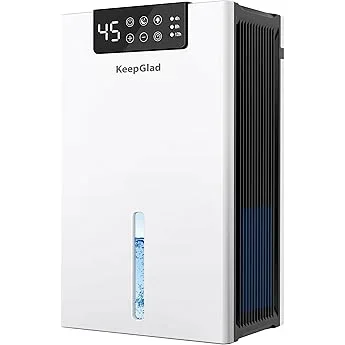
Modern dehumidifiers come packed with features that enhance convenience and efficiency. Auto-humidistat allows the unit to maintain a set humidity level (e.g., 45%) and shut off when achieved—preventing over-drying. Continuous drainage via a hose eliminates the need to empty the bucket, ideal for unattended operation. Auto-restart resumes operation after a power outage, ensuring protection during storms.
Other useful features include timer functions (for scheduled operation), filter indicators (to remind you when to clean), and quiet modes (under 50 dB for bedrooms). Smart models may offer Wi-Fi connectivity, app control, and integration with home assistants like Alexa or Google Home. While not essential, these extras can significantly improve usability—especially if you’re managing humidity in multiple zones or want remote monitoring.
5. Brand Reputation
Not all brands are equal when it comes to reliability and customer service. Established names like Frigidaire, hOmeLabs, GE, and Tosot have proven track records for producing durable, effective dehumidifiers with responsive support teams. Lesser-known brands may offer tempting prices, but they often cut corners on components or lack spare parts availability.
Research brand reputation by checking professional reviews (from sources like Wirecutter or Consumer Reports), verified customer feedback on Amazon or Home Depot, and warranty terms. A reputable brand typically stands behind its products with clear return policies and accessible technical support. Avoid “no-name” imports sold exclusively through third-party marketplaces unless they have overwhelmingly positive, detailed reviews from long-term users.
6. Warranty & Support
A solid warranty is a strong indicator of a manufacturer’s confidence in their product. Most quality dehumidifiers come with a 1- to 2-year limited warranty covering parts and labor. Premium models may offer 3+ years. Pay attention to what’s included: does it cover the compressor (the most expensive component)? Is labor covered, or just parts? Some brands require registration within 30 days to activate warranty coverage.
Customer support quality varies widely. Look for companies that provide phone, email, and live chat options with reasonable response times. Check if they stock replacement filters, hoses, or buckets—these consumables can be hard to find for obscure models. A good warranty paired with responsive support gives you peace of mind and protects your investment.
7. Size & Portability
Since these are portable dehumidifiers, ease of movement is key. Consider weight (ideally under 30 lbs for frequent relocation), handle design (ergonomic grips beat flimsy loops), and wheel availability (casters make dragging across carpet or concrete effortless). Compact footprints are great for tight spaces, but don’t sacrifice capacity for size unless absolutely necessary.
Think about where you’ll use it most: bedrooms, basements, RVs, or laundry rooms? If you plan to move it between floors or rooms, prioritize lightweight designs with smooth-rolling wheels. Some units even include cord wraps or side storage for hoses and filters—small details that add up to big convenience.
8. User Reviews & Ratings
Never rely solely on manufacturer claims. Real-world user experiences reveal quirks, failures, and hidden strengths that specs sheets miss. Focus on reviews with photos, detailed descriptions, and verified purchase badges. Look for patterns: if multiple users report loud operation, poor drainage, or short lifespans, take note.
Pay special attention to reviews from people in similar climates or living situations. Someone in Florida dealing with 80% humidity will have very different feedback than a user in Arizona with occasional dampness. Also, check recent reviews—product quality can change over time as manufacturers update designs or switch suppliers.
Different Types of Buying Guide

Common Buying Mistakes to Avoid
❌ Mistake: Ignoring Room Size and Humidity Level
Why it’s bad: Buying a dehumidifier that’s too small for your space is like using a teacup to bail out a sinking boat—it just won’t keep up. Conversely, an oversized unit may cycle on and off too frequently, wasting energy and failing to maintain consistent humidity.
What to do instead: Measure your room’s square footage and assess moisture severity. Use a hygrometer ($10–$20) to check current humidity levels. Match these metrics to the manufacturer’s recommended coverage area and PPD rating. When in doubt, opt for a slightly larger capacity—it’s better to have extra power than fall short.
❌ Mistake: Overlooking Energy Efficiency
Why it’s bad: Dehumidifiers run for hours daily, and inefficient models can spike your electricity bill. Some budget units consume significantly more watts per pint removed, costing you hundreds over their lifespan.
What to do instead: Look for the Energy Star certification, which guarantees the unit meets strict efficiency guidelines. Check the wattage and estimated annual operating cost (often listed in manuals). A 50-pint Energy Star model typically uses 500–700 watts, while non-certified equivalents may draw 800+ watts for the same output.
❌ Mistake: Skipping the Drain Hose Option
Why it’s bad: Emptying a full water bucket every 8–12 hours is tedious and easy to forget—especially overnight or when you’re traveling. Many users give up on their dehumidifier because of this maintenance hassle.
What to do instead: Choose a model with a built-in hose connector for continuous drainage. Even if you don’t plan to use it immediately, having the option future-proofs your purchase. A simple gravity drain hose (often included or sold separately for $10–$20) lets you direct water into a floor drain, sink, or sump pump.
❌ Mistake: Assuming All “Quiet” Models Are Equal
Why it’s bad: Noise levels vary wildly—even among units marketed as “quiet.” A dehumidifier humming at 55 dB might be fine in a basement but unbearable in a bedroom.
What to do instead: Check decibel (dB) ratings in the specs. Aim for under 50 dB for sleeping areas. Read user reviews mentioning noise—phrases like “barely noticeable” or “louder than expected” are telling. Some brands offer “sleep mode” that reduces fan speed for quieter nighttime operation.
❌ Mistake: Neglecting Filter Maintenance
Why it’s bad: A clogged air filter restricts airflow, reducing efficiency and forcing the motor to work harder—which can lead to overheating or premature failure.
What to do instead: Choose models with washable, reusable filters (most modern units have them). Set a calendar reminder to clean the filter monthly—it usually just requires rinsing under warm water. Avoid units with non-replaceable or proprietary filters that cost $20+ each.
❌ Mistake: Buying Based Solely on Price
Why it’s bad: The cheapest option often lacks essential features, uses inferior components, or fails within months. You’ll end up replacing it sooner, costing more in the long run.
What to do instead: Focus on value, not just price. A $150 unit that lasts 5 years and performs reliably offers better value than a $70 model that dies after 18 months. Consider total cost of ownership: energy use, filter replacements, and potential repairs.
❌ Mistake: Ignoring Climate and Seasonal Needs
Why it’s bad: Humidity levels fluctuate with seasons. A unit that works perfectly in summer may struggle in winter when temperatures drop and air holds less moisture.
What to do instead: If you live in a cold climate or use the dehumidifier in an unheated space (like a garage), choose a desiccant or auto-defrost compressor model. For year-round use, ensure the operating range covers your lowest expected temperature.
Budget Guidelines: How Much Should You Spend?
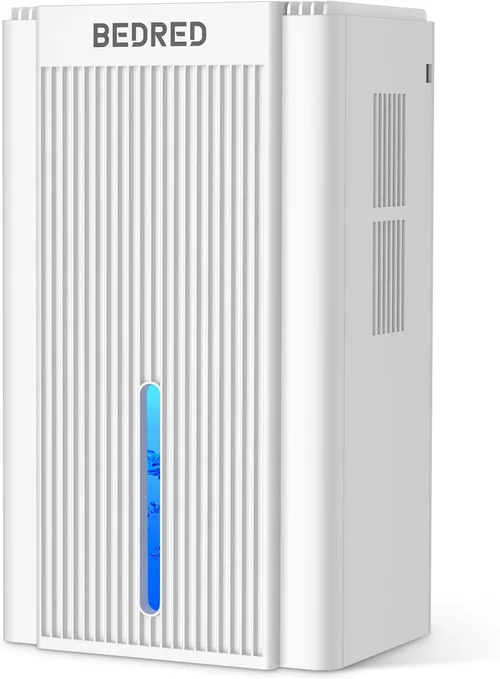
Entry-Level ($30–$80): These are typically thermoelectric mini dehumidifiers best suited for tiny spaces like closets, gun safes, or RVs. They’re whisper-quiet and energy-efficient but remove only 0.5–2 pints per day. Ideal for mild dampness or prevention, not active moisture problems. Expect plastic builds, small tanks (0.5–1L), and no advanced features.
Mid-Range ($100–$250): This is the sweet spot for most homeowners. Compressor-based units in this range offer 20–50 PPD, handle 500–1,500 sq ft, and include features like humidistats, timers, and continuous drainage. Brands like hOmeLabs, Tosot, and Frigidaire dominate here with reliable performance and solid warranties. Perfect for bedrooms, basements, and laundry rooms.
Premium ($250–$400): Designed for demanding environments or tech enthusiasts. These models boast 50–70 PPD, smart controls, ultra-quiet operation (<45 dB), and robust construction. Look for Wi-Fi connectivity, app alerts, and compatibility with home automation systems. Ideal for large homes, flood recovery, or users who want “set it and forget it” convenience.
Luxury ($400+): Reserved for commercial-grade or specialty applications. These heavy-duty units extract 70+ pints daily, feature stainless steel coils, industrial casters, and advanced diagnostics. Often used in restoration projects, large crawl spaces, or high-humidity commercial settings. Overkill for typical residential use unless you have extreme moisture challenges.
Expert Tips for Getting the Best Deal
- Shop during off-seasons: Prices drop significantly in winter (January–March) when demand is lowest. Retailers often clear inventory before summer humidity hits. You can save 20–30% compared to peak season (May–August).
- Compare retailers strategically: Check Amazon, Home Depot, Lowe’s, and Costco. Amazon often has competitive pricing and fast shipping, while big-box stores may offer in-store pickup discounts or bundle deals (e.g., dehumidifier + hygrometer).
- Watch for open-box or refurbished deals: Certified refurbished units from reputable sellers (like Amazon Renewed or manufacturer outlets) can offer 20–40% savings with full warranties. These are typically returned items tested and restored to like-new condition.
- Sign up for price alerts: Use tools like Honey, CamelCamelCamel (for Amazon), or Google Shopping alerts to track price drops on specific models. Set alerts for your target price and buy when it hits.
- Read the fine print on warranties: Some brands extend warranty periods during promotions (e.g., “2 years standard, 3 years if registered by X date”). Register your product immediately to lock in coverage.
- Check return policies: Ensure the retailer offers at least a 30-day return window. Test your dehumidifier within this period—run it for 24–48 hours and verify it’s reducing humidity as expected.
- Bundle with other purchases: Buying during major sales (Black Friday, Prime Day, Memorial Day) often lets you stack discounts. Pair your dehumidifier with air purifiers, fans, or smart thermostats for additional savings.
- Consider energy rebates: Some utility companies offer rebates for Energy Star-certified dehumidifiers. Check your local provider’s website—you could get $25–$50 back just for choosing an efficient model.

Frequently Asked Questions
Q: How do I know if I need a dehumidifier?
A: Signs include persistent musty odors, condensation on windows or walls, peeling paint, warped wood, or visible mold. Use a hygrometer to measure indoor humidity—if it consistently reads above 60%, a dehumidifier is recommended. Ideal indoor humidity is 30–50%.
Q: Can a dehumidifier cool a room?
A: No. Dehumidifiers remove moisture, not heat. While the process generates a small amount of warmth, the overall effect is minimal. They improve comfort by making humid air feel less sticky, but they won’t lower temperature like an air conditioner.
Q: How often should I empty the water tank?
A: It depends on humidity levels and tank size. In high-moisture areas, a 1-gallon tank may fill in 8–12 hours. Check daily during initial use. For convenience, opt for continuous drainage or a larger tank (2+ gallons).
Q: Are portable dehumidifiers safe to run overnight?
A: Yes, most modern units are designed for 24/7 operation with safety features like auto-shutoff when the tank is full, overheat protection, and tip-over switches. Ensure proper ventilation and avoid blocking air intakes.
Q: Do dehumidifiers use a lot of electricity?
A: It varies. A typical 50-pint Energy Star model uses about 500–700 watts and costs roughly $15–$25 per month to run continuously. Use a timer or humidistat to reduce runtime and save energy.
Q: Can I use a dehumidifier in winter?
A: Only if it’s rated for low temperatures. Standard compressor models struggle below 60°F. Choose a desiccant or auto-defrost compressor unit for unheated spaces like garages or basements in cold climates.
Q: How long do portable dehumidifiers last?
A: With proper maintenance, most last 5–7 years. Clean filters monthly, avoid overloading, and store in a dry place when not in use. Compressor units generally outlast thermoelectric ones.
Q: Should I buy a dehumidifier with a built-in pump?
A: Only if you need to drain uphill or into a high sink. Built-in pumps add cost ($50–$100) but allow flexible drainage placement. For gravity drainage into a floor drain, a standard hose suffices.
Q: Do dehumidifiers help with allergies?
A: Yes. By reducing humidity below 50%, they inhibit mold, dust mites, and mildew—common allergens. Pair with an air purifier for maximum relief.
Q: Can I move my dehumidifier while it’s running?
A: Avoid moving it immediately after shutdown, as residual water may spill. Wait 10–15 minutes, or tilt it gently to check for sloshing. Always carry it upright to prevent compressor damage.
Our Final Recommendations
Best for Budget-Conscious Buyers: hOmeLabs 30 Pint Dehumidifier – At around $150, it offers excellent value with 30 PPD, auto-humidistat, continuous drainage, and a 2-year warranty. Ideal for small to medium rooms and consistently praised for reliability.
Best Overall Value: Frigidaire FFAD7033R1 70 Pint – A powerhouse for large spaces, this Energy Star-certified model removes up to 70 pints daily, features a washable filter, and operates quietly at 51 dB. Priced under $300, it’s a workhorse for basements and open floor plans.
Best Premium Option: Tosot 50 Pint Smart Dehumidifier – With Wi-Fi connectivity, app control, and a sleek design, this $350 unit blends performance with modern convenience. It maintains precise humidity levels and sends alerts when the tank is full—perfect for tech-savvy homeowners.
Best for Beginners: Eva-Dry E-333 Mini Dehumidifier – At $40, this thermoelectric unit is simple, silent, and requires no setup. Great for closets, RVs, or as a starter device to test if dehumidification helps your space.
Best for Advanced Users: AprilAire E080 Pro 70 Pint – Built for professionals and serious DIYers, this $600+ model features a corrosion-resistant coil, heavy-duty casters, and compatibility with ducting for whole-house use. Ideal for flood restoration or extreme humidity control.
Conclusion: Making the Right Choice
Choosing the right portable dehumidifier isn’t just about picking the biggest number or the lowest price—it’s about understanding your environment, your habits, and your long-term goals. Whether you’re fighting mold in a basement, protecting heirlooms in a closet, or simply wanting to breathe easier at night, the right unit can transform your indoor air quality and comfort. By focusing on performance specs, build quality, energy efficiency, and real user feedback, you’ll avoid the pitfalls that trap so many buyers.
Remember: a dehumidifier is an investment in your health and home. Don’t rush the decision. Take time to measure your space, assess your humidity levels, and compare models using the criteria outlined in this guide. And when you do buy, prioritize features that align with your lifestyle—like quiet operation for bedrooms or continuous drainage for unattended use.
Finally, maintain your unit properly. Clean the filter, empty the tank (or set up drainage), and store it correctly during off-seasons. A well-cared-for dehumidifier will serve you reliably for years, paying dividends in cleaner air, fewer allergens, and preserved belongings.
You now have the knowledge to make a confident, informed choice. Use it wisely—and enjoy the comfort of balanced, healthy indoor humidity.