
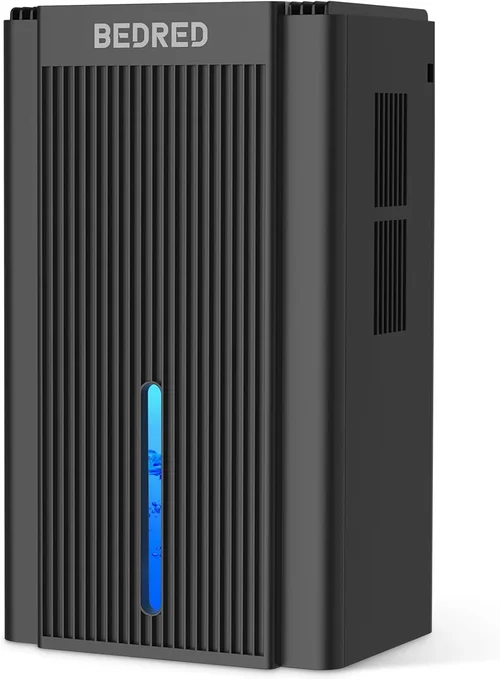
Dealing with excess moisture in your home isn’t just about comfort—it’s about health, safety, and protecting your investment. Whether you’re battling musty odors in the basement, noticing condensation on windows, or seeing early signs of mold growth, a high-quality dehumidifier can make a dramatic difference. But with dozens of models flooding the market—each boasting different capacities, features, and price points—it’s easy to feel overwhelmed. That’s exactly why this comprehensive buying guide exists: to cut through the noise and help you choose the best-rated dehumidifier for your specific needs.
In this expert-level guide, you’ll learn everything you need to know before making a purchase. We’ll walk you through the critical factors that separate an average unit from a top performer, compare different types of dehumidifiers, highlight common pitfalls to avoid, and provide actionable tips to get the most value for your money. You’ll also find real-world budget breakdowns, frequently asked questions answered by HVAC and indoor air quality professionals, and our carefully curated final recommendations based on performance, reliability, and user feedback. By the end, you’ll have the confidence to select a dehumidifier that delivers lasting results—not just marketing hype.
The home dehumidifier market has evolved significantly over the past decade. Once considered niche appliances reserved for damp climates or flood-prone areas, they’re now mainstream solutions for improving indoor air quality, preventing structural damage, and even enhancing HVAC efficiency. Today’s models range from compact, energy-efficient units perfect for small bedrooms to heavy-duty commercial-grade machines capable of handling large basements or crawl spaces. Brands like Frigidaire, hOmeLabs, GE, Midea, and Tosot dominate consumer reviews, but newer entrants are pushing innovation with smart connectivity, ultra-quiet operation, and eco-friendly refrigerants. With so many options, understanding what truly matters—and what’s just fluff—is essential to making a smart, long-term investment.

What to Look for When Buying Buying Guide
1. Capacity (Pint Rating)
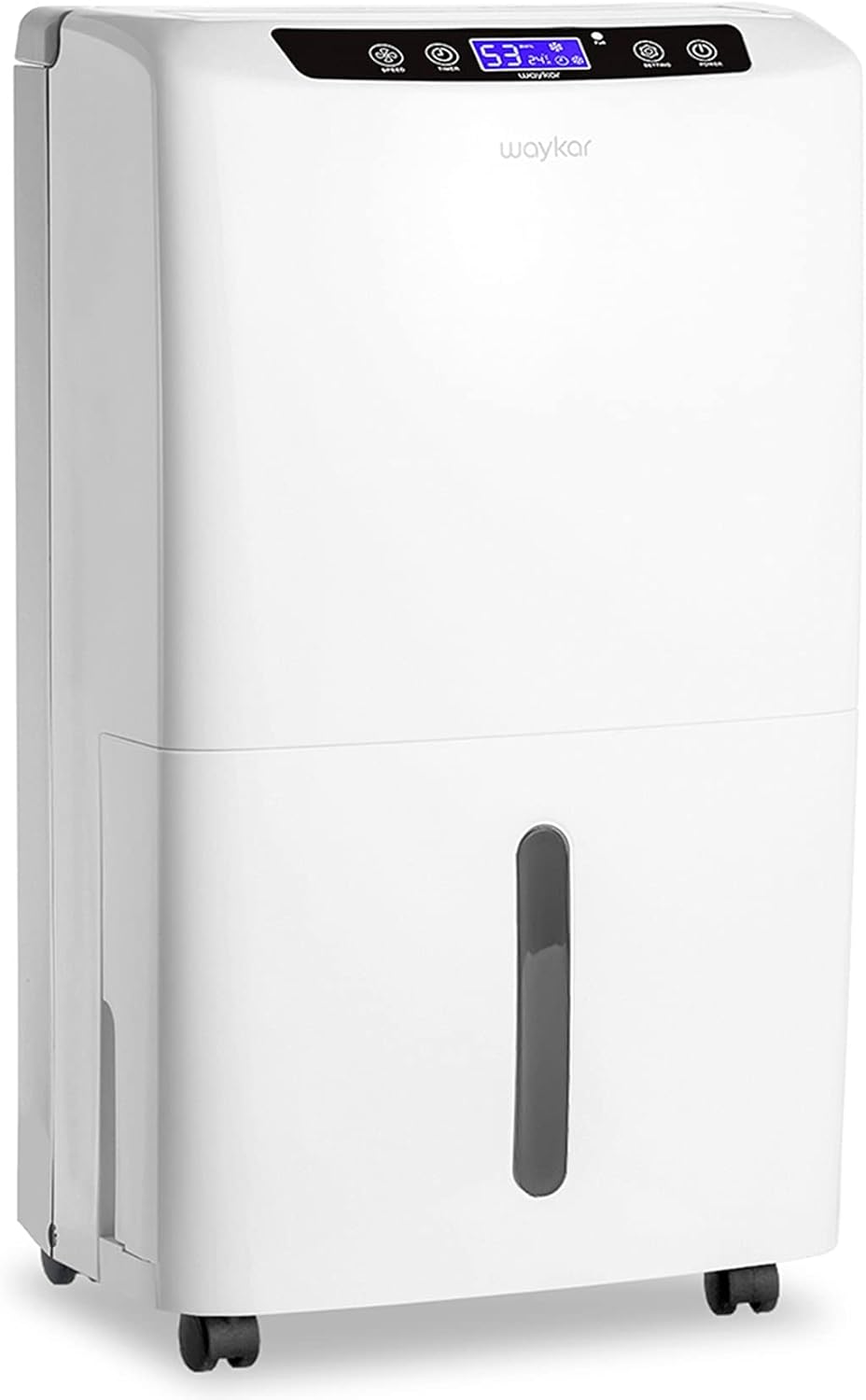
The most fundamental specification when choosing a dehumidifier is its capacity, measured in pints per day (PPD). This tells you how much moisture the unit can remove from the air in a 24-hour period under standard testing conditions (typically 60% relative humidity at 80°F). For context, a 30-pint model is ideal for small spaces up to 500 square feet, while a 50-pint unit suits medium to large areas like finished basements or open-concept living rooms (up to 1,500 sq ft). If you live in a particularly humid region or have chronic moisture issues—such as poor ventilation, frequent flooding, or high groundwater—you may need a 70-pint or higher capacity model.
However, don’t automatically assume “bigger is better.” Oversized units can short-cycle (turn on and off too frequently), which reduces efficiency, increases wear and tear, and fails to properly dehumidify the space. Conversely, an undersized dehumidifier will run constantly, struggle to keep up, and drive up your energy bills without delivering relief. To find your ideal capacity, consider both square footage and humidity level: lightly damp rooms may only need 20–30 pints, whereas very wet basements often require 50+ pints. Many manufacturers provide sizing charts based on room size and moisture severity—use them as a starting point, but also factor in local climate and usage patterns.
2. Energy Efficiency (Energy Star Certification)
Since dehumidifiers run for hours each day—sometimes continuously during humid seasons—their energy consumption directly impacts your utility bill. Look for models with the Energy Star certification, which guarantees they meet strict efficiency guidelines set by the U.S. Environmental Protection Agency. Energy Star-certified dehumidifiers use 15–30% less energy than standard models, saving you $10–$30 annually depending on usage and local electricity rates.
Pay attention to the Energy Factor (EF), expressed in liters of water removed per kilowatt-hour (L/kWh). Higher EF values mean greater efficiency. For example, a unit with an EF of 1.8 is more efficient than one rated at 1.5. Also check the wattage: most residential dehumidifiers draw between 300–800 watts. While wattage alone doesn’t tell the whole story (since runtime varies), it’s a useful metric when comparing similar-capacity units. Over the lifespan of the appliance, choosing an efficient model can save hundreds of dollars and reduce your carbon footprint.
3. Tank Size & Auto-Shutoff
Dehumidifiers collect extracted moisture in an internal bucket or tank. If this tank fills up and the unit doesn’t have an auto-shutoff feature, it will continue running—wasting energy and potentially causing water damage if the bucket overflows. Most modern units include auto-shutoff (also called auto-defrost or full-tank protection), which halts operation when the tank is full and usually triggers a light or alarm to alert you.
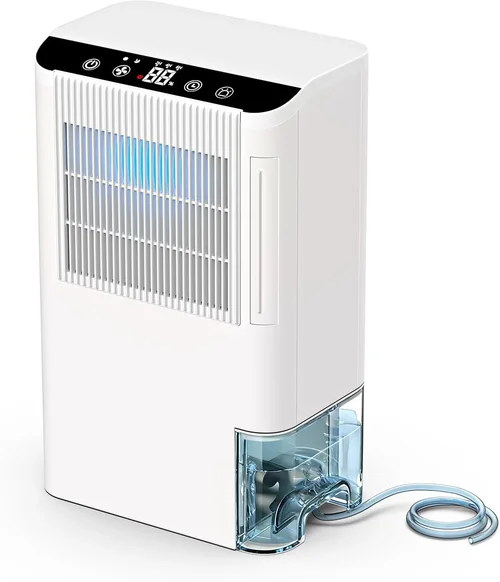
Tank size typically ranges from 1 to 2.5 gallons. Larger tanks mean less frequent emptying—ideal for unattended operation in basements or vacation homes. A 1-gallon tank may need emptying daily in high-humidity conditions, while a 2-gallon tank could last 2–3 days. That said, many users prefer models with continuous drainage options, allowing you to connect a standard garden hose to bypass the tank entirely. This is especially valuable for 24/7 operation or in areas where manual emptying isn’t practical. Just ensure your chosen location has access to a floor drain or sump pump.
4. Noise Level (Decibel Rating)
Dehumidifiers aren’t silent—they use compressors and fans that generate noise. If you plan to place the unit in a bedroom, home office, or living area, sound output becomes a critical consideration. Noise levels are measured in decibels (dB), with most residential models ranging from 45 dB to 60 dB. For reference, 45 dB is comparable to a quiet library, while 60 dB resembles normal conversation.
Look for units specifically marketed as “quiet” or “low-noise,” often featuring insulated compressor compartments, variable-speed fans, or eco-mode settings that reduce fan speed during lighter loads. Some premium models operate below 50 dB, making them nearly unobtrusive. Avoid units without published dB ratings—they’re likely louder than average. If noise is a top concern, consider placing the dehumidifier in a utility room or basement and using ducting (if supported) to vent dry air into adjacent living spaces.
5. Smart Features & Controls
Modern dehumidifiers increasingly offer smart functionality, including Wi-Fi connectivity, app control, voice assistant compatibility (Alexa, Google Assistant), and programmable timers. These features allow you to monitor humidity levels remotely, receive maintenance alerts, adjust settings from your phone, or integrate the unit into a broader smart home ecosystem.
Beyond connectivity, look for intuitive controls: digital displays showing current humidity, adjustable humidity setpoints (usually 30–80% RH), and multiple fan speeds. Some models include built-in hygrometers for accurate readings, while others rely on external sensors. Advanced units may offer “laundry mode” (for faster drying), “continuous mode” (for unattended operation), or “auto-restart” after power outages. While not essential, these features enhance convenience and precision—especially if you’re managing humidity in multiple zones or traveling frequently.
6. Build Quality & Durability
A dehumidifier is a long-term investment, so durability matters. Check the materials used in the casing—high-grade plastic resists cracking and yellowing better than cheap alternatives. Inspect the coil construction: copper coils are more efficient and corrosion-resistant than aluminum, though they’re also more expensive. Sealed components and rust-proof finishes are crucial for units used in damp environments like basements or garages.
Read user reviews for mentions of longevity, common failure points (e.g., compressor issues, sensor drift), and ease of cleaning. Filters should be washable and accessible without tools. Units with removable, dishwasher-safe water tanks simplify maintenance. Also consider the warranty: reputable brands typically offer 1–2 years of coverage, with some extending to 5 years on compressors. Avoid no-name brands with vague or nonexistent support—they often cut corners on internal components.
7. Portability & Design
Even if you plan to keep your dehumidifier in one spot, portability features make setup, cleaning, and occasional relocation much easier. Look for built-in handles, recessed wheels, and a compact footprint. Top-mounted controls and cord storage compartments add convenience. Weight varies widely—from under 30 pounds for small units to over 50 pounds for high-capacity models—so ensure you can lift and move it safely.
Design also affects placement flexibility. Some units are tall and narrow, fitting neatly in corners; others are low-profile for under-sink or closet use. Consider clearance requirements: most models need 6–12 inches of space around vents for proper airflow. If aesthetics matter, choose a unit with a neutral color (white, gray, black) and minimalist styling that blends with your decor.
8. Brand Reputation & Customer Support
Not all dehumidifier brands are created equal. Established names like Frigidaire, GE Appliances, hOmeLabs, and Midea have proven track records for reliability, consistent performance, and responsive customer service. They also tend to offer better parts availability and longer warranty support. In contrast, lesser-known brands may offer tempting prices but lack accountability—leaving you stranded if something breaks.
Before buying, research the brand’s reputation on trusted review platforms (Consumer Reports, Wirecutter, Amazon verified purchases) and check their BBB rating. Pay attention to how they handle complaints: do they offer quick replacements? Are technicians easy to reach? A strong support network can turn a frustrating experience into a smooth resolution. Also verify that the model you’re considering is sold and serviced in your country—some international brands don’t provide local support.
Different Types of Buying Guide
Common Buying Mistakes to Avoid
❌ Mistake: Buying Based Solely on Price
Why it’s bad: The cheapest dehumidifier often costs more in the long run due to higher energy bills, frequent repairs, or premature failure. Low-cost models may use inferior compressors, lack auto-shutoff, or have inaccurate humidity sensors—leading to over-drying or underperformance.
What to do instead: Focus on total cost of ownership, not just upfront price. Invest in an Energy Star-certified model with good reviews and a solid warranty. A $50 savings now could mean $200 in replacement costs later.
❌ Mistake: Ignoring Room Size and Humidity Level
Why it’s bad: A dehumidifier sized for a bathroom won’t handle a flooded basement. Conversely, an oversized unit wastes energy and creates uncomfortable air cycling. Misjudging your needs leads to frustration and wasted money.
What to do instead: Measure your space and assess moisture severity. Use manufacturer sizing guides, but also consider local climate. When in doubt, opt for a slightly larger capacity—but ensure it has adjustable settings to prevent over-drying.
❌ Mistake: Overlooking Drainage Options
Why it’s bad: Constantly emptying a full tank is tedious and easy to forget. If you’re away from home or the unit runs overnight, overflow risks water damage.
What to do instead: Choose a model with a continuous drain hose outlet. Even if you don’t use it immediately, it provides flexibility. For basements, pair with a condensate pump for automatic drainage to a sump or floor drain.
❌ Mistake: Neglecting Maintenance Requirements
Why it’s bad: Dirty filters and clogged coils reduce efficiency, increase noise, and shorten lifespan. Many users abandon their dehumidifiers because they “stopped working”—often due to lack of cleaning.
What to do instead: Select a unit with easy-access, washable filters and a removable tank. Set calendar reminders to clean the filter monthly and inspect coils quarterly. Follow the manual’s maintenance schedule religiously.
❌ Mistake: Assuming All “Quiet” Models Are Equal
Why it’s bad: Some brands claim “quiet operation” but publish no dB ratings. You might end up with a noisy unit that disrupts sleep or work.
What to do instead: Only consider models with verified decibel ratings (ideally under 55 dB for living spaces). Check third-party reviews for real-world noise assessments.
❌ Mistake: Buying Without Checking Return Policies
Why it’s bad: Dehumidifiers are bulky and expensive to return. If the unit doesn’t perform as expected, a restrictive return policy could leave you stuck with a lemon.
What to do instead: Purchase from retailers with generous return windows (30+ days) and free return shipping. Amazon, Home Depot, and Lowe’s typically offer reliable policies. Avoid third-party sellers with unclear terms.
❌ Mistake: Ignoring Warranty and Support
Why it’s bad: Compressor failures are common after 2–3 years. Without warranty coverage, repairs can cost nearly as much as a new unit.
What to do instead: Prioritize brands with at least a 1-year full warranty and 2–5 years on the compressor. Register your product immediately and keep receipts. Research service centers in your area before buying.
Budget Guidelines: How Much Should You Spend?
Dehumidifiers span a wide price spectrum, but your budget should align with your needs, not just your wallet. Here’s a realistic breakdown of what to expect at each tier:
Entry-Level ($80–$150): These are typically mini or small-capacity refrigerant models (20–30 pints) suited for closets, RVs, or very small rooms. Expect basic controls, smaller tanks, and limited features. Energy efficiency may be lower, and build quality can vary. Ideal for occasional use or mild humidity issues. Examples include the Eva-Dry E-333 or hOmeLabs Small Space Dehumidifier.
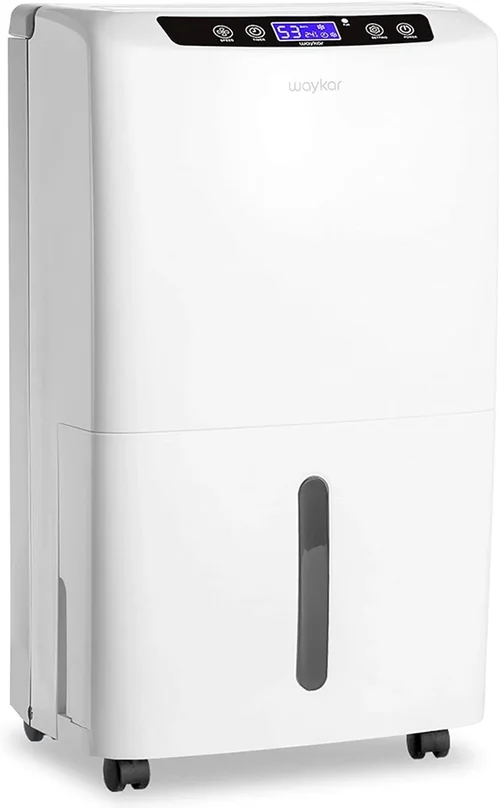
Mid-Range ($150–$300): This is the sweet spot for most homeowners. You’ll find reliable 30–50 pint units from trusted brands with Energy Star ratings, auto-shutoff, washable filters, and decent noise levels (50–55 dB). Many include continuous drain options and digital humidity controls. Models like the Frigidaire FFAD5033W1 or Midea MAD50C1ZWS offer excellent value and performance for basements and living areas.
Premium ($300–$500): Designed for demanding environments, these high-capacity (50–70+ pints) dehumidifiers feature advanced controls, ultra-quiet operation (under 50 dB), smart connectivity, and robust construction. Look for copper coils, multi-speed fans, and extended warranties. The hOmeLabs 70 Pint or Tosot 50 Pint Smart Dehumidifier excel here, offering app control, precise humidity management, and long-term durability.
Luxury ($500+): Reserved for whole-house systems or commercial applications, these units integrate with HVAC ductwork, offer massive capacities (100+ pints), and include professional-grade features like remote sensors, condensate pumps, and HEPA filtration. Brands like AprilAire dominate this space. Only consider if you have a large home, severe moisture problems, or want centralized control.
Expert Tips for Getting the Best Deal
- Buy during off-peak seasons: Dehumidifiers are cheapest in winter (December–February) when demand is low. Retailers often discount last year’s models to clear inventory. Avoid spring and summer unless you have an urgent need.
- Shop major sales events: Black Friday, Cyber Monday, Prime Day, and Memorial Day offer significant discounts—sometimes 20–30% off MSRP. Sign up for deal alerts from Amazon, Home Depot, and Best Buy.
- Compare total cost, not just sticker price: Factor in shipping, taxes, and potential return fees. Some retailers offer free shipping on large appliances, while others charge $50+.
- Check for rebates and incentives: Some utility companies offer rebates for Energy Star appliances. Visit the ENERGY STAR rebate finder tool to see if you qualify for savings in your area.
- Read recent reviews, not just star ratings: A 4.5-star average looks great—until you read comments about compressor failures after 18 months. Focus on verified purchase reviews from the last 6–12 months.
- Test before committing (if possible): If buying in-store, ask to see a demo unit. Listen for noise, check control layout, and inspect build quality. Online buyers should watch unboxing and review videos on YouTube.
- Register your warranty immediately: Many brands require registration within 30 days to activate coverage. Keep your receipt and serial number accessible.
- Consider refurbished or open-box deals: Certified refurbished units from reputable sellers (like Amazon Renewed or manufacturer outlets) often come with full warranties and sell for 20–40% less.

Frequently Asked Questions
Q: How do I know if I need a dehumidifier?
A: Signs include persistent musty odors, visible mold or mildew, condensation on windows or walls, peeling paint, warped wood, or a clammy feeling in the air. You can also use a hygrometer to measure indoor humidity—ideally, it should stay between 30% and 50%. If it consistently exceeds 60%, a dehumidifier is recommended.
Q: Can a dehumidifier help with allergies?
A: Yes! By reducing moisture, dehumidifiers inhibit the growth of dust mites, mold, and mildew—common allergens. Many users report fewer allergy symptoms and improved breathing after consistent use, especially in basements or bedrooms.
Q: Will a dehumidifier lower my air conditioning bill?
A: Absolutely. Dry air feels cooler than humid air at the same temperature, so you can set your thermostat higher and still feel comfortable. This reduces AC runtime and energy consumption—studies show savings of 5–10% on cooling costs.
Q: How often should I clean my dehumidifier?
A: Clean the air filter every 2–4 weeks during heavy use, and rinse the water tank weekly to prevent bacterial growth. Deep-clean coils and vents every 3–6 months. Always unplug the unit before cleaning.
Q: Can I run a dehumidifier 24/7?
A: Yes, especially if you use continuous drain mode. Most modern units are designed for constant operation. Just ensure proper ventilation and regular maintenance to avoid overheating or component wear.
Q: What’s the difference between a dehumidifier and an air purifier?
A: A dehumidifier removes moisture from the air; an air purifier removes particles like dust, pollen, and smoke. They serve different purposes—but using both together creates optimal indoor air quality.
Q: Do dehumidifiers work in cold basements?
A: Standard refrigerant models lose efficiency below 65°F and may frost over. For cold spaces, choose a desiccant dehumidifier or a low-temperature refrigerant model (look for “cold climate” or “auto-defrost” in the specs).
Q: How long do dehumidifiers last?
A: With proper maintenance, most quality units last 5–10 years. Compressor failure is the most common end-of-life issue. Regular cleaning and avoiding extreme conditions extend lifespan significantly.
Q: Can I use a dehumidifier in my crawl space?
A: Yes, but choose a model rated for unconditioned spaces with a built-in pump or external drain hose. Consider a dedicated crawl space dehumidifier like those from Santa Fe or Dri-Eaz for best results.
Q: Is it safe to leave a dehumidifier on when I’m not home?
A: Yes, as long as it has auto-shutoff and you’ve set up continuous drainage or have a large enough tank. Ensure the unit is on a stable, level surface away from flammable materials.
Our Final Recommendations
Best for Budget-Conscious Buyers: hOmeLabs 30 Pint Dehumidifier – At under $150, this Energy Star-certified unit offers reliable performance, a 1.8-gallon tank, and quiet operation (51 dB). Perfect for small to medium rooms with mild to moderate humidity.
Best Overall Value: Frigidaire FFAD5033W1 50 Pint Dehumidifier – A consistent top performer in consumer reviews, this model combines 50-pint capacity, Energy Star efficiency, a 1.7-gallon tank, and a washable filter. It’s quiet (53 dB), durable, and priced around $250—making it the gold standard for most homes.
Best Premium Option: Tosot 50 Pint Smart Dehumidifier – With Wi-Fi connectivity, app control, precise humidity settings, and whisper-quiet operation (47 dB), this unit delivers luxury features without the luxury price tag (~$350). Ideal for tech-savvy users who want remote monitoring and automation.
Best for Beginners: Midea MAD50C1ZWS 50 Pint Dehumidifier – Simple controls, intuitive display, and hassle-free setup make this a great first dehumidifier. It includes auto-restart, continuous drain, and a 2-year warranty—all for under $230.
Best for Advanced Users: hOmeLabs 70 Pint Dehumidifier with Pump – For large basements or high-moisture environments, this powerhouse removes up to 70 pints daily and includes a built-in condensate pump for upward drainage. Smart sensors, app alerts, and rugged construction justify its ~$400 price for serious moisture control.
Conclusion: Making the Right Choice
Choosing the best-rated dehumidifier for your home doesn’t have to be overwhelming—if you know what to prioritize. Start by assessing your space, humidity level, and usage patterns. Then, focus on capacity, energy efficiency, noise, and essential features like auto-shutoff and drainage. Avoid common pitfalls like overspending on unnecessary capacity or ignoring maintenance needs. Remember, the right dehumidifier isn’t just about removing moisture—it’s about improving your health, protecting your home, and enhancing comfort year-round.
Whether you’re dealing with a damp basement, musty closet, or whole-house humidity issues, there’s a model perfectly suited to your needs and budget. Use this guide as your roadmap, leverage our expert tips, and don’t rush the decision. A well-chosen dehumidifier will serve you reliably for years, paying dividends in air quality, energy savings, and peace of mind. Ready to breathe easier? Start shopping with confidence—your ideal dehumidifier is out there.