
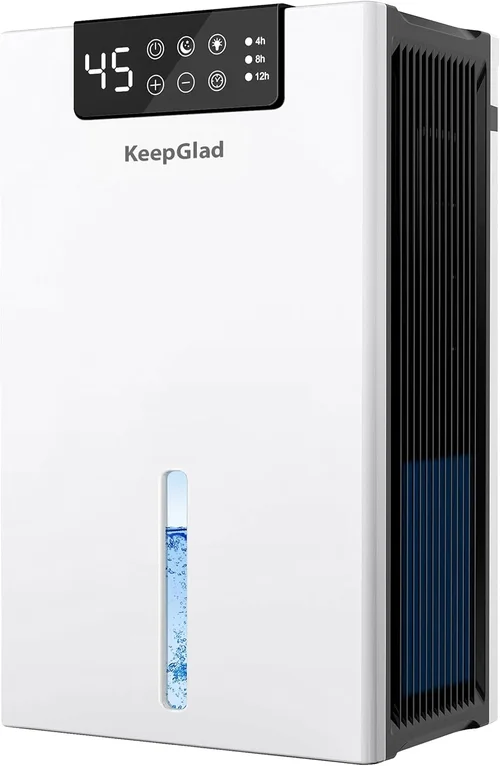
Dealing with excess moisture in your home isn’t just about comfort—it’s a serious matter of health, safety, and long-term property protection. Whether you’re battling persistent musty odors, noticing condensation on windows, or spotting early signs of mold growth, high indoor humidity can silently compromise your living environment. Left unchecked, moisture problems can trigger respiratory issues, damage furniture and electronics, and even weaken the structural integrity of your home. That’s why investing in a quality room dehumidifier is one of the smartest decisions you can make for your household.
This comprehensive buying guide is designed to cut through the noise and help you make an informed, confident decision. With dozens of models flooding the market—ranging from compact units under $100 to high-capacity industrial-grade machines—it’s easy to feel overwhelmed. Our goal is to equip you with expert-level knowledge so you can choose a dehumidifier that fits your specific needs, budget, and space requirements. You’ll learn how to evaluate performance specs, understand key features, avoid common pitfalls, and ultimately select a unit that delivers reliable, long-lasting results.
The modern dehumidifier market offers incredible variety, but not all units are created equal. From thermoelectric mini-dehumidifiers ideal for closets to full-sized compressor-based systems capable of handling basements or large living areas, each type serves a distinct purpose. Some prioritize quiet operation, others focus on energy efficiency, and many include smart features like Wi-Fi connectivity and auto-humidity control. By the end of this guide, you’ll know exactly what to look for, how much to spend, and which models stand out in their respective categories.
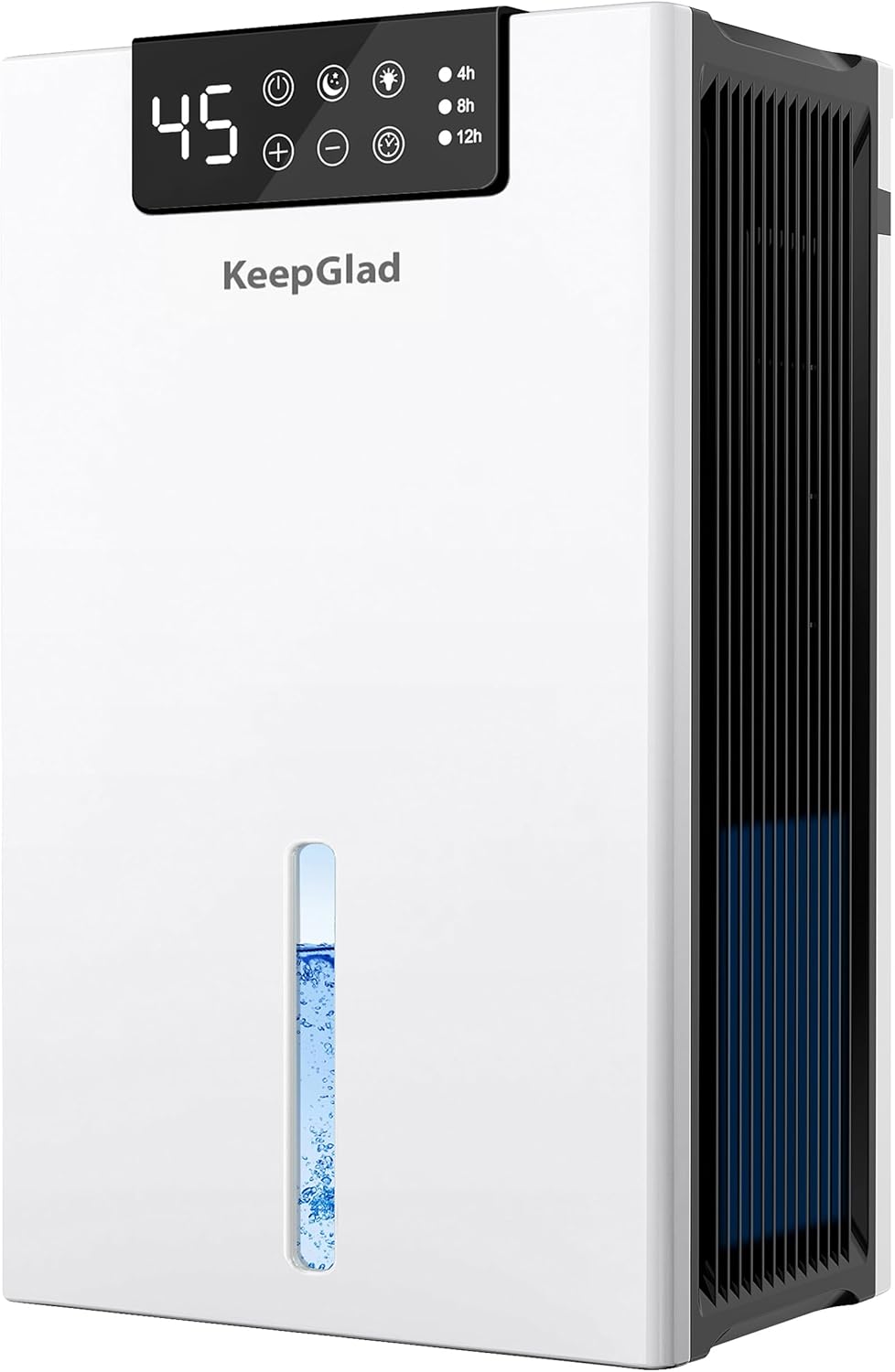
What to Look for When Buying Buying Guide
1. Budget & Price Range
Your budget will significantly influence your options, but it’s important to view a dehumidifier as a long-term investment rather than a one-time purchase. Entry-level models typically cost between $50 and $150 and are suitable for small spaces like bathrooms or closets. Mid-range units ($150–$300) offer better performance, larger water tanks, and more advanced controls, making them ideal for bedrooms, living rooms, or moderately damp basements. Premium models ($300–$600) often include features like built-in pumps, smart sensors, and robust build quality, while luxury or commercial-grade units can exceed $600 and are designed for large homes, crawl spaces, or rental properties.
While it’s tempting to go for the cheapest option, skimping on quality can lead to higher energy bills, frequent breakdowns, and inadequate moisture removal. A well-chosen mid-range dehumidifier often provides the best balance of affordability, reliability, and performance for most homeowners. Always consider the total cost of ownership—including electricity usage and maintenance—not just the upfront price.
2. Performance Specifications
Performance is measured primarily by two metrics: pint capacity and coverage area. Pint capacity refers to how much moisture the unit can remove in 24 hours under standard test conditions (typically 60% relative humidity at 80°F). For example, a 30-pint dehumidifier can extract up to 30 pints of water per day. Coverage area indicates the maximum square footage the unit can effectively serve—common ranges include 500, 1,500, 2,500, or even 4,500+ square feet.
Matching these specs to your environment is crucial. A 20-pint unit might suffice for a damp bathroom or small bedroom, but a finished basement with poor ventilation may require a 50-pint or higher model. Also pay attention to the unit’s performance at lower temperatures; some compressors lose efficiency below 65°F, which matters if you’re using it in a garage or unheated basement. Look for ENERGY STAR certification, which ensures the unit meets strict efficiency guidelines and can save you up to 15% on operating costs compared to non-certified models.
3. Build Quality & Durability
A dehumidifier is a mechanical appliance with moving parts—compressors, fans, coils, and pumps—that endure constant use. High-quality materials and solid construction directly impact longevity and reliability. Look for units with rust-resistant coatings, sturdy casings (preferably metal or high-grade plastic), and sealed components that resist dust and moisture ingress. Internally, copper coils are more durable and efficient than aluminum, and sealed bearings on fans reduce wear over time.
Cheaper models often use thin plastic housings and low-grade internal components that crack, warp, or fail within a year or two. In contrast, reputable brands invest in rigorous testing and use components rated for thousands of hours of operation. If you plan to run your dehumidifier continuously—especially in humid climates or during rainy seasons—durability becomes non-negotiable. Reading long-term user reviews can reveal whether a model holds up over time or develops common issues like compressor failure or coil corrosion.
4. Features & Functionality
Modern dehumidifiers come packed with features that enhance convenience, efficiency, and control. Key functionalities to consider include:
– Auto-humidistat: Allows you to set a target humidity level (e.g., 45–50%), and the unit automatically turns on/off to maintain it.
– Continuous drainage: A hose connection lets you route water directly to a floor drain or sump pump, eliminating the need to empty the tank.
– Built-in pump: Essential for spaces without floor-level drainage; pumps water vertically up to 15 feet, enabling placement in basements or elevated areas.
– Defrost function: Prevents ice buildup on coils in cold environments (below 65°F), ensuring consistent operation.
– Timer and sleep mode: Lets you schedule operation or reduce noise during nighttime use.
– Wi-Fi/smart controls: Enables remote monitoring and adjustment via smartphone apps (available on select premium models).
While extra features add convenience, they also increase cost and complexity. Focus on the functionalities that align with your usage scenario. For instance, a built-in pump is invaluable in a basement but unnecessary for a bedroom with easy tank access.
5. Brand Reputation
Not all dehumidifier brands are created equal. Established manufacturers like Frigidaire, hOmeLabs, GE, Danby, and AprilAire have decades of experience and strong customer support networks. These companies typically offer better warranties, readily available replacement parts, and responsive service. Lesser-known or generic brands may offer attractive prices but often lack reliability, documentation, or post-purchase support.
Research brand reputation by checking professional reviews, consumer reports, and long-term user feedback. Brands with high ratings for customer service and product durability tend to stand behind their products, which is especially important if you encounter defects or need technical assistance. Avoid “no-name” units sold exclusively through third-party marketplaces unless they come with verified certifications and solid user testimonials.
6. Warranty & Support
A dehumidifier’s warranty is a strong indicator of the manufacturer’s confidence in its product. Most reputable brands offer at least a 1-year limited warranty, while premium models may include 2–5 years of coverage. Pay attention to what’s covered: some warranties exclude compressors or electronic components, which are the most expensive parts to replace.
Extended warranties or service plans can be worthwhile if you live in a high-humidity region or plan to use the unit heavily. Additionally, check whether the brand provides accessible customer support—phone lines, live chat, or email—and whether replacement parts (like filters or tanks) are easy to obtain. A good warranty combined with responsive support can save you hundreds in repair costs and downtime.
7. Size & Portability
Dehumidifiers vary widely in physical dimensions and weight. Compact models (under 20 lbs) are easy to move between rooms, while full-sized units can weigh 40–60 lbs and require wheels for mobility. Consider where you’ll place the unit: will it sit in a corner, under a sink, or in a utility closet? Measure your available space and ensure there’s adequate clearance for airflow (typically 6–12 inches on all sides).
Portability features like integrated handles, caster wheels, and lightweight designs make a big difference if you need to relocate the unit seasonally or clean around it. However, larger units often deliver superior performance, so don’t sacrifice capacity for convenience unless your space truly demands it.
8. User Reviews & Ratings
Never rely solely on manufacturer claims or marketing materials. Real-world user reviews provide invaluable insights into reliability, noise levels, ease of use, and long-term performance. Look for patterns in feedback: if multiple users report the same issue—like a leaking tank or noisy operation—it’s likely a design flaw rather than an isolated incident.
Platforms like Amazon, Home Depot, and Consumer Reports aggregate thousands of verified purchases, giving you a balanced view. Pay special attention to reviews from users in similar climates or home types (e.g., coastal homes, basements, apartments). A 4.5-star average with detailed, recent reviews is a strong sign of a trustworthy product.
Different Types of Buying Guide

Common Buying Mistakes to Avoid
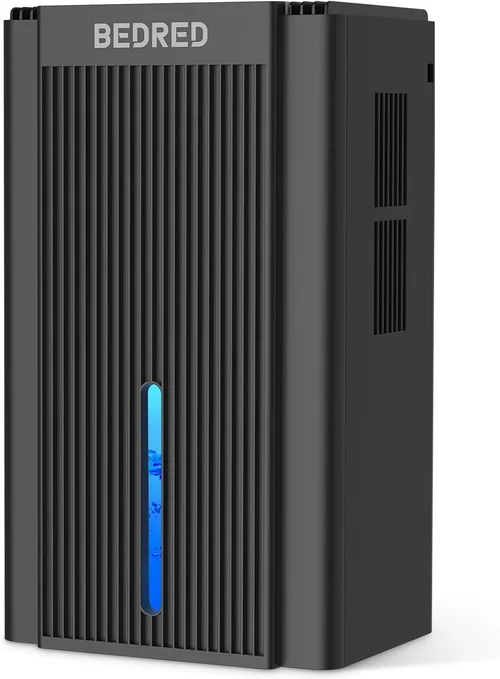
❌ Mistake: Choosing Based Solely on Price
Why it’s bad: The cheapest dehumidifier often lacks essential features, uses low-quality components, and consumes more energy over time. You may end up replacing it within a year, doubling your cost.
What to do instead: Set a realistic budget based on your needs and prioritize value over the lowest sticker price. A $200 mid-range unit with a 2-year warranty and ENERGY STAR rating often outperforms a $90 bargain that fails in six months.
❌ Mistake: Ignoring Room Size and Humidity Level
Why it’s bad: A unit too small for your space won’t reduce humidity effectively, while an oversized model may cycle too frequently, wasting energy and shortening its lifespan.
What to do instead: Measure your room’s square footage and assess moisture severity (light, moderate, or heavy dampness). Use manufacturer sizing charts to match capacity (pints/day) to your conditions.
❌ Mistake: Overlooking Drainage Options
Why it’s bad: If you forget to empty the water tank regularly, the unit will shut off, leaving your space humid and potentially causing overflow damage.
What to do instead: Opt for continuous drainage if possible—especially in basements or during rainy seasons. Models with built-in pumps offer the most flexibility for hard-to-reach drains.
❌ Mistake: Neglecting Noise Levels
Why it’s bad: A loud dehumidifier can disrupt sleep, work, or relaxation, especially in bedrooms or home offices.
What to do instead: Check decibel (dB) ratings—ideally under 50 dB for quiet operation. Desiccant and thermoelectric models are generally quieter than compressor-based units.
❌ Mistake: Buying Without Checking Warranty Terms
Why it’s bad: A short or limited warranty leaves you vulnerable to costly repairs if the compressor or control board fails.
What to do instead: Choose brands offering at least a 1–2 year comprehensive warranty. Read the fine print to ensure major components are covered.
❌ Mistake: Assuming All ENERGY STAR Models Are Equal
Why it’s bad: While ENERGY STAR certification ensures baseline efficiency, performance varies widely among certified models.
What to do instead: Compare the “Energy Factor” (liters of water removed per kilowatt-hour) listed on the yellow EnergyGuide label. Higher values mean better efficiency.
❌ Mistake: Not Considering Maintenance Requirements
Why it’s bad: Clogged filters, dirty coils, or mineral buildup can reduce efficiency and cause malfunctions.
What to do instead: Choose models with washable, reusable filters and easy-access panels. Clean the unit monthly and descale as needed if you have hard water.
Budget Guidelines: How Much Should You Spend?
– Entry-Level ($50–$150): Ideal for small, lightly damp spaces like closets, RVs, or bathrooms. Expect basic controls, small tanks (1–2 liters), and limited coverage (under 500 sq ft). Thermo-electric or mini compressor models dominate this tier. Best for occasional use or temporary moisture issues.
– Mid-Range ($150–$300): The sweet spot for most homeowners. These units typically offer 20–50 pint capacity, auto-humidistats, continuous drainage, and coverage for 1,000–2,500 sq ft. Look for ENERGY STAR ratings and solid build quality. Perfect for bedrooms, living rooms, or moderately damp basements.
– Premium ($300–$600): Designed for heavy-duty use in large or chronically damp areas. Features include built-in pumps, smart controls, defrost functions, and extended warranties. Ideal for finished basements, crawl spaces, or homes in high-humidity climates.
– Luxury ($600+): Includes whole-house systems, commercial-grade units, and models with advanced diagnostics or Wi-Fi integration. These are overkill for most residential needs but excel in multi-story homes, rental properties, or extreme environments.
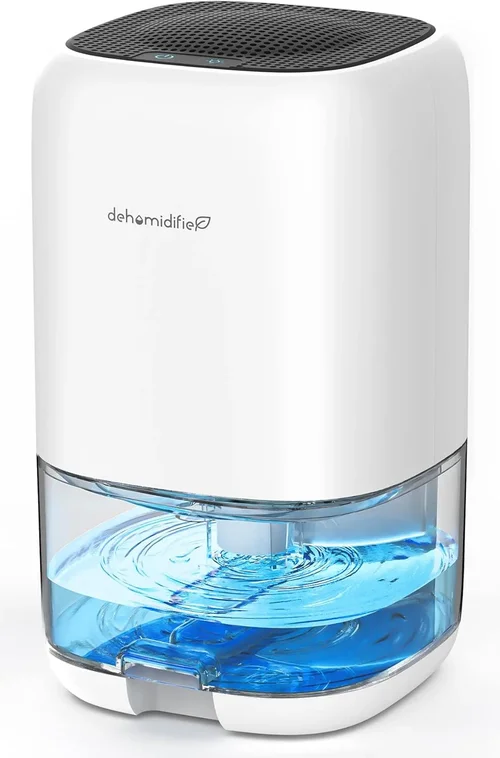
Expert Tips for Getting the Best Deal
– Buy off-season: Dehumidifiers are in highest demand during spring and summer. Shop in late fall or winter (October–February) for discounts of 20–30% as retailers clear inventory.
– Check retailer return policies: Some stores offer 90-day returns, giving you time to test performance in your actual environment. Avoid sellers with restocking fees or short return windows.
– Look for bundle deals: Home improvement stores often discount dehumidifiers when purchased with air purifiers, humidifiers, or HVAC filters.
– Subscribe for alerts: Set price-drop notifications on Amazon, Home Depot, or Best Buy. Major sales occur during Black Friday, Prime Day, and Memorial Day.
– Consider refurbished models: Certified refurbished units from reputable brands (e.g., Frigidaire, hOmeLabs) often come with full warranties and cost 20–40% less than new.
– Test before committing: If buying in-store, inspect the unit for build quality, noise level, and ease of tank removal. Online buyers should read recent reviews for real-world performance.
– Verify certifications: Ensure the model is ETL, UL, or CSA listed for safety, and ENERGY STAR certified for efficiency. Avoid uncertified imports.
– Negotiate extended warranties: Some retailers waive fees or offer discounts on extended coverage during promotions—ask before checkout.

Frequently Asked Questions
Q: How do I know if I need a dehumidifier?
A: Signs include persistent musty odors, condensation on windows or walls, peeling paint, warped wood, or visible mold. Use a hygrometer to measure indoor humidity—ideal levels are between 30% and 50%. If readings consistently exceed 60%, a dehumidifier is recommended.
Q: Can a dehumidifier help with allergies?
A: Yes. By reducing moisture, dehumidifiers inhibit mold, dust mites, and mildew—common allergens. Pair it with an air purifier for maximum relief, especially in bedrooms or nurseries.
Q: Should I run my dehumidifier continuously?
A: Not necessarily. Most units have auto modes that maintain your set humidity level. Continuous operation is only needed in extremely damp conditions or if you lack drainage. Use a timer or smart mode to optimize runtime.
Q: Where should I place my dehumidifier?
A: Center the unit in the room with at least 6–12 inches of clearance on all sides. Avoid placing it near walls, furniture, or curtains that block airflow. In basements, position it away from walls to allow air circulation.
Q: How often should I empty the water tank?
A: It depends on humidity levels and tank size. Small tanks (1–2 liters) may need daily emptying; larger tanks (4+ liters) can last several days. Enable continuous drainage if possible to avoid manual emptying.
Q: Do dehumidifiers use a lot of electricity?
A: Compared to air conditioners, they’re relatively efficient. A typical 30-pint ENERGY STAR model uses about 300–400 watts per hour. Over 8 hours, that’s roughly 2.4–3.2 kWh—costing $0.30–$0.50 daily depending on your electricity rate.
Q: Can I use a dehumidifier in winter?
A: Yes, but compressor-based models lose efficiency below 65°F. Desiccant dehumidifiers work better in cold garages or cabins. Always check the operating temperature range before purchasing.
Q: How long do dehumidifiers last?
A: With proper maintenance, most quality units last 5–10 years. Compressors and fans are the most common failure points. Regular cleaning and avoiding extreme temperatures extend lifespan.
Q: Is a built-in pump worth it?
A: Absolutely if you lack floor-level drainage. Pumps allow vertical water discharge up to 15 feet, enabling use in basements, attics, or elevated platforms. They add $50–$100 to the cost but save significant hassle.
Q: Can I use a dehumidifier with my HVAC system?
A: Yes, and it’s often beneficial. Whole-house dehumidifiers integrate with ductwork, while portable units complement central air by reducing the load on your AC. Avoid placing portable units near return vents, as this can disrupt airflow.
Our Final Recommendations
– Best for Budget-Conscious Buyers: hOmeLabs 22-Pint Dehumidifier – At under $150, it offers excellent performance for small to medium rooms, includes a washable filter, and has a 2-year warranty. Great for apartments or bedrooms.
– Best Overall Value: Frigidaire FFAD7033R1 70-Pint Dehumidifier – ENERGY STAR certified, built-in pump, and reliable operation in large basements. Priced around $350, it’s a workhorse with minimal maintenance.
– Best Premium Option: AprilAire E080 Pro 80-Pint Dehumidifier – Designed for whole-home or commercial use, this ducted unit integrates with HVAC systems and includes a 5-year warranty. Ideal for large, high-humidity homes.
– Best for Beginners: GE APER50LZ 50-Pint Dehumidifier – Simple controls, clear humidity display, and easy tank access make it user-friendly. Includes auto-defrost and continuous drainage.
– Best for Advanced Users: AlorAir Sentinel HDi90 – Built for crawl spaces and basements, this rugged unit features a built-in pump, remote monitoring, and operates down to 33°F. Perfect for tech-savvy homeowners with complex moisture issues.
Conclusion: Making the Right Choice
Choosing the right room dehumidifier isn’t just about picking the most powerful or cheapest model—it’s about aligning the unit’s capabilities with your specific environment, lifestyle, and long-term goals. From understanding pint capacity and coverage area to evaluating features like auto-humidistats and built-in pumps, every decision point matters. Avoid common pitfalls like ignoring drainage needs or overlooking noise levels, and always prioritize build quality and warranty coverage.
Remember, the best dehumidifier is the one you’ll actually use consistently. A slightly more expensive model with intuitive controls and reliable performance will serve you far better than a bargain unit that sits unused in the corner. Take the time to assess your space, read real user reviews, and consider your budget holistically—including energy costs and maintenance.
Ultimately, investing in a quality dehumidifier is an investment in your health, comfort, and home’s longevity. Whether you’re tackling a damp basement, protecting cherished belongings, or simply breathing easier, the right unit can make all the difference. Use this guide as your roadmap, trust your priorities, and choose with confidence. Your home—and your peace of mind—will thank you.