
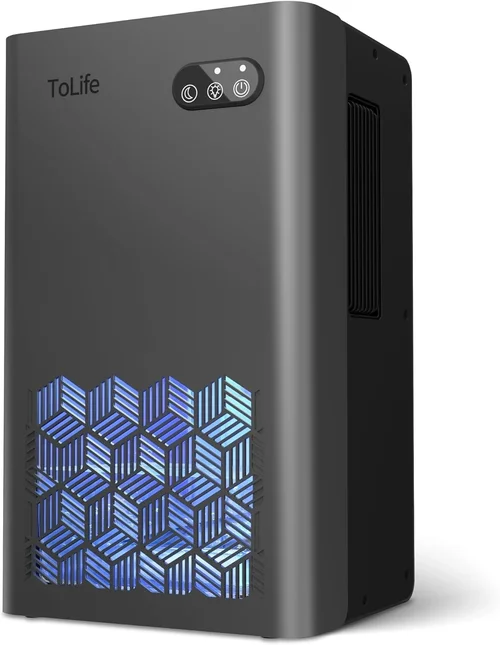
If you’ve ever stepped into a basement and immediately noticed that musty smell, felt the air thick with moisture, or spotted mold creeping along the walls, you know how vital a dehumidifier can be. Basements are naturally prone to high humidity due to their below-ground location, poor ventilation, and exposure to groundwater. Left unchecked, excess moisture doesn’t just create an uncomfortable environment—it can damage stored belongings, compromise your home’s structural integrity, and even trigger respiratory issues like asthma or allergies. That’s why choosing the right dehumidifier and setting it correctly isn’t just a convenience; it’s a necessity for maintaining a healthy, functional living space.
This comprehensive buying guide is designed to cut through the confusion and help you make an informed decision. Whether you’re dealing with a damp crawlspace, a finished basement used as a home gym or playroom, or simply want to prevent future moisture problems, we’ll walk you through everything you need to know. You’ll learn how to evaluate performance specs, understand key features, avoid common pitfalls, and ultimately select a dehumidifier that matches your basement’s unique needs. We’ll also dive into the often-overlooked topic of optimal settings—because even the best unit won’t perform well if it’s not configured properly.
The market today offers a wide range of dehumidifiers, from compact 30-pint units ideal for small spaces to heavy-duty 70-pint models built for large, wet basements. With brands like Frigidaire, hOmeLabs, GE, and AprilAire leading the charge, there’s no shortage of options. But more choices mean more complexity. Some units prioritize energy efficiency, while others focus on quiet operation or smart connectivity. Some come with built-in pumps for continuous drainage, while others rely on manual emptying. Our goal is to demystify these differences and empower you to choose a model that delivers reliable performance, long-term durability, and the right balance of features—without overspending.
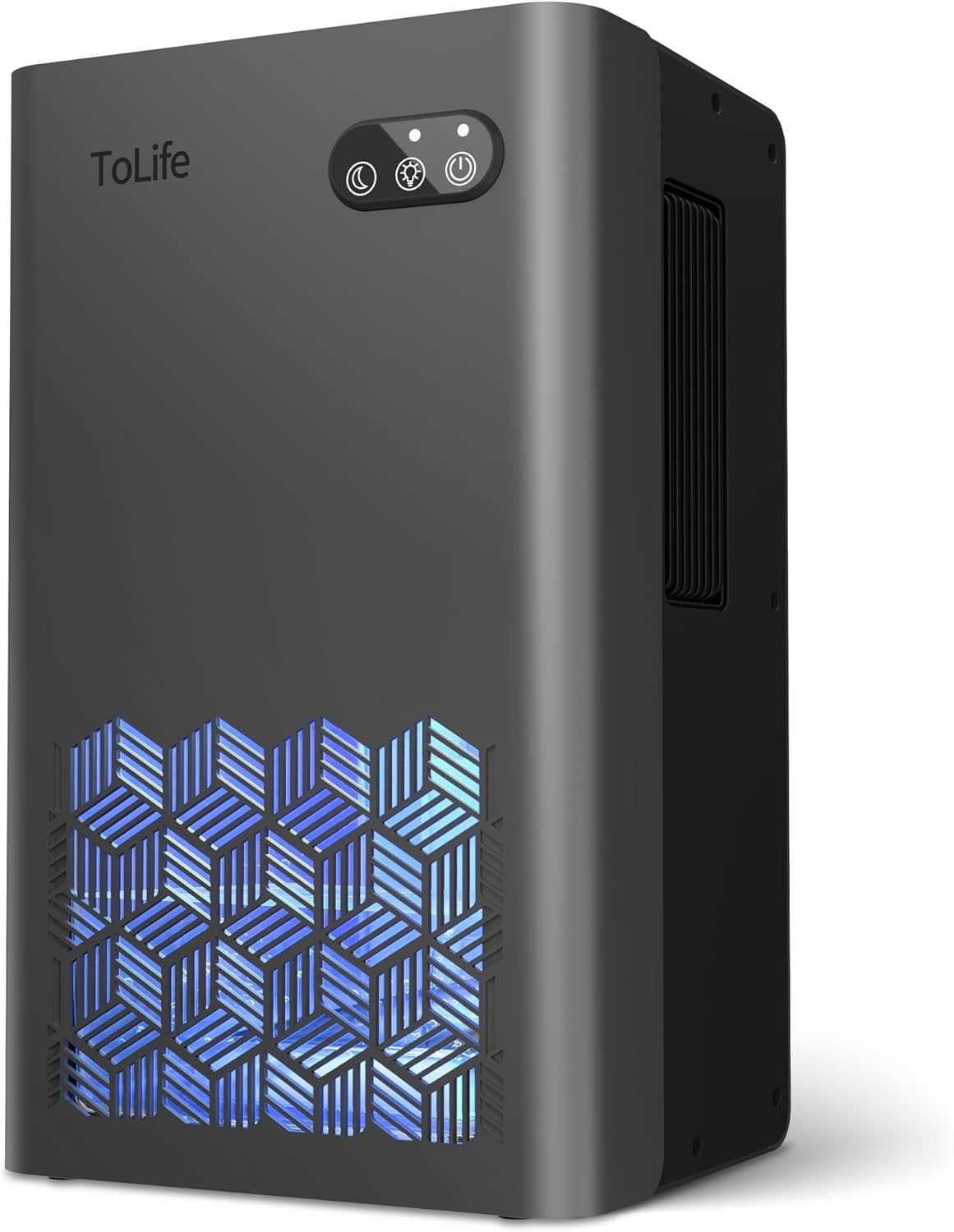
What to Look for When Buying a Dehumidifier
1. Capacity (Pint Rating)
The most critical specification when shopping for a basement dehumidifier is its capacity, measured in pints per day (PPD). This tells you how much moisture the unit can remove in a 24-hour period under standard conditions (typically 80°F and 60% relative humidity). For basements, which are often cool and damp, you’ll want a model rated for at least 50 pints per day—even if your space seems small. Why? Because basements typically fall into the “very wet” or “extremely wet” category due to groundwater seepage, poor drainage, or high ambient humidity.
To determine the right capacity, consider both square footage and moisture level:
– 30–45 PPD: Suitable only for very small, mildly damp basements (under 500 sq ft) with minimal moisture issues.
– 50–70 PPD: Ideal for most average-sized basements (500–1,500 sq ft) with moderate to high humidity.
– 70+ PPD: Best for large basements (1,500+ sq ft), finished spaces with carpeting, or areas with chronic flooding or standing water.
2. Humidity Control & Settings
A good basement dehumidifier should allow precise humidity control, typically via a built-in humidistat. The ideal relative humidity (RH) range for basements is between 30% and 50%. Levels above 60% encourage mold and mildew growth, while anything below 30% can dry out wood structures and cause discomfort.
Look for models with digital humidity displays and adjustable settings in 5% increments (e.g., 35%, 40%, 45%). Some advanced units even feature auto-humidistats that continuously monitor and adjust output to maintain your target level. Avoid basic “on/off” models without humidity feedback—they often over-dry or under-dry, leading to inefficiency or persistent dampness.
Additionally, check if the unit offers multiple operating modes:
– Continuous Mode: Runs nonstop—useful during heavy rain or flooding.
– Auto Mode: Activates only when humidity exceeds your set point.
– Laundry Mode: Boosts fan speed to speed up drying clothes (great for basement laundry rooms).
3. Drainage Options
Emptying a full water bucket every few days is tedious and impractical—especially in basements accessed infrequently. That’s why drainage capability is a make-or-break feature.
There are three main drainage methods:
– Manual Bucket: Requires periodic emptying. Look for units with large-capacity buckets (1.5–2 gallons) and full-bucket alerts.
– Gravity Drain Hose: Connects to a hose that drains into a floor drain, utility sink, or sump pump pit. Ensure your basement has a suitable outlet nearby.
– Built-in Pump: The gold standard for basements. A condensate pump actively pushes water upward (up to 15–20 feet vertically) and over long distances, allowing placement away from drains. This is essential if your basement lacks floor drains or if the dehumidifier must sit far from one.
4. Energy Efficiency
Dehumidifiers can be energy hogs, especially if they run frequently. Look for the ENERGY STAR® label, which indicates the unit meets strict efficiency guidelines set by the EPA. ENERGY STAR-certified models use 15–30% less energy than standard units, saving you money on electricity bills over time.
Check the Energy Factor (EF), measured in liters of water removed per kilowatt-hour (L/kWh). Higher EF values mean better efficiency. For example:
– EF of 1.5 = average efficiency
– EF of 2.0+ = highly efficient
Also consider the wattage—most residential dehumidifiers draw between 300–800 watts. A 50-pint ENERGY STAR model typically uses around 500 watts, costing roughly $30–$50 per year to operate if running 8 hours daily (based on $0.13/kWh).
5. Noise Level
Basements are often used as quiet retreats—home theaters, offices, or bedrooms. A loud dehumidifier can be disruptive. Noise is measured in decibels (dB), and most units range from 45 dB (quiet library) to 60 dB (normal conversation).
For finished basements or living spaces, aim for models under 55 dB. Compressor-based dehumidifiers tend to be louder than desiccant models, but newer inverter-driven compressors offer quieter operation. Check manufacturer specs or user reviews for real-world noise feedback—some brands list “lowest fan speed” dB, which may not reflect typical usage.
6. Build Quality & Durability
Basements are harsh environments: cold, damp, and sometimes dusty. Your dehumidifier needs to withstand these conditions for years. Look for:
– Corrosion-resistant coils: Copper or coated aluminum coils resist rust from constant moisture exposure.
– Sturdy housing: Plastic should be thick and impact-resistant; metal components should be powder-coated.
– Sealed electronics: Protects internal circuits from humidity damage.
– Washable air filters: Easy to clean and replace, improving airflow and longevity.
Avoid ultra-cheap models with flimsy construction—they often fail within 1–2 years. Reputable brands invest in better materials and engineering, even at higher price points.
7. Smart Features & Connectivity
Modern dehumidifiers increasingly offer smart capabilities:
– Wi-Fi connectivity: Control via smartphone apps (e.g., Frigidaire SmartDehumidifier, hOmeLabs Smart).
– Voice control: Works with Alexa or Google Assistant.
– Remote sensors: Monitor humidity in multiple zones.
– Scheduling: Set run times to match your routine.
While not essential, these features add convenience—especially if you’re away from home often or want to integrate your dehumidifier into a smart home system. Just ensure the app is reliable and doesn’t require constant internet connectivity for basic functions.
8. Warranty & Customer Support
A dehumidifier is a long-term investment. A solid warranty reflects manufacturer confidence in their product. Look for:
– Minimum 1-year full warranty
– Extended compressor warranty (3–5 years) – the compressor is the most expensive component to replace.
– Responsive customer service – check online reviews for support experiences.
Brands like AprilAire and Santa Fe offer 5-year warranties on select models, while budget brands may only provide 90 days to 1 year. Also verify if the warranty covers labor and parts—some only cover parts, leaving you to pay for repairs.
Different Types of Dehumidifiers

Common Buying Mistakes to Avoid
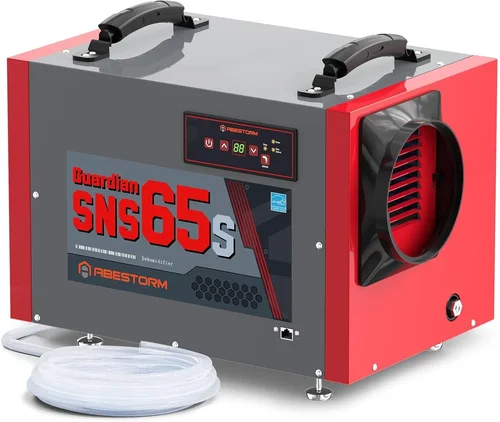
❌ Mistake: Choosing Based Solely on Price
Why it’s bad: The cheapest dehumidifier often lacks essential features like auto-humidistat, pump drainage, or corrosion protection. It may also have a lower pint rating than needed, forcing it to run constantly and wear out quickly.
What to do instead: Focus on value, not just cost. A mid-range $300 model with a pump, 70-pint capacity, and 3-year warranty will outperform and outlast a $150 bargain bin unit.
❌ Mistake: Ignoring Drainage Needs
Why it’s bad: If you can’t easily drain the unit, you’ll either forget to empty the bucket (leading to shutdowns and mold growth) or resort to risky workarounds like placing it near a window.
What to do instead: Assess your basement layout before buying. If no floor drain exists, invest in a model with a built-in pump—even if it costs $50–$100 more.
❌ Mistake: Overlooking Temperature Range
Why it’s bad: Standard compressor dehumidifiers lose efficiency below 65°F and may ice up in cold basements. Using the wrong type in winter can render the unit useless.
What to do instead: For unheated basements, choose a desiccant or low-temperature compressor model specifically rated for cold environments (look for “cold climate” or “low-temp operation” labels).
❌ Mistake: Setting Humidity Too Low
Why it’s bad: Cranking the humidistat to 30% or lower won’t dry your basement faster—it’ll just waste energy and potentially damage wood, drywall, or stored items.
What to do instead: Set humidity between 40% and 50%. Use a standalone hygrometer to verify readings, as built-in sensors can drift over time.
❌ Mistake: Buying Without Checking Filter Access
Why it’s bad: A clogged filter restricts airflow, reducing efficiency and straining the motor. If the filter is hard to reach or requires tools to remove, you’re less likely to clean it regularly.
What to do instead: Choose models with front-loading, washable filters that slide out easily—no screws or disassembly required.
❌ Mistake: Neglecting Regular Maintenance
Why it’s bad: Even the best dehumidifier will fail prematurely if not maintained. Dust buildup, frozen coils, and mineral deposits in the bucket can cause breakdowns.
What to do instead: Clean the filter monthly, inspect coils quarterly, and wipe down the bucket weekly. Use vinegar to remove mildew residue.
❌ Mistake: Assuming All Basements Are the Same
Why it’s bad: A dehumidifier that works for a dry, unfinished basement may struggle in a finished space with carpet, drywall, and high occupancy.
What to do instead: Evaluate your basement’s specific conditions: square footage, moisture source (condensation vs. seepage), insulation, and usage. Tailor your choice accordingly.
Budget Guidelines: How Much Should You Spend?
– Entry-Level ($100–$200): Basic 30–50 pint units with manual buckets and simple controls. Best for small, mildly damp spaces or temporary use. Expect shorter lifespans and limited features. Examples: Eva-Dry EDV-1100, Ivation IVADM35.
– Mid-Range ($200–$400): The sweet spot for most homeowners. These 50–70 pint models often include auto-humidistats, gravity drains, ENERGY STAR ratings, and better build quality. Ideal for average basements with moderate humidity. Examples: Frigidaire FFAD7033R1, hOmeLabs HME020034N.
– Premium ($400–$700): High-capacity (70+ pints), pump-equipped units with smart features, low-noise operation, and extended warranties. Perfect for large, wet, or finished basements. Examples: AprilAire E080, GE APER70LW.
– Luxury ($700+): Whole-house dehumidifiers designed for HVAC integration. These provide centralized humidity control for entire homes, including basements. Best for new construction or major renovations. Examples: Santa Fe Compact 70, AprilAire 1820 Pro.
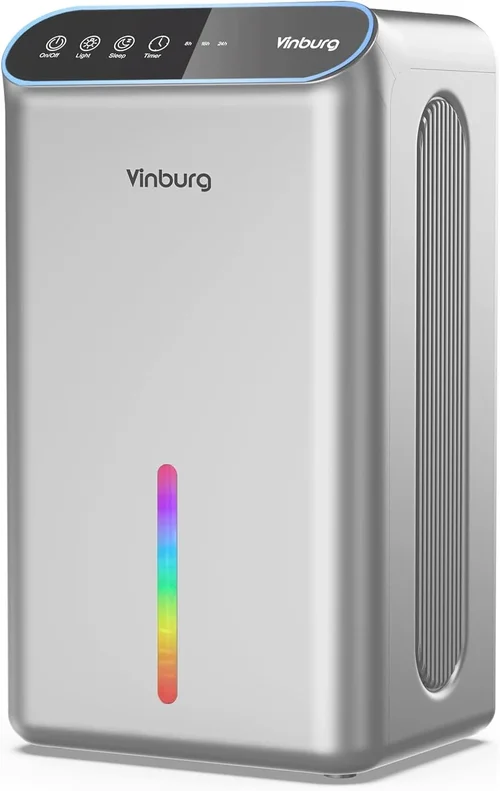
Expert Tips for Getting the Best Deal
– Buy in Spring or Early Summer: Demand peaks during humid months, but retailers often discount older models in March–April to clear inventory. You’ll find the best selection and prices before the rainy season hits.
– Shop Online for Reviews and Deals: Websites like Amazon, Home Depot, and Lowe’s offer detailed specs, user photos, and verified reviews. Compare prices across platforms—sometimes the same model is $50 cheaper on one site.
– Look for Bundled Accessories: Some retailers include free drain hoses, extension cords, or filter replacements. These add-ons can save $20–$40.
– Check for Rebates: Many utility companies offer rebates for ENERGY STAR dehumidifiers—especially in humid regions. Visit dsireusa.org to search for local incentives.
– Test Before Committing: If buying in-store, ask to see the unit powered on. Listen for excessive noise, check the display clarity, and verify hose connections.
– Read the Fine Print on Warranties: Some brands require product registration within 30 days to activate coverage. Keep your receipt and register immediately.
– Consider Refurbished Models: Certified refurbished units from reputable sellers (e.g., manufacturer outlets) often come with full warranties and cost 20–30% less.
– Don’t Forget Installation Costs: Whole-house units may require professional HVAC installation ($200–$500). Factor this into your budget.

Frequently Asked Questions
Q: What humidity level should I set my basement dehumidifier to?
A: Aim for 40% to 50% relative humidity. This range prevents mold growth while avoiding over-drying. Use a separate hygrometer to confirm accuracy, as built-in sensors can vary.
Q: Can I run a dehumidifier in winter?
A: Yes, but only if it’s rated for low temperatures. Most compressor models shut off below 65°F. For cold basements, choose a desiccant or cold-climate compressor model.
Q: How often should I clean the filter?
A: Clean the air filter every 2–4 weeks during heavy use. A clogged filter reduces efficiency by up to 30% and strains the motor.
Q: Will a dehumidifier lower my energy bills?
A: Indirectly, yes. By reducing humidity, your air conditioner doesn’t have to work as hard to cool your home, potentially lowering cooling costs by 5–10%.
Q: Can I use a dehumidifier with a sump pump?
A: Absolutely. In fact, many homeowners connect the dehumidifier’s drain hose directly to the sump pump pit for automatic drainage.
Q: How long do dehumidifiers last?
A: With proper maintenance, most last 5–7 years. Higher-end models with robust components can exceed 10 years.
Q: Is it safe to leave a dehumidifier on all the time?
A: Yes, especially if it has an auto-humidistat. Modern units are designed for continuous operation and include safety shutoffs for overheating or full buckets.
Q: Do I need a dehumidifier if my basement doesn’t smell musty?
A: Possibly. Hidden moisture can still cause structural damage or allergen growth. Use a hygrometer to check—if RH is above 50%, a dehumidifier is warranted.
Q: Can a dehumidifier help with radon?
A: No. Dehumidifiers reduce moisture but don’t address radon gas. For radon mitigation, consult a certified professional.
Q: What’s the difference between pints per day and actual performance?
A: PPD ratings are measured under ideal lab conditions (80°F, 60% RH). In cooler, damper basements, actual output may be 20–30% lower. Always size up for real-world conditions.
Our Final Recommendations
– Best for Budget-Conscious Buyers: hOmeLabs HME020034N (50 Pint) – Excellent value with auto-humidistat, gravity drain, and quiet operation under $250.
– Best Overall Value: Frigidaire FFAD7033R1 (70 Pint) – ENERGY STAR certified, built-in pump option, reliable performance, and strong user ratings around $350.
– Best Premium Option: AprilAire E080 – Whole-home capable, 80-pint capacity, 5-year warranty, and professional-grade durability for $600–$700.
– Best for Beginners: GE APER50LW (50 Pint) – Simple controls, clear display, and reliable brand support—great for first-time buyers.
– Best for Advanced Users: Santa Fe Compact 70 – High-efficiency desiccant technology, ultra-quiet, and ideal for cold or challenging environments.
Conclusion: Making the Right Choice
Choosing the right dehumidifier for your basement isn’t just about picking the biggest or most expensive model—it’s about matching the unit’s capabilities to your specific environment, needs, and lifestyle. From capacity and drainage to humidity control and energy use, every factor plays a role in long-term satisfaction. Remember: a well-maintained dehumidifier doesn’t just improve air quality—it protects your home, your health, and your peace of mind.
Take the time to assess your basement’s moisture sources, measure the space, and consider how you use the area. Don’t rush the decision. And once you’ve selected your unit, set it correctly (40–50% RH), maintain it regularly, and enjoy a drier, healthier basement for years to come. Your future self—and your walls—will thank you.