
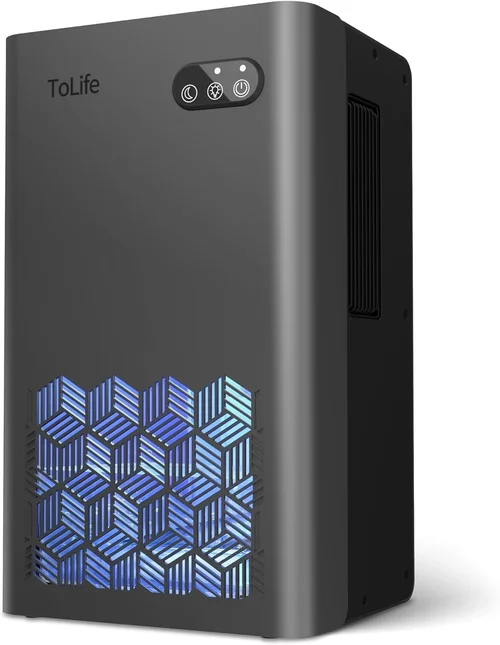
Dealing with excess moisture in your home isn’t just about comfort—it’s about health, safety, and protecting your investment. Whether you’re battling persistent dampness in a basement, musty odors in a bathroom, or condensation on windows during winter, high humidity can lead to mold growth, structural damage, and even respiratory issues. While portable dehumidifiers have long been the go-to solution, they come with limitations: they take up floor space, require frequent emptying, and often lack the power needed for larger or hard-to-reach areas. That’s where wall mounted dehumidifiers step in as a smart, space-saving alternative.
This comprehensive buying guide is designed to help you navigate the often-overlooked world of wall mounted dehumidifiers. Unlike traditional models, these units are permanently installed—typically on interior or exterior walls—and offer continuous, hands-free operation. They’re ideal for basements, crawl spaces, garages, RVs, and even commercial settings like warehouses or workshops. In this guide, you’ll learn how to evaluate performance, compare features, avoid common pitfalls, and ultimately choose the best wall mounted dehumidifier for your specific needs. We’ll cover everything from technical specs and installation requirements to budget considerations and expert tips for maximizing value.
The market for wall mounted dehumidifiers has evolved significantly in recent years. Once limited to industrial-grade units, today’s options include energy-efficient residential models with smart controls, quiet operation, and sleek designs that blend into modern homes. Brands like AprilAire, Santa Fe, and Dri-Eaz now offer systems tailored for both DIY homeowners and professional contractors. With so many choices available, it’s easy to feel overwhelmed—but armed with the right knowledge, you can make a confident, informed decision. Let’s dive into what matters most when selecting your next dehumidification solution.
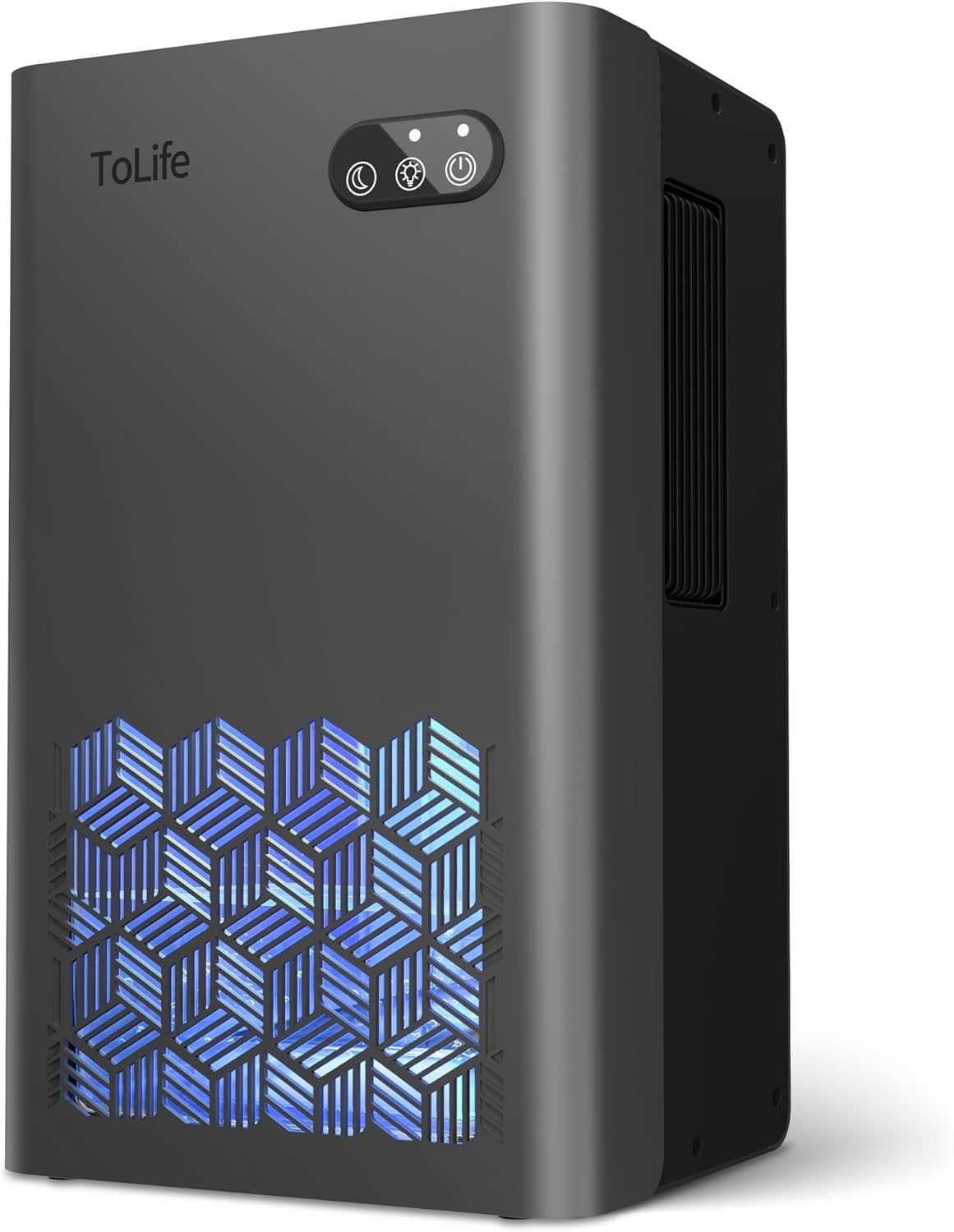
What to Look for When Buying Buying Guide
1. Performance Specifications
Performance is the backbone of any dehumidifier, and wall mounted units are no exception. The most critical metric is pints per day (PPD), which indicates how much moisture the unit can remove in a 24-hour period. For residential use, look for models ranging from 30 to 70 PPD—enough to handle a standard basement or crawl space. Commercial or high-humidity environments may require 70+ PPD. Also check the coverage area (measured in square feet), as this tells you whether the unit can effectively manage your space. A 50 PPD model might cover 1,500 sq. ft., while a 70 PPD unit could handle up to 2,500 sq. ft.
Another key spec is the operating temperature range. Most wall mounted dehumidifiers work best between 40°F and 100°F. If you’re installing in an unheated garage or crawl space that dips below 50°F in winter, ensure the unit is rated for low-temperature operation. Some advanced models use hot gas defrost technology, which prevents ice buildup on coils in cold conditions—a major advantage over basic compressor-based units.
Don’t overlook energy efficiency. Look for the Energy Factor (EF), measured in liters per kilowatt-hour (L/kWh). Higher EF values mean more moisture removed per unit of electricity. ENERGY STAR-certified models typically offer EF ratings above 1.8 L/kWh, making them cost-effective over time despite higher upfront costs.
2. Installation Requirements
Wall mounted dehumidifiers aren’t plug-and-play like portable units—they require thoughtful planning and often professional installation. First, consider mounting location: the unit should be placed where it can draw in moist air efficiently, usually near the center of the space or close to the source of humidity (e.g., a sump pump or exterior wall). Avoid areas with poor airflow or obstructions.
Next, assess electrical requirements. Most residential models run on standard 120V outlets, but higher-capacity units may need a dedicated 20-amp circuit or even 240V power. Check the manufacturer’s specs before purchasing. Also, ensure you have access to a drainage solution. Wall mounted dehumidifiers typically include a built-in condensate pump or gravity drain hose. If using gravity, the unit must be positioned above a floor drain or utility sink. For basements without drains, a model with an integrated pump (like the AprilAire E080) allows vertical drainage up to 15 feet.
Finally, think about ventilation and ducting. Some systems support ducting to direct airflow to specific zones, which is useful in large or multi-room spaces. If you plan to duct the unit, confirm it’s compatible and factor in additional materials like flexible ducting and grilles.
3. Build Quality & Durability
Since wall mounted dehumidifiers are permanent fixtures, durability is non-negotiable. Look for units constructed from corrosion-resistant materials like powder-coated steel or aluminum housings—especially important in damp environments like basements or garages. Internal components should also be robust; for example, sealed compressors and heavy-duty fans last longer than cheaper alternatives.
Pay attention to IP ratings (Ingress Protection) if installing in areas exposed to dust or moisture. An IP24 rating means protection against solid objects larger than 12mm and splashing water—sufficient for most indoor applications. For harsher conditions (e.g., workshops or outdoor sheds), aim for IP44 or higher.
Also consider warranty length and coverage. A longer warranty (5+ years) often reflects manufacturer confidence in build quality. Premium brands like Santa Fe offer 5-year compressors and 2-year parts/labor, while budget models may only include 1-year coverage.
4. Features & Functionality
Modern wall mounted dehumidifiers come packed with features that enhance convenience and control. The most important is a built-in humidistat, which automatically maintains your desired humidity level (usually adjustable between 30% and 80% RH). This eliminates manual monitoring and ensures consistent performance.
Look for digital controls and displays that show real-time humidity, temperature, and system status. Some models include remote sensors you can place in another part of the room for more accurate readings. Advanced units may offer Wi-Fi connectivity via apps (e.g., AprilAire’s MyAir app), allowing you to monitor and adjust settings from your phone—even when you’re away from home.
Other useful features include auto-restart after power outage, filter change indicators, and quiet operation modes (under 50 dB). If noise is a concern—say, in a finished basement near living areas—opt for models with insulated cabinets or variable-speed fans.
5. Brand Reputation & Reliability
Not all dehumidifier brands are created equal. Stick with established names known for reliability and customer support. AprilAire dominates the residential wall mounted market with decades of experience and a strong dealer network. Santa Fe specializes in high-performance crawl space and basement units, favored by contractors. Dri-Eaz and Quest cater more to commercial and restoration professionals but offer excellent residential options too.
Avoid obscure or generic brands sold solely through online marketplaces. These often lack proper certifications, spare parts, or responsive customer service. Read verified buyer reviews on trusted sites like Home Depot, Lowe’s, or specialized HVAC forums. Look for patterns—consistent praise for durability or complaints about leaks or failures after a few months.
Also verify that the brand offers local technical support and authorized service centers. If something goes wrong, you don’t want to ship a 100-pound unit across the country for repairs.
6. Warranty & Support
A solid warranty protects your investment and reflects the manufacturer’s confidence in their product. For wall mounted dehumidifiers, expect at least a 2-year comprehensive warranty, with compressors often covered separately for 3–5 years. Premium models may include lifetime support or extended service plans.
Read the fine print: some warranties are voided if installed by unlicensed professionals or used in non-residential settings. Also check what’s included—does it cover labor, parts, and shipping? Is there a pro-rated clause after the first year?
Customer support matters just as much. Test responsiveness by calling or emailing before you buy. Do they answer technical questions clearly? Are manuals and troubleshooting guides readily available online? Brands like AprilAire provide detailed installation videos and 24/7 phone support, which can be lifesavers during setup.
7. Size & Portability (If Applicable)
While wall mounted dehumidifiers aren’t meant to be moved frequently, their physical dimensions still matter—especially in tight spaces like crawl spaces or under stairs. Measure your installation area carefully, including clearance for airflow (typically 6–12 inches on all sides).
Weight is another factor. Most units weigh between 50 and 100 pounds. Ensure your wall can support the load—studs or concrete anchors are essential. Some models come with mounting brackets and hardware, while others require separate purchase.
That said, “portability” here refers more to ease of maintenance. Can you easily access the filter, drain hose, and internal components without disassembling the entire unit? Look for front or side panels that open smoothly and filters that slide out without tools.
8. User Reviews & Ratings
Never rely solely on manufacturer claims. Real-world user feedback reveals nuances that specs can’t capture. Focus on reviews from buyers with similar use cases—e.g., “installed in a 1,200 sq. ft. basement with high humidity.”
Pay attention to comments about noise levels, ease of installation, drainage reliability, and long-term performance. A unit might look great on paper but fail in practice due to poor condensate management or flimsy controls.
Be wary of fake reviews. Look for detailed, balanced feedback with photos or videos. Sites like Amazon, Home Depot, and Reddit’s r/HomeImprovement are good sources. If a model has dozens of 5-star reviews but no critical comments, dig deeper.
Different Types of Buying Guide

Common Buying Mistakes to Avoid
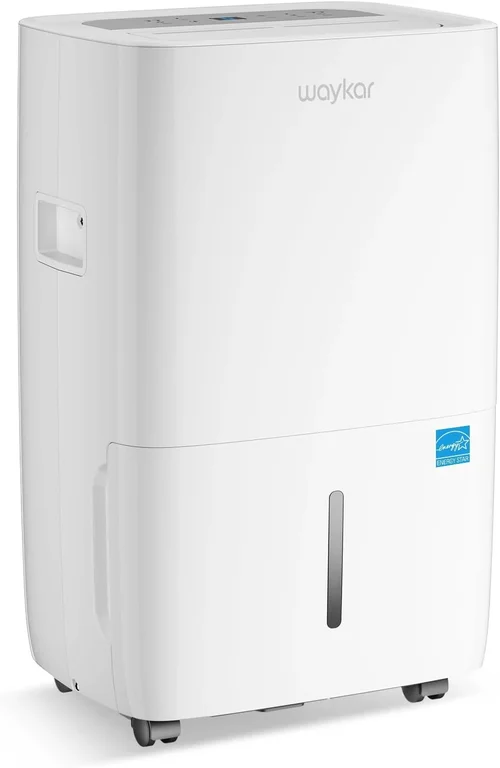
❌ Mistake: Ignoring Drainage Requirements
Why it’s bad: Many buyers assume wall mounted dehumidifiers work like portable ones—just plug in and forget. But without proper drainage, condensate can overflow, causing water damage or system shutdown. Gravity drains require elevation; pumps add cost and complexity.
What to do instead: Assess your drainage options before buying. If no floor drain exists, choose a model with a built-in condensate pump. Confirm pump head height (vertical lift capacity) matches your setup.
❌ Mistake: Overlooking Electrical Needs
Why it’s bad: High-capacity units may trip breakers if wired to standard circuits. Improper wiring can also void warranties or create fire hazards.
What to do instead: Consult an electrician if unsure. Check amperage draw and ensure your circuit can handle it. Consider a dedicated line for peace of mind.
❌ Mistake: Choosing Based Solely on Price
Why it’s bad: Cheap models often use inferior components, lack essential features like humidistats, and fail prematurely—costing more in replacements and energy bills.
What to do instead: Focus on total cost of ownership. A $1,200 unit with 5-year warranty and high efficiency may save hundreds over a decade compared to a $600 model that lasts two years.
❌ Mistake: Installing Without Proper Airflow
Why it’s bad: Mounting the unit in a corner or behind furniture restricts intake/exhaust airflow, reducing efficiency and straining the compressor.
What to do instead: Follow manufacturer clearance guidelines (usually 6–12 inches). Use ducting if needed to direct airflow to problem areas.
❌ Mistake: Neglecting Maintenance Access
Why it’s bad: Filters clog, drains clog, and coils collect dust. If you can’t easily access these components, maintenance becomes a chore—or gets skipped entirely.
What to do instead: Choose units with front or side service panels. Test filter removal before finalizing installation.
❌ Mistake: Assuming All Units Work in Cold Spaces
Why it’s bad: Standard dehumidifiers ice up below 50°F, shutting down completely. This leaves your crawl space vulnerable during winter.
What to do instead: Select a model with hot gas defrost or low-temperature certification (e.g., Santa Fe Compact70).
❌ Mistake: Skipping Professional Installation
Why it’s bad: DIY mistakes—like improper sealing or incorrect wiring—can lead to leaks, electrical issues, or reduced performance.
What to do instead: Hire a licensed HVAC technician, especially for complex setups involving ducting or 240V power. Many brands require professional install for warranty validity.
Budget Guidelines: How Much Should You Spend?
Entry-Level ($500 – $900): These budget-friendly options are best for small spaces (under 1,000 sq. ft.) with mild humidity issues. Expect basic controls, limited drainage options, and shorter warranties (1–2 years). Brands like hOmeLabs or Ivation offer wall-mountable models in this range, but they may lack durability for long-term use. Ideal for seasonal cabins or rarely used garages.
Mid-Range ($900 – $1,500): This is the sweet spot for most homeowners. Units like the AprilAire E130 or Santa Fe Advance2 provide 50–70 PPD, digital humidistats, auto-drain options, and 3–5 year warranties. They’re energy-efficient, quiet, and built to last. Perfect for finished basements, crawl spaces, or attached garages.
Premium ($1,500 – $2,500): Designed for demanding environments, these models feature advanced controls, Wi-Fi connectivity, condensate pumps, and rugged construction. The AprilAire E080 or Santa Fe Classic are top picks. They’re ideal for large basements, high-humidity regions, or users who want smart-home integration and minimal maintenance.
Luxury ($2,500+): Reserved for commercial applications or extreme conditions, luxury units offer 80+ PPD, industrial-grade components, and custom ducting options. Brands like Dri-Eaz or Quest dominate here. Only necessary for warehouses, restoration projects, or multi-zone residential systems.
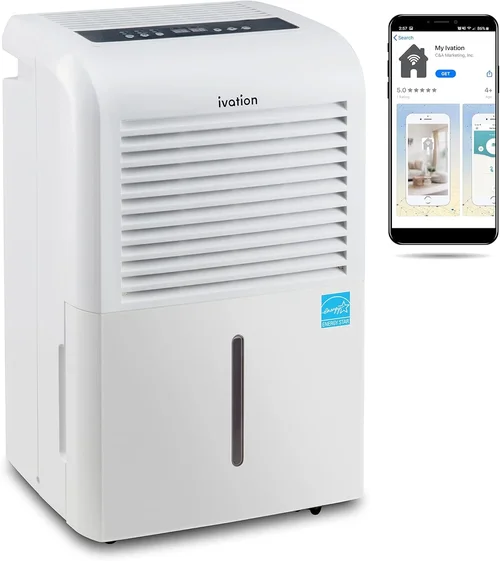
Expert Tips for Getting the Best Deal
- Buy during off-seasons: Humidity peaks in summer, so retailers often discount wall mounted units in fall and winter. Look for end-of-season sales (September–November) or holiday promotions.
- Shop authorized dealers: Avoid third-party Amazon sellers. Buy directly from brands or certified retailers like Home Depot, Lowe’s, or HVAC supply houses to ensure warranty validity and authentic products.
- Bundle with installation: Some dealers offer discounted or free installation with purchase. This saves money and ensures proper setup.
- Check for rebates: Utility companies and government programs sometimes offer rebates for ENERGY STAR dehumidifiers. Visit DSIRE.org to search for incentives in your area.
- Read return policies carefully: Wall mounted units are heavy and expensive to return. Ensure the seller allows returns within 30 days and covers return shipping.
- Test humidity levels first: Use a hygrometer ($10–$20) to measure your space’s actual humidity. This prevents overspending on an oversized unit.
- Consider refurbished models: Brands like AprilAire sell certified refurbished units at 20–30% off with full warranties. Great for budget-conscious buyers.
- Negotiate with contractors: If hiring an HVAC pro, ask if they offer package deals on equipment and labor. Some will discount the unit if you commit to installation.

Frequently Asked Questions
Q: Can I install a wall mounted dehumidifier myself?
A: It depends on your skill level and the model. Basic mounting and 120V plug-in units may be DIY-friendly, but anything involving 240V wiring, condensate pumps, or ducting should be handled by a licensed professional—both for safety and warranty compliance.
Q: Do wall mounted dehumidifiers need to be vented outside?
A: No. Unlike exhaust fans, dehumidifiers recirculate air within the same space. They don’t require exterior venting, though some models allow ducting to target specific areas.
Q: How often do I need to clean the filter?
A: Typically every 1–3 months, depending on dust levels. Most units have washable filters—rinse with water and let dry before reinstalling.
Q: Will a wall mounted dehumidifier lower my energy bills?
A: Indirectly, yes. By reducing humidity, your AC doesn’t have to work as hard to cool your home, potentially lowering summer electricity use. However, the dehumidifier itself consumes power—look for ENERGY STAR models to minimize this.
Q: Can I use a wall mounted dehumidifier in an RV or tiny home?
A: Yes, but choose a compact, low-wattage model designed for small spaces. Ensure it has a reliable drain solution, as RVs lack floor drains.
Q: What’s the difference between a dehumidifier and an air purifier?
A: Dehumidifiers remove moisture; air purifiers remove particles like dust, pollen, and smoke. Some units combine both functions, but they serve different purposes.
Q: How long do wall mounted dehumidifiers last?
A: With proper maintenance, 8–12 years is typical. Compressors are the most common failure point—opt for models with 5-year compressor warranties.
Q: Can I connect it to my smart thermostat?
A: Some advanced models (e.g., AprilAire 1820 Pro) integrate with HVAC systems and thermostats for whole-home humidity control. Check compatibility before buying.
Q: Is it normal for the unit to get warm?
A: Yes. The compressor and coils generate heat during operation. As long as it’s not excessively hot or smoking, this is normal.
Q: What if my wall isn’t strong enough to support the unit?
A: Reinforce the wall with plywood backing or install into studs/concrete. Never mount solely to drywall—it will fail under the weight.
Our Final Recommendations
Best for Budget-Conscious Buyers: hOmeLabs HME20010 – At under $800, this 50 PPD unit offers solid performance for small basements, basic digital controls, and easy wall mounting. Great for mild humidity issues.
Best Overall Value: AprilAire E130 – Priced around $1,200, it delivers 70 PPD, ENERGY STAR efficiency, a built-in pump, and a 5-year warranty. Ideal for most homes and backed by excellent support.
Best Premium Option: Santa Fe Classic – At $2,000+, this crawl space specialist excels in low temperatures, offers 70 PPD, and features a sealed design for maximum durability. Perfect for challenging environments.
Best for Beginners: AprilAire E080 – With intuitive controls, Wi-Fi capability, and professional-grade reliability, it’s user-friendly yet powerful. Great for first-time installers who want smart features.
Best for Advanced Users: Dri-Eaz F500 – A commercial beast with 100+ PPD, ducting options, and industrial build quality. Suited for large spaces, restoration work, or tech-savvy users needing maximum control.
Conclusion: Making the Right Choice
Choosing the best wall mounted dehumidifier isn’t just about picking the most powerful or cheapest model—it’s about matching the right tool to your unique environment, needs, and budget. From understanding performance specs and installation logistics to avoiding common pitfalls and leveraging expert tips, this guide equips you with everything needed to make a confident decision. Remember: a well-chosen dehumidifier doesn’t just improve air quality—it protects your home’s structure, enhances comfort, and promotes healthier living.
Prioritize your specific requirements: Are you fighting mold in a crawl space? Trying to finish a basement? Or simply tired of sticky summer air? Let that guide your selection. Don’t rush the process—invest time in research, consult professionals when needed, and consider long-term value over short-term savings. With the right wall mounted dehumidifier, you’ll enjoy drier, cleaner, and more comfortable spaces for years to come. Ready to take control of your indoor climate? Start by measuring your humidity, assessing your space, and exploring our top recommendations above. Your home—and your health—will thank you.