
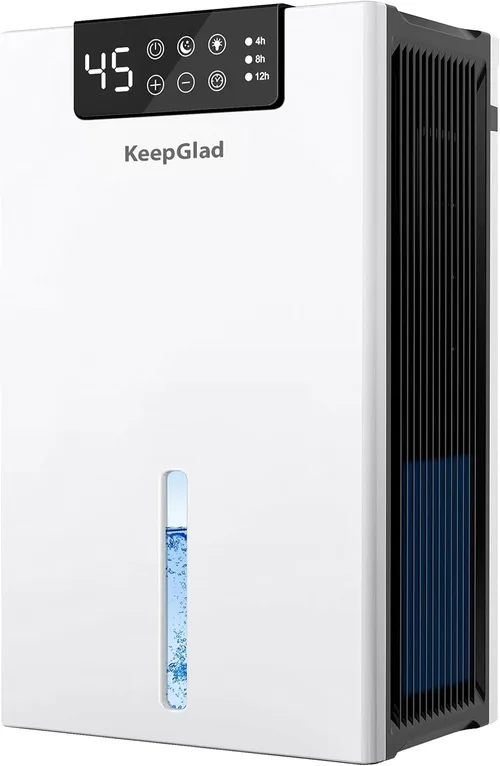
Dehumidifiers are one of those home appliances you don’t think much about—until you really need one. Whether you’re battling musty odors in the basement, preventing mold growth in a humid climate, or trying to protect your electronics from moisture damage, the right dehumidifier can make a world of difference. But here’s the catch: even the best dehumidifier won’t perform well if it’s not set up correctly. That’s why understanding the best settings for your dehumidifier is just as important as choosing the right model.
In this comprehensive guide, we’re diving deep into everything you need to know about dehumidifier settings—what they do, how to adjust them, and how to optimize performance based on your specific environment. You’ll learn how humidity levels affect your home, how to interpret your dehumidifier’s controls, and how to avoid common mistakes that reduce efficiency or increase energy costs. We’ll also walk you through key buying factors, compare different types of dehumidifiers, and offer expert tips to help you get the most value for your money.
The market today offers a wide range of dehumidifiers—from compact units perfect for small bathrooms to heavy-duty models designed for large basements or crawl spaces. With so many options, it’s easy to feel overwhelmed. But whether you’re dealing with seasonal humidity spikes or chronic dampness, knowing how to configure your unit properly ensures you’re getting the maximum benefit. This guide is designed to cut through the confusion and give you actionable, expert-backed advice so you can breathe easier—literally and figuratively.
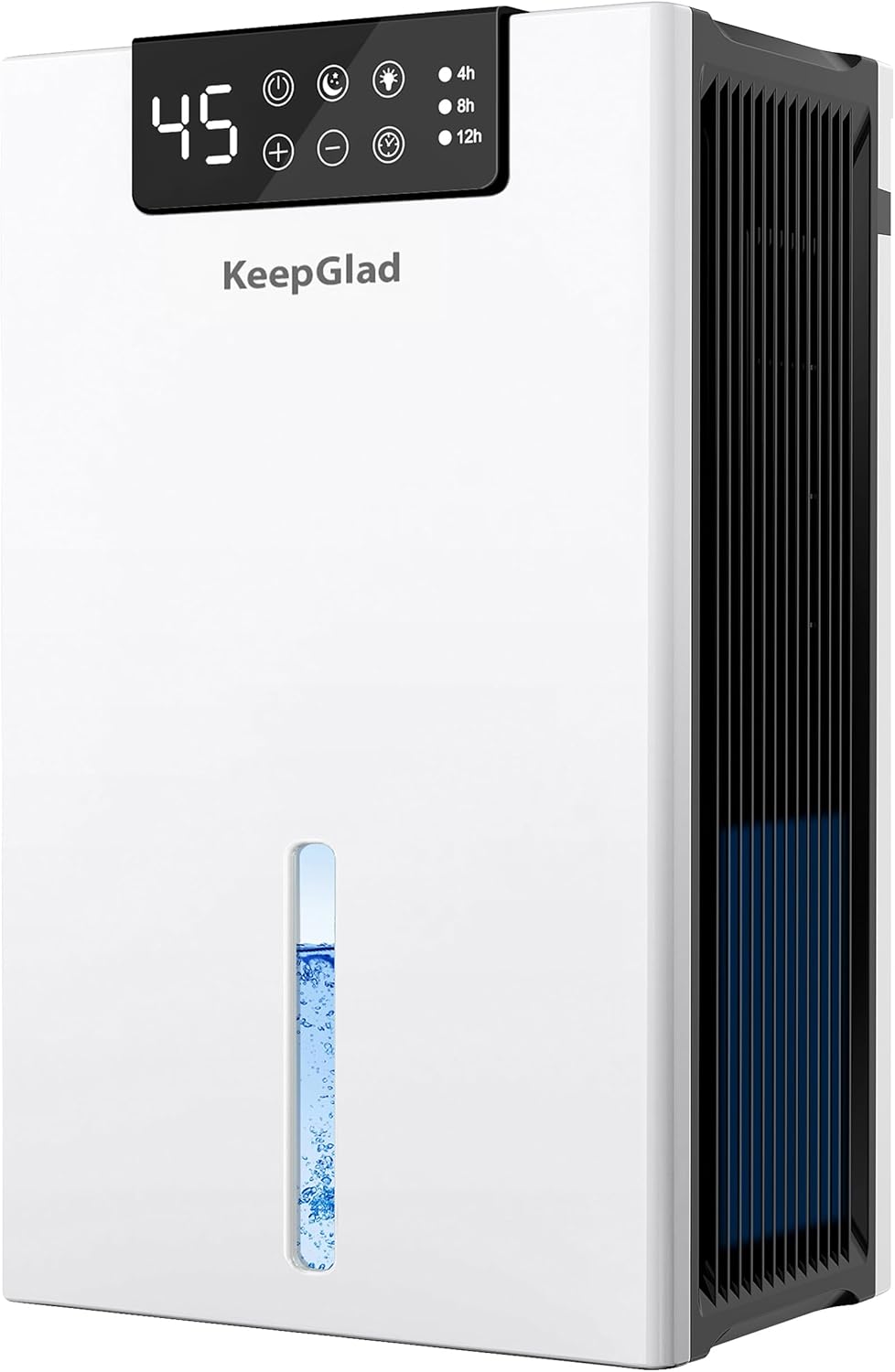
What to Look for When Buying a Dehumidifier
1. Budget & Price Range
When shopping for a dehumidifier, your budget will naturally play a major role in your decision. Prices can range from under $100 for basic models to over $500 for high-capacity, feature-rich units. It’s important to understand what you’re getting at each price point. Entry-level models typically offer limited capacity (measured in pints per day), fewer features, and may lack precise humidity control. Mid-range units strike a balance between performance and affordability, while premium models often include smart controls, energy-saving modes, and superior build quality.
Before setting a budget, consider the size of the space you need to dehumidify and the severity of your humidity problem. A small bathroom or closet might only require a $80–$120 unit, but a damp basement spanning 1,500 square feet will need something more robust, likely in the $250–$400 range. Don’t automatically go for the cheapest option—underpowered units may run constantly, increasing wear and energy bills without effectively lowering humidity.
2. Performance Specifications
Performance specs are the backbone of any dehumidifier evaluation. The most critical metric is capacity, measured in pints per day (PPD)—this tells you how much moisture the unit can remove in 24 hours. For example, a 30-pint dehumidifier is suitable for a medium-sized room (up to 1,500 sq ft) with moderate humidity, while a 70-pint model is better for large, damp areas like basements or garages.
Another key spec is the operating temperature range. Most residential dehumidifiers work best between 65°F and 80°F. If you’re using one in an unheated basement during winter, look for a model rated for lower temperatures (down to 41°F or even 33°F). Some units use cold-climate technology or dual refrigerants to maintain efficiency in chilly environments.
Also pay attention to the water tank size. Larger tanks (6–8 liters) mean less frequent emptying, which is especially helpful if you can’t check the unit daily. However, many modern models include auto-shutoff and continuous drainage options, which eliminate the need to empty the tank altogether.
3. Build Quality & Durability
A dehumidifier is a long-term investment, so durability matters. Look for units with sturdy casings, corrosion-resistant coils, and high-quality internal components. Cheaper models often use thin plastic and lower-grade compressors, which can fail prematurely—especially in high-humidity environments where the unit runs frequently.
Check the materials used in the condenser and evaporator coils. Copper coils are more durable and efficient than aluminum, though they may add to the cost. Also consider the unit’s weight and construction—heavier, solidly built models tend to last longer and operate more quietly.
Another durability factor is the filter. A washable, reusable filter is ideal because it reduces long-term maintenance costs. Some premium models even include HEPA or activated carbon filters that improve air quality by trapping allergens and odors.
4. Features & Functionality
Modern dehumidifiers come with a variety of features that can significantly improve usability and efficiency. One of the most important is a built-in humidistat, which measures the current humidity level and allows you to set a target (e.g., 45% or 50%). The unit will then cycle on and off automatically to maintain that level, preventing over-drying and saving energy.
Other useful features include:
– Auto-restart: Resumes operation after a power outage.
– Timer function: Lets you schedule operation for specific hours.
– Continuous drainage: Connects to a hose for hands-free water removal.
– Defrost mode: Prevents ice buildup on coils in cold environments.
– Smart controls: Wi-Fi connectivity and app control for remote monitoring.
Some high-end models even include air purification systems, UV lights, or ionizers to kill mold spores and bacteria. While these extras can be nice, they’re not essential for basic dehumidification. Focus on core functionality first, then consider upgrades based on your needs.
5. Brand Reputation
Not all dehumidifier brands are created equal. Some manufacturers have decades of experience in climate control and consistently produce reliable, high-performing units. Well-known brands like Frigidaire, hOmeLabs, GE, Danby, and AprilAire are trusted by consumers and professionals alike for their quality and customer service.
Researching brand reputation can save you from buying a poorly designed or short-lived product. Look for brands with strong warranties, responsive customer support, and a history of innovation. Avoid generic or no-name brands sold exclusively on online marketplaces—they often lack proper testing, certifications, or replacement parts.
That said, newer brands can sometimes offer great value. Just be sure to read verified customer reviews and check third-party ratings from sources like Consumer Reports or Energy Star.
6. Warranty & Support
A solid warranty is a strong indicator of a manufacturer’s confidence in their product. Most reputable dehumidifiers come with a 1- to 2-year limited warranty, covering parts and labor. Some premium models offer extended warranties (up to 5 years), especially on the compressor—the heart of the unit.
Before purchasing, review the warranty terms carefully. Does it cover both parts and labor? Is there a service center nearby? Can you get replacement filters or coils easily? Also check if the warranty is voided by improper use, such as operating the unit outside its recommended temperature range.
Customer support is equally important. A brand with a helpful, responsive support team can make troubleshooting and repairs much easier. Look for companies that offer phone, email, and live chat support, as well as detailed user manuals and online resources.
7. Size & Portability
Dehumidifiers come in various sizes, from compact 10-pint units that fit under a sink to large 70-pint behemoths that weigh over 50 pounds. Consider where you’ll place the unit and how often you’ll need to move it. If you plan to use it in multiple rooms, look for a model with sturdy wheels and a handle.
Portability also affects noise levels. Smaller units tend to be quieter, but larger models may have louder fans and compressors. If you’re placing the dehumidifier in a bedroom or living area, check the decibel (dB) rating—ideally under 50 dB for quiet operation.
Don’t forget about clearance space. Most dehumidifiers need at least 6–12 inches of airflow around the vents to function efficiently. Measure your intended location and compare it to the unit’s dimensions before buying.
8. User Reviews & Ratings
User reviews are one of the best ways to gauge real-world performance. Look for patterns in feedback—do multiple users mention the same issue, like frequent breakdowns or inaccurate humidity readings? Are people satisfied with the noise level, ease of use, or customer service?
Pay attention to reviews from people in similar climates or home setups. A dehumidifier that works well in a dry desert may struggle in a humid coastal area. Also check how long users have owned the unit—long-term reviews (6+ months) are more valuable than initial impressions.
While no product has 100% positive reviews, aim for models with an average rating of 4 stars or higher and a high number of verified purchases.
Different Types of Dehumidifiers

Refrigerant dehumidifiers are the most common and effective for typical home use. They use a compressor to cool coils, causing moisture in the air to condense and collect in a tank. These work best in warm, humid environments—ideal for basements and living rooms during summer.
Desiccant models, on the other hand, use a moisture-absorbing material (like silica gel) to pull water from the air. They don’t rely on cooling, so they perform well in cold spaces like garages or unheated basements. However, they tend to be less energy-efficient and may produce more heat as a byproduct.
Whole-house dehumidifiers are installed directly into your HVAC system and can handle large volumes of air across multiple rooms. They’re perfect for homes in high-humidity regions or those with central air systems. While expensive, they offer unmatched coverage and convenience.
Mini and thermo-electric units are best for spot treatment. A thermo-electric dehumidifier, for example, uses a Peltier module to create a cold surface for condensation. It’s nearly silent and uses very little power, making it great for closets or RVs—but it can only remove a few ounces of water per day.
Common Buying Mistakes to Avoid
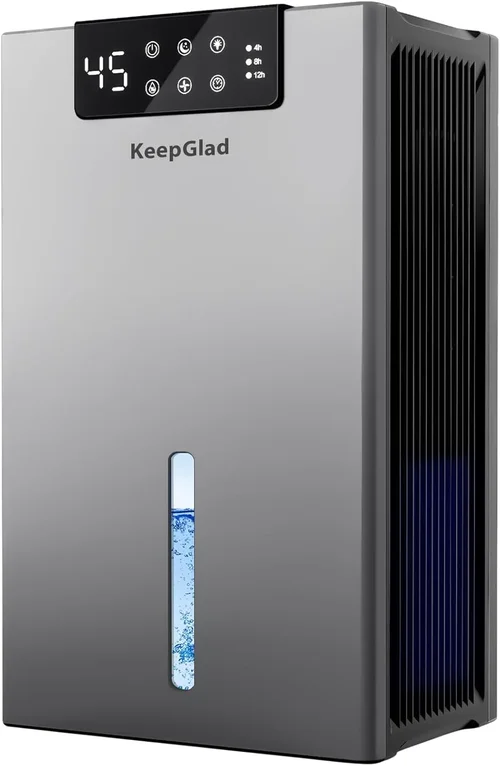
❌ Mistake: Buying a Unit That’s Too Small
Why it’s bad: An underpowered dehumidifier will run constantly, struggle to lower humidity, and wear out quickly. It may also increase your electricity bill without providing noticeable results.
What to do instead: Calculate your space’s square footage and assess the humidity level. Use the manufacturer’s sizing guide—most recommend 20–30 pints for a 500–1,000 sq ft moderately damp area, and 50–70 pints for larger or wetter spaces.
❌ Mistake: Ignoring the Humidistat
Why it’s bad: Without a humidistat, you can’t set a target humidity level. The unit may run nonstop, drying the air too much (below 30%), which can cause dry skin, static electricity, and damage to wood furniture.
What to do instead: Choose a model with a built-in humidistat and set it between 30% and 50%. This range is ideal for comfort, health, and mold prevention.
❌ Mistake: Overlooking Drainage Options
Why it’s bad: If you forget to empty the water tank regularly, the unit will shut off and stop working. This is especially problematic if you’re away from home or have a high-moisture environment.
What to do instead: Opt for a model with continuous drainage (via a hose) or auto-shutoff with a full-tank alert. For basements, consider a unit with a built-in pump for uphill drainage.
❌ Mistake: Placing the Unit in the Wrong Spot
Why it’s bad: Dehumidifiers need proper airflow to work efficiently. Placing them in a corner, behind furniture, or too close to walls restricts air intake and reduces performance.
What to do instead: Position the unit in the center of the room or near the source of moisture (e.g., near a washing machine or sump pump). Leave at least 6–12 inches of clearance on all sides.
❌ Mistake: Running It Year-Round Without Adjustment
Why it’s bad: Humidity levels change with the seasons. Running a dehumidifier at the same setting in winter can over-dry the air, especially in heated homes where indoor air is already dry.
What to do instead: Adjust the humidity setting seasonally. In summer, aim for 45–50%. In winter, increase it to 50–60% or turn the unit off if indoor humidity is already low.
❌ Mistake: Neglecting Maintenance
Why it’s bad: A dirty filter or clogged coils reduce efficiency, increase energy use, and can lead to mold growth inside the unit.
What to do instead: Clean the filter monthly and wipe down the coils and water tank every few months. Follow the manufacturer’s maintenance schedule.
❌ Mistake: Choosing Based on Price Alone
Why it’s bad: The cheapest model may lack essential features, have poor build quality, or consume more energy over time.
What to do instead: Balance cost with features, capacity, and efficiency. A mid-range model with a good warranty and Energy Star rating often offers the best long-term value.
Budget Guidelines: How Much Should You Spend?
– Entry-Level ($80–$150): These are ideal for small spaces like bathrooms, closets, or RVs. Expect basic functionality, limited capacity (10–20 pints), and manual controls. Some may lack a humidistat or auto-shutoff. Best for occasional use or mild humidity issues.
– Mid-Range ($150–$300): This is the sweet spot for most homeowners. These units typically offer 30–50 pint capacity, built-in humidistats, auto-restart, and continuous drainage options. They’re efficient, reliable, and suitable for basements, laundry rooms, and medium-sized living areas.
– Premium ($300–$500): Designed for heavy-duty use, these models feature high capacity (50–70+ pints), advanced controls, smart connectivity, and superior build quality. They often include defrost modes, washable filters, and quiet operation—perfect for large basements or high-humidity climates.
– Luxury ($500+): These are whole-house or industrial-grade units with HVAC integration, remote monitoring, and professional installation. They’re ideal for large homes, commercial spaces, or severe moisture problems. While expensive, they offer unmatched performance and convenience.
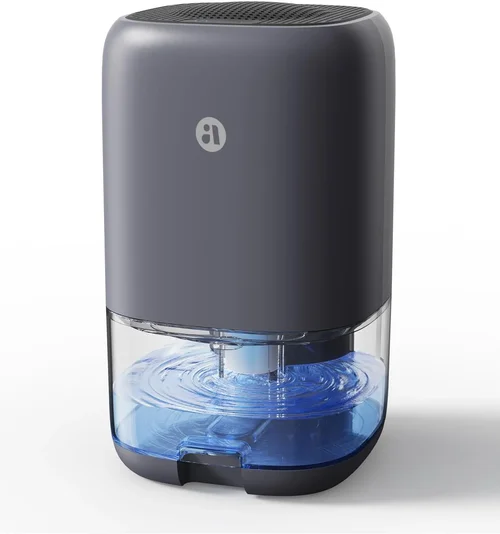
Expert Tips for Getting the Best Deal
– Buy during off-seasons: Dehumidifiers are in highest demand during summer. Shop in late fall or winter for better deals and discounts.
– Check retailer return policies: Some stores offer extended return windows or price matching. This gives you time to test the unit and ensure it meets your needs.
– Look for bundle deals: Some retailers offer discounts when you buy a dehumidifier with an air purifier or humidifier.
– Read the fine print on warranties: Some brands require registration within 30 days to activate the warranty. Keep your receipt and follow the process.
– Test before committing: If possible, run the unit for a few days and monitor humidity levels with a separate hygrometer. This helps verify accuracy and performance.
– Consider energy costs: A cheaper unit that uses more electricity can cost more over time. Check the wattage and estimated annual operating cost.
– Buy from authorized dealers: This ensures you get a genuine product with full warranty coverage. Avoid third-party sellers on unverified platforms.

Frequently Asked Questions
Q: What humidity level should I set my dehumidifier to?
A: The ideal indoor humidity level is between 30% and 50%. For most homes, 45% is a great target. In winter, you can go up to 50–60% to avoid over-drying the air. Use a hygrometer to monitor levels and adjust accordingly.
Q: Should I run my dehumidifier all the time?
A: Not necessarily. If your unit has a humidistat, it will cycle on and off automatically to maintain your set level. Running it continuously is only needed in extremely damp conditions or if you’re using it for flood recovery.
Q: Can a dehumidifier help with mold?
A: Yes—by reducing moisture, dehumidifiers make it harder for mold to grow. However, they won’t remove existing mold. Clean visible mold first, then use the dehumidifier to prevent recurrence.
Q: How often should I empty the water tank?
A: It depends on humidity levels and tank size. In high-moisture areas, you may need to empty it daily. Models with continuous drainage or auto-shutoff reduce this hassle.
Q: Do dehumidifiers use a lot of electricity?
A: It varies. A typical 50-pint unit uses about 500–700 watts. Energy Star models are more efficient. To reduce costs, run the unit only when needed and maintain it regularly.
Q: Can I use a dehumidifier in winter?
A: Yes, but only if the room is above 65°F. Most refrigerant models lose efficiency in cold temperatures. For unheated spaces, choose a desiccant or cold-climate model.
Q: How do I know if my dehumidifier is working properly?
A: Check the water tank—if it’s filling up, the unit is removing moisture. Also, use a hygrometer to verify that humidity levels are dropping. If the tank isn’t filling and humidity remains high, the unit may need servicing.
Q: Should I buy a dehumidifier with a built-in pump?
A: A built-in pump allows you to drain water upward (e.g., into a sink or out a window). This is useful in basements without floor drains. It’s a worthwhile upgrade if you plan to use continuous drainage.
Q: Can a dehumidifier replace an air conditioner?
A: No. While both remove moisture, only an AC cools the air. A dehumidifier may make a room feel more comfortable by reducing humidity, but it won’t lower the temperature.
Q: How long do dehumidifiers last?
A: With proper maintenance, most dehumidifiers last 5–10 years. Compressor-based units tend to last longer than thermo-electric models. Regular cleaning and avoiding extreme conditions can extend lifespan.
Our Final Recommendations
– Best for Budget-Conscious Buyers: hOmeLabs 30-Pint Dehumidifier – Affordable, reliable, and Energy Star certified. Great for small to medium rooms with moderate humidity.
– Best Overall Value: Frigidaire FFAD7033R1 70-Pint Dehumidifier – High capacity, built-in humidistat, continuous drainage, and quiet operation. Ideal for basements and large spaces.
– Best Premium Option: AprilAire E130 Whole-House Dehumidifier – Professional-grade, HVAC-integrated, and capable of handling up to 3,800 sq ft. Perfect for high-humidity homes.
– Best for Beginners: GE ADEL30LR 30-Pint Dehumidifier – Simple controls, auto-humidistat, and easy-to-empty tank. Great for first-time users.
– Best for Advanced Users: Ivation 70-Pint Energy Star Dehumidifier with Pump – Includes smart controls, built-in pump, and app connectivity. Ideal for tech-savvy homeowners who want full control.
Conclusion: Making the Right Choice
Choosing the right dehumidifier—and setting it correctly—can dramatically improve your home’s air quality, comfort, and longevity. From understanding capacity and humidity targets to avoiding common pitfalls, this guide has equipped you with the knowledge to make an informed decision. Remember, the best dehumidifier isn’t necessarily the most expensive or powerful—it’s the one that matches your space, climate, and lifestyle.
Take the time to assess your needs, read reviews, and compare features. Don’t rush into a purchase based on price alone. A well-chosen, properly configured dehumidifier will pay for itself in energy savings, reduced maintenance, and peace of mind. Whether you’re fighting mold, protecting valuables, or simply breathing easier, the right settings make all the difference.
Now that you know what to look for, it’s time to take action. Measure your space, check your humidity levels, and invest in a unit that delivers real results. Your home—and your health—will thank you.