
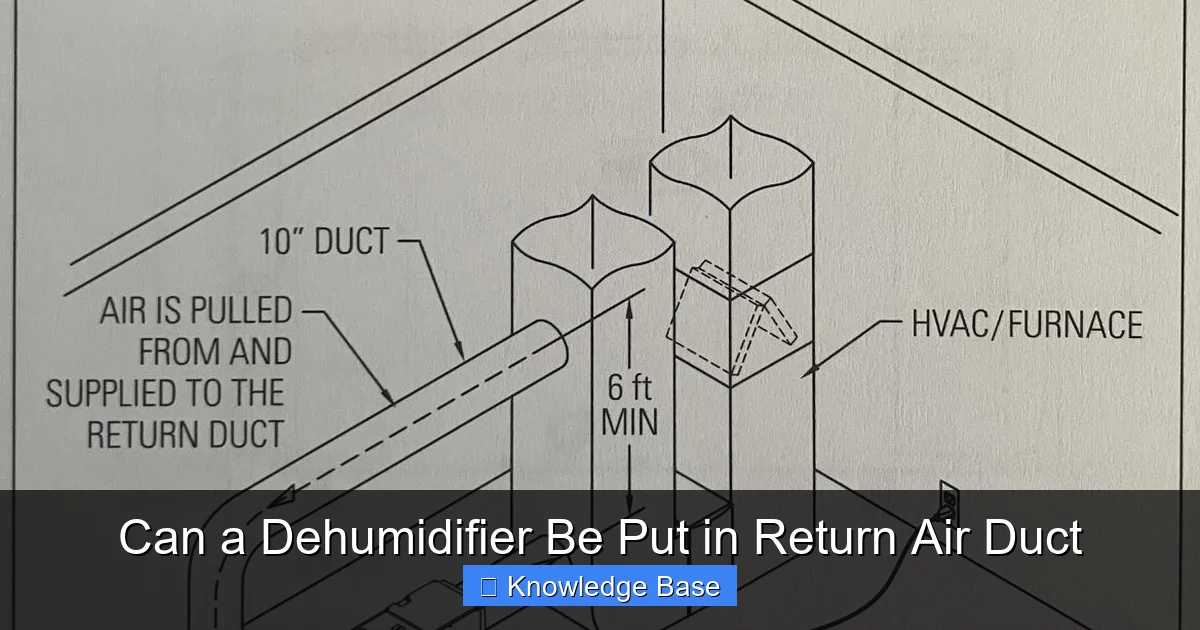
Yes, a dehumidifier can be installed in a return air duct, but it requires careful planning and the right equipment. This setup can improve whole-home humidity control, but improper installation may reduce HVAC efficiency or damage components. Always consult an HVAC professional before making changes.
Key Takeaways
- Yes, it’s possible: A dehumidifier can be integrated into a return air duct to manage humidity throughout your home.
- Requires professional installation: Proper sizing, sealing, and electrical work are essential to avoid system damage or inefficiency.
- Improves indoor air quality: Reducing excess moisture helps prevent mold, dust mites, and musty odors.
- May affect HVAC performance: If not balanced correctly, airflow restrictions can strain your furnace or air conditioner.
- Best for high-humidity areas: Homes in humid climates or with poor ventilation benefit most from ducted dehumidification.
- Energy efficiency varies: Some systems increase energy use, while others, like energy-recovery ventilators, offer better efficiency.
- Maintenance is crucial: Regular filter changes and coil cleaning ensure long-term performance and prevent mold growth.
Quick Answers to Common Questions
Can I install a portable dehumidifier in my return air duct?
No, portable dehumidifiers are not designed for ducted installation. They lack the airflow capacity, controls, and safety features needed for HVAC integration.
Will a ducted dehumidifier cool my home?
No, it removes moisture, not heat. However, drier air feels cooler, so you may feel more comfortable at the same temperature.
How much does it cost to install a dehumidifier in a return duct?
Total costs typically range from $2,000 to $5,000, including equipment and professional installation.
Can a dehumidifier damage my HVAC system?
Only if improperly installed. A qualified technician will ensure it doesn’t restrict airflow or cause pressure issues.
Do I need a dehumidifier if I have central air conditioning?
Not always, but in humid climates, your AC may not remove enough moisture. A dehumidifier can help maintain comfort and prevent mold.
📑 Table of Contents
- Understanding the Basics: What Is a Return Air Duct?
- Can a Dehumidifier Be Put in Return Air Duct? The Short Answer
- How Does a Ducted Dehumidifier Work?
- Benefits of Installing a Dehumidifier in the Return Air Duct
- Potential Challenges and Considerations
- When Is a Ducted Dehumidifier the Right Choice?
- Installation Best Practices
- Alternatives to Ducted Dehumidifiers
- Conclusion
Understanding the Basics: What Is a Return Air Duct?
If you’ve ever looked at your HVAC system, you’ve probably seen those grilles on walls or ceilings with air flowing into them—those are return air ducts. Their job is simple but vital: they pull air from your living spaces back to your furnace or air handler so it can be reheated, cooled, or filtered before being sent back out through supply ducts.
Think of the return duct as the “inhalation” part of your home’s breathing cycle. Without it, your HVAC system wouldn’t have a steady flow of air to condition. The air that enters the return duct carries with it everything from dust and pet dander to moisture from showers, cooking, and even breathing. That moisture—water vapor in the air—is what we call humidity.
In many homes, especially in humid climates or during summer months, this returning air can be quite damp. If left unchecked, high humidity levels can lead to discomfort, mold growth, and damage to furniture and walls. This is where a dehumidifier comes in. But can you just slap one into the return duct and call it a day? Not quite. There’s more to it than that.
Can a Dehumidifier Be Put in Return Air Duct? The Short Answer
Visual guide about Can a Dehumidifier Be Put in Return Air Duct
Image source: s3-assets.sylvane.com
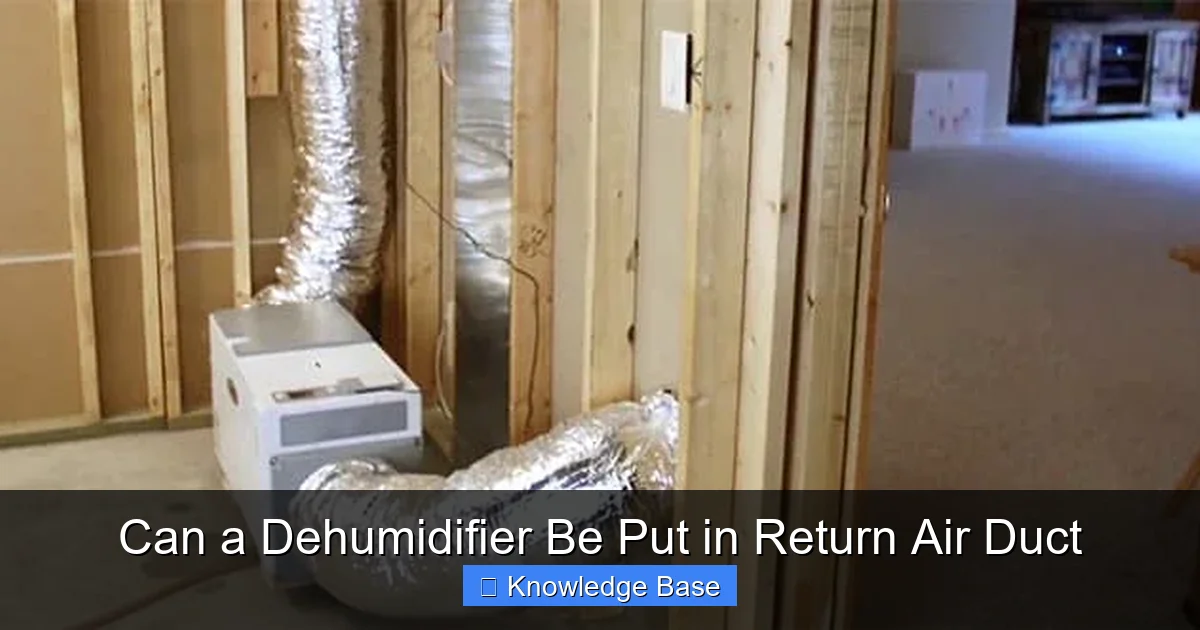
Yes, a dehumidifier can be installed in a return air duct—but it’s not as simple as plugging in a portable unit and sliding it into the ductwork. This type of installation is typically done with a whole-house dehumidifier that’s specifically designed to integrate with your HVAC system.
These systems are built to handle the airflow and pressure of central heating and cooling systems. They’re usually installed inline with the return duct, either before or after the air handler, depending on the design. The dehumidifier pulls in moist air, removes the excess moisture, and then sends drier air back into the system to be conditioned and distributed.
But here’s the catch: not all dehumidifiers are meant for ducted installation. Portable units, for example, aren’t built to handle the constant airflow of an HVAC system. They also lack the controls and safety features needed for seamless integration. That’s why it’s critical to use a model that’s rated for whole-home or HVAC integration.
How Does a Ducted Dehumidifier Work?
Visual guide about Can a Dehumidifier Be Put in Return Air Duct
Image source: hvacseer.com
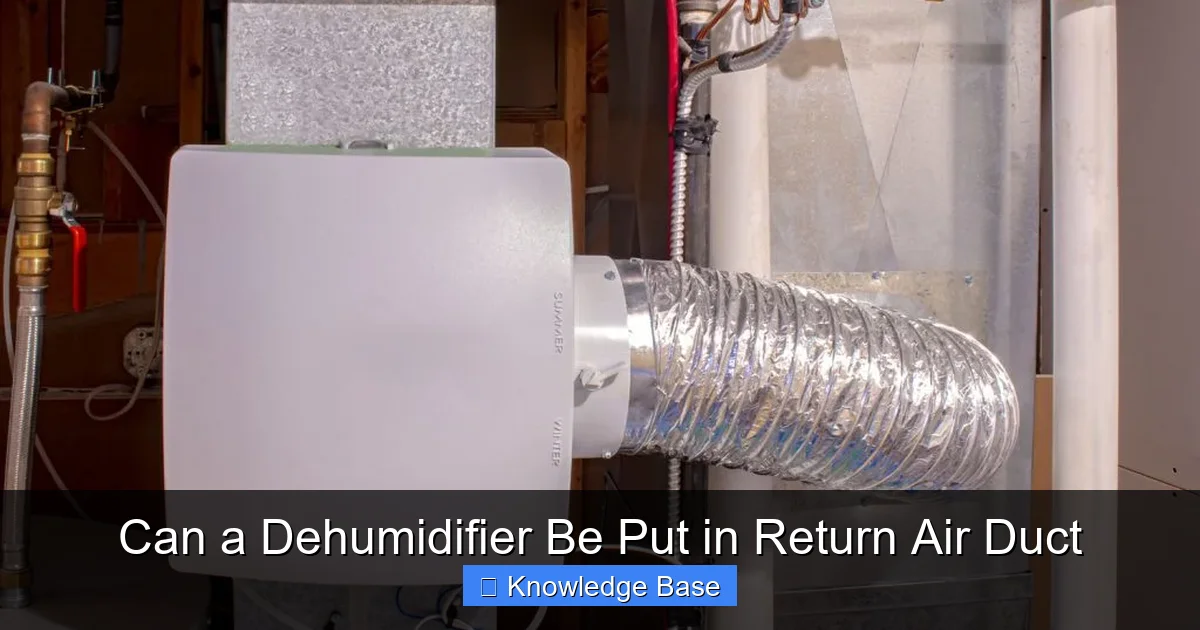
A ducted dehumidifier works similarly to a portable one—it uses a refrigeration cycle to pull moisture from the air—but it’s engineered to function within the airflow of your HVAC system.
The Refrigeration Process
Here’s how it goes: warm, moist air from your home enters the return duct and passes over the dehumidifier’s cold evaporator coils. As the air cools, the moisture condenses into water droplets, which are collected in a drain pan and sent to a drain line. The now-drier air then moves over the condenser coils, where it’s reheated slightly before rejoining the main airflow.
This process reduces the overall humidity level in your home without drastically changing the temperature. In fact, many homeowners notice that their home feels more comfortable at the same thermostat setting because dry air feels cooler than humid air.
Integration with HVAC System
The dehumidifier is typically installed in the return duct just before the air reaches the furnace or air handler. Some systems are designed to operate independently of the HVAC system, meaning they can run even when the furnace or AC isn’t active. This is especially useful during shoulder seasons (spring and fall) when you don’t need heating or cooling but still have high humidity.
Other models are designed to work in tandem with your HVAC system, turning on only when the furnace or AC is running. This can be more energy-efficient but may not provide dehumidification when it’s needed most—like on a cool, humid day when the AC isn’t kicking on.
Controls and Sensors
Modern ducted dehumidifiers come with built-in humidistats and smart controls. You can set your desired humidity level (usually between 30% and 50%), and the system will automatically turn on and off to maintain it. Some even connect to smart thermostats or home automation systems, allowing you to monitor and adjust settings from your phone.
This level of control is a big advantage over portable units, which often require manual monitoring and emptying of water tanks.
Benefits of Installing a Dehumidifier in the Return Air Duct
There are several compelling reasons to consider a ducted dehumidifier, especially if you live in a humid climate or have ongoing moisture issues.
Whole-Home Humidity Control
One of the biggest advantages is that a ducted system treats the entire house, not just one room. Portable dehumidifiers are limited to the area they’re in, which means you might need multiple units to cover a large home. A ducted system, on the other hand, pulls air from every room connected to the return duct, ensuring consistent humidity levels throughout.
Imagine coming home after a rainy day and not having to worry about musty smells in the basement or sticky air in the bedrooms. With a ducted dehumidifier, your whole house stays dry and comfortable.
Improved Indoor Air Quality
High humidity creates the perfect breeding ground for mold, mildew, and dust mites—all of which can trigger allergies and respiratory issues. By keeping humidity in check, a ducted dehumidifier helps reduce these allergens and improves overall air quality.
In homes with asthma or allergy sufferers, this can make a noticeable difference in health and comfort. Plus, drier air means less condensation on windows and walls, which reduces the risk of mold growth in hidden areas like behind drywall or under carpets.
Protects Your Home and Belongings
Excess moisture can warp wood floors, damage furniture, and ruin electronics. It can also cause paint to peel and wallpaper to bubble. By maintaining optimal humidity levels, a ducted dehumidifier helps preserve the integrity of your home’s structure and your personal belongings.
For example, if you have a home theater with expensive audio equipment or a library with rare books, controlling humidity is essential to prevent damage.
Enhanced HVAC Efficiency
Believe it or not, a dehumidifier can actually help your HVAC system work more efficiently. When the air is too humid, your air conditioner has to work harder to cool your home because it’s also removing moisture. This dual task can increase energy consumption and wear on the system.
By pre-drying the air, a ducted dehumidifier reduces the load on your AC, potentially lowering your energy bills and extending the life of your equipment.
Reduces Musty Odors
That damp, earthy smell you sometimes notice in basements or closets? That’s often a sign of high humidity and microbial growth. A ducted dehumidifier helps eliminate these odors by keeping the air dry and preventing mold and mildew from thriving.
Potential Challenges and Considerations
While the benefits are clear, installing a dehumidifier in the return air duct isn’t without its challenges. Here are some important factors to consider before moving forward.
Airflow Restrictions
Adding any device to your ductwork can restrict airflow, which may reduce the efficiency of your HVAC system. If the dehumidifier isn’t properly sized or installed, it could create backpressure that strains your furnace or air handler.
This is why it’s crucial to have a professional assess your system’s airflow capacity before installation. They can ensure the dehumidifier won’t interfere with proper air circulation.
Installation Complexity
Unlike plugging in a portable unit, installing a ducted dehumidifier requires cutting into your ductwork, sealing connections, and possibly running electrical wiring. This isn’t a DIY project for most homeowners.
You’ll need an HVAC technician or contractor with experience in dehumidifier installations. They’ll also need to ensure the system is properly grounded and meets local electrical codes.
Drainage Requirements
Dehumidifiers produce water—sometimes several gallons a day in humid conditions. The collected water must be drained away, usually via a condensate drain line connected to your home’s plumbing or a nearby floor drain.
If your return duct is in an attic or crawlspace without easy access to a drain, this can complicate installation. Some systems include built-in pumps to move water to a remote drain, but this adds cost and complexity.
Energy Consumption
While dehumidifiers can improve HVAC efficiency, they also consume electricity. Depending on the model and usage, a whole-house dehumidifier can add $10 to $30 per month to your energy bill.
Look for ENERGY STAR-certified models, which are more efficient and may qualify for rebates. Also, consider systems with variable-speed fans and smart controls to minimize energy use.
Maintenance Needs
Like any HVAC component, a ducted dehumidifier requires regular maintenance. This includes cleaning or replacing air filters, checking the drain line for clogs, and inspecting coils for dirt or mold.
Neglecting maintenance can reduce performance and even lead to system failure. Set a reminder to check your system every few months, or consider a maintenance plan with your HVAC provider.
Cost of Installation
The upfront cost of a ducted dehumidifier can be significant. Equipment typically ranges from $1,500 to $3,500, and professional installation can add another $500 to $1,500, depending on your home’s layout and existing ductwork.
While this is more expensive than a portable unit, the long-term benefits in comfort, air quality, and home protection often justify the investment—especially in high-humidity areas.
When Is a Ducted Dehumidifier the Right Choice?
Not every home needs a dehumidifier in the return air duct. Here are some scenarios where it makes the most sense.
You Live in a Humid Climate
If you’re in the Southeast, Gulf Coast, or any region with high annual humidity, a ducted dehumidifier can be a game-changer. These areas often experience humidity levels above 60% for much of the year, making portable units insufficient.
You Have a Finished Basement or Crawlspace
Basements and crawlspaces are prone to moisture problems due to their proximity to the ground. A ducted dehumidifier can help keep these areas dry and usable, whether you’re finishing the basement or just storing items there.
Your HVAC System Struggles with Humidity
If your air conditioner runs constantly but your home still feels sticky, your AC may be oversized or unable to handle latent heat (moisture). A dehumidifier can take over the moisture removal task, improving comfort and efficiency.
You’ve Had Mold or Mildew Issues
If you’ve dealt with mold in the past, a ducted dehumidifier can help prevent it from returning. By keeping humidity below 50%, you create an environment where mold can’t thrive.
You Want Whole-Home Comfort
If you’re tired of moving a portable dehumidifier from room to room, a ducted system offers a seamless, automated solution. Set it once, and forget it.
Installation Best Practices
If you’ve decided a ducted dehumidifier is right for your home, here are some tips to ensure a successful installation.
Hire a Qualified HVAC Professional
This cannot be stressed enough. A licensed technician will assess your ductwork, calculate the correct size, and ensure proper integration with your HVAC system. They’ll also handle permits and inspections if required.
Choose the Right Location
The dehumidifier should be installed in a section of the return duct that’s accessible for maintenance and close to a drain. Avoid tight spaces or areas with extreme temperatures.
Seal All Connections
Leaky ducts can reduce efficiency and allow untreated air to bypass the dehumidifier. Use foil tape or mastic sealant to ensure all joints are airtight.
Install a Bypass Damper (If Needed)
Some systems include a bypass damper that allows air to flow around the dehumidifier when it’s not in use. This helps maintain airflow and prevents pressure buildup.
Set Realistic Humidity Levels
Aim for 30% to 50% relative humidity. Going too low (below 30%) can cause dry skin and static electricity, while going too high defeats the purpose.
Monitor and Maintain
Check the system monthly, clean filters, and inspect the drain line. Schedule professional servicing annually.
Alternatives to Ducted Dehumidifiers
If a ducted system isn’t feasible, consider these alternatives:
Portable Dehumidifiers
Great for single rooms or small spaces. Look for models with auto-humidistats and continuous drain options.
Energy Recovery Ventilators (ERVs)
These systems exchange stale indoor air with fresh outdoor air while recovering energy and moisture. They’re ideal for tightly sealed homes.
Desiccant Dehumidifiers
Use silica gel instead of refrigeration, making them effective in cooler temperatures. Often used in basements or garages.
Upgrading Your HVAC System
Some modern air conditioners and heat pumps have enhanced dehumidification modes. Ask your HVAC pro if your system can be optimized.
Conclusion
So, can a dehumidifier be put in return air duct? Absolutely—but it’s not a one-size-fits-all solution. When installed correctly by a professional, a ducted dehumidifier can dramatically improve your home’s comfort, air quality, and energy efficiency. It’s especially valuable in humid climates or homes with moisture problems.
However, it’s important to weigh the costs, maintenance, and potential impact on your HVAC system. For many homeowners, the long-term benefits far outweigh the initial investment. Just remember: don’t try to DIY this one. Leave it to the experts to ensure safe, effective, and code-compliant installation.
If you’re tired of fighting humidity with temporary fixes, a ducted dehumidifier might be the smart, permanent solution you’ve been looking for.
Frequently Asked Questions
Can a dehumidifier be installed in any return air duct?
Not all return ducts are suitable. The duct must be large enough, accessible, and located near a drain. A professional assessment is required.
How often should I clean my ducted dehumidifier?
Clean or replace filters every 1–3 months and inspect coils and drain lines monthly. Annual professional servicing is recommended.
Will a ducted dehumidifier increase my energy bill?
It may add $10–$30 per month, but it can also reduce AC runtime, potentially offsetting some of the cost.
Can I run the dehumidifier when the HVAC system is off?
Some models can operate independently, while others only run with the furnace or AC. Check your unit’s specifications.
Is a ducted dehumidifier noisy?
Most are quieter than portable units, but you may hear a low hum when it’s running. Proper installation minimizes noise.
Do I still need a portable dehumidifier after installing a ducted system?
Usually not. A properly sized ducted system should handle whole-home humidity, eliminating the need for portable units.