
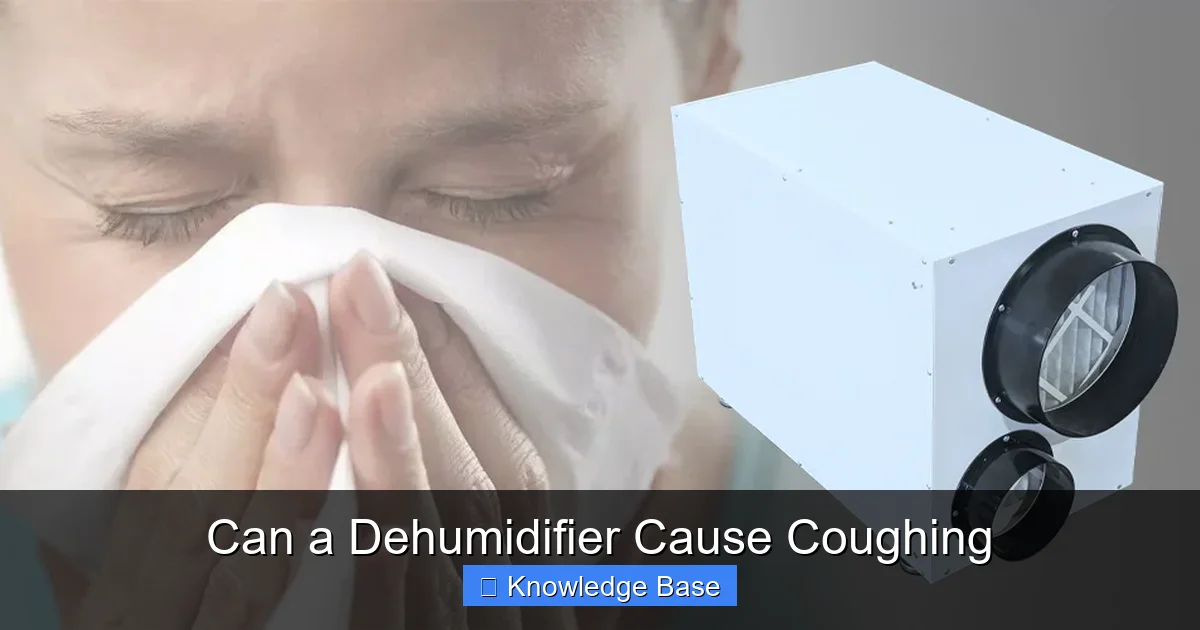
While dehumidifiers are designed to improve indoor air quality, they can sometimes contribute to coughing if not used or maintained properly. Factors like mold growth in the unit, over-drying the air, or releasing dust and bacteria into the room may irritate your airways. Understanding how to use your dehumidifier correctly can help you enjoy its benefits without unwanted side effects.
Key Takeaways
- Dehumidifiers can cause coughing if they become contaminated with mold or bacteria. Standing water in the tank or dirty filters can breed microorganisms that get blown into the air.
- Over-drying indoor air may irritate sensitive respiratory systems. Extremely low humidity can dry out mucous membranes, leading to throat irritation and coughing.
- Proper maintenance is essential to prevent health issues. Regular cleaning of the water tank, filter, and coils helps keep the unit safe and effective.
- Placement and settings matter for comfort and safety. Running a dehumidifier in an enclosed space without ventilation or setting it too low can worsen air quality.
- People with asthma or allergies may be more sensitive to air changes. Sudden shifts in humidity or airborne particles from a poorly maintained unit can trigger symptoms.
- Using a hygrometer helps maintain ideal humidity levels. Keeping indoor humidity between 30% and 50% prevents both mold growth and dryness-related discomfort.
- Choosing the right type of dehumidifier can reduce risks. Desiccant models may be better for colder climates, while refrigerant types work well in warm, humid areas.
Quick Answers to Common Questions
Can a dirty dehumidifier make you cough?
Yes, a dirty dehumidifier can make you cough. Mold, bacteria, or dust inside the unit can be blown into the air, irritating your throat and lungs.
What humidity level is best to prevent coughing?
The ideal indoor humidity level is between 30% and 50%. This range prevents mold growth and keeps your airways comfortable.
Should I run a dehumidifier in my bedroom?
Yes, but make sure it’s clean and set to the right humidity level. Use a hygrometer to avoid over-drying the air, which can cause coughing.
How often should I clean my dehumidifier?
Clean the water tank weekly and the air filter every 2–4 weeks. Deep clean the unit every few months to prevent mold and bacteria buildup.
Can a dehumidifier help with asthma?
Yes, when used correctly. It reduces mold and dust mites, common asthma triggers. But a dirty unit can worsen symptoms, so maintenance is key.
📑 Table of Contents
Can a Dehumidifier Cause Coughing? Understanding the Connection
You’ve probably heard that dehumidifiers are great for reducing moisture, preventing mold, and improving air quality. And you’re right—they are! But what if you start coughing after turning one on? It might seem counterintuitive. After all, these devices are supposed to help, not hurt. Yet, in some cases, a dehumidifier can actually contribute to coughing, especially if it’s not used or maintained correctly.
Coughing is your body’s way of reacting to irritation in your airways. It could be triggered by dust, mold spores, dry air, or even bacteria. While dehumidifiers reduce excess moisture—something that mold and dust mites love—they can also become sources of airborne irritants if they’re dirty or malfunctioning. So yes, a dehumidifier can cause coughing, but usually only under specific conditions. The good news? Most of these issues are preventable with a little care and attention.
In this article, we’ll explore how dehumidifiers work, why they might lead to coughing, and—most importantly—how you can use them safely to improve your home’s air quality without irritating your lungs.
How Dehumidifiers Work and Their Role in Indoor Air Quality
Visual guide about Can a Dehumidifier Cause Coughing
Image source: i.pinimg.com
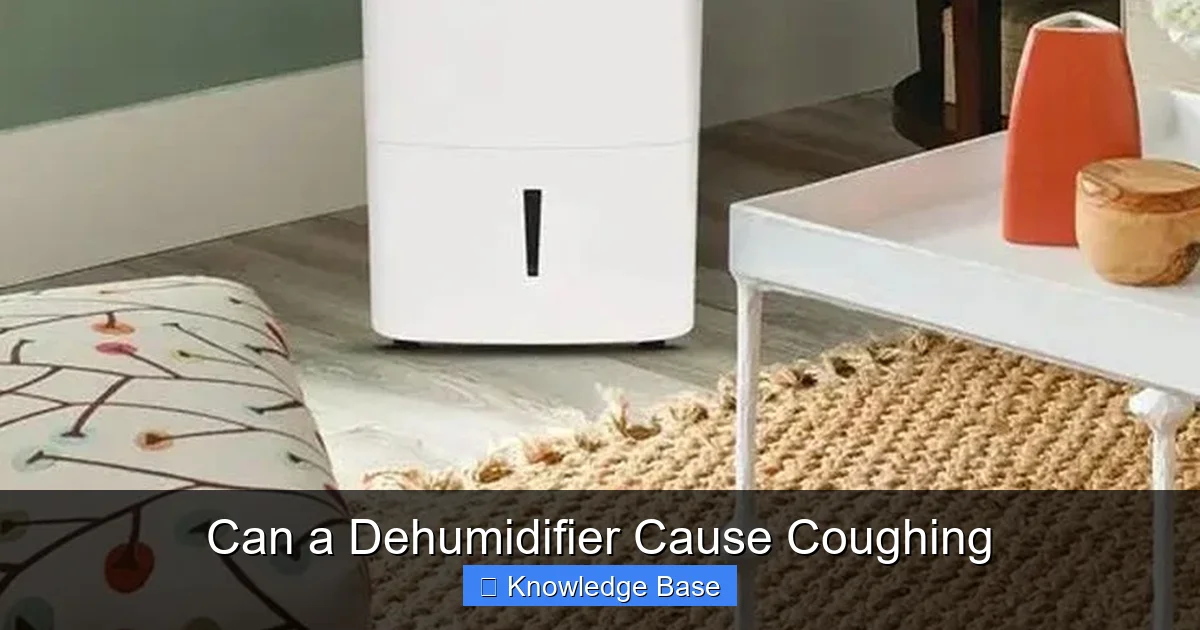
Before we dive into the coughing connection, let’s quickly go over how dehumidifiers function. Most residential dehumidifiers use one of two main technologies: refrigerant (also called compressor-based) or desiccant.
Refrigerant dehumidifiers pull in warm, moist air and pass it over cold coils. As the air cools, moisture condenses and drips into a collection tank. The drier air is then reheated and released back into the room. Desiccant dehumidifiers, on the other hand, use a moisture-absorbing material (like silica gel) to pull water from the air. They’re often quieter and work better in cooler temperatures.
Both types are effective at lowering humidity, which is key for preventing mold, mildew, and dust mites—common triggers for allergies and asthma. By keeping humidity levels in the ideal range of 30% to 50%, dehumidifiers can significantly improve indoor air quality and reduce respiratory symptoms for many people.
But here’s the catch: if the dehumidifier itself becomes a source of contamination, it can do more harm than good. For example, if the water tank isn’t emptied regularly, stagnant water can become a breeding ground for bacteria and mold. When the fan blows air through the unit, these microorganisms can be released into the room, potentially causing coughing, sneezing, or even respiratory infections.
The Ideal Humidity Range for Health and Comfort
Maintaining the right humidity level is crucial. Too much moisture encourages mold and dust mites. Too little can dry out your skin, eyes, and respiratory tract. The Environmental Protection Agency (EPA) recommends keeping indoor humidity between 30% and 50%. This range supports healthy breathing and prevents the growth of harmful organisms.
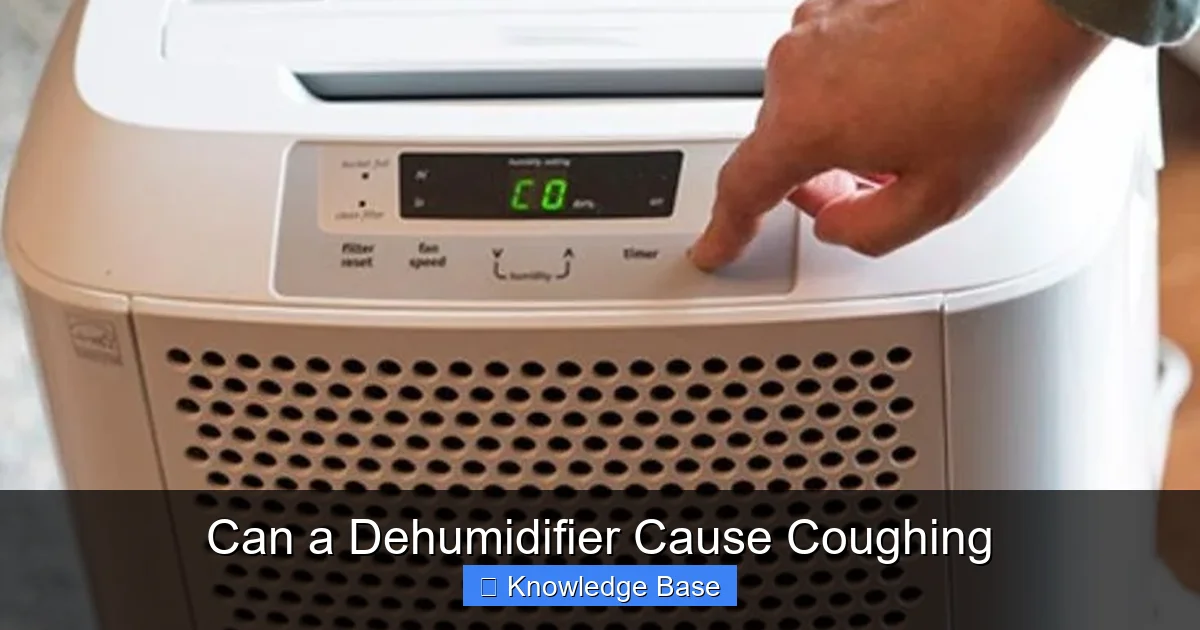
Using a hygrometer—a simple device that measures humidity—can help you monitor levels accurately. Many modern dehumidifiers come with built-in hygrometers and automatic shut-off features that turn the unit off once the desired humidity is reached. This prevents over-drying, which is one of the ways a dehumidifier might indirectly cause coughing.
Why a Dehumidifier Might Trigger Coughing
Visual guide about Can a Dehumidifier Cause Coughing
Image source: i.pinimg.com
Now, let’s get to the heart of the matter: why might a dehumidifier cause coughing? There are several possible reasons, and understanding them can help you troubleshoot and prevent issues.
Mold or Bacteria Growth Inside the Unit
One of the most common causes of coughing related to dehumidifiers is microbial growth inside the machine. The water collection tank, if not cleaned regularly, can become a petri dish for bacteria, mold, and yeast. These microorganisms thrive in dark, moist environments—exactly what a full or infrequently emptied tank provides.
When the dehumidifier’s fan turns on, it can blow these contaminants into the air. Inhaling mold spores or bacteria can irritate the throat and lungs, leading to coughing, especially in people with allergies, asthma, or weakened immune systems.
For example, imagine you’ve been using your dehumidifier all summer in a damp basement. You empty the tank every few days, but you haven’t cleaned it in months. Over time, a slimy film develops inside. One day, you turn the unit on, and within minutes, you start coughing. That could be the result of airborne mold spores being circulated throughout the room.
Over-Drying the Air
While high humidity is problematic, so is extremely low humidity. If a dehumidifier runs continuously without regulation, it can drop indoor humidity below 30%. This dry air can irritate the mucous membranes in your nose and throat, leading to dryness, itching, and coughing.
People who live in arid climates or use dehumidifiers in already dry environments are especially at risk. For instance, if you run a dehumidifier in a bedroom during winter when the heating system is already drying out the air, the combined effect can be harsh on your respiratory system.
Dry air can also make you more susceptible to colds and flu, as the mucous membranes act as a barrier against viruses. When they’re dried out, that defense weakens, and you may find yourself coughing more often—even if the dehumidifier isn’t directly releasing irritants.
Dust and Debris Circulation
Another way a dehumidifier might cause coughing is by stirring up dust and debris. If the air filter is clogged or missing, the unit can suck in dust from the room and blow it back out, possibly in a more concentrated form. This is especially true in older models or units that haven’t been serviced in a while.
Even if the filter is clean, the movement of air can disturb settled dust on floors or furniture, sending particles into the air. People with dust allergies or asthma may react with coughing, sneezing, or shortness of breath.
Poor Ventilation and Air Stagnation
Running a dehumidifier in a tightly sealed room without proper ventilation can also contribute to coughing. While dehumidifiers remove moisture, they don’t add fresh air. In a poorly ventilated space, pollutants can build up, and the air can feel stuffy or stale.
Additionally, some dehumidifiers produce a small amount of ozone as a byproduct, especially older or poorly designed models. Ozone is a lung irritant and can trigger coughing, chest tightness, and other respiratory symptoms. Although most modern units are designed to minimize ozone emissions, it’s still something to be aware of.
Who Is Most at Risk?
Not everyone will react the same way to a dehumidifier. Certain groups are more vulnerable to the potential side effects that could lead to coughing.
People with Asthma or Allergies
Individuals with asthma or allergic rhinitis are especially sensitive to changes in air quality. Even small amounts of mold, dust, or dry air can trigger symptoms. For them, a poorly maintained dehumidifier can be a hidden trigger.
For example, a child with asthma might start coughing at night after a dehumidifier has been running in their bedroom. The parent may not realize that the unit’s dirty filter or stagnant water tank is releasing irritants into the air.
Infants and Young Children
Babies and young children have smaller airways and developing immune systems, making them more susceptible to airborne irritants. Dry air can also make them more prone to nosebleeds and respiratory infections.
If you’re using a dehumidifier in a nursery, it’s crucial to keep the unit clean and monitor humidity levels carefully. A hygrometer can help ensure the air isn’t too dry.
Elderly Individuals
Older adults may have reduced lung function or chronic respiratory conditions like COPD. They’re also more likely to spend time indoors, increasing their exposure to indoor air pollutants. A contaminated dehumidifier could exacerbate existing health issues.
People with Weakened Immune Systems
Those undergoing chemotherapy, living with HIV, or taking immunosuppressive drugs are at higher risk of infections from mold or bacteria. Inhaling contaminated air from a dirty dehumidifier could lead to serious respiratory infections.
How to Prevent Coughing Caused by a Dehumidifier
The good news is that most dehumidifier-related coughing is preventable. With proper use and maintenance, you can enjoy the benefits of lower humidity without the side effects.
Clean the Water Tank Regularly
Empty and clean the water collection tank at least once a week—more often in humid conditions. Use a mixture of water and white vinegar or a mild bleach solution (1 tablespoon of bleach per gallon of water) to kill mold and bacteria. Rinse thoroughly and let it dry before reinserting.
For example, if you use your dehumidifier daily in a basement, make cleaning the tank part of your weekly routine. This simple step can prevent microbial growth and keep the air clean.
Replace or Clean the Air Filter
Most dehumidifiers have a washable or replaceable air filter. Check the manufacturer’s instructions, but generally, you should clean the filter every 2–4 weeks and replace it every 6–12 months. A clogged filter reduces efficiency and can allow dust and debris to circulate.
If your unit doesn’t have a filter, consider upgrading to a model that does. Filters help trap allergens and improve overall air quality.
Use a Hygrometer to Monitor Humidity
Don’t guess—measure. A hygrometer is an inexpensive tool that helps you maintain the ideal humidity level. Aim for 30% to 50%. If the humidity drops below 30%, turn off the dehumidifier or adjust the settings.
Some smart dehumidifiers can connect to apps and send alerts when humidity levels are too low or too high. These features make it easier to maintain a healthy environment.
Ensure Proper Ventilation
Even with a dehumidifier running, make sure your space has some airflow. Open windows occasionally (when outdoor humidity is low) or use an exhaust fan in bathrooms and kitchens. This helps prevent air stagnation and reduces the buildup of indoor pollutants.
Choose the Right Size and Type
Using a dehumidifier that’s too large for your space can lead to over-drying. Conversely, one that’s too small won’t effectively control moisture. Check the pint rating and room size recommendations before buying.
Also, consider the climate. Desiccant dehumidifiers work better in cold environments, while refrigerant models are more efficient in warm, humid areas.
Inspect for Mold and Odors
If you notice a musty smell or visible mold inside the unit, it’s time for a deep clean. Disassemble the parts you can safely remove and scrub them with a disinfectant. If the mold is extensive, it may be time to replace the unit.
When to See a Doctor
If you’ve ruled out maintenance issues and are still experiencing persistent coughing, it’s important to consult a healthcare provider. Coughing can be a symptom of many conditions, including allergies, asthma, bronchitis, or even heart issues.
Keep a symptom diary to track when the coughing occurs—such as after using the dehumidifier—and share it with your doctor. They may recommend allergy testing, lung function tests, or other evaluations to determine the cause.
In some cases, switching to an air purifier with a HEPA filter alongside your dehumidifier can help remove airborne irritants and improve symptoms.
Conclusion
So, can a dehumidifier cause coughing? The answer is yes—but usually only when it’s not used or maintained properly. A clean, well-functioning dehumidifier is more likely to improve your health than harm it. By keeping the tank clean, replacing filters, monitoring humidity, and ensuring good ventilation, you can enjoy drier, healthier air without the cough.
Remember, the goal isn’t to eliminate all moisture—it’s to find the right balance. With a little care, your dehumidifier can be a powerful tool for better indoor air quality and respiratory comfort.
Frequently Asked Questions
Can a dehumidifier cause a dry cough?
Yes, if it over-dries the air. Low humidity can dry out your throat and airways, leading to a persistent dry cough, especially at night.
Is it safe to sleep with a dehumidifier on?
Yes, as long as it’s clean and the humidity level is between 30% and 50%. Choose a quiet model and ensure the room is well-ventilated.
Why does my dehumidifier smell musty?
A musty smell usually indicates mold or bacteria growth in the water tank or internal components. Clean the unit thoroughly with vinegar or bleach.
Can a dehumidifier spread mold spores?
Yes, if mold grows inside the unit. When the fan runs, it can blow mold spores into the air, potentially causing coughing or allergic reactions.
What’s the difference between a dehumidifier and an air purifier?
A dehumidifier removes moisture from the air, while an air purifier filters out particles like dust, pollen, and smoke. They serve different but complementary purposes.
How do I know if my dehumidifier is making me sick?
Symptoms like coughing, sneezing, or shortness of breath that improve when the unit is off may indicate a problem. Check for mold, clean the filter, and monitor humidity levels.