
Yes, a dehumidifier can cause dry mouth if it lowers indoor humidity too much. While these devices help reduce excess moisture and prevent mold, overuse or improper settings may lead to overly dry air, especially in bedrooms or small spaces. Balancing humidity levels and staying hydrated can help you enjoy the benefits of a dehumidifier without discomfort.
Key Takeaways
- Dehumidifiers remove moisture from the air: This can improve air quality and reduce allergens, but excessive drying may lower humidity to uncomfortable levels.
- Low humidity dries out mucous membranes: When the air is too dry, it can evaporate moisture from your mouth, nose, and throat, leading to dry mouth.
- Bedroom use increases risk: Sleeping in a room with a dehumidifier running all night can worsen dry mouth due to prolonged exposure to dry air.
- Ideal indoor humidity is 30–50%: Keeping humidity within this range helps prevent both mold growth and excessive dryness.
- Hydration and humidifiers can help: Drinking more water and using a humidifier in dry seasons can counteract the drying effects of dehumidifiers.
- Monitor with a hygrometer: A simple device can help you track humidity levels and adjust your dehumidifier accordingly.
- Proper placement matters: Avoid placing dehumidifiers too close to sleeping or living areas to reduce direct exposure to dry air.
Quick Answers to Common Questions
Can a dehumidifier cause dry mouth?
Yes, a dehumidifier can cause dry mouth if it reduces indoor humidity below 30%, leading to faster evaporation of moisture from your mouth and throat.
What is the ideal humidity level to prevent dry mouth?
The ideal indoor humidity level is between 30% and 50%. This range prevents mold growth while keeping the air comfortable and moist enough to avoid dryness.
Should I use a dehumidifier in my bedroom?
You can, but avoid running it all night or setting it too low. Use a hygrometer to monitor humidity and consider a humidifier if the air feels too dry.
How can I relieve dry mouth caused by a dehumidifier?
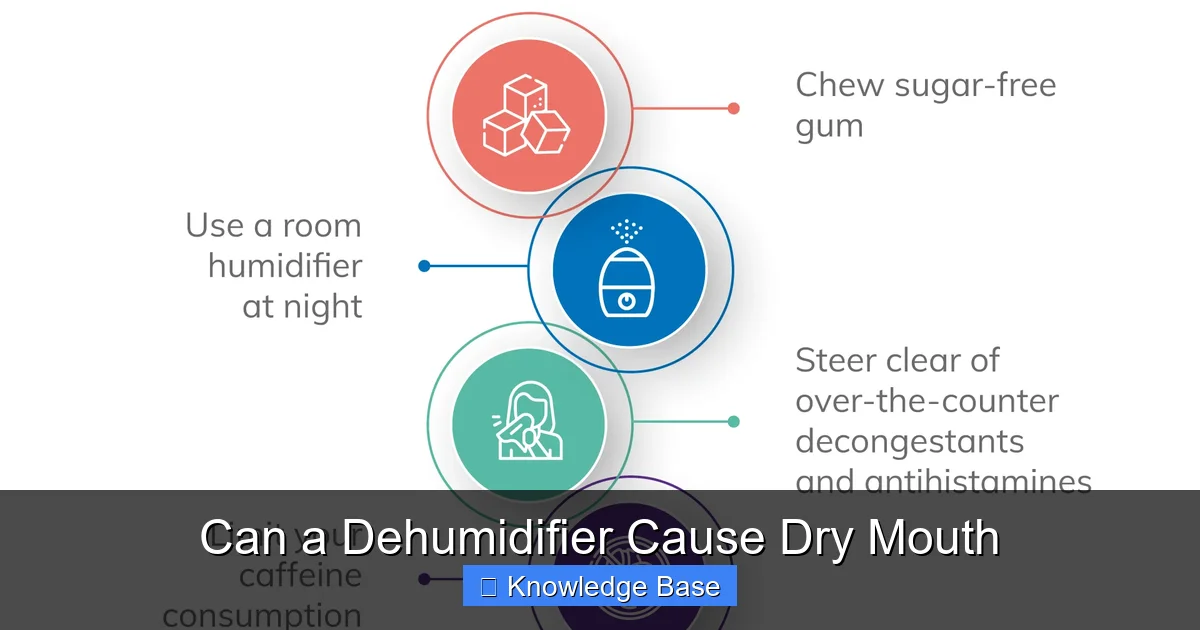
Drink more water, use a humidifier at night, chew sugar-free gum, and maintain good oral hygiene to stimulate saliva and keep your mouth moist.
Can I use both a dehumidifier and a humidifier?
Yes, especially in different seasons or rooms. Use a dehumidifier in damp areas and a humidifier in dry bedrooms to maintain balanced humidity.
📑 Table of Contents
Can a Dehumidifier Cause Dry Mouth?
If you’ve recently started using a dehumidifier and noticed your mouth feels unusually dry—especially in the morning—you’re not alone. Many people turn to dehumidifiers to combat dampness, musty odors, or allergies, but they may not realize that these helpful devices can sometimes have unintended side effects. One of the most common complaints? Dry mouth.
Dry mouth, or xerostomia, occurs when your salivary glands don’t produce enough saliva to keep your mouth moist. While it can result from medications, medical conditions, or aging, environmental factors like low humidity also play a major role. And yes, a dehumidifier—especially when used improperly—can contribute to this uncomfortable condition.
But before you unplug your dehumidifier in panic, it’s important to understand how it works and how to use it safely. The key is balance. Dehumidifiers are fantastic for reducing excess moisture, preventing mold, and improving indoor air quality. However, when they remove too much moisture, they can create an environment that’s too dry for comfort—particularly for your respiratory and oral health.
In this article, we’ll explore the connection between dehumidifiers and dry mouth, explain the science behind humidity and oral moisture, and offer practical tips to help you enjoy the benefits of a dehumidifier without waking up with a parched mouth.
How Dehumidifiers Work and Their Impact on Indoor Air

Visual guide about Can a Dehumidifier Cause Dry Mouth
Image source: draxe.com
To understand whether a dehumidifier can cause dry mouth, it helps to know how these devices function. Dehumidifiers work by pulling in moist air from the room, cooling it to condense the water vapor, and then releasing drier air back into the space. The collected water is stored in a tank or drained away. This process reduces the overall humidity level in your home.
Humidity refers to the amount of water vapor in the air. High humidity—typically above 60%—can make a room feel sticky, promote mold growth, and trigger allergies. That’s where dehumidifiers shine. They’re especially useful in basements, bathrooms, and humid climates.
However, the same mechanism that removes excess moisture can also strip the air of too much humidity if the device is oversized, overused, or poorly maintained. When indoor humidity drops below 30%, the air becomes dry enough to draw moisture from surfaces—including your skin, eyes, and mucous membranes.
Your mouth is lined with delicate tissues that rely on a thin layer of saliva to stay lubricated. When the surrounding air is dry, that moisture can evaporate more quickly than it’s replenished. This is especially true during sleep, when saliva production naturally decreases. If you’re breathing dry air all night, your mouth may not have a chance to recover, leading to that familiar dry, sticky feeling upon waking.
The Science Behind Dry Mouth and Low Humidity
Saliva plays a crucial role in oral health. It helps wash away food particles, neutralizes acids produced by bacteria, and keeps your mouth comfortable. When humidity is low, the rate of evaporation from your oral tissues increases. Think of it like leaving a glass of water on a counter in a dry room—it slowly disappears as the water turns into vapor.
The same thing happens inside your mouth. Dry air pulls moisture from your tongue, gums, and inner cheeks. Over time, this can lead to symptoms like:
– A sticky or dry feeling in the mouth
– Sore throat or hoarseness
– Cracked lips
– Difficulty swallowing or speaking
– Increased thirst
While occasional dry mouth is usually harmless, chronic dryness can increase the risk of tooth decay, gum disease, and oral infections. That’s why maintaining a balanced indoor environment is so important.
Why Bedrooms Are Especially Vulnerable
One of the most common places people use dehumidifiers is the bedroom—often to combat nighttime humidity or musty odors. But this is also where the risk of dry mouth is highest.
During sleep, your body naturally produces less saliva. You’re also more likely to breathe through your mouth, especially if you have nasal congestion or sleep with your mouth open. Add a dehumidifier running all night in a small, enclosed space, and you’ve created the perfect storm for dry mouth.
For example, imagine using a large-capacity dehumidifier in a small bedroom with poor ventilation. The device may cycle on frequently, pulling moisture from the air faster than it can be naturally replenished. The result? Air so dry that it actively dehydrates your oral tissues while you sleep.
This is why many people wake up feeling parched, even if they drank water before bed. It’s not just about hydration—it’s about the environment you’re sleeping in.
Signs Your Dehumidifier Might Be Causing Dry Mouth
Visual guide about Can a Dehumidifier Cause Dry Mouth
Image source: wordpresscmsprodstor.blob.core.windows.net
Not everyone who uses a dehumidifier will experience dry mouth, but certain signs can help you identify if your device is contributing to the problem. Pay attention to how you feel, especially in the morning.
Common symptoms include:
– Waking up with a dry or sticky mouth
– Increased thirst upon waking
– Sore throat or hoarse voice in the morning
– Cracked or chapped lips
– A sensation of dryness in the nose or throat
If these symptoms improve when you’re away from home—say, during a weekend trip or vacation—it could be a sign that your indoor environment is too dry.
You might also notice other signs of low humidity, such as:
– Static electricity (clothes sticking together, hair standing up)
– Wooden furniture or floors cracking or shrinking
– Increased dust in the air
– Dry, itchy skin
These clues suggest that your dehumidifier may be working too well—or that your home lacks sufficient moisture overall.
Who Is Most at Risk?
While anyone can experience dry mouth from low humidity, some people are more vulnerable than others. These include:
– **Older adults:** Saliva production naturally decreases with age, making seniors more prone to dry mouth.
– **People with respiratory conditions:** Those with asthma, allergies, or sleep apnea may breathe through their mouths more often, increasing exposure to dry air.
– **Individuals on certain medications:** Many drugs—including antihistamines, antidepressants, and blood pressure medications—list dry mouth as a side effect. Low humidity can worsen this.
– **Nighttime mouth breathers:** Whether due to congestion or habit, mouth breathing accelerates moisture loss.
– **People in dry climates:** Even without a dehumidifier, arid environments can contribute to dry mouth. Adding a dehumidifier may push humidity too low.
If you fall into one of these categories, it’s especially important to monitor your indoor humidity and adjust your dehumidifier use accordingly.
Finding the Right Humidity Balance
The goal isn’t to eliminate dehumidifiers—it’s to use them wisely. The ideal indoor humidity level is between 30% and 50%. This range helps prevent mold, dust mites, and mildew while keeping the air comfortable for breathing and hydration.
Humidity below 30% is considered too dry and can lead to irritation of the skin, eyes, and respiratory tract. Above 60%, you risk mold growth and allergen proliferation.
So how do you find that sweet spot?
Use a Hygrometer to Monitor Humidity
A hygrometer is a simple, inexpensive device that measures humidity levels in your home. You can find digital models for under $20 at most hardware or online stores. Place one in the room where you use your dehumidifier—especially the bedroom—and check it regularly.
If the reading consistently falls below 30%, it’s a sign your dehumidifier may be overworking. Some modern dehumidifiers come with built-in hygrometers and automatic shut-off features that turn the unit off once the desired humidity is reached. If yours doesn’t, consider upgrading or manually adjusting the settings.
Adjust Your Dehumidifier Settings
Most dehumidifiers allow you to set a target humidity level. Instead of aiming for the lowest possible setting (like 30%), try setting it to 45–50%. This provides enough moisture removal to control dampness without over-drying the air.
Also, avoid running the dehumidifier continuously. Use it only when needed—such as during humid weather or in damp areas like basements. In bedrooms, consider running it for a few hours in the evening rather than all night.
Improve Ventilation and Air Circulation
Stagnant air can trap dryness in one area while leaving other parts of the room unaffected. Use fans to circulate air and ensure the dehumidifier isn’t creating a “dry zone” near your bed.
If possible, open windows during cooler, less humid parts of the day to allow fresh air in. This helps balance indoor humidity naturally.
How to Prevent and Relieve Dry Mouth
Even with a well-balanced dehumidifier, you may still experience occasional dry mouth—especially during seasonal changes or illness. The good news? There are several practical steps you can take to stay comfortable.
Stay Hydrated Throughout the Day
Drinking enough water is the simplest and most effective way to combat dry mouth. Aim for at least 8 cups (64 ounces) of water daily, and more if you’re active or in a dry environment.
Keep a glass or bottle of water by your bedside to sip if you wake up thirsty. Avoid caffeine and alcohol before bed, as they can dehydrate you.
Use a Humidifier at Night
If your dehumidifier is making the air too dry, consider using a humidifier in your bedroom at night. A cool-mist humidifier adds moisture back into the air, helping to counteract the drying effects of the dehumidifier.
Look for a model with a built-in humidistat so it automatically maintains the ideal humidity level. Place it at least 3 feet away from your bed to avoid over-humidifying your immediate sleeping area.
Chew Sugar-Free Gum or Suck on Sugar-Free Candy
Stimulating saliva production can help keep your mouth moist. Chewing sugar-free gum or sucking on sugar-free hard candies (especially those with xylitol) encourages your salivary glands to work.
Avoid candies with sugar, as they can increase the risk of cavities—especially if your mouth is already dry.
Practice Good Oral Hygiene
Dry mouth increases the risk of tooth decay and gum disease. Brush your teeth twice a day with fluoride toothpaste, floss daily, and consider using a mouthwash designed for dry mouth.
Some mouthwashes contain alcohol, which can worsen dryness. Look for alcohol-free formulas that moisturize and protect oral tissues.
Try a Saliva Substitute
Over-the-counter saliva substitutes or oral moisturizers can provide temporary relief. These products come in sprays, gels, or rinses and mimic the feel of natural saliva.
They’re especially helpful at night or during long periods without drinking water.
When to See a Doctor
While environmental dry mouth is usually harmless, persistent dryness could signal an underlying health issue. Consult a healthcare provider if you experience:
– Dry mouth that doesn’t improve with hydration or humidity adjustments
– Difficulty swallowing or speaking
– Sores or white patches in the mouth
– Frequent tooth decay or gum problems
– Dry eyes along with dry mouth
Conditions like Sjögren’s syndrome, diabetes, or autoimmune disorders can cause chronic dry mouth and require medical treatment.
Your doctor may also review your medications, as many common drugs list dry mouth as a side effect. In some cases, adjusting your dosage or switching medications can help.
Tips for Safe and Effective Dehumidifier Use
To get the most benefit from your dehumidifier without causing dry mouth, follow these best practices:
– **Choose the right size:** A dehumidifier that’s too large for your space will cycle on and off frequently, potentially over-drying the air. Check the manufacturer’s recommendations based on room size and humidity level.
– **Clean it regularly:** Dirty filters and coils reduce efficiency and can harbor mold. Clean your dehumidifier monthly and empty the water tank frequently.
– **Place it wisely:** Keep the dehumidifier away from walls and furniture to ensure proper airflow. Avoid placing it directly near your bed or seating area.
– **Use it seasonally:** In many climates, humidity is only a problem during certain times of the year. Turn off the dehumidifier during dry winter months unless needed.
– **Combine with other solutions:** Use exhaust fans in bathrooms and kitchens, fix leaks promptly, and use moisture-absorbing products in closets or basements to reduce the need for constant dehumidifier use.
By using your dehumidifier thoughtfully, you can enjoy a healthier, more comfortable home without sacrificing oral comfort.
Conclusion
So, can a dehumidifier cause dry mouth? The answer is yes—but only if it lowers indoor humidity too much. When used properly, dehumidifiers are valuable tools for improving air quality, reducing allergens, and preventing mold. However, overuse or improper settings can create an environment that’s too dry, especially in bedrooms where people spend long hours breathing still air.
The key is balance. Aim to keep indoor humidity between 30% and 50%, monitor levels with a hygrometer, and adjust your dehumidifier settings accordingly. If you’re experiencing dry mouth, try increasing hydration, using a humidifier at night, and practicing good oral care.
Remember, your comfort and health matter. With a few simple adjustments, you can enjoy the benefits of a dehumidifier without waking up with a dry, uncomfortable mouth. It’s all about finding the right harmony between moisture control and personal well-being.
Frequently Asked Questions
Can a dehumidifier cause dry mouth at night?
Yes, running a dehumidifier in your bedroom at night can lower humidity and increase evaporation from your mouth, especially if you breathe through your mouth while sleeping.
How do I know if my dehumidifier is making the air too dry?
Signs include dry skin, static electricity, cracked lips, and a hygrometer reading below 30%. You may also wake up with a dry mouth or sore throat.
Is it safe to sleep with a dehumidifier on?
It’s generally safe, but avoid setting it too low or running it continuously. Use a hygrometer to ensure humidity stays above 30% and consider a humidifier if needed.
Can dry mouth from a dehumidifier lead to health problems?
Chronic dry mouth can increase the risk of tooth decay, gum disease, and oral infections. It’s important to address low humidity and stay hydrated.
What’s the difference between a dehumidifier and a humidifier?
A dehumidifier removes moisture from the air to reduce humidity, while a humidifier adds moisture to increase humidity. They serve opposite but complementary purposes.
Should I turn off my dehumidifier in winter?
In many climates, indoor air is naturally drier in winter, so a dehumidifier may not be needed. Use a hygrometer to check levels and turn it off if humidity is below 40%.