
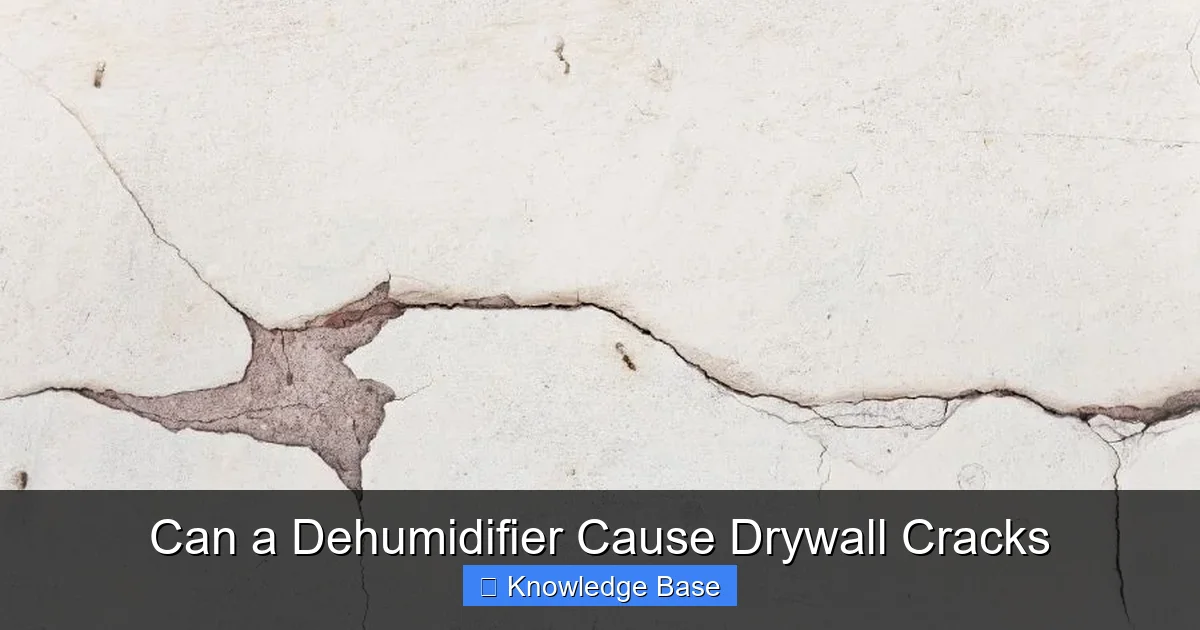
Dehumidifiers are designed to reduce indoor humidity, but improper use can lead to excessively dry air that may contribute to drywall cracks. While they don’t directly crack drywall, rapid or extreme moisture loss in building materials can cause shrinkage and stress. Understanding proper humidity levels and dehumidifier settings is key to protecting your walls.
Key Takeaways
- Dehumidifiers don’t directly crack drywall: They remove moisture from the air, but cracks usually result from structural movement, poor installation, or extreme humidity swings.
- Over-drying can stress drywall: If humidity drops too low (below 30%), drywall and joint compound may shrink and develop hairline cracks.
- Maintain ideal indoor humidity: Keep relative humidity between 30% and 50% to protect drywall and prevent mold or dryness damage.
- Gradual dehumidification is safer: Avoid running dehumidifiers at maximum settings for long periods; use timers or humidistats for balanced control.
- Inspect for underlying issues: Cracks may signal foundation settling, water leaks, or poor construction—don’t blame the dehumidifier without investigation.
- Use smart dehumidifiers: Models with auto-humidistats adjust output based on real-time humidity, reducing the risk of over-drying.
- Monitor and maintain your unit: Clean filters regularly and place the dehumidifier away from walls to ensure proper airflow and even drying.
Quick Answers to Common Questions
Can a dehumidifier cause drywall cracks?
Not directly, but it can contribute to conditions that lead to cracking if humidity drops too low or drying is too rapid.
What humidity level is safe for drywall?
Keep indoor relative humidity between 30% and 50% to protect drywall from shrinkage or swelling.
Should I run my dehumidifier all the time?
No—use a humidistat to maintain consistent levels and avoid over-drying. Continuous max settings can stress building materials.
Where should I place my dehumidifier?
Place it in an open area, at least 6–12 inches from walls, to ensure proper airflow and even moisture removal.
How can I tell if my dehumidifier is over-drying the air?
Use a hygrometer to monitor humidity. If it drops below 30%, or if you notice dry skin, static, or new cracks, adjust the settings.
📑 Table of Contents
- Can a Dehumidifier Cause Drywall Cracks? The Truth Behind the Myth
- Understanding Drywall and How It Responds to Moisture
- How Dehumidifiers Work and Their Impact on Indoor Air
- When a Dehumidifier Might Contribute to Drywall Cracks
- How to Use a Dehumidifier Safely and Prevent Drywall Damage
- Alternative Solutions for Moisture Control
- Conclusion: Balance Is Key
Can a Dehumidifier Cause Drywall Cracks? The Truth Behind the Myth
You’ve just installed a dehumidifier in your basement or living room to combat musty smells, dampness, or mold growth. It’s working great—humidity levels are dropping, and the air feels fresher. But a few weeks later, you notice a thin crack snaking across your drywall near the ceiling or along a seam. Your first thought? “Did the dehumidifier do this?”
It’s a common concern, especially in humid climates or older homes where moisture control is a constant battle. Dehumidifiers are essential tools for maintaining healthy indoor air quality, but like any appliance, they need to be used correctly. While they’re not the direct cause of most drywall cracks, they can contribute to conditions that make cracking more likely—especially if used improperly.
In this article, we’ll explore the relationship between dehumidifiers and drywall integrity. We’ll break down how humidity affects building materials, when dehumidifiers might play a role in drywall damage, and—most importantly—how to use these devices safely to protect your home. Whether you’re dealing with a damp basement, a humid crawl space, or seasonal moisture swings, understanding the balance is key.
Understanding Drywall and How It Responds to Moisture
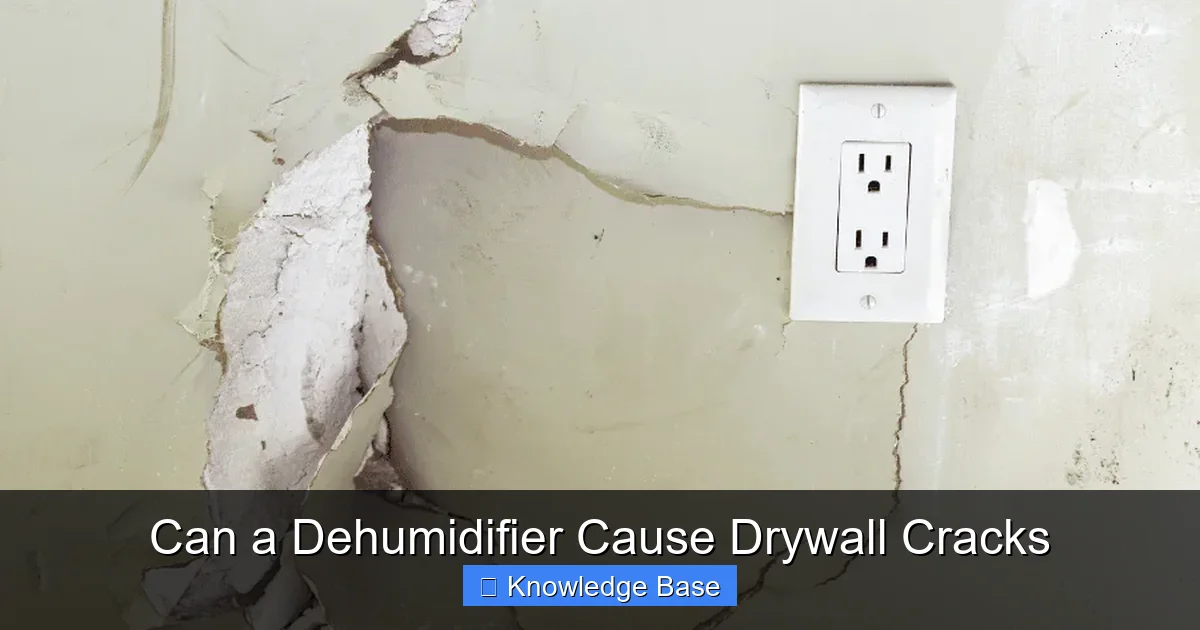
Visual guide about Can a Dehumidifier Cause Drywall Cracks
Image source: restorationmasterfinder.com
Before we dive into dehumidifiers, let’s talk about drywall itself. Drywall—also known as gypsum board or plasterboard—is a common interior wall and ceiling material made of a gypsum core sandwiched between two layers of paper. It’s lightweight, easy to install, and cost-effective, which is why it’s used in nearly every modern home.
But drywall isn’t invincible. It’s sensitive to moisture—both too much and too little. When drywall gets wet, it can swell, soften, or even grow mold. That’s why water damage often leads to bulging, sagging, or crumbling walls. On the flip side, when drywall loses too much moisture too quickly, it can shrink. This shrinkage puts stress on the material, especially at seams, corners, and around fasteners.
Joint compound—the material used to seal seams between drywall panels—is particularly vulnerable. It’s applied wet and dries to a hard finish, but if the surrounding air becomes too dry during or after installation, it can cure unevenly or shrink over time, leading to hairline cracks.
How Humidity Affects Drywall Over Time
Indoor humidity plays a major role in the long-term health of drywall. Relative humidity (RH) is the amount of moisture in the air compared to what the air can hold at a given temperature. Ideally, indoor RH should stay between 30% and 50%. This range keeps materials stable—not too damp, not too dry.
When humidity is high (above 60%), drywall can absorb moisture from the air. This leads to swelling, which may not seem harmful at first, but over time, repeated swelling and drying cycles can weaken the material and cause cracks, especially at joints.
Conversely, when humidity drops too low (below 30%), drywall and joint compound lose moisture. This causes them to shrink. If the shrinkage is uneven—say, one section dries faster than another—it creates tension. That tension can manifest as cracks, particularly in areas already under stress, like corners or around windows and doors.
Common Causes of Drywall Cracks (Beyond Humidity)
It’s important to note that drywall cracks rarely have a single cause. While humidity fluctuations play a role, other factors are often at play:
- Foundation movement: Homes settle over time. Even minor shifts in the foundation can cause walls to crack.
- Poor installation: If drywall isn’t properly secured, or if joint compound is applied too thinly or unevenly, cracks are more likely.
- Temperature changes: Rapid temperature swings can cause materials to expand and contract, leading to stress cracks.
- Water leaks: Hidden leaks from pipes, roofs, or windows can weaken drywall from behind, causing it to crack or bubble.
- Structural issues: Problems with framing, load-bearing walls, or roof trusses can transfer stress to drywall.
So while a dehumidifier might be running in the room, it’s rarely the sole culprit. More often, it’s one piece of a larger puzzle.
How Dehumidifiers Work and Their Impact on Indoor Air
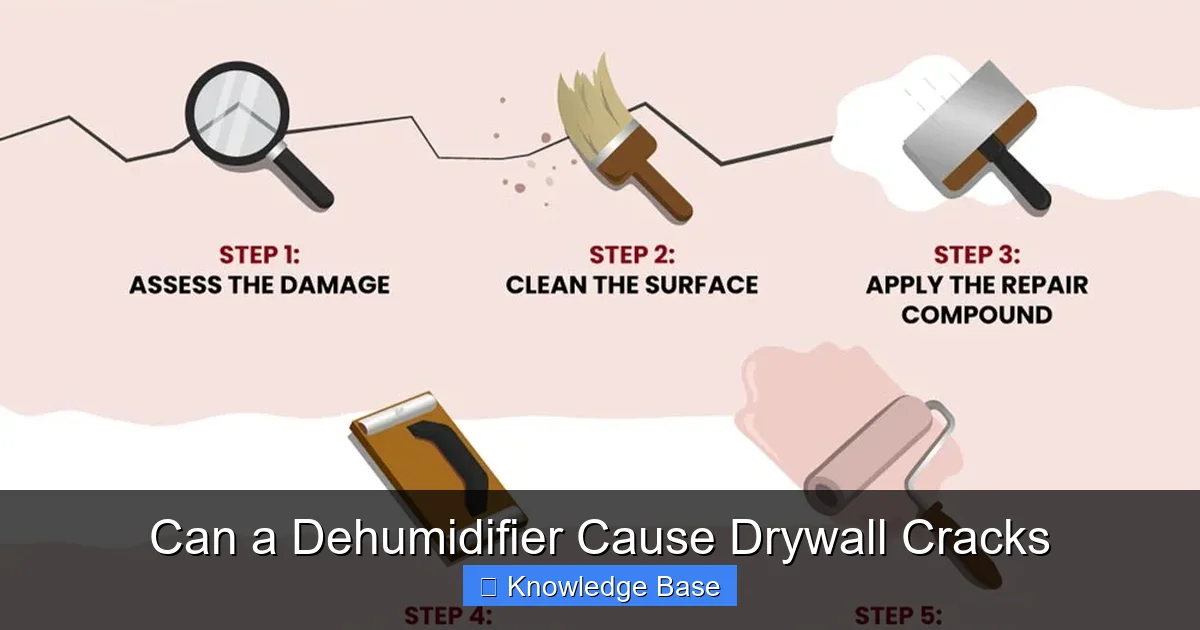
Visual guide about Can a Dehumidifier Cause Drywall Cracks
Image source: foundationprosfl.com
To understand whether a dehumidifier can cause drywall cracks, we need to know how these devices function. Dehumidifiers work by pulling in moist air, cooling it to condense the moisture, and then reheating the air before releasing it back into the room. The collected water is either drained manually or automatically.
There are two main types: refrigerant (compressor-based) and desiccant dehumidifiers. Refrigerant models are most common in homes and work best in warm, humid environments. Desiccant models use a moisture-absorbing material and are better for colder spaces like basements or garages.
The Role of Dehumidifiers in Moisture Control
Dehumidifiers are excellent at reducing excess moisture. They’re especially useful in areas prone to high humidity, such as:
- Basements and crawl spaces
- Bathrooms and laundry rooms
- Homes in tropical or coastal climates
- Properties with poor ventilation
By lowering humidity, dehumidifiers help prevent mold, mildew, dust mites, and musty odors. They also protect furniture, wood floors, and electronics from moisture damage.
But here’s the catch: dehumidifiers don’t just remove moisture from the air—they also affect the moisture content of nearby materials, including drywall, wood framing, and insulation.
Can Over-Dehumidification Harm Drywall?
Yes—but only under specific conditions. If a dehumidifier runs continuously at high power in a small, sealed space, it can drop humidity levels too low, too fast. This rapid drying can cause building materials to lose moisture unevenly.
For example, imagine a basement with high humidity due to groundwater seepage. You install a dehumidifier and set it to run 24/7. Within days, the air feels dry, but the drywall and wood studs behind it are still damp. As the dehumidifier pulls moisture from the air, the drywall begins to dry from the surface inward. The outer layer shrinks while the inner layer remains moist, creating internal stress.
Over time, this stress can lead to hairline cracks, especially if the drywall was already slightly compromised or poorly installed.
Additionally, if the dehumidifier is placed too close to a wall or in a corner with poor airflow, it may create a “microclimate” of extreme dryness in one area, increasing the risk of localized cracking.
When a Dehumidifier Might Contribute to Drywall Cracks
So, can a dehumidifier cause drywall cracks? The short answer is: indirectly, yes—but only when used incorrectly or in combination with other risk factors.
Let’s look at real-world scenarios where dehumidifiers might play a role:
Scenario 1: Rapid Drying After Water Damage
Suppose your basement flooded, and you’re using a dehumidifier to dry out the walls. You want to remove moisture as quickly as possible to prevent mold. So you crank the dehumidifier to max and run it nonstop.
While this speeds up drying, it can also cause the drywall to dry too fast on the surface while the core remains wet. This uneven drying leads to shrinkage and cracking. In such cases, slower, controlled drying—using fans and dehumidifiers together—is safer.
Scenario 2: Overuse in a Sealed Space
You live in a tightly sealed, energy-efficient home. You run your dehumidifier constantly to keep humidity low. Over time, indoor humidity drops to 25% or lower.
At this level, not only is the air uncomfortably dry for people (leading to dry skin, irritated sinuses, and static electricity), but building materials like drywall and wood begin to lose structural moisture. Joint compound shrinks, screws may loosen, and hairline cracks appear—especially in older homes where materials have already aged.
Scenario 3: Poor Placement or Maintenance
You place your dehumidifier in a corner, right against the wall, with the intake and exhaust blocked. It runs constantly but doesn’t circulate air properly. As a result, one section of the room becomes extremely dry while others remain humid.
This imbalance can cause differential drying—some parts of the drywall dry faster than others—leading to stress and cracking. Additionally, a dirty filter or clogged coil reduces efficiency, causing the unit to work harder and potentially over-dry the air.
Scenario 4: Seasonal Humidity Swings
In winter, indoor air tends to be dry due to heating systems. If you run a dehumidifier on top of that—even if humidity is already low—you risk creating an overly dry environment. Drywall that was stable in humid summer months may shrink in winter, especially if the dehumidifier pushes RH below 30%.
This is particularly common in northern climates where homes are sealed tightly and heated aggressively.
How to Use a Dehumidifier Safely and Prevent Drywall Damage
The good news? You can enjoy the benefits of a dehumidifier without risking drywall cracks—by using it wisely. Here’s how:
Set the Right Humidity Level
Aim to keep indoor relative humidity between 30% and 50%. This range protects both your health and your home’s structure.
Use a hygrometer (a small, inexpensive device) to monitor humidity levels. Many modern dehumidifiers come with built-in hygrometers and humidistats, so they automatically turn on and off to maintain your desired setting.
Avoid setting the dehumidifier below 30% unless absolutely necessary—such as during active water damage restoration, and even then, only for short periods.
Use a Dehumidifier with a Humidistat
A humidistat is a game-changer. It measures the current humidity and adjusts the dehumidifier’s operation accordingly. This prevents over-drying and ensures consistent, balanced moisture levels.
Look for models with digital controls and programmable settings. Some even connect to smart home systems, allowing you to monitor and adjust humidity from your phone.
Place the Dehumidifier Correctly
Position your dehumidifier in an open area, at least 6–12 inches away from walls and furniture. This ensures proper airflow and even moisture removal.
Avoid placing it in corners or enclosed spaces unless the unit is specifically designed for that. Good airflow helps prevent localized dryness and promotes uniform drying.
Use Fans to Circulate Air
Pair your dehumidifier with a fan to improve air circulation. Moving air helps distribute moisture evenly and prevents pockets of overly dry or humid air.
This is especially important in basements, crawl spaces, and large rooms where air can become stagnant.
Clean and Maintain Your Unit Regularly
A dirty filter or clogged coil reduces efficiency and can cause the dehumidifier to overwork, potentially leading to over-drying.
Check and clean the air filter every 2–4 weeks, depending on usage. Empty the water tank regularly, or use a model with a continuous drain option.
Inspect the coils and vents for dust buildup, and follow the manufacturer’s maintenance guidelines.
Monitor for Cracks and Investigate Causes
If you notice new cracks in your drywall, don’t assume it’s the dehumidifier. Investigate further:
- Check for signs of water damage (stains, peeling paint, soft spots)
- Look for foundation cracks or shifting floors
- Inspect windows and doors for drafts or leaks
- Consider hiring a structural engineer if cracks are large or growing
Sometimes, a simple crack can be patched with joint compound and tape. But if the issue is structural, repairs may require professional help.
Alternative Solutions for Moisture Control
While dehumidifiers are effective, they’re not the only tool for managing indoor humidity. Consider these complementary strategies:
Improve Ventilation
Proper ventilation helps moisture escape naturally. Use exhaust fans in bathrooms and kitchens, open windows when weather permits, and ensure crawl spaces and attics are well-ventilated.
In basements, consider installing a ventilation fan or air exchanger to improve airflow.
Seal Air Leaks
Air leaks allow humid outdoor air to enter your home, increasing the load on your dehumidifier. Seal gaps around windows, doors, and electrical outlets with caulk or weatherstripping.
This not only reduces humidity but also improves energy efficiency.
Use a Whole-House Dehumidifier
For larger homes or chronic humidity issues, a whole-house dehumidifier integrated with your HVAC system may be a better option. These units are designed to maintain consistent humidity levels throughout the entire home, reducing the risk of over-drying in any one area.
Address Water Intrusion at the Source
If moisture is coming from outside—such as through foundation cracks, poor grading, or leaking gutters—fix the root cause. Install a sump pump, improve drainage, or seal basement walls to reduce the need for constant dehumidification.
Conclusion: Balance Is Key
So, can a dehumidifier cause drywall cracks? The answer is nuanced. A dehumidifier itself doesn’t crack drywall—but it can contribute to conditions that make cracking more likely, especially if used improperly or in combination with other issues like poor installation, structural movement, or rapid drying after water damage.
The key is balance. Dehumidifiers are powerful tools for maintaining healthy indoor air and protecting your home from mold and moisture damage. But they should be used thoughtfully, with attention to humidity levels, placement, and maintenance.
By keeping indoor humidity between 30% and 50%, using a dehumidifier with a humidistat, and addressing underlying moisture sources, you can enjoy the benefits of a dry, comfortable home—without worrying about drywall damage.
Remember: drywall cracks are often a symptom, not the problem. Look beyond the appliance and consider the bigger picture. With the right approach, you can keep your walls smooth, your air clean, and your home safe for years to come.
Frequently Asked Questions
Can a dehumidifier crack new drywall?
Yes, if the drywall is still curing and the dehumidifier removes moisture too quickly. New drywall should dry slowly to prevent shrinkage cracks.
Is it safe to use a dehumidifier in winter?
Yes, but indoor air is already dry in winter. Avoid running it unless humidity is high, and keep levels above 30% to protect drywall and comfort.
Do dehumidifiers damage wood or drywall over time?
Only if used excessively. Consistent, balanced humidity prevents damage to both wood and drywall.
Can I fix drywall cracks caused by low humidity?
Yes—patch with joint compound and tape. But also address the humidity issue to prevent future cracks.
Should I turn off my dehumidifier if I see cracks?
Not necessarily. First, investigate the cause. If humidity is too low, adjust the setting. If structural issues are present, consult a professional.
Are smart dehumidifiers better for preventing drywall damage?
Yes—they automatically maintain optimal humidity levels, reducing the risk of over-drying and protecting your walls.