
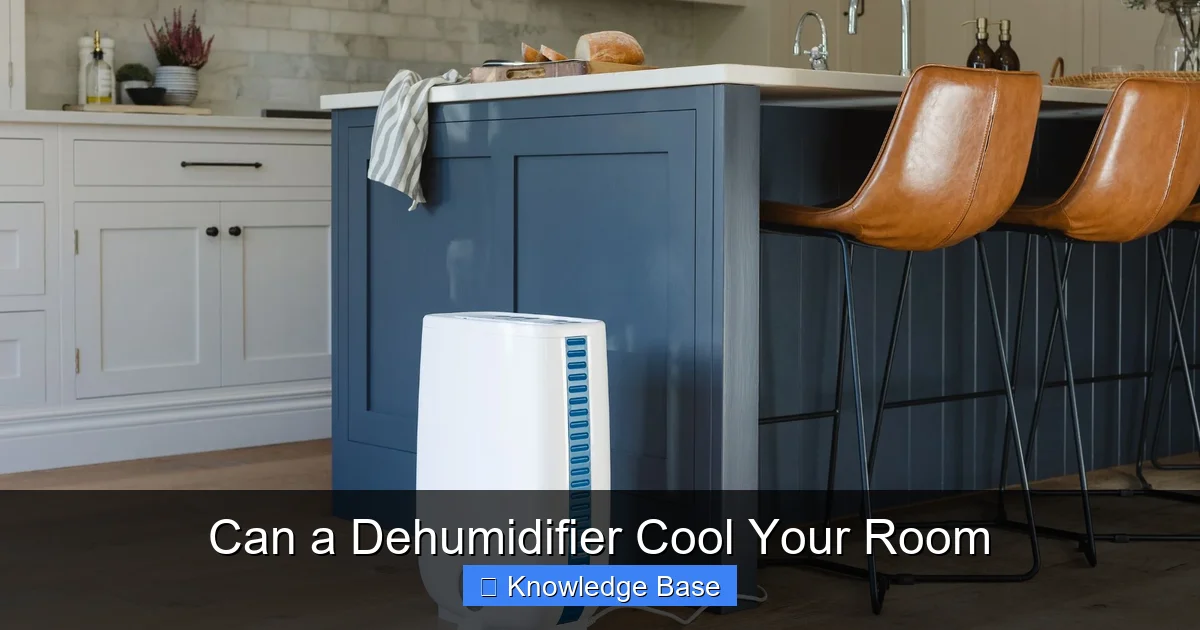
A dehumidifier doesn’t actually cool your room like an air conditioner, but it can make the space feel cooler and more comfortable by reducing humidity. By removing excess moisture, it helps your body sweat more efficiently, creating a perceived cooling effect. While it won’t lower the thermostat reading, it improves indoor air quality and comfort, especially in humid climates.
Key Takeaways
- Dehumidifiers reduce humidity, not temperature: They remove moisture from the air but do not lower the actual room temperature like an AC unit.
- Improved comfort in humid conditions: Lower humidity makes hot air feel less sticky and more tolerable, creating a cooler sensation.
- Supports better sleep and health: Dry air reduces mold, dust mites, and allergens, promoting healthier breathing and rest.
- Energy-efficient alternative in mild climates: Using a dehumidifier can reduce the need for air conditioning, saving energy and costs.
- Works best with ventilation: For optimal results, use a dehumidifier in a well-ventilated room with closed windows and doors.
- Complements other cooling systems: Pairing a dehumidifier with fans or AC enhances overall cooling efficiency.
- Choose the right size and type: Select a unit based on room size and humidity level for maximum effectiveness.
Quick Answers to Common Questions
Does a dehumidifier lower room temperature?
No, a dehumidifier does not lower the actual temperature. It removes moisture from the air, which can make the room feel cooler but doesn’t change the thermometer reading.
Can I use a dehumidifier instead of an air conditioner?
Only in mild, humid conditions. In hot climates, you’ll still need an AC to lower the temperature, but a dehumidifier can reduce the AC’s workload.
Will a dehumidifier help with allergies?
Yes. By reducing humidity, it inhibits mold, dust mites, and other allergens, leading to cleaner air and fewer allergy symptoms.
How often should I empty the dehumidifier tank?
It depends on the humidity level and tank size. Check daily during high humidity; some models have auto-shutoff when full.
Can a dehumidifier run 24/7?
Yes, but use a model with a continuous drain option and auto-humidistat to avoid overflow and save energy.
📑 Table of Contents
- Can a Dehumidifier Cool Your Room? The Truth About Humidity and Comfort
- How Does a Dehumidifier Work?
- Does Lowering Humidity Make a Room Feel Cooler?
- Dehumidifier vs. Air Conditioner: What’s the Difference?
- Benefits of Using a Dehumidifier Beyond Cooling
- Choosing the Right Dehumidifier for Your Needs
- Tips for Maximizing Cooling and Comfort
- Conclusion: Can a Dehumidifier Cool Your Room?
Can a Dehumidifier Cool Your Room? The Truth About Humidity and Comfort
If you’ve ever lived in a humid climate—think sticky summer nights in the Southeast U.S., tropical regions, or even damp basements—you know how uncomfortable high humidity can be. The air feels thick, sweat doesn’t evaporate, and even a gentle breeze can feel like a warm bath. In these moments, many people wonder: Can a dehumidifier cool your room? It’s a fair question, especially when you’re looking for relief without cranking up the air conditioner.
The short answer? Not exactly. A dehumidifier doesn’t lower the actual temperature of your room like an air conditioner does. But here’s the good news: it can make your room feel significantly cooler and more comfortable. By pulling excess moisture out of the air, a dehumidifier reduces humidity levels, which in turn helps your body cool itself more efficiently through sweat evaporation. This creates a noticeable improvement in comfort, especially during hot, muggy weather.
Think of it this way: when the air is full of moisture, it’s harder for sweat to evaporate from your skin. That’s why 85°F (29°C) with high humidity can feel like 95°F (35°C) or worse. But when humidity drops, even the same temperature feels much more bearable. That’s the magic of a dehumidifier—it doesn’t change the thermometer, but it changes how you feel.
In this article, we’ll dive deep into how dehumidifiers work, whether they can truly “cool” a room, and how they compare to other cooling methods. We’ll also explore the benefits beyond comfort—like improved air quality, reduced mold growth, and energy savings. Whether you’re dealing with a damp basement, a stuffy bedroom, or just want to breathe easier at home, understanding the role of a dehumidifier can help you make smarter decisions about indoor comfort.
How Does a Dehumidifier Work?

Visual guide about Can a Dehumidifier Cool Your Room
Image source: airenrich.com
To understand whether a dehumidifier can cool your room, it helps to know exactly what it does—and how it does it. At its core, a dehumidifier is a device designed to reduce the amount of moisture (humidity) in the air. But unlike an air conditioner, which cools air by removing heat, a dehumidifier focuses solely on pulling water vapor out of the atmosphere.
There are two main types of dehumidifiers: refrigerant (compressor-based) and desiccant. Both work differently, but they share the same goal—lowering indoor humidity.
Refrigerant Dehumidifiers: The Most Common Type
Refrigerant dehumidifiers are the most widely used, especially in homes. They work similarly to air conditioners and refrigerators. Here’s how:
First, a fan pulls warm, moist air from the room into the dehumidifier. This air passes over cold coils inside the unit. As the air cools, the moisture in it condenses into water droplets—just like how water forms on the outside of a cold drink on a hot day. This water collects in a built-in tank or drains directly out through a hose.
Once the air is stripped of moisture, it passes over warm coils to reheat it slightly before being blown back into the room. The result? Drier air that feels more comfortable, even if the temperature hasn’t changed.
One thing to note: because the air is reheated after cooling, refrigerant dehumidifiers can actually make a room slightly warmer over time. The heat generated by the compressor and motor adds a small amount of warmth to the space. So while the air feels cooler due to lower humidity, the actual temperature might inch up a degree or two.
Desiccant Dehumidifiers: Great for Cold or Low-Humidity Areas
Desiccant dehumidifiers use a different method. Instead of cooling the air, they pass it over a moisture-absorbing material (like silica gel). This material soaks up water vapor from the air. Then, the unit uses a small heater to dry out the desiccant material so it can keep working.
These units are often quieter and more effective in colder environments—like basements or garages—where refrigerant models struggle. However, they tend to use more energy because of the heating element, and they also release a bit of heat back into the room.
Key Takeaway: Dehumidifiers Remove Moisture, Not Heat
No matter the type, dehumidifiers don’t remove heat from the air. They remove moisture. This is a crucial distinction. While air conditioners use refrigerants to absorb heat and cool the air, dehumidifiers focus on condensation and evaporation cycles to pull water out.
So, can a dehumidifier cool your room? Not in the technical sense. But by lowering humidity, it creates conditions where your body can cool itself more effectively. That’s why many people report feeling cooler and more comfortable after running a dehumidifier—even if the thermostat hasn’t changed.
Does Lowering Humidity Make a Room Feel Cooler?
Visual guide about Can a Dehumidifier Cool Your Room
Image source: familyhandyman.com
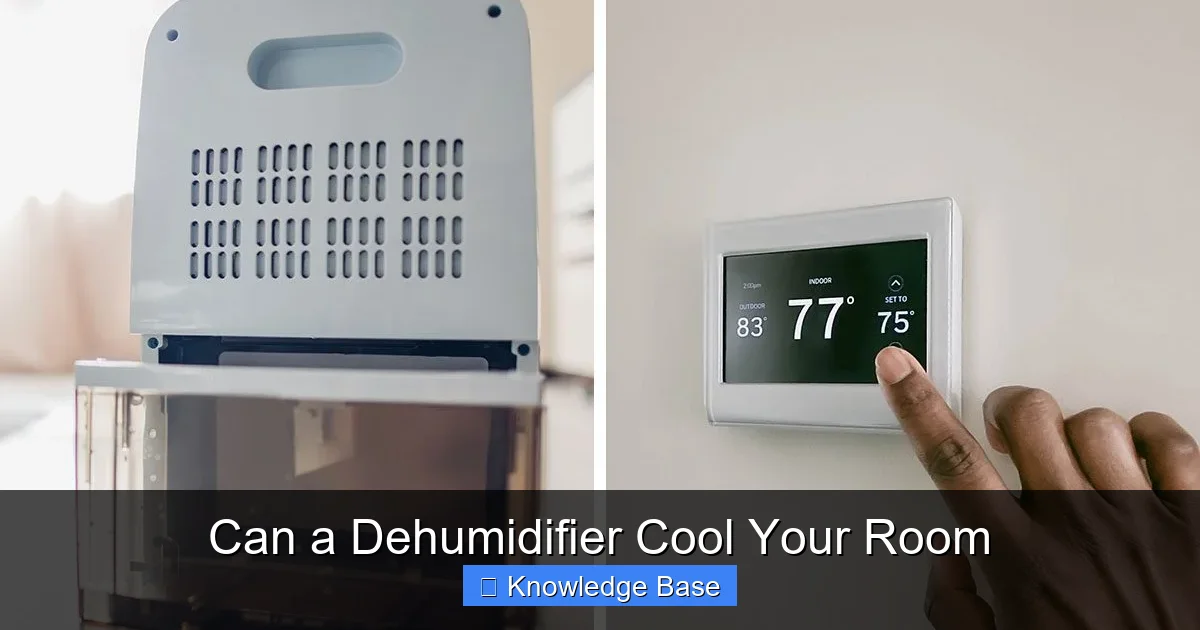
Now for the million-dollar question: if a dehumidifier doesn’t lower the temperature, why does it feel like it’s cooling your room? The answer lies in how your body regulates temperature and how humidity affects that process.
The Science of Sweat and Evaporation
Your body cools itself primarily through sweat. When you’re hot, your sweat glands release moisture onto your skin. As that sweat evaporates, it pulls heat away from your body, creating a cooling effect. This is why a breeze feels refreshing on a hot day—it speeds up evaporation.
But here’s the catch: evaporation only works well when the air isn’t already saturated with moisture. In high-humidity environments, the air is holding so much water vapor that sweat can’t evaporate easily. Instead, it just sits on your skin, making you feel sticky, clammy, and overheated.
When you use a dehumidifier, it reduces the amount of moisture in the air. This lowers the relative humidity, which means the air can now absorb more sweat. As a result, your body can cool itself more efficiently. Even if the room is still 80°F (27°C), it will feel much more comfortable because your sweat is actually doing its job.
Real-World Example: The “Feels Like” Temperature
Weather reports often include a “feels like” temperature, which accounts for humidity and wind. For instance, a day with 90°F (32°C) and 70% humidity might “feel like” 105°F (40.5°C). But if the humidity drops to 40%, the same 90°F might feel closer to 85°F (29°C)—a noticeable difference.
A dehumidifier essentially creates that lower “feels like” temperature indoors. It doesn’t change the actual heat in the room, but it changes how that heat affects your body. This is especially helpful in homes without central air conditioning or in rooms that are hard to cool, like basements or sunrooms.
When It Works Best
The cooling sensation from a dehumidifier is most noticeable in moderately warm, high-humidity environments—typically between 75°F and 85°F (24°C to 29°C) with humidity above 60%. In these conditions, lowering humidity to 40–50% can make a huge difference in comfort.
However, in very hot climates (above 90°F or 32°C), a dehumidifier alone may not be enough. You’ll likely still need air conditioning to lower the actual temperature. But even then, using a dehumidifier can help your AC work more efficiently by reducing the moisture load, which means it doesn’t have to work as hard to cool the air.
Personal Experience: A Case Study
Take Sarah, a homeowner in Florida. Her bedroom gets stuffy at night, especially during summer. The AC runs constantly, but the room still feels damp and uncomfortable. She tried a dehumidifier and noticed a big change. “I didn’t realize how much the humidity was affecting my sleep,” she says. “Now, even when the AC is off, the room feels cooler and easier to breathe in.”
Sarah’s experience is common. Many people don’t realize how much humidity contributes to discomfort until they reduce it. A dehumidifier won’t replace an AC in extreme heat, but it can significantly improve comfort in milder conditions.
Dehumidifier vs. Air Conditioner: What’s the Difference?
It’s easy to confuse dehumidifiers and air conditioners because both deal with indoor air quality and comfort. But they serve different purposes and work in different ways. Understanding the differences can help you decide which one you need—or whether you need both.
Primary Function: Cooling vs. Drying
An air conditioner’s main job is to cool the air. It removes heat from indoor air and releases it outside, lowering the temperature. It also removes some moisture as a byproduct, but that’s not its primary goal.
A dehumidifier, on the other hand, is designed specifically to remove moisture. It doesn’t remove heat—in fact, it may add a little heat back into the room due to the energy used by its motor and compressor.
Energy Use and Efficiency
Air conditioners typically use more energy than dehumidifiers because they’re doing more work: cooling the air and removing moisture. A central AC unit can use 3,000 to 5,000 watts, while a typical dehumidifier uses between 300 and 800 watts, depending on size and efficiency.
This makes dehumidifiers a more energy-efficient option if your main concern is humidity rather than extreme heat. In mild climates or during shoulder seasons (spring and fall), a dehumidifier can provide comfort without the high energy cost of running an AC.
Installation and Portability
Most air conditioners are fixed installations—window units, split systems, or central HVAC. They require professional setup and are not easily moved.
Dehumidifiers, especially portable models, are much more flexible. You can move them from room to room, use them in basements, laundry rooms, or closets, and store them when not in use. This makes them ideal for targeted humidity control.
Cost Comparison
Air conditioners are generally more expensive to buy and operate. A window AC unit might cost $200–$600, while a central system can run into the thousands.
Dehumidifiers are more affordable. A good portable model typically costs between $150 and $400, with higher-end units offering smart features, larger tanks, and better energy efficiency.
When to Use Each
Use an air conditioner when:
– The temperature is high (above 85°F or 29°C)
– You need rapid cooling
– You’re in a hot, dry climate where humidity isn’t the main issue
Use a dehumidifier when:
– The temperature is moderate but the air feels sticky
– You’re dealing with dampness, musty smells, or mold
– You want to reduce allergens like dust mites and mold spores
– You’re trying to lower energy bills by reducing AC use
Can They Work Together?
Absolutely. In fact, using a dehumidifier alongside an air conditioner can improve overall efficiency. By removing excess moisture, the dehumidifier reduces the workload on your AC. The AC doesn’t have to cool air that’s already saturated with humidity, so it can focus on lowering the temperature more effectively.
This combo is especially useful in humid climates like the Gulf Coast or the Southeast. Many modern HVAC systems even include built-in dehumidification modes, but standalone units offer more control and flexibility.
Benefits of Using a Dehumidifier Beyond Cooling
While the cooling effect is a major draw, dehumidifiers offer several other benefits that improve your home’s comfort, health, and longevity. Let’s explore the advantages that go beyond just feeling cooler.
Improved Indoor Air Quality
High humidity creates the perfect breeding ground for mold, mildew, dust mites, and bacteria. These allergens thrive in damp environments and can trigger asthma, allergies, and respiratory issues.
By keeping humidity levels between 30% and 50%, a dehumidifier makes your home less hospitable to these pollutants. This leads to cleaner, fresher air and fewer allergy symptoms. If you or a family member suffers from allergies or asthma, a dehumidifier can be a game-changer.
Reduced Musty Odors
Ever walk into a basement and smell that damp, earthy odor? That’s the scent of mold and mildew growing in hidden corners. A dehumidifier helps eliminate this problem by drying out the air and preventing moisture buildup.
Over time, you’ll notice fewer musty smells in basements, closets, bathrooms, and laundry rooms. Your home will feel cleaner and more inviting.
Protection for Your Home and Belongings
Excess moisture doesn’t just affect your health—it can damage your home. High humidity can warp wood floors, peel paint, ruin furniture, and even weaken structural materials over time.
Books, electronics, musical instruments, and clothing can also suffer in damp conditions. A dehumidifier helps protect these items by maintaining a stable, dry environment.
Energy Savings and Lower Utility Bills
When your home feels cooler due to lower humidity, you’re less likely to crank up the AC. This can lead to significant energy savings, especially during mild weather.
Even when you do use air conditioning, a dehumidifier can help it run more efficiently. Less moisture in the air means the AC doesn’t have to work as hard, which can extend its lifespan and reduce repair costs.
Better Sleep and Comfort
Sleep quality improves in dry, comfortable air. High humidity can make it hard to fall asleep and stay asleep, leading to restless nights and daytime fatigue.
By creating a cooler, drier sleeping environment, a dehumidifier can help you sleep deeper and wake up feeling refreshed.
Prevention of Condensation and Water Damage
Condensation on windows, walls, or pipes is a sign of high indoor humidity. Over time, this can lead to water stains, peeling wallpaper, and even structural damage.
A dehumidifier helps prevent condensation by keeping moisture levels in check. This is especially important in older homes or areas with poor ventilation.
Choosing the Right Dehumidifier for Your Needs
Not all dehumidifiers are created equal. To get the best results, you need to choose the right type and size for your space and humidity level.
Room Size and Capacity
Dehumidifiers are rated by how many pints of moisture they can remove in 24 hours. Small units (20–30 pints) are good for closets or small bathrooms. Medium units (30–50 pints) work well for bedrooms or living rooms. Large units (50+ pints) are ideal for basements or whole-house use.
Measure your space and check the manufacturer’s recommendations. A unit that’s too small won’t be effective; one that’s too large may cycle on and off too frequently, reducing efficiency.
Humidity Level
Use a hygrometer (a small, inexpensive device) to measure your indoor humidity. Ideal levels are between 30% and 50%. If your humidity is above 60%, you’ll benefit from a dehumidifier.
Some models come with built-in hygrometers and auto-humidistats, which let you set a target humidity level. The unit will run until that level is reached, then shut off automatically.
Drainage Options
Most dehumidifiers collect water in a tank that needs to be emptied regularly. If you don’t want to deal with this, look for a model with a continuous drainage option. You can attach a hose and let the water drain directly into a floor drain or sump pump.
This is especially useful for basements or 24/7 operation.
Energy Efficiency
Look for the ENERGY STAR label, which indicates the unit meets strict energy efficiency guidelines. Energy-efficient models use less electricity and cost less to operate over time.
Noise Level
Dehumidifiers can be noisy, especially older models. If you plan to use it in a bedroom or quiet space, check the decibel (dB) rating. Look for units under 50 dB for quiet operation.
Additional Features
Modern dehumidifiers often include features like:
– Auto-restart after power outage
– Timer settings
– Washable filters
– Smart controls (Wi-Fi, app connectivity)
– Defrost function (for cold environments)
These can enhance convenience and performance.
Tips for Maximizing Cooling and Comfort
To get the most out of your dehumidifier—and make your room feel as cool as possible—follow these practical tips.
Use It in a Closed Space
For best results, run the dehumidifier in a room with doors and windows closed. This prevents humid outdoor air from flowing in and reduces the workload on the unit.
Pair It with a Fan
A ceiling fan or portable fan helps circulate the drier air, enhancing the cooling effect. Moving air increases evaporation from your skin, making you feel even cooler.
Maintain the Unit Regularly
Clean the air filter every few weeks to ensure proper airflow. Empty the water tank regularly or use a continuous drain hose. Check for frost buildup in cold environments.
Run It During Peak Humidity Times
Humidity is usually highest in the early morning and after rain. Run your dehumidifier during these times for maximum impact.
Combine with Other Cooling Methods
Use blackout curtains to block heat from the sun, seal air leaks around windows, and avoid using heat-generating appliances (like ovens) during the hottest parts of the day.
Monitor Humidity Levels
Keep an eye on your indoor humidity with a hygrometer. Adjust the dehumidifier settings as needed to maintain comfort and efficiency.
Conclusion: Can a Dehumidifier Cool Your Room?
So, can a dehumidifier cool your room? The answer is both yes and no—depending on what you mean by “cool.”
Technically, a dehumidifier does not lower the temperature of your room. It doesn’t remove heat like an air conditioner. In fact, it may even add a small amount of warmth due to the energy it uses.
But in terms of comfort, a dehumidifier can make your room feel significantly cooler. By reducing humidity, it allows your body to cool itself more efficiently through sweat evaporation. This creates a noticeable improvement in how hot or sticky the air feels—especially in humid climates.
Beyond comfort, dehumidifiers offer real benefits: better air quality, reduced allergens, protection for your home, and potential energy savings. They’re not a replacement for air conditioning in extreme heat, but they’re an excellent complement—or even a standalone solution—in milder conditions.
If you’re dealing with dampness, musty smells, or that sticky summer feeling, a dehumidifier is worth considering. Choose the right size, maintain it properly, and use it alongside fans or other cooling methods for the best results.
In the end, while a dehumidifier won’t change the number on your thermostat, it can change how you feel—and that’s what truly matters when it comes to home comfort.
Frequently Asked Questions
Does a dehumidifier use a lot of electricity?
Dehumidifiers are generally energy-efficient, using 300–800 watts. ENERGY STAR models use less power and cost less to operate over time.
Can a dehumidifier help with mold?
Yes. By keeping humidity below 50%, it prevents mold and mildew growth, reducing musty odors and health risks.
Where should I place a dehumidifier?
Place it in the most humid area, like a basement or bathroom, with good airflow. Keep it away from walls and furniture for best performance.
Do dehumidifiers work in cold temperatures?
Refrigerant models struggle below 65°F (18°C). Desiccant dehumidifiers work better in cold environments like garages or unheated basements.
How long does it take for a dehumidifier to work?
You may notice a difference within a few hours. Full effectiveness depends on room size, humidity level, and unit capacity.
Can a dehumidifier damage electronics?
No, in fact, it protects electronics by reducing moisture that can cause corrosion or short circuits in damp environments.