

Dehumidifiers do not produce carbon monoxide under normal operating conditions. Unlike fuel-burning appliances, they run on electricity and don’t involve combustion. However, improper use or damaged units can pose indirect risks—understanding how to use and maintain your dehumidifier safely is key to a healthy home.
Key Takeaways
- Dehumidifiers do not generate carbon monoxide: They are electric appliances that remove moisture from air through refrigeration or desiccant processes, not combustion.
- Carbon monoxide comes from fuel-burning sources: Only devices that burn gas, oil, wood, or propane—like furnaces, water heaters, or generators—can produce CO.
- Damaged or overheating units may pose fire risks: While not a direct CO source, electrical faults in dehumidifiers can lead to overheating or fires, which might produce CO if other materials burn.
- Proper ventilation and maintenance are essential: Always operate dehumidifiers in well-ventilated areas and follow manufacturer guidelines to prevent malfunctions.
- Install carbon monoxide detectors as a safety net: Even though dehumidifiers aren’t CO producers, detectors protect against risks from other household appliances.
- Choose certified, high-quality models: Look for Energy Star or UL certification to ensure safety and efficiency.
- Never modify or repair units yourself: Tampering with internal components increases the risk of electrical hazards and void warranties.
Quick Answers to Common Questions
Can a dehumidifier create carbon monoxide?
No, dehumidifiers do not create carbon monoxide. They are electric appliances that remove moisture from the air and do not involve combustion.
What appliances actually produce carbon monoxide?
Only fuel-burning appliances like gas furnaces, water heaters, generators, and fireplaces can produce carbon monoxide.
Can a broken dehumidifier start a fire?
Yes, if a dehumidifier has electrical faults or overheats, it could potentially start a fire—especially if near flammable materials.
Should I still use a carbon monoxide detector if I only have electric appliances?
Yes. CO can enter your home from outside sources, so detectors are essential for all households.
How often should I clean my dehumidifier?
Clean or replace the air filter every 1–2 months and empty the water tank regularly to maintain performance and safety.
📑 Table of Contents
- Can a Dehumidifier Create Carbon Monoxide? The Straight Answer
- How Dehumidifiers Work: No Combustion, No CO
- When Could a Dehumidifier Indirectly Contribute to CO Risk?
- Signs of a Faulty Dehumidifier and What to Do
- Best Practices for Safe Dehumidifier Use
- Common Myths About Dehumidifiers and Carbon Monoxide
- Conclusion: Breathe Easy with Confidence
Can a Dehumidifier Create Carbon Monoxide? The Straight Answer
If you’ve ever wondered whether your dehumidifier could be silently releasing carbon monoxide into your home, you’re not alone. With growing awareness about indoor air quality and the dangers of carbon monoxide (CO), it’s natural to question every appliance in your living space. After all, CO is a colorless, odorless gas that can be deadly in high concentrations—so understanding its sources is critical for safety.
The good news? Under normal operating conditions, dehumidifiers do not create carbon monoxide. Unlike gas-powered heaters, furnaces, or generators, dehumidifiers are electric devices that work by pulling moisture out of the air. They don’t burn fuel, so there’s no combustion process that could produce CO. Whether you’re using a refrigerant-based (compressor) dehumidifier or a desiccant model, the core function is moisture removal—not fuel combustion.
That said, it’s important to dig deeper. While dehumidifiers themselves aren’t CO producers, there are rare scenarios where they might indirectly contribute to CO risks—especially if they malfunction or are used improperly. For example, if a dehumidifier overheats and causes a fire, and that fire burns nearby materials like wood, plastic, or fabric, carbon monoxide could be released as a byproduct of incomplete combustion. But in this case, the CO isn’t coming from the dehumidifier itself—it’s coming from the burning materials ignited by the faulty unit.
So, while the direct answer is a clear “no,” the full picture requires understanding how dehumidifiers work, what can go wrong, and how to use them safely. This article will walk you through everything you need to know—from how dehumidifiers operate to real-world safety tips—so you can breathe easy knowing your home is protected.
How Dehumidifiers Work: No Combustion, No CO
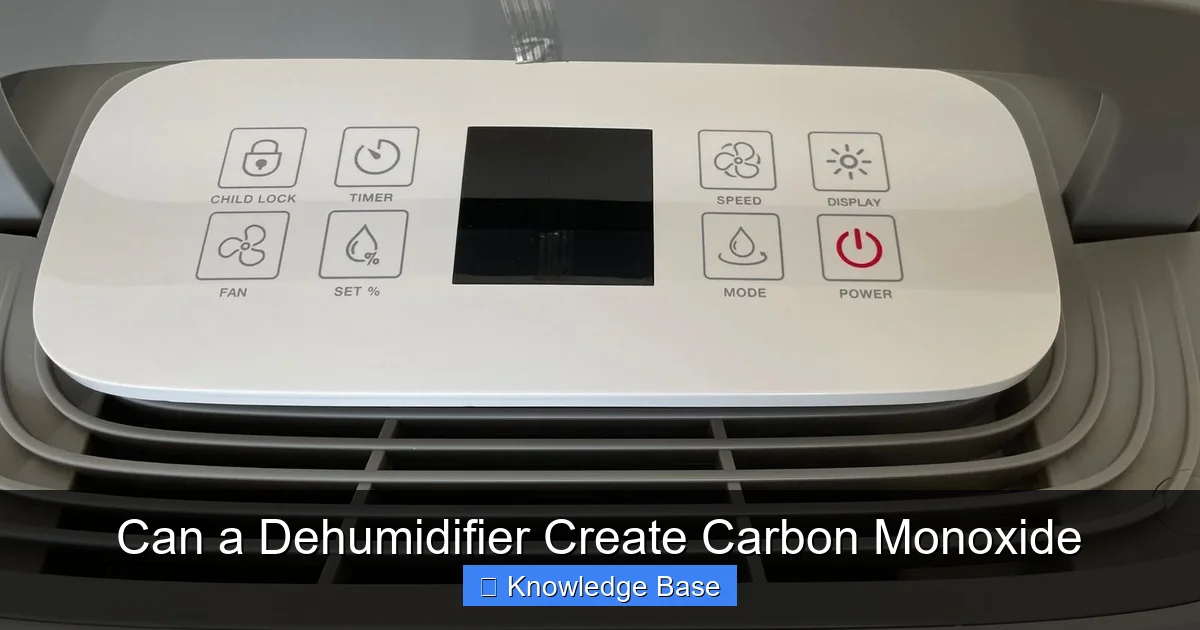
Visual guide about Can a Dehumidifier Create Carbon Monoxide
Image source: cdn.mos.cms.futurecdn.net
To truly understand why dehumidifiers don’t produce carbon monoxide, it helps to know how they function. At their core, dehumidifiers are designed to reduce humidity levels in indoor spaces. High humidity can lead to mold growth, musty odors, and discomfort—especially in basements, bathrooms, or laundry rooms. Dehumidifiers tackle this problem by removing excess moisture from the air, making your home more comfortable and healthier.
There are two main types of dehumidifiers: refrigerant (or compressor) models and desiccant models. Both operate without burning fuel, which is the key reason they don’t generate carbon monoxide.
Refrigerant Dehumidifiers: The Most Common Type
Refrigerant dehumidifiers work similarly to air conditioners. Here’s a simplified breakdown of the process:
1. A fan pulls humid air into the unit.
2. The air passes over cold coils (the evaporator), causing moisture to condense into water droplets.
3. The collected water drips into a built-in tank or drains out through a hose.
4. The now-drier air passes over warm coils (the condenser) to restore its temperature.
5. The dry air is released back into the room.
This entire cycle is powered by electricity and relies on a refrigerant gas to cool the coils. There’s no flame, no fuel, and no combustion—just mechanical cooling and reheating. Because no fuel is burned, there’s no opportunity for carbon monoxide to form.
Desiccant Dehumidifiers: Absorbing Moisture Without Cooling
Desiccant dehumidifiers use a different method. Instead of cooling the air, they use a moisture-absorbing material (like silica gel) to pull water vapor from the air. Here’s how it works:
1. Humid air enters the unit and passes over a desiccant wheel or material.
2. The desiccant absorbs the moisture from the air.
3. The dry air is released back into the room.
4. A separate stream of air (often heated) passes through the desiccant to “recharge” it by releasing the absorbed moisture, which is then vented outside or collected.
Like refrigerant models, desiccant dehumidifiers are electric and don’t involve combustion. They’re often used in colder climates where refrigerant units are less efficient.
Why No Combustion Means No Carbon Monoxide
Carbon monoxide is produced when carbon-based fuels—like natural gas, propane, gasoline, wood, or oil—don’t burn completely. This incomplete combustion releases CO as a toxic byproduct. Common sources include:
– Gas furnaces
– Water heaters
– Fireplaces
– Generators
– Gas stoves
Dehumidifiers, on the other hand, don’t burn anything. They use electricity to power fans, compressors, or heaters (in the case of desiccant models). Since there’s no fuel involved, there’s no combustion—and therefore, no carbon monoxide production.
This fundamental difference is why you’ll never find a dehumidifier listed as a carbon monoxide hazard in safety guides. They simply don’t have the mechanism to create CO.
When Could a Dehumidifier Indirectly Contribute to CO Risk?
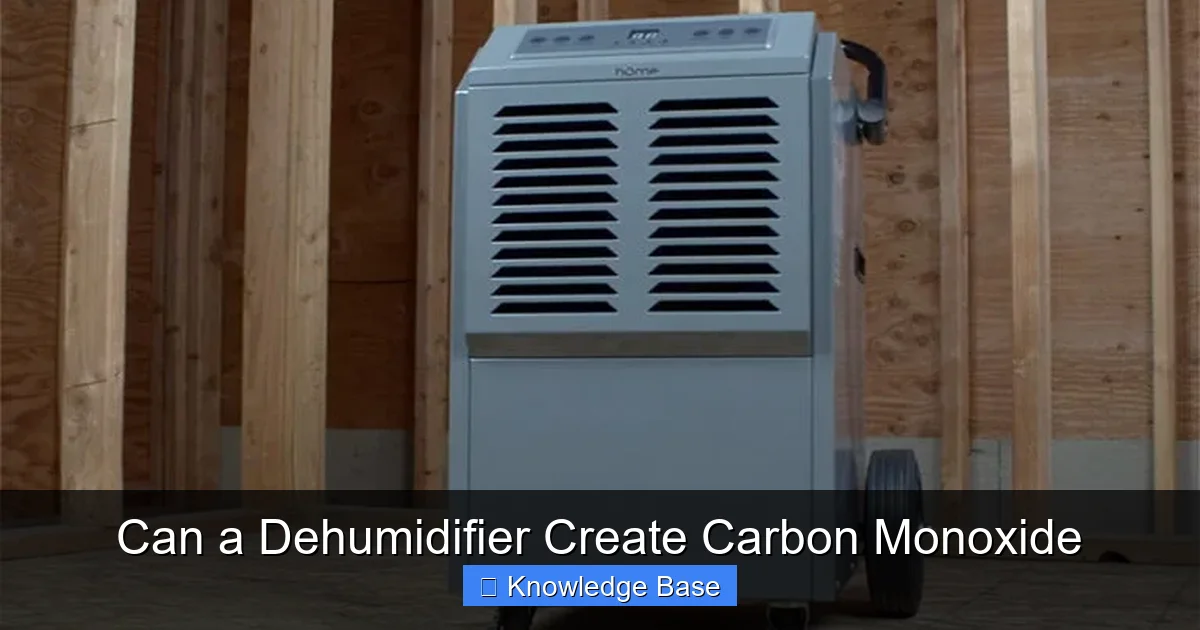
Visual guide about Can a Dehumidifier Create Carbon Monoxide
Image source: homeinspectioninsider.com
While dehumidifiers don’t produce carbon monoxide directly, there are rare situations where they might play a role in CO exposure—indirectly. These scenarios are uncommon but worth understanding to ensure complete safety.
Electrical Fires and Overheating
One of the most significant risks associated with any electrical appliance is the potential for overheating or electrical fires. If a dehumidifier has a manufacturing defect, damaged wiring, or is overloaded on a circuit, it could overheat. In extreme cases, this overheating might ignite nearby flammable materials—such as curtains, furniture, or insulation.
If a fire starts and burns these materials, especially in an oxygen-limited environment, it can produce carbon monoxide as a result of incomplete combustion. In this case, the dehumidifier didn’t create CO directly, but it may have triggered a fire that did.
For example, imagine a dehumidifier placed too close to a stack of old newspapers or a pile of laundry. If the unit overheats and sparks, it could ignite the paper or fabric. As the fire burns, it consumes oxygen and releases CO—posing a serious danger to anyone in the home.
Using Generators or Fuel-Burning Devices Near Dehumidifiers
Another indirect risk arises when people use fuel-burning devices—like portable generators, kerosene heaters, or gas-powered tools—in the same area as a dehumidifier. These devices can produce carbon monoxide, and if the dehumidifier is running, it might circulate CO-filled air throughout the room, making the problem worse.
For instance, someone might run a generator in a basement to power a dehumidifier during a power outage. If the generator isn’t properly vented, CO can build up quickly. The dehumidifier’s fan could then spread the toxic gas, increasing exposure risk.
In this scenario, the dehumidifier isn’t the source of CO—but it can amplify the danger by circulating contaminated air.
Improper Venting of Desiccant Models
Some desiccant dehumidifiers, especially industrial or high-capacity models, vent moist air outside. If these units are installed incorrectly—such as venting into an enclosed space like a closet or attic—they could contribute to moisture buildup. While this doesn’t produce CO, excessive moisture can lead to mold growth, which affects air quality and health.
More importantly, if the venting system is near a fuel-burning appliance (like a furnace), there’s a slight risk of cross-contamination—though this is highly unlikely with proper installation.
Tampering or DIY Repairs
Attempting to repair or modify a dehumidifier yourself can increase the risk of electrical faults. For example, replacing a capacitor with the wrong specifications or bypassing safety switches could lead to overheating or short circuits. These issues might not produce CO directly, but they could cause a fire that does.
Always follow the manufacturer’s instructions and consult a professional for repairs. Never attempt to open or modify the internal components unless you’re a qualified technician.
Signs of a Faulty Dehumidifier and What to Do
Even though dehumidifiers don’t produce carbon monoxide, it’s still important to recognize when one might be malfunctioning. Early detection can prevent fires, electrical hazards, and other safety issues.
Unusual Smells or Smoke
If your dehumidifier starts emitting a burning smell, smoke, or strange odors, turn it off immediately. These signs could indicate overheating, electrical arcing, or melting components. Unplug the unit and move it away from flammable materials. Do not attempt to use it again until it’s inspected by a professional.
Excessive Heat or Hot Surfaces
While dehumidifiers do generate some heat during operation (especially desiccant models), the exterior should never feel excessively hot to the touch. If the casing, vents, or power cord are hot, it could signal an internal problem. Stop using the unit and have it checked.
Frequent Tripping of Circuit Breakers
If your dehumidifier causes the circuit breaker to trip repeatedly, it may be drawing too much power or have a short circuit. This is a fire hazard. Try plugging it into a different outlet on a dedicated circuit. If the problem persists, discontinue use.
Water Leaks or Poor Performance
While not directly related to CO, leaks or reduced efficiency can indicate mechanical issues. A clogged filter, frozen coils, or a full water tank can strain the motor and lead to overheating. Regular maintenance—like cleaning filters and emptying tanks—can prevent these problems.
Visible Damage or Wear
Inspect your dehumidifier regularly for signs of damage: frayed cords, cracked casings, rust, or loose parts. Damaged units are more likely to malfunction. Replace or repair them promptly.
What to Do If You Suspect a Problem
– Turn off and unplug the unit immediately.
– Move it to a safe, non-flammable area.
– Do not attempt to use it again.
– Contact the manufacturer or a certified technician for inspection.
– If there’s smoke or fire, evacuate and call emergency services.
Best Practices for Safe Dehumidifier Use
Using your dehumidifier safely is the best way to prevent any risks—direct or indirect. Follow these practical tips to keep your home safe and your appliance running efficiently.
Choose the Right Model and Size
Select a dehumidifier that matches the size and humidity level of your space. An undersized unit will struggle to keep up, while an oversized one may cycle on and off too frequently, increasing wear. Look for models with Energy Star certification for efficiency and safety.
Install Carbon Monoxide Detectors
Even though dehumidifiers don’t produce CO, it’s smart to install carbon monoxide detectors near sleeping areas and on every level of your home. These devices provide an early warning if CO levels rise from other sources—like a malfunctioning furnace or generator.
Ensure Proper Ventilation
Always operate your dehumidifier in a well-ventilated area. Avoid placing it in tight, enclosed spaces like closets or under stairs. Good airflow helps prevent overheating and ensures efficient operation.
Keep It Away from Flammable Materials
Maintain at least 12 inches of clearance around the unit. Keep it away from curtains, furniture, paper, and cleaning supplies. This reduces the risk of fire if the unit overheats.
Use a Dedicated Electrical Outlet
Plug your dehumidifier into a grounded outlet on a dedicated circuit. Avoid using extension cords or power strips, which can overheat under heavy load. If you must use an extension cord, choose a heavy-duty, UL-listed model rated for the unit’s wattage.
Perform Regular Maintenance
– Clean or replace air filters every 1–2 months.
– Empty the water tank regularly or use a continuous drain hose.
– Wipe down the exterior and check for dust buildup.
– Inspect coils and vents for blockages.
Follow the Manufacturer’s Instructions
Always read the user manual before use. Follow guidelines for installation, operation, and maintenance. Never modify the unit or bypass safety features.
Replace Old or Damaged Units
Most dehumidifiers last 5–10 years with proper care. If your unit is old, inefficient, or frequently malfunctioning, consider replacing it. Newer models are more energy-efficient and include advanced safety features.
Common Myths About Dehumidifiers and Carbon Monoxide
Misinformation can spread quickly, especially when it comes to home safety. Let’s clear up some common myths about dehumidifiers and carbon monoxide.
Myth 1: “All Appliances That Use Electricity Can Produce CO”
False. Only appliances that burn fuel can produce carbon monoxide. Electric devices—like dehumidifiers, fans, microwaves, and space heaters—do not generate CO, even if they overheat.
Myth 2: “Desiccant Dehumidifiers Burn Fuel to Heat Air”
No. Desiccant models use electric heaters to regenerate the desiccant material. They don’t burn gas, oil, or any other fuel. The heating element is powered by electricity, not combustion.
Myth 3: “Running a Dehumidifier Increases CO Levels”
Not true. Dehumidifiers don’t add any gases to the air—they only remove moisture. In fact, by reducing humidity, they can improve air quality and make your home feel more comfortable.
Myth 4: “You Don’t Need a CO Detector If You Don’t Have Gas Appliances”
Even if you use only electric appliances, CO can still enter your home from outside sources—like a neighbor’s generator, a car idling in an attached garage, or a fireplace in a nearby unit. CO detectors are essential for all homes.
Myth 5: “Dehumidifiers Are Dangerous and Should Be Avoided”
When used properly, dehumidifiers are safe and beneficial. They help prevent mold, dust mites, and structural damage caused by excess moisture. The key is proper use and maintenance.
Conclusion: Breathe Easy with Confidence
So, can a dehumidifier create carbon monoxide? The answer is a clear and reassuring no—not under normal circumstances. Dehumidifiers are electric appliances that remove moisture from the air through refrigeration or desiccant processes. They don’t burn fuel, so they don’t produce carbon monoxide.
However, like any electrical device, dehumidifiers can pose risks if they malfunction, are used improperly, or are placed near flammable materials. Overheating, electrical faults, or fires could indirectly lead to CO production—but only if other materials burn. The dehumidifier itself remains innocent.
The best way to stay safe is to use your dehumidifier responsibly: choose a quality model, follow the manufacturer’s instructions, perform regular maintenance, and keep it away from fire hazards. And while you’re at it, install carbon monoxide detectors throughout your home for peace of mind.
By understanding how your appliances work and taking simple precautions, you can enjoy the benefits of a dry, comfortable home—without worrying about invisible dangers. Your dehumidifier isn’t a threat. It’s a helpful tool in your quest for better indoor air quality.
Frequently Asked Questions
Can a dehumidifier produce carbon monoxide if it overheats?
No, overheating alone won’t produce CO. However, if the overheating causes a fire that burns nearby materials, CO could be released from the burning items—not the dehumidifier.
Are desiccant dehumidifiers safer than refrigerant models?
Both types are safe when used properly. Desiccant models don’t use refrigerants, which some prefer for environmental reasons, but both operate without combustion.
Can I run a dehumidifier in a closed room?
Yes, but ensure the room has some airflow. Avoid placing the unit in a completely sealed space like a closet, as this can lead to overheating.
Is it safe to leave a dehumidifier on overnight?
Yes, most modern dehumidifiers are designed for continuous use. Just make sure it’s in a safe location, the tank is monitored, and the unit is well-maintained.
What should I do if my dehumidifier smells like it’s burning?
Turn it off immediately, unplug it, and move it away from flammable materials. Do not use it again until inspected by a professional.
Do I need a dehumidifier if I have air conditioning?
Air conditioners remove some moisture, but not as effectively as dehumidifiers. In humid climates or basements, a dehumidifier can provide better comfort and mold prevention.