
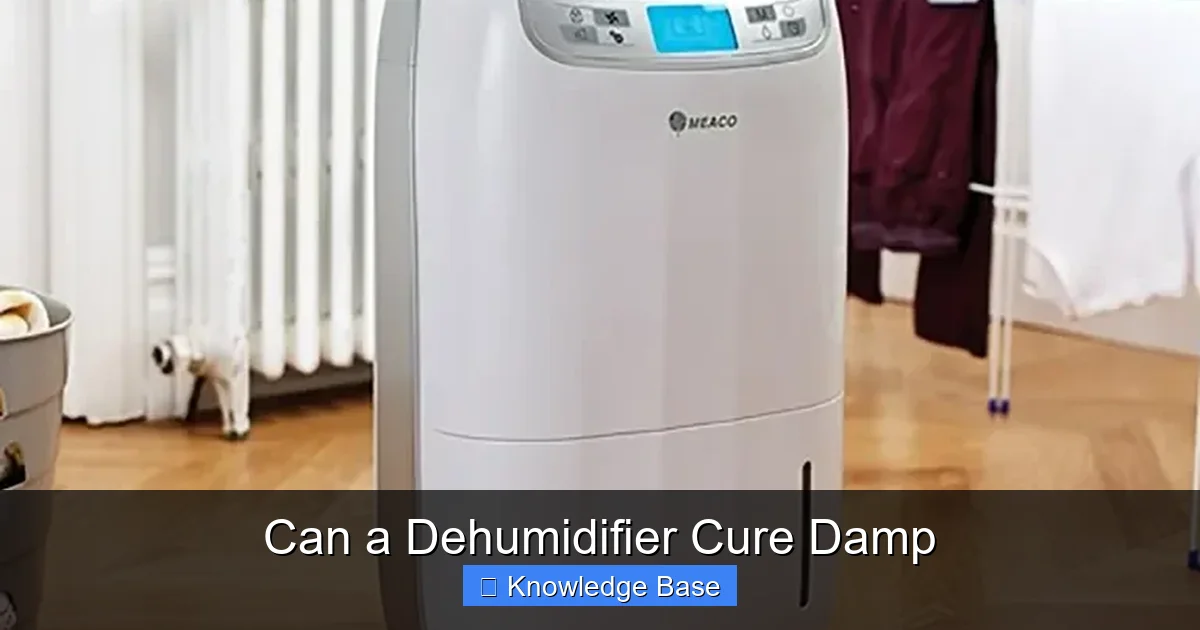
While a dehumidifier cannot fully cure damp on its own, it plays a vital role in managing moisture levels and preventing further damage. It works best when combined with proper ventilation, insulation, and addressing the root cause of dampness.
Key Takeaways
- Dehumidifiers reduce moisture: They extract excess humidity from the air, helping to control condensation and surface damp.
- Not a standalone cure: A dehumidifier treats symptoms but won’t fix structural issues like rising damp or leaks.
- Effective for condensation damp: Ideal for homes with high humidity from cooking, showering, or drying clothes indoors.
- Improves air quality: Lower humidity reduces mold, dust mites, and musty odors, creating a healthier living environment.
- Energy-efficient options available: Modern refrigerant and desiccant models offer quiet, low-energy operation for long-term use.
- Requires maintenance: Regular cleaning of filters and emptying water tanks ensures optimal performance.
- Best used preventively: Running a dehumidifier year-round in humid climates helps avoid damp problems before they start.
Quick Answers to Common Questions
Can a dehumidifier stop mold growth?
Yes, by reducing humidity levels below 50%, a dehumidifier makes it harder for mold to grow. It’s most effective when combined with cleaning and ventilation.
How long should I run a dehumidifier each day?
Run it daily for 6–8 hours, or use the auto-humidistat to maintain 40–50% humidity. Adjust based on room size and moisture levels.
Will a dehumidifier lower my heating bills?
Indirectly, yes. Dry air feels warmer, so you may lower your thermostat slightly. However, the dehumidifier itself uses electricity.
Can I use a dehumidifier in winter?
Yes, especially in cold, damp areas like basements. Desiccant models work best in low temperatures.
Do dehumidifiers remove odors?
Yes, by reducing moisture, they help eliminate musty smells caused by mold and mildew.
📑 Table of Contents
- Can a Dehumidifier Cure Damp?
- Understanding Damp: Types and Causes
- How a Dehumidifier Works
- Can a Dehumidifier Cure Condensation Damp?
- Limitations: When a Dehumidifier Can’t Cure Damp
- Combining a Dehumidifier with Other Damp-Proofing Strategies
- Choosing the Right Dehumidifier for Your Home
- Maintaining Your Dehumidifier for Long-Term Use
- Conclusion: A Tool, Not a Cure-All
Can a Dehumidifier Cure Damp?
If you’ve ever walked into a room and noticed that musty smell, peeling wallpaper, or dark patches on walls, you’ve likely encountered damp. It’s a common household issue that affects millions of homes, especially in colder or more humid climates. Damp isn’t just unsightly—it can lead to mold growth, structural damage, and even health problems like allergies and respiratory issues. So, when people hear about dehumidifiers, a common question arises: *Can a dehumidifier cure damp?*
The short answer is: not entirely. But it’s a powerful tool in the fight against dampness. A dehumidifier helps manage moisture levels in your home, which is often the root cause of many damp problems. Think of it like using a bandage on a cut—it helps the healing process, but it won’t fix a broken bone. Similarly, a dehumidifier can significantly reduce moisture and prevent further damage, but it won’t solve underlying structural issues like leaks, poor insulation, or rising damp.
In this article, we’ll explore how dehumidifiers work, the different types of damp they can help with, and when they’re most effective. We’ll also discuss practical tips for using a dehumidifier, what to look for when buying one, and how to combine it with other damp-proofing strategies for the best results. Whether you’re dealing with a damp basement, a moldy bathroom, or just want to improve your home’s air quality, understanding the role of a dehumidifier is essential.
Understanding Damp: Types and Causes
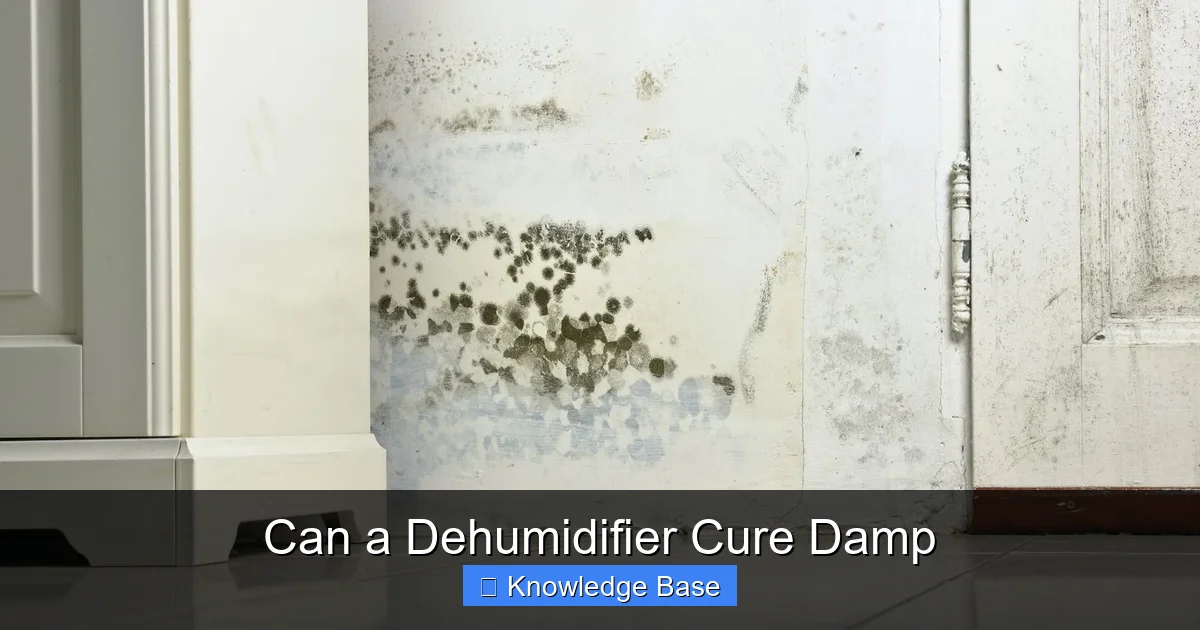
Visual guide about Can a Dehumidifier Cure Damp
Image source: cdn.mos.cms.futurecdn.net
Before we dive into whether a dehumidifier can cure damp, it’s important to understand what damp actually is—and what causes it. Damp refers to the presence of unwanted moisture in a building. It can show up in many forms, from visible water stains to hidden mold behind walls. There are three main types of damp: condensation damp, rising damp, and penetrating damp. Each has different causes and requires different solutions.
Condensation Damp
Condensation damp is the most common type of damp in homes. It occurs when warm, moist air comes into contact with cold surfaces, like windows, walls, or mirrors. The moisture in the air condenses into water droplets, which can soak into walls and ceilings. This often happens in kitchens and bathrooms, where steam from cooking or showering builds up. Over time, this moisture can lead to black mold, peeling paint, and a damp, musty smell.
Common causes include:
– Poor ventilation
– Drying clothes indoors without proper airflow
– Cooking or showering without using extractor fans
– Cold surfaces in poorly insulated rooms
Rising Damp
Rising damp happens when groundwater moves up through walls via capillary action—like water soaking up a sponge. It typically affects the lower sections of walls, especially in older homes without a damp-proof course (DPC). A DPC is a waterproof layer built into walls to stop moisture from rising. If it’s damaged or missing, water can seep upward, causing salt deposits, crumbling plaster, and tide marks on walls.
Rising damp is less common than condensation damp but more serious. It often requires professional intervention, such as repairing or installing a DPC, re-plastering walls, or improving drainage around the foundation.
Penetrating Damp
Penetrating damp occurs when water enters a building from the outside. This can happen due to damaged roofing, cracked walls, faulty gutters, or leaking pipes. Unlike rising damp, penetrating damp can affect any part of a wall, not just the lower sections. It often appears as dark patches that grow over time, especially during rainy weather.
This type of damp usually requires fixing the source of the leak—such as repairing a roof tile or sealing a crack—before any moisture control measures can be effective.
How a Dehumidifier Works
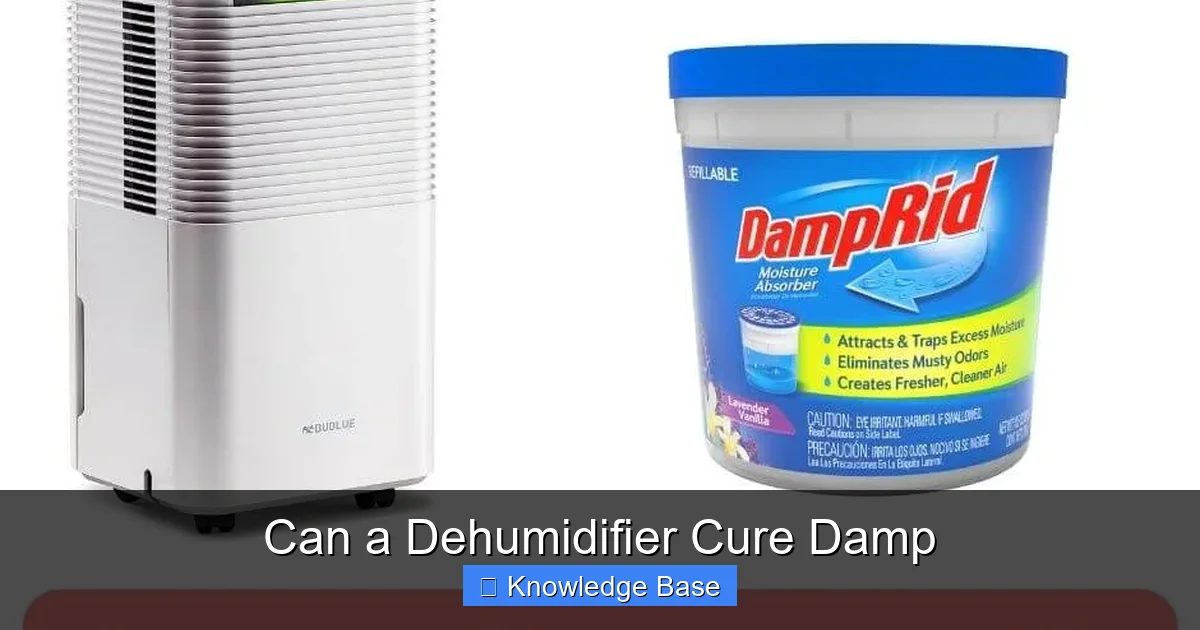
Visual guide about Can a Dehumidifier Cure Damp
Image source: dehumidifierforhome.com
Now that we understand the types of damp, let’s look at how a dehumidifier fits into the picture. A dehumidifier is an appliance designed to reduce the amount of moisture in the air. It does this by drawing in humid air, removing the water vapor, and then releasing drier air back into the room. This process helps lower the overall humidity level, making it harder for mold and mildew to grow.
There are two main types of dehumidifiers: refrigerant (compressor) dehumidifiers and desiccant dehumidifiers. Both work differently but achieve the same goal—reducing indoor humidity.
Refrigerant Dehumidifiers
Refrigerant dehumidifiers are the most common type found in homes. They work similarly to a refrigerator or air conditioner. Here’s how:
1. A fan draws humid air into the unit.
2. The air passes over cold coils, causing moisture to condense into water droplets.
3. The water collects in a removable tank or drains directly out.
4. The drier air is then reheated and released back into the room.
These dehumidifiers are most effective in warm, humid environments—typically between 15°C and 30°C (59°F to 86°F). They’re energy-efficient and great for everyday use in living rooms, basements, or bedrooms.
Desiccant Dehumidifiers
Desiccant dehumidifiers use a moisture-absorbing material (called a desiccant) to pull water from the air. The air passes over a rotating wheel coated with silica gel or another absorbent substance. The moisture sticks to the desiccant, and dry air is released. The unit then uses a small heater to dry out the desiccant so it can continue absorbing moisture.
These models work well in colder temperatures and are often used in garages, sheds, or unheated spaces. They’re quieter than refrigerant models but can use more energy, especially if they have a built-in heater.
Key Features to Look For
When choosing a dehumidifier, consider these features:
– **Capacity:** Measured in liters per day (e.g., 10L, 20L). Choose based on room size and humidity level.
– **Auto-humidistat:** Lets you set a target humidity level (ideally 40–50%) and automatically turns the unit on/off.
– **Continuous drainage:** Allows you to connect a hose so you don’t have to empty the tank manually.
– **Energy efficiency:** Look for models with an Energy Star rating to save on electricity.
– **Noise level:** Important if using in a bedroom or quiet space—most run between 35–50 decibels.
Can a Dehumidifier Cure Condensation Damp?
Now, let’s get to the heart of the matter: can a dehumidifier cure condensation damp? The answer is a resounding *yes—when used correctly*.
Condensation damp is directly linked to high indoor humidity. Every time you cook, shower, or dry clothes indoors, you release moisture into the air. Without proper ventilation, that moisture has nowhere to go, so it settles on cold surfaces. Over time, this leads to mold, peeling paint, and that unmistakable damp smell.
A dehumidifier tackles this problem at its source by removing excess moisture from the air. By keeping humidity levels between 40% and 50%, you create an environment where condensation is less likely to form. This not only prevents new damp from appearing but also helps dry out existing damp patches.
Practical Example: A Damp Bathroom
Imagine a bathroom with no extractor fan. After a hot shower, steam fills the room. Without ventilation, the moisture settles on the mirror, walls, and ceiling. Over weeks, black mold begins to grow in the corners.
Now, add a dehumidifier. You run it for an hour after each shower. The unit pulls the moist air in, extracts the water, and releases dry air. Within days, you notice the mirror stays clear longer. Within weeks, the mold stops spreading and begins to dry out. With regular cleaning, the mold can be removed entirely.
This is exactly how a dehumidifier can “cure” condensation damp—not by fixing a leak or structural flaw, but by controlling the moisture that causes the problem.
Tips for Using a Dehumidifier Effectively
To get the best results:
– **Run it consistently:** Use the dehumidifier daily, especially in high-moisture areas like bathrooms, kitchens, and basements.
– **Close doors and windows:** This prevents humid outdoor air from entering and reduces the workload on the unit.
– **Empty the tank regularly:** Most units have a full-tank alert, but check it daily during humid weather.
– **Clean the filter monthly:** A dirty filter reduces efficiency and can lead to mold growth inside the unit.
– **Use in combination with ventilation:** Open windows when weather allows, and use extractor fans in kitchens and bathrooms.
Limitations: When a Dehumidifier Can’t Cure Damp
While dehumidifiers are excellent for managing condensation damp, they have clear limitations. They cannot cure damp caused by structural issues like rising damp or penetrating damp. In these cases, the moisture is coming from outside the home—either from the ground or through leaks—and a dehumidifier alone won’t stop it.
Rising Damp: A Structural Problem
Rising damp occurs when groundwater seeps up through walls. This is often due to a missing or damaged damp-proof course. A dehumidifier might temporarily reduce surface moisture, but it won’t stop water from rising through the masonry. In fact, running a dehumidifier in a room with rising damp can sometimes make the problem worse by drying out the upper walls while leaving the lower sections wet—leading to uneven drying and potential cracking.
To cure rising damp, you need professional help. This may include:
– Installing or repairing a damp-proof course
– Re-plastering walls with waterproof materials
– Improving external drainage to keep water away from the foundation
Penetrating Damp: Fix the Source First
Similarly, if water is entering your home through a leaking roof or cracked wall, a dehumidifier can help manage the symptoms—like drying out damp patches—but it won’t stop the leak. In fact, ignoring the source can lead to more serious damage over time, including rot, structural weakening, and increased repair costs.
Always inspect your home for signs of external water entry. Look for:
– Water stains on ceilings or walls
– Damp patches that appear after rain
– Cracked or missing roof tiles
– Blocked or broken gutters
Once the leak is fixed, a dehumidifier can help dry out the affected area and prevent mold growth during the recovery process.
Combining a Dehumidifier with Other Damp-Proofing Strategies
The most effective way to cure damp is to use a dehumidifier as part of a broader strategy. Think of it as one tool in a toolkit. To truly solve damp problems, you need to address both the symptoms (moisture in the air) and the causes (poor ventilation, leaks, etc.).
Improve Ventilation
Good airflow is essential for preventing damp. Without it, moisture has nowhere to go. Here’s how to improve ventilation:
– Use extractor fans in kitchens and bathrooms—run them during and after showers or cooking.
– Open windows regularly, even in winter, to allow fresh air to circulate.
– Install trickle vents in windows to allow continuous airflow without losing heat.
– Avoid blocking air vents or covering radiators with furniture.
Insulate and Heat Your Home
Cold surfaces attract condensation. By keeping your home warm and well-insulated, you reduce the temperature difference between the air and the walls. This makes condensation less likely.
Tips:
– Insulate walls, attics, and floors to retain heat.
– Use double-glazed windows to reduce cold spots.
– Maintain a consistent indoor temperature—avoid letting rooms get too cold.
– Use thermostatic radiator valves to control heat in individual rooms.
Fix Leaks and Seal Gaps
Even small leaks can lead to big damp problems over time. Regularly check for:
– Dripping taps or pipes
– Leaking washing machine hoses
– Cracks in walls or foundations
– Damaged seals around windows and doors
Sealing gaps with caulk or weatherstripping can prevent moisture from entering and improve energy efficiency.
Use Moisture-Absorbing Products
In addition to a dehumidifier, consider using moisture absorbers in small spaces like closets, cupboards, or wardrobes. Products like silica gel packs or calcium chloride-based dehumidifier buckets can help prevent mold and musty smells in enclosed areas.
Choosing the Right Dehumidifier for Your Home
Not all dehumidifiers are created equal. Choosing the right one depends on your specific needs, room size, and the type of damp you’re dealing with.
Room Size and Capacity
Dehumidifiers are rated by how much water they can remove in 24 hours. For example:
– Small rooms (bedrooms, bathrooms): 10–12L per day
– Medium rooms (living rooms, kitchens): 15–20L per day
– Large spaces (basements, garages): 20L+ per day
Measure your room and choose a model with slightly higher capacity than needed—this ensures it can handle humidity spikes.
Energy Efficiency
Dehumidifiers can use a lot of electricity, especially if run daily. Look for models with:
– Energy Star certification
– Auto-shutoff when the tank is full
– Low-wattage operation
– Timer functions to run only when needed
A 20L refrigerant dehumidifier typically uses around 300–400 watts. Running it for 8 hours a day could cost $10–$15 per month, depending on your electricity rate.
Noise and Portability
If you plan to use the dehumidifier in a bedroom or living area, noise matters. Desiccant models are generally quieter (around 35–40 dB), while refrigerant models can be louder (45–50 dB). Look for units with quiet modes or night settings.
Portability is also important. Choose a model with wheels and a handle if you need to move it between rooms.
Maintaining Your Dehumidifier for Long-Term Use
Like any appliance, a dehumidifier needs regular maintenance to work efficiently and last longer. Neglecting it can lead to reduced performance, mold growth inside the unit, and even fire hazards.
Clean the Filter Monthly
The air filter traps dust and debris. Over time, it gets clogged, reducing airflow and efficiency. Most filters are washable—just rinse with warm water and let dry before replacing.
Empty the Water Tank Regularly
Even with a full-tank alert, it’s good practice to check the tank daily. If it overflows, water can damage the unit or the floor. For convenience, consider a model with continuous drainage—just attach a hose and let the water drain into a sink or floor drain.
Clean the Coils and Interior
Every 3–6 months, wipe down the interior with a damp cloth and mild detergent. For refrigerant models, gently clean the coils with a soft brush to remove dust buildup.
Store Properly During Off-Seasons
If you live in a dry climate and only use the dehumidifier in winter, store it properly during summer. Empty the tank, clean the filter, and keep it in a dry, dust-free place.
Conclusion: A Tool, Not a Cure-All
So, can a dehumidifier cure damp? The answer is nuanced. It cannot cure damp caused by structural issues like rising damp or penetrating damp. But for condensation damp—the most common type—it’s one of the most effective tools available. By reducing indoor humidity, a dehumidifier helps prevent mold, dry out damp patches, and improve air quality.
However, it works best as part of a comprehensive approach. Combine it with good ventilation, proper insulation, and timely repairs to address the root causes of damp. Think of the dehumidifier as your first line of defense—keeping your home dry, healthy, and comfortable.
If you’re dealing with persistent damp, don’t rely on a dehumidifier alone. Consult a professional to assess the situation and recommend the right solution. But for everyday moisture control, a quality dehumidifier is a smart, practical investment that can make a big difference in your home.
Frequently Asked Questions
Can a dehumidifier cure rising damp?
No, a dehumidifier cannot cure rising damp. This type of damp is caused by groundwater rising through walls and requires structural repairs like installing a damp-proof course.
How often should I empty the dehumidifier tank?
Empty the tank daily during humid weather or when the full-tank alert sounds. For convenience, use a model with continuous drainage.
Is it safe to run a dehumidifier all night?
Yes, most modern dehumidifiers are safe to run overnight. Choose a quiet model with an auto-shutoff feature for peace of mind.
Can a dehumidifier help with allergies?
Yes, by reducing mold and dust mites—common allergens—a dehumidifier can improve indoor air quality and ease allergy symptoms.
What humidity level should I maintain at home?
Aim for 40–50% relative humidity. This range prevents mold growth while keeping the air comfortable and breathable.
Do dehumidifiers use a lot of electricity?
They can, but energy-efficient models with timers and auto-humidistats help reduce consumption. Look for Energy Star-rated units.