
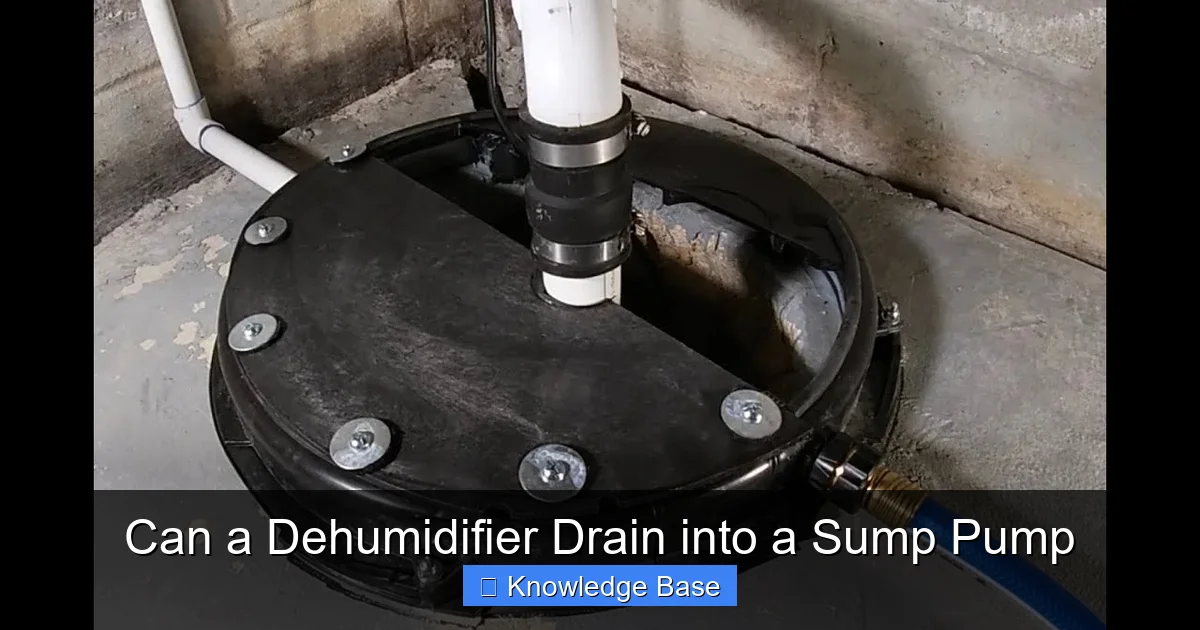
Yes, a dehumidifier can drain into a sump pump, but it requires careful planning and the right equipment. This setup can save space, reduce manual emptying, and improve basement air quality—when done correctly.
Key Takeaways
- Yes, it’s possible: A dehumidifier can drain into a sump pump pit, but only if the sump pump is designed to handle continuous water input and is properly maintained.
- Check local codes: Some building codes restrict connecting appliances to sump systems—always verify regulations before installation.
- Use a condensate pump if needed: If gravity drainage isn’t feasible, a small condensate pump can move water from the dehumidifier to the sump pit.
- Prevent backups and overflows: Install a float switch or alarm to alert you if the sump pit fills too quickly or the pump fails.
- Maintain both systems regularly: Clean filters, check hoses, and inspect the sump pump to ensure reliable operation and avoid mold or water damage.
- Consider the dehumidifier’s output: High-capacity units may overwhelm a standard sump pump—match the systems appropriately.
- Professional help is wise: For complex setups or older homes, consult a plumber or HVAC technician to ensure safety and compliance.
Quick Answers to Common Questions
Can I connect my dehumidifier directly to the sump pump discharge line?
No, you should not connect the dehumidifier directly to the sump pump’s discharge line. Instead, route the drain hose into the sump pit so the pump can handle the water naturally.
Will draining a dehumidifier into a sump pump cause it to run constantly?
It might, especially if the dehumidifier produces a lot of water and the sump pump has a low capacity. Monitor the system and adjust settings or upgrade the pump if needed.
Do I need a special hose for dehumidifier drainage?
Yes, use a rigid or semi-rigid vinyl or reinforced plastic hose designed for condensate drainage. Avoid garden hoses, which can kink or degrade.
Can I use this setup in a crawl space?
Yes, as long as the dehumidifier and sump pump are properly installed and accessible for maintenance. Ensure the drain hose is secured and protected from pests.
What if my sump pump fails?
If the sump pump fails, water from the dehumidifier could back up into the unit or flood the area. Install a backup pump or alarm to prevent this.
📑 Table of Contents
- Can a Dehumidifier Drain into a Sump Pump? The Short Answer
- How Dehumidifiers and Sump Pumps Work Together
- Requirements for Safe and Effective Drainage
- Potential Risks and How to Avoid Them
- Step-by-Step Guide to Connecting a Dehumidifier to a Sump Pump
- Alternative Drainage Options
- Maintenance Tips for Long-Term Success
- Conclusion
Can a Dehumidifier Drain into a Sump Pump? The Short Answer
Yes, a dehumidifier can drain into a sump pump—but it’s not as simple as just running a hose and hoping for the best. This setup can be a smart, space-saving solution for managing moisture in basements or crawl spaces, especially in humid climates or older homes with damp foundations. However, it requires thoughtful planning, the right equipment, and ongoing maintenance to work safely and effectively.
Many homeowners struggle with excess moisture in their basements. Condensation forms on cold surfaces, musty smells linger, and mold begins to grow. A dehumidifier helps by pulling moisture from the air and collecting it in a reservoir. But emptying that tank every day gets old fast. That’s where the idea of connecting the dehumidifier to a sump pump comes in. Instead of manually dumping water, the dehumidifier sends its collected moisture directly into the sump pit, where the pump can eject it outside. It’s efficient, convenient, and can improve indoor air quality over time.
How Dehumidifiers and Sump Pumps Work Together
To understand whether a dehumidifier can drain into a sump pump, it helps to know how each device functions on its own—and how they can complement each other.
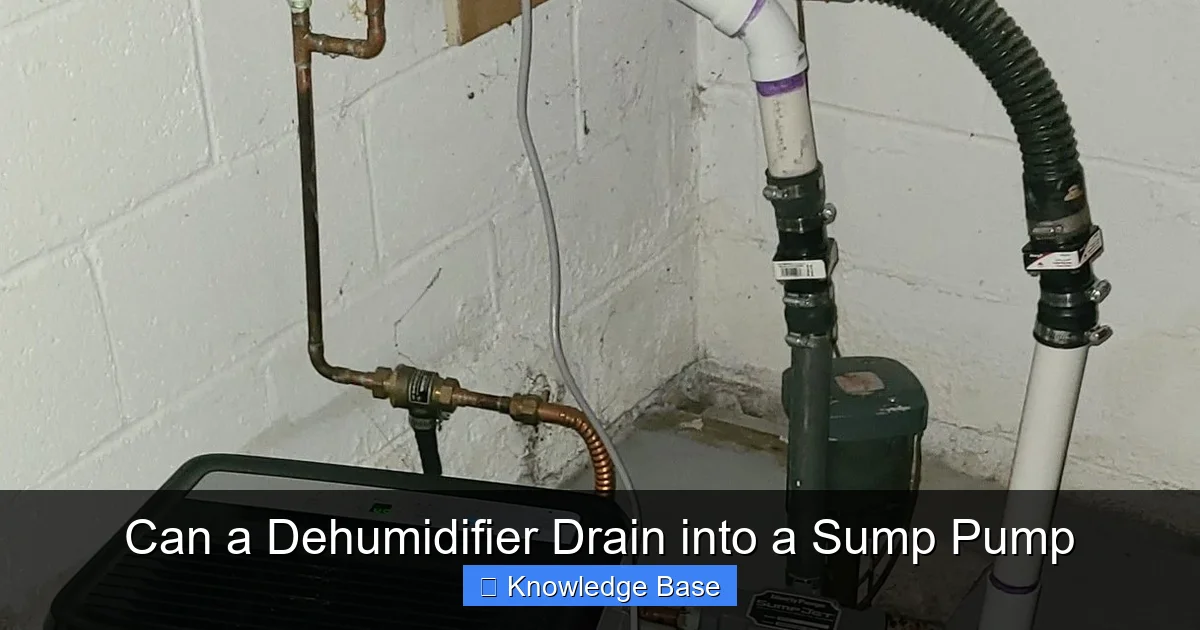
Visual guide about Can a Dehumidifier Drain into a Sump Pump
Image source: cimg6.ibsrv.net
What a Dehumidifier Does
A dehumidifier pulls humid air from the room over cold coils. As the air cools, moisture condenses into water droplets, which drip into a collection tank or drain pan. Most modern units have a built-in pump or a gravity drain hose option. High-capacity models, especially those used in basements or commercial spaces, often include a drain hose connection so you can route water continuously without manual emptying.
What a Sump Pump Does
A sump pump sits in a pit (the sump basin) dug into the lowest part of a basement or crawl space. Its job is to collect groundwater that seeps through the foundation and pump it away from the home—usually to a storm drain, dry well, or exterior discharge point. Sump pumps activate automatically via a float switch when water reaches a certain level.
The Connection: Why It Makes Sense
When you connect a dehumidifier to a sump pump, you’re essentially adding a new source of water to the sump pit: condensate from the air. This water is clean, free of debris, and typically added slowly over time. In many cases, the sump pump can handle this extra load without issue—especially if it’s already running occasionally due to groundwater.
For example, imagine a basement in Ohio during the summer. Humidity levels rise, and the dehumidifier runs constantly, collecting several gallons of water per day. Instead of emptying a bucket every morning, the homeowner routes the drain hose into the sump pit. The sump pump, which normally activates once or twice a day due to minor seepage, now handles the added moisture seamlessly. The result? Less maintenance, drier air, and a lower risk of mold.
Requirements for Safe and Effective Drainage
Not every dehumidifier-sump pump setup will work out of the box. Several factors determine whether this connection is safe, legal, and efficient.

Visual guide about Can a Dehumidifier Drain into a Sump Pump
Image source: thedehumidifierexperts.com
1. Gravity Drain vs. Pump-Assisted Drain
Most dehumidifiers with a drain option use gravity to move water through a hose. This means the drain outlet must be higher than the water level in the sump pit—otherwise, water won’t flow and could back up into the unit. If your dehumidifier is below the sump pit level, you’ll need a condensate pump to push the water uphill.
Condensate pumps are small, quiet, and designed specifically for this purpose. They’re commonly used with air conditioners and furnaces, but work just as well with dehumidifiers. Look for a model with a built-in float switch and overflow protection. Install it between the dehumidifier and the sump pit, and make sure it’s plugged into a GFCI outlet for safety.
2. Sump Pump Capacity and Run Frequency
Not all sump pumps are created equal. A standard residential sump pump might handle 2,000–3,000 gallons per hour, but that doesn’t mean it can run nonstop. Most are designed for intermittent use—activating only when groundwater rises.
If your dehumidifier adds 1–2 gallons per hour (common for high-capacity units), and your sump pump only runs a few times a day, you might overwhelm the system. The pit could fill faster than the pump can empty it, leading to backups, overflows, or pump burnout.
To avoid this, check your sump pump’s gallons per hour (GPH) rating and compare it to your dehumidifier’s output. A dehumidifier producing 50 pints per day (about 6 gallons) adds roughly 0.25 gallons per hour. If your sump pump runs for 10 minutes every hour, it should handle this load easily. But if your basement is already prone to flooding, adding more water could be risky.
3. Proper Hose Routing and Sealing
The drain hose must be routed securely to prevent leaks, kinks, or disconnections. Use a rigid or semi-rigid hose (like vinyl or reinforced plastic) instead of a flimsy garden hose. Secure it with zip ties or clamps, and ensure it slopes downward toward the sump pit to maintain gravity flow.
When inserting the hose into the sump pit, avoid submerging it completely. Instead, place the end just above the normal water level—this prevents backpressure and allows air to escape. Some homeowners drill a small hole in the side of the sump cover and insert the hose through a rubber grommet for a clean, sealed connection.
4. Electrical and Safety Considerations
Water and electricity don’t mix. If you’re using a condensate pump, make sure it’s installed away from standing water and plugged into a GFCI (ground fault circuit interrupter) outlet. Never run electrical cords through the sump pit or near the water discharge area.
Also, consider installing a check valve on the sump pump’s discharge line. This prevents water from flowing back into the pit after the pump shuts off, which can reduce strain and extend the pump’s life—especially important if the dehumidifier is adding continuous flow.
Potential Risks and How to Avoid Them
While connecting a dehumidifier to a sump pump offers convenience, it’s not without risks. Being aware of these pitfalls can save you from water damage, mold growth, or equipment failure.
Risk 1: Sump Pump Overload
If the dehumidifier adds too much water too quickly, the sump pump may not keep up. This can cause the pit to overflow, leading to basement flooding. Even if the pump doesn’t fail, constant running can wear it out prematurely.
Solution: Monitor the system during the first few days. Check the sump pit level and pump run frequency. If the pump runs more than usual or the water level stays high, consider reducing the dehumidifier’s output (by lowering the humidity setting) or upgrading to a higher-capacity sump pump.
Risk 2: Backflow and Contamination
If the sump pump fails or loses power, water could flow backward through the drain hose into the dehumidifier. This can damage the unit, create a mess, or even pose an electrical hazard.
Solution: Install a backflow preventer or use a condensate pump with a check valve. Also, never submerge the drain hose in the sump pit water—keep it above the water line to prevent siphoning.
Risk 3: Mold and Odors
Stagnant water in the sump pit can develop a foul odor, especially if it mixes with groundwater containing minerals or bacteria. If the dehumidifier’s drain hose introduces warm, moist air into the pit, it could encourage mold growth inside the basin.
Solution: Keep the sump pit covered with a tight-fitting lid to prevent odors from escaping. Clean the pit annually and consider using a sump pump with a sealed, odor-resistant design. Some homeowners add a small amount of bleach or enzyme cleaner to the pit to control smells—but avoid harsh chemicals that could damage the pump.
Risk 4: Code Violations
In some areas, building codes prohibit connecting appliances like dehumidifiers or air conditioners to sump systems. This is often to prevent overloading municipal drainage systems or to ensure proper wastewater handling.
Solution: Check with your local building department or a licensed plumber before making the connection. If codes restrict it, you may need to route the dehumidifier drain to a floor drain, laundry sink, or exterior discharge point instead.
Step-by-Step Guide to Connecting a Dehumidifier to a Sump Pump
Ready to make the connection? Follow these steps to do it safely and effectively.
Step 1: Assess Your Setup
Check the location of your dehumidifier and sump pit. Measure the distance and elevation difference. If the dehumidifier is higher than the sump pit, gravity drainage may work. If not, you’ll need a condensate pump.
Step 2: Choose the Right Hose
Use a 1/4-inch or 3/8-inch ID vinyl or reinforced drain hose. Avoid garden hoses—they’re not designed for continuous use and can degrade over time. Ensure the hose is long enough to reach from the dehumidifier to the sump pit without sharp bends.
Step 3: Install the Hose
Attach one end of the hose to the dehumidifier’s drain outlet (usually located on the back or side). Secure it with a hose clamp to prevent leaks. Route the hose neatly along the wall or floor, using clips or ties to keep it in place.
Step 4: Connect to the Sump Pit
If using gravity, insert the hose into the sump pit so the end is just above the normal water level. If using a condensate pump, place the pump near the dehumidifier, connect the hose, and route the discharge line to the sump pit. Plug the pump into a GFCI outlet.
Step 5: Test the System
Turn on the dehumidifier and let it run for several hours. Check for leaks, proper drainage, and sump pump activation. Monitor the water level in the pit and ensure the pump isn’t running constantly.
Step 6: Add Safety Features (Optional but Recommended)
Install a float switch alarm in the sump pit to alert you if water rises too high. Consider a battery backup sump pump in case of power outages—especially important if your dehumidifier runs 24/7.
Alternative Drainage Options
If connecting to a sump pump isn’t feasible, don’t worry—there are other ways to manage dehumidifier drainage.
Option 1: Direct to a Floor Drain
Many basements have a floor drain connected to the sewer or storm system. If yours does, simply route the dehumidifier hose into the drain. Use a drain adapter or hose clamp to secure it and prevent odors from escaping.
Option 2: Laundry Sink or Utility Tub
If you have a utility sink nearby, you can drain the dehumidifier into it. This is especially useful in laundry rooms or workshops. Just make sure the sink can handle the continuous flow without overflowing.
Option 3: Exterior Discharge
Run the drain hose through a basement window or wall to discharge water outside. Use a weatherproof seal around the hose and direct the flow away from the foundation to prevent erosion or re-entry.
Option 4: Self-Emptying Dehumidifiers
Some high-end dehumidifiers come with built-in pumps and long-range drainage capabilities. These can push water up to 15 feet vertically and 100 feet horizontally, giving you more flexibility in placement.
Maintenance Tips for Long-Term Success
Once your dehumidifier is draining into the sump pump, regular maintenance ensures everything keeps working smoothly.
- Clean the dehumidifier filter monthly: A dirty filter reduces efficiency and can cause the unit to freeze up.
- Inspect the drain hose quarterly: Look for clogs, cracks, or loose connections.
- Test the sump pump monthly: Pour a bucket of water into the pit to ensure it activates and pumps properly.
- Check the condensate pump (if used): Make sure the float switch moves freely and the pump isn’t making unusual noises.
- Clean the sump pit annually: Remove debris and sludge to prevent clogs and odors.
- Monitor humidity levels: Keep indoor humidity between 30% and 50% to reduce strain on the dehumidifier and prevent mold.
Conclusion
So, can a dehumidifier drain into a sump pump? Absolutely—with the right setup, it’s a smart, efficient way to manage moisture in your home. This connection can save you time, reduce manual maintenance, and help maintain a healthier indoor environment. But it’s not a “set it and forget it” solution. You need to consider elevation, pump capacity, safety features, and local codes to avoid problems down the line.
Whether you’re dealing with a damp basement, high humidity, or just tired of emptying a water tank every day, integrating your dehumidifier with your sump pump can be a game-changer. Just remember: plan carefully, install properly, and maintain regularly. When done right, this setup keeps your home dry, your air clean, and your peace of mind intact.
Frequently Asked Questions
Is it safe to drain a dehumidifier into a sump pump?
Yes, it’s generally safe if done correctly. Ensure the sump pump can handle the additional water, use proper hoses, and install safety features like a check valve or alarm.
Do I need a permit to connect a dehumidifier to a sump pump?
It depends on local building codes. Some areas require permits for plumbing modifications. Check with your local building department before starting.
Can a dehumidifier damage a sump pump?
Not directly, but constant water input can cause the pump to run more often, leading to wear and potential failure over time. Match the systems appropriately.
What size condensate pump do I need?
A small 1/25 to 1/30 HP condensate pump is usually sufficient for dehumidifier drainage. Look for one with a built-in float switch and overflow protection.
Can I drain multiple appliances into one sump pump?
Yes, but only if the sump pump has enough capacity. Avoid overloading it with water from dehumidifiers, air conditioners, and groundwater simultaneously.
How often should I clean the sump pit?
Clean the sump pit at least once a year to remove sludge and debris. More frequent cleaning may be needed in areas with high sediment or groundwater.