
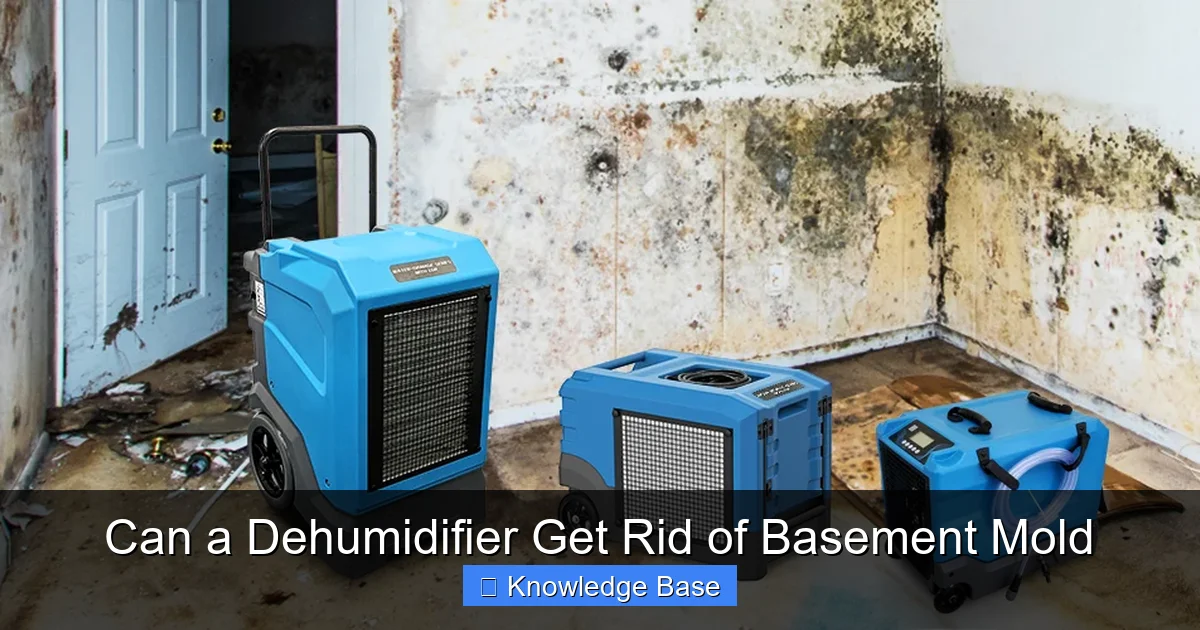
A dehumidifier alone cannot eliminate existing basement mold, but it’s a powerful tool for preventing future growth by reducing moisture. By maintaining humidity levels below 50%, dehumidifiers create an environment where mold struggles to survive, making them essential for long-term basement health.
Key Takeaways
- Dehumidifiers prevent mold, not cure it: They reduce moisture but won’t remove active mold colonies—cleaning is still required.
- Ideal humidity is key: Keeping basement humidity between 30–50% drastically lowers mold risk.
- Basements are mold magnets: Poor ventilation, cold surfaces, and groundwater seepage create perfect conditions for mold.
- Choose the right dehumidifier: Look for units rated for basement use with auto-humidistats and continuous drainage.
- Combine with other fixes: Seal cracks, improve ventilation, and fix leaks for full mold protection.
- Maintenance matters: Clean your dehumidifier regularly to ensure efficiency and avoid spreading spores.
- Professional help may be needed: Severe or recurring mold may require expert remediation beyond dehumidification.
Quick Answers to Common Questions
Can a dehumidifier kill mold?
No, a dehumidifier doesn’t kill mold or remove existing colonies. It reduces moisture, which prevents mold from growing and spreading.
What humidity level prevents basement mold?
Keep basement humidity between 30% and 50%. Levels above 60% encourage mold growth.
How long does it take for a dehumidifier to reduce mold risk?
You may notice improvements in smell and dampness within days. Full mold prevention takes consistent use over weeks or months.
Should I run my dehumidifier in winter?
Yes, if your basement stays damp or above 60°F. Some units have cold-weather modes for winter use.
Can I use a regular room dehumidifier in my basement?
It’s better to use a model rated for basements, which handle colder temps, higher moisture, and continuous operation.
📑 Table of Contents
- Can a Dehumidifier Get Rid of Basement Mold?
- Why Basements Are Prime Real Estate for Mold
- How Dehumidifiers Work to Fight Mold
- Can a Dehumidifier Eliminate Existing Mold?
- Choosing the Right Dehumidifier for Your Basement
- Beyond the Dehumidifier: A Complete Mold Prevention Strategy
- Maintaining Your Dehumidifier for Long-Term Mold Control
- Conclusion: Dehumidifiers Are Essential—But Not a Cure-All
Can a Dehumidifier Get Rid of Basement Mold?
If you’ve ever walked into your basement and caught a whiff of that musty, earthy smell—or worse, spotted fuzzy black or green patches on the walls—you know how unsettling mold can be. It’s not just unsightly; it can trigger allergies, worsen asthma, and even damage your home’s structure over time. And if you’re like most homeowners, your first thought might be: “Can I just run a dehumidifier and call it a day?”
The short answer? A dehumidifier won’t magically erase existing mold, but it’s one of the most effective tools for stopping it from coming back. Think of it this way: mold is like a weed. Pulling it out (cleaning it) removes what’s visible, but if you don’t fix the damp soil it grew in, it’ll return. A dehumidifier dries out that “soil”—in this case, the air and surfaces in your basement—making it far less hospitable for mold to thrive.
In this guide, we’ll break down exactly how dehumidifiers work against basement mold, when they’re enough on their own, and what else you need to do for a truly mold-free basement. Whether you’re dealing with a minor patch or a recurring issue, understanding the role of moisture control is your first step toward a healthier, drier space.
Why Basements Are Prime Real Estate for Mold

Visual guide about Can a Dehumidifier Get Rid of Basement Mold
Image source: homegadgetix.com
Basements are notorious for mold problems—and for good reason. They’re typically the coldest, dampest part of the house, often built below ground level where moisture naturally seeps in. Combine that with poor airflow, limited sunlight, and materials like drywall or wood that love to absorb water, and you’ve got a mold paradise.
Common Causes of Basement Moisture
Several factors contribute to the damp environment that fuels mold growth:
– **Groundwater seepage:** Even small cracks in your foundation can let water trickle in, especially during heavy rains or snowmelt.
– **Condensation:** Cold basement walls and floors meet warm, humid air, causing moisture to bead up—just like a cold soda can on a summer day.
– **Poor drainage:** If your gutters are clogged or your yard slopes toward your house, water pools near the foundation instead of flowing away.
– **High indoor humidity:** Activities like laundry, showering, or even breathing add moisture to the air, which can settle in the basement if ventilation is poor.
– **Leaky pipes or appliances:** A slow drip from a water heater or washing machine line can go unnoticed for weeks, creating hidden wet spots.
How Mold Thrives in These Conditions
Mold spores are everywhere—floating in the air, settling on surfaces, waiting for the right moment to grow. They don’t need much: just moisture, warmth (above 40°F), and organic material (like wood, paper, or dust). Basements check all those boxes. Once mold takes hold, it spreads quickly, sending out microscopic spores that can circulate through your home’s HVAC system.
For example, imagine a basement with a small leak under the stairs. Over time, the drywall behind the paneling stays damp. You might not see it, but mold is quietly colonizing the back side. When you finally pull the paneling off, you’re greeted with a slimy, black mess. That’s why addressing the root cause—excess moisture—is so critical.
How Dehumidifiers Work to Fight Mold
Visual guide about Can a Dehumidifier Get Rid of Basement Mold
Image source: i.ytimg.com
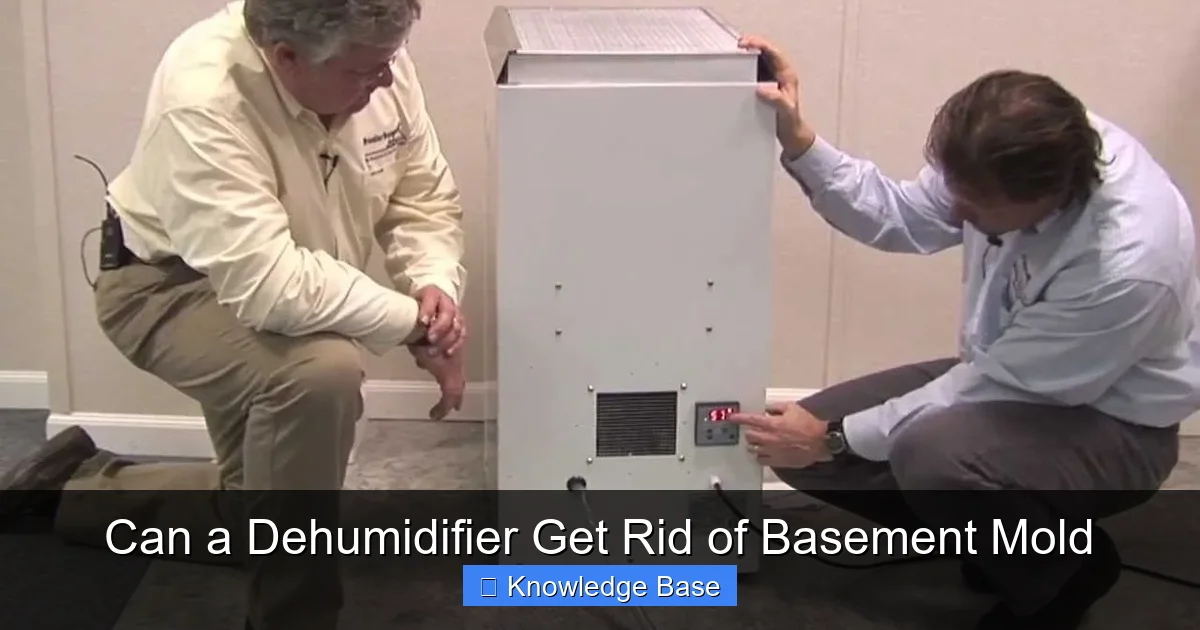
At its core, a dehumidifier is a moisture vacuum for your basement. It pulls in humid air, removes the water vapor, and blows drier air back out. By doing this continuously, it helps maintain a stable, low-humidity environment that discourages mold growth.
The Science Behind Moisture Removal
Most residential dehumidifiers use a refrigeration-based system. Here’s how it works in simple terms:
1. A fan draws warm, moist air from the basement into the unit.
2. The air passes over cold coils, causing moisture to condense into water droplets.
3. The collected water drips into a built-in tank or drains directly through a hose.
4. The now-drier air is reheated slightly and blown back into the room.
This cycle repeats until the air reaches the humidity level you’ve set on the unit’s humidistat—usually between 30% and 50%.
Why Lower Humidity Stops Mold
Mold needs moisture to grow. While it can survive in drier conditions for a while, it can’t reproduce or spread without it. Studies show that when relative humidity stays below 60%, mold growth slows dramatically. At 50% or lower, most common household molds simply can’t establish themselves.
Think of it like this: if you leave a slice of bread on the counter, it might get moldy in a few days in a humid kitchen. But if you put that same bread in a dry, airtight container, it could last weeks without any sign of mold. Your basement works the same way—lower humidity = less fuel for mold.
Real-World Impact: Before and After
Consider Sarah, a homeowner in Ohio. Her basement had a persistent musty smell and visible mold on the concrete walls every spring. She cleaned it with bleach, but it returned within months. After installing a 70-pint dehumidifier and setting it to 45% humidity, the mold stopped coming back. “Within two weeks, the smell was gone,” she says. “And after six months, not a speck of mold.”
Her story isn’t unique. Many homeowners see dramatic improvements once they tackle the moisture issue head-on with a dehumidifier.
Can a Dehumidifier Eliminate Existing Mold?
This is the million-dollar question—and the answer is nuanced. A dehumidifier won’t scrub mold off your walls or kill active colonies. But it plays a crucial role in the overall solution.
What a Dehumidifier Can’t Do
– **Remove visible mold:** If you see black, green, or white patches, you need to clean them physically. A dehumidifier won’t make them disappear.
– **Kill mold spores:** Dehumidifiers don’t sanitize. They reduce moisture, but spores can still linger in the air or on surfaces.
– **Fix structural leaks:** If water is pouring in through a crack, a dehumidifier will struggle to keep up—and could even burn out trying.
What a Dehumidifier Can Do
– **Stop mold from spreading:** By drying out the air and surfaces, it prevents new mold from forming and stops existing mold from releasing more spores.
– **Support cleanup efforts:** After you clean mold, a dehumidifier helps the area dry faster and stay dry, reducing the chance of regrowth.
– **Prevent future outbreaks:** Once the environment is no longer mold-friendly, your basement becomes a much safer, healthier space.
The Right Approach: Clean First, Then Dehumidify
If you have active mold, follow this two-step process:
1. **Clean thoroughly:** Wear gloves, goggles, and an N95 mask. Use a solution of water and detergent or a commercial mold cleaner. For porous materials like drywall or carpet that are heavily infested, it’s often best to remove and replace them.
2. **Run the dehumidifier:** Once the area is clean and dry, set up your dehumidifier and keep it running. This ensures the moisture that fed the mold doesn’t return.
For example, if you find mold on a basement wall behind a couch, move the furniture, clean the wall, let it dry completely with fans and the dehumidifier, and then monitor the area. With consistent humidity control, that spot should stay mold-free.
Choosing the Right Dehumidifier for Your Basement
Not all dehumidifiers are created equal—especially when it comes to basements. You need a unit that’s powerful enough, durable, and designed for the unique challenges of below-grade spaces.
Key Features to Look For
– **Capacity (pints per day):** This tells you how much moisture the unit can remove in 24 hours. For most basements, a 50- to 70-pint model is ideal. Larger or wetter basements may need 70+ pints.
– **Auto-humidistat:** Lets you set your desired humidity level (aim for 30–50%) and automatically turns the unit on/off to maintain it.
– **Continuous drainage:** A hose connection allows the unit to drain water directly into a floor drain or sump pump, so you don’t have to empty a tank daily.
– **Cold-weather operation:** Some basements get chilly. Look for a unit rated for temperatures as low as 41°F (5°C) if your basement isn’t heated.
– **Energy efficiency:** Check the Energy Star rating. Efficient models save money and reduce environmental impact.
– **Air filtration:** A built-in filter helps trap dust and mold spores, improving air quality.
Sizing Your Dehumidifier Correctly
To pick the right size, consider:
– **Basement size:** Measure square footage. A 1,000 sq. ft. basement typically needs a 50-pint unit; 1,500+ sq. ft. may need 70 pints.
– **Moisture level:** Is it damp, wet, or flooded? Heavily affected areas need higher capacity.
– **Climate:** Humid regions like the Southeast may require more powerful units than drier areas.
Top Brands and Models
Some reliable options include:
– **Frigidaire FFAD7033W1:** 70-pint, Energy Star rated, with continuous drain and auto-humidistat.
– **hOmeLabs HME020034N:** 70-pint, sleek design, great for large basements.
– **GE APER50LZ:** 50-pint, budget-friendly, with washable filter and auto-defrost.
Always read reviews and check warranty terms. A good dehumidifier is an investment—but one that pays off in comfort, health, and home value.
Beyond the Dehumidifier: A Complete Mold Prevention Strategy
While a dehumidifier is a cornerstone of mold prevention, it’s not a standalone solution. For lasting results, combine it with other moisture-control tactics.
Fix the Source of Moisture
– **Seal foundation cracks:** Use hydraulic cement or epoxy injections to close gaps where water enters.
– **Improve exterior drainage:** Clean gutters regularly, extend downspouts at least 6 feet from the house, and ensure your yard slopes away from the foundation.
– **Install a sump pump:** If your basement floods, a sump pump can automatically remove water before it becomes a problem.
Improve Airflow and Ventilation
– **Use fans:** Circulate air with box fans or ceiling fans to reduce stagnant, humid pockets.
– **Open windows (when possible):** On dry, breezy days, let fresh air in to flush out moisture.
– **Consider an exhaust fan:** In basements with laundry or bathrooms, an exhaust fan can vent humid air outside.
Insulate Cold Surfaces
Cold walls and pipes cause condensation. Insulating them with foam board or pipe insulation reduces moisture buildup. For example, wrapping cold water pipes in foam sleeves can prevent sweating and dripping.
Monitor and Maintain
– **Check humidity levels:** Use a hygrometer (often built into dehumidifiers) to track basement humidity.
– **Clean your dehumidifier:** Empty the tank, wash the filter monthly, and inspect coils for dust buildup.
– **Inspect regularly:** Look for new leaks, condensation, or musty smells—early detection prevents big problems.
When to Call a Professional
If mold covers more than 10 square feet, keeps returning despite your efforts, or you suspect it’s behind walls or under flooring, it’s time to call a mold remediation expert. They have the tools and training to safely remove mold and identify hidden moisture sources.
Maintaining Your Dehumidifier for Long-Term Mold Control
A dehumidifier is only as good as its maintenance. Neglect it, and it could become part of the problem—spreading mold spores or failing when you need it most.
Routine Cleaning Steps
– **Empty the water tank daily** (if not using continuous drain).
– **Wash the air filter** every 2–4 weeks with warm, soapy water. Let it dry completely before reinstalling.
– **Wipe down the exterior** with a damp cloth to remove dust and mold.
– **Check the coils** annually. If they’re dirty, use a soft brush or vacuum to clean them.
Troubleshooting Common Issues
– **Unit won’t turn on:** Check the power cord, outlet, and humidistat settings.
– **Not collecting water:** Ensure the room is above 65°F and the humidity is above 40%. Clean the filter and coils.
– **Making loud noises:** Inspect for loose parts or debris in the fan.
Seasonal Tips
– **Spring/summer:** Run the dehumidifier daily—this is peak mold season.
– **Fall/winter:** Continue running if your basement stays damp. Some units have auto-defrost for cold weather.
– **Off-season storage:** Clean thoroughly, remove water, and store in a dry place if not using for months.
Conclusion: Dehumidifiers Are Essential—But Not a Cure-All
So, can a dehumidifier get rid of basement mold? Not by itself—but it’s one of the most effective tools in your mold-fighting arsenal. By keeping humidity low, it starves mold of the moisture it needs to grow, turning your basement from a damp dungeon into a dry, healthy space.
Remember: clean existing mold first, then use the dehumidifier to prevent it from coming back. Pair it with fixes like better drainage, insulation, and ventilation for the best results. And don’t forget to maintain your unit—regular cleaning keeps it running efficiently and safely.
Your basement doesn’t have to be a mold magnet. With the right approach, you can reclaim it as a usable, comfortable part of your home. Start with a quality dehumidifier, stay consistent, and breathe easier knowing you’re protecting your family and your investment.
Frequently Asked Questions
Will a dehumidifier remove the musty smell from my basement?
Yes, in most cases. The musty odor comes from mold and mildew, which thrive in damp air. By reducing humidity, a dehumidifier dries out the environment and eliminates the source of the smell.
How often should I empty my dehumidifier’s water tank?
If you’re not using a continuous drain hose, empty the tank daily or whenever it’s full. Most units have an auto-shutoff when the tank reaches capacity.
Can mold grow behind walls even with a dehumidifier?
Yes, if there’s a hidden leak or condensation issue. A dehumidifier controls air moisture but can’t reach trapped water inside walls. Regular inspections help catch these problems early.
Is it safe to run a dehumidifier all the time?
Yes, especially in humid climates or during wet seasons. Modern units are energy-efficient and designed for continuous operation. Just maintain them regularly.
Do I need a dehumidifier if my basement has a sump pump?
Yes. A sump pump removes standing water, but it doesn’t control humidity. A dehumidifier addresses the damp air that leads to mold and odors.
Can I use bleach to clean mold before running a dehumidifier?
Yes, but use it safely. Mix 1 cup of bleach with 1 gallon of water, wear protective gear, and ensure good ventilation. After cleaning, let the area dry completely with fans and the dehumidifier.