

A dehumidifier doesn’t directly remove dust from your home, but it can significantly reduce dust mites and improve air quality by lowering humidity. By creating a less hospitable environment for dust mites and mold, dehumidifiers help minimize allergens that contribute to dust buildup.
Key Takeaways
- Dehumidifiers don’t capture dust particles: They don’t have filters like air purifiers, so they won’t suck in or trap visible dust floating in the air.
- They reduce dust mites significantly: Dust mites thrive in humid environments; lowering humidity below 50% makes it hard for them to survive.
- Improved air quality over time: Less moisture means slower mold growth and fewer allergens, which reduces the overall dust burden in your home.
- Works best with other cleaning methods: Pair your dehumidifier with regular vacuuming, dusting, and air filtration for maximum dust control.
- Ideal for basements and damp areas: These spaces often have high humidity and hidden dust sources—dehumidifiers are especially effective here.
- Energy-efficient models save money: Look for ENERGY STAR-rated units to reduce electricity use while maintaining healthy humidity levels.
- Maintenance is key: Clean the water tank and coils regularly to prevent mold and bacteria growth inside the unit.
Quick Answers to Common Questions
Can a dehumidifier remove dust from the air?
No, a dehumidifier does not remove dust particles from the air. It reduces humidity, which indirectly helps control dust mites and mold that contribute to dust.
Will a dehumidifier help with allergies?
Yes, by lowering humidity, a dehumidifier can reduce dust mites and mold—common allergens—leading to fewer allergy symptoms over time.
How often should I run my dehumidifier?
Run it continuously in high-humidity areas like basements, or use a humidistat to maintain 30–50% humidity. Adjust based on seasonal changes.
Can a dehumidifier replace an air purifier?
No, they serve different purposes. Use a dehumidifier for moisture control and an air purifier for filtering airborne particles like dust and pollen.
Where should I place a dehumidifier for best results?
Place it in damp areas like basements, laundry rooms, or bathrooms. Ensure good airflow by keeping it away from walls and furniture.
📑 Table of Contents
- Can a Dehumidifier Get Rid of Dust? The Truth Explained
- How Dehumidifiers Work: The Science Behind Moisture Control
- What Types of Dust Can a Dehumidifier Help With?
- Dehumidifiers vs. Air Purifiers: Knowing the Difference
- Best Practices for Using a Dehumidifier to Reduce Dust
- Real-World Examples: How Dehumidifiers Make a Difference
- Conclusion: A Smart Addition to Your Cleaning Routine
Can a Dehumidifier Get Rid of Dust? The Truth Explained
If you’ve ever walked into a stuffy basement or noticed a fine layer of grime on your furniture, you’ve probably wondered: *Can a dehumidifier get rid of dust?* It’s a common question, especially for people dealing with allergies, asthma, or just a general desire for a cleaner, fresher home.
At first glance, it might seem like a dehumidifier should help with dust—after all, it’s an appliance designed to clean the air in some way. But the reality is a bit more nuanced. A dehumidifier doesn’t work like a vacuum or an air purifier. It doesn’t suck in dust particles or trap them in a filter. Instead, it tackles the *conditions* that allow dust and dust-related allergens to thrive.
So, while a dehumidifier won’t magically wipe your shelves clean, it can play a powerful role in reducing the sources of household dust—especially dust mites and mold spores. By lowering indoor humidity, it creates an environment where these microscopic pests struggle to survive. Over time, this can lead to noticeably cleaner air and fewer dust-related problems.
In this article, we’ll break down exactly how dehumidifiers work, what types of dust they can (and can’t) help with, and how to use them effectively as part of a comprehensive cleaning strategy. Whether you’re battling allergies or just want a fresher-smelling home, understanding the role of humidity in dust control is a game-changer.
How Dehumidifiers Work: The Science Behind Moisture Control
Visual guide about Can a Dehumidifier Get Rid of Dust
Image source: i.ytimg.com
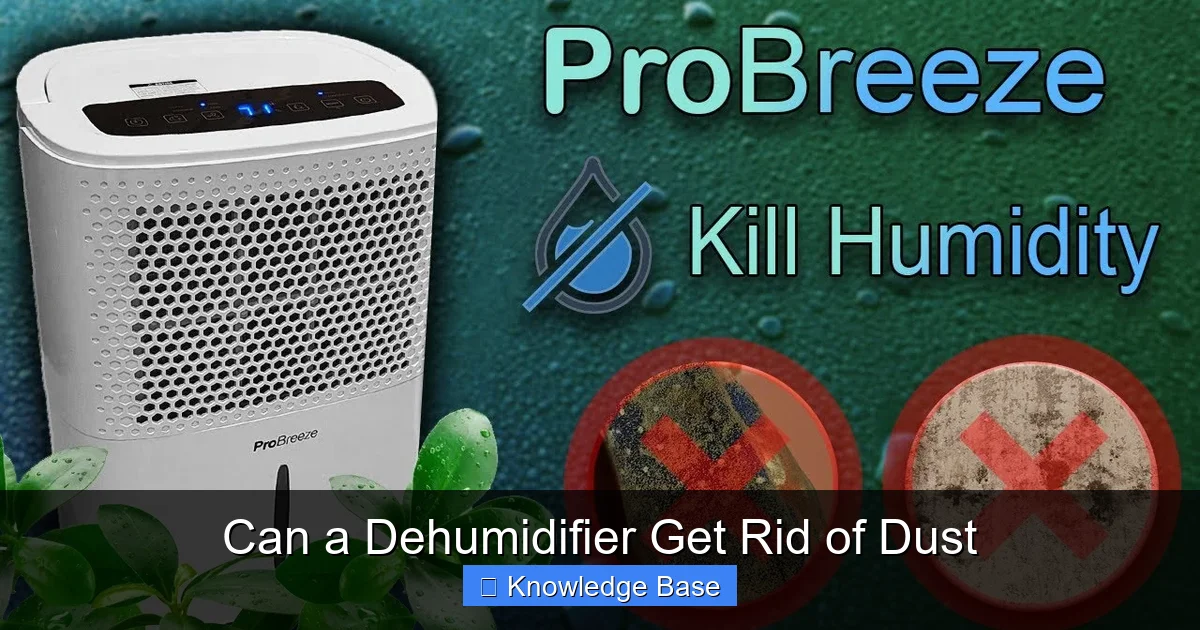
To understand whether a dehumidifier can help with dust, it’s important to first grasp how these devices actually function. At their core, dehumidifiers are designed to remove excess moisture from the air. They do this by pulling humid air into the unit, cooling it to condense the water vapor, and then releasing drier air back into the room.
There are two main types of dehumidifiers: refrigerant (compressor-based) and desiccant models. Refrigerant dehumidifiers are the most common and work similarly to air conditioners. They use a cold coil to condense moisture from the air, which then drips into a collection tank. Desiccant dehumidifiers, on the other hand, use a moisture-absorbing material (like silica gel) to pull water from the air. These are often quieter and better suited for colder environments.
Regardless of the type, the goal is the same: reduce relative humidity to a healthy level—typically between 30% and 50%. High humidity (above 60%) creates the perfect breeding ground for mold, mildew, and dust mites. These organisms not only contribute to unpleasant odors and structural damage but also release allergens that become part of household dust.
For example, imagine a damp basement where clothes are stored. Over time, you might notice a musty smell and a grayish film on fabric surfaces. That’s likely mold or mildew, which thrives in moist conditions. A dehumidifier can stop this growth in its tracks by drying out the air. While it won’t remove existing mold spores from the air, it prevents new colonies from forming—effectively reducing a major source of dust and allergens.
Humidity and Dust: The Hidden Connection
You might be wondering: *What does humidity have to do with dust?* After all, dust seems like it’s just made of dead skin, fabric fibers, and dirt tracked in from outside. And you’re right—those are common components. But a significant portion of household dust is actually biological in nature, and it’s directly influenced by moisture levels.
Dust mites, for instance, are microscopic arachnids that feed on dead human skin cells. They don’t drink water; instead, they absorb moisture directly from the air. This means they can only survive in environments with high humidity—typically above 50%. When humidity drops below this threshold, dust mites dehydrate and die.
Studies have shown that homes with consistent humidity levels below 50% can reduce dust mite populations by up to 80% within a few months. That’s a huge impact, especially for people with dust mite allergies. These allergens are a leading trigger for asthma and allergic rhinitis, and they’re often found in bedding, carpets, and upholstered furniture.
Mold is another humidity-dependent contributor to dust. Mold spores are everywhere—outdoors and indoors—but they only grow when there’s enough moisture. Once mold takes hold, it releases spores into the air, which can settle on surfaces and become part of the dust you see and breathe. A dehumidifier helps prevent this cycle by keeping the air too dry for mold to flourish.
Even pet dander and pollen can behave differently in humid versus dry environments. In high humidity, these particles may clump together and settle faster, reducing airborne allergens. But in very dry air, they can become more airborne and irritating. The key is balance—maintaining moderate humidity helps keep allergens under control without creating new problems.
What Types of Dust Can a Dehumidifier Help With?
Visual guide about Can a Dehumidifier Get Rid of Dust
Image source: images.squarespace-cdn.com
Now that we understand the link between humidity and dust, let’s get specific: *What kinds of dust can a dehumidifier actually help reduce?* The answer depends on the source of the dust and how it interacts with moisture.
Dust Mites and Their Allergens
As mentioned earlier, dust mites are one of the biggest culprits in household dust—and one of the most responsive to humidity control. These tiny creatures are nearly invisible to the naked eye but can number in the thousands per gram of dust. They thrive in warm, humid environments, especially in bedding, mattresses, and carpets.
When dust mites die, their bodies and waste products break down into tiny particles that become airborne. These particles are highly allergenic and can trigger sneezing, itchy eyes, and respiratory issues. A dehumidifier doesn’t kill dust mites directly, but by lowering humidity, it creates an environment where they can’t survive or reproduce.
For example, if your bedroom has a relative humidity of 65%, dust mites will multiply rapidly. But if you run a dehumidifier and bring that level down to 45%, the mite population will decline significantly over time. This can lead to noticeable improvements in allergy symptoms, especially during sleep.
Mold and Mildew Spores
Mold and mildew are fungi that grow in damp, poorly ventilated areas—like basements, bathrooms, and under sinks. When mold grows, it releases spores into the air, which can settle on surfaces and contribute to dust. These spores are not only unsightly but can also cause health problems, especially for people with mold allergies or compromised immune systems.
A dehumidifier helps by preventing mold growth in the first place. By keeping humidity low, it removes the moisture mold needs to grow. This is especially useful in areas prone to condensation, such as near windows or in laundry rooms.
For instance, if you’ve ever noticed black spots on your bathroom ceiling or a fuzzy growth on a basement wall, that’s likely mold. Running a dehumidifier in these spaces can stop the problem from getting worse and reduce the number of mold spores circulating in your home.
Pet Dander and Pollen
While pet dander and pollen aren’t directly caused by humidity, their behavior in the air can be influenced by it. In high humidity, these particles may absorb moisture and become heavier, causing them to settle faster. In dry air, they can remain airborne longer, increasing exposure.
A dehumidifier helps maintain a balanced environment where allergens don’t linger unnecessarily. It won’t remove pet dander or pollen from the air, but it can reduce the overall allergen load by controlling the conditions that allow other irritants (like mold and dust mites) to thrive.
What Dust Won’t a Dehumidifier Remove?
It’s important to be realistic: a dehumidifier is not a magic solution for all types of dust. It won’t remove:
– Visible dust from surfaces (like the layer on your coffee table)
– Dust from clothing, books, or electronics
– Dirt tracked in from outside
– Fibers from carpets or upholstery
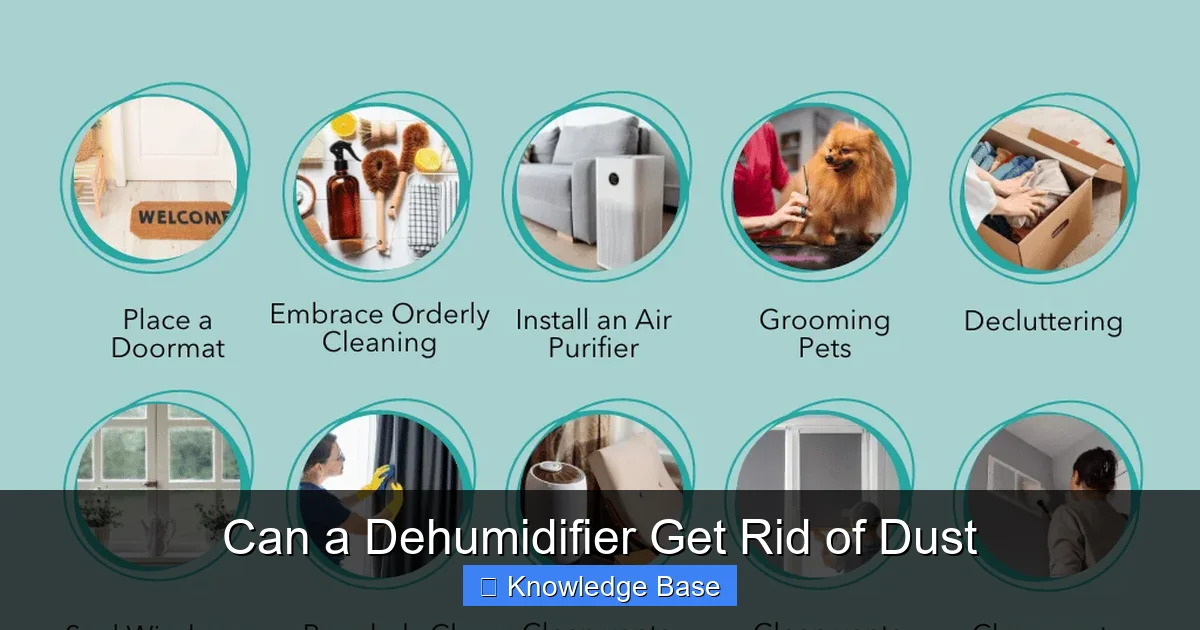
For these types of dust, you’ll still need regular cleaning methods—vacuuming, dusting, and washing fabrics. A dehumidifier complements these efforts but doesn’t replace them.
Dehumidifiers vs. Air Purifiers: Knowing the Difference
Many people confuse dehumidifiers with air purifiers, but they serve very different purposes. Understanding the distinction is key to managing dust and indoor air quality effectively.
An air purifier is designed to clean the air by trapping particles like dust, pollen, pet dander, and smoke. It uses filters—such as HEPA filters—to capture these contaminants as air passes through the unit. Some models also include activated carbon filters to remove odors and volatile organic compounds (VOCs).
A dehumidifier, on the other hand, doesn’t filter the air. It removes moisture. While this indirectly reduces certain allergens (like dust mites and mold), it doesn’t capture dust particles or improve air filtration.
For example, if you have a room full of floating dust after vacuuming, an air purifier will help clear it faster. A dehumidifier won’t. But if that same room is damp and smells musty, the dehumidifier will address the root cause—excess moisture—while the air purifier handles the particles.
When to Use Both
In many homes, the best approach is to use both appliances together. Here’s how they complement each other:
– The dehumidifier reduces humidity, preventing dust mites and mold from thriving.
– The air purifier captures airborne particles, including allergens and dust.
– Together, they create a cleaner, healthier indoor environment.
For instance, in a basement bedroom with high humidity and allergy concerns, you might run a dehumidifier to control moisture and an air purifier to filter the air. This dual strategy tackles both the source and the symptoms of indoor pollution.
Choosing the Right Appliance for Your Needs
If your main concern is visible dust and airborne particles, an air purifier is the better choice. Look for a model with a true HEPA filter, which can capture 99.97% of particles as small as 0.3 microns.
If you’re dealing with musty odors, dampness, or allergy symptoms linked to humidity (like nighttime congestion), a dehumidifier is more appropriate. Choose a unit with a built-in humidistat so you can set and maintain your desired humidity level.
For comprehensive dust and allergen control, consider investing in both. Many modern smart homes even integrate humidity sensors and air quality monitors to automate these systems.
Best Practices for Using a Dehumidifier to Reduce Dust
Using a dehumidifier effectively requires more than just plugging it in and walking away. To get the most dust-reducing benefits, follow these best practices:
Set the Right Humidity Level
The ideal indoor humidity level is between 30% and 50%. Below 30%, the air can become too dry, leading to dry skin, irritated sinuses, and static electricity. Above 50%, you risk encouraging dust mites and mold.
Use a hygrometer (a small, inexpensive device) to monitor humidity levels in different rooms. Adjust your dehumidifier settings accordingly. Many modern units have digital controls and automatic shut-off when the desired level is reached.
Place the Unit Strategically
Dehumidifiers work best when placed in areas with the highest moisture levels. Common locations include:
– Basements
– Laundry rooms
– Bathrooms (with ventilation)
– Crawl spaces
– Under sinks or near water heaters
Avoid placing the unit in a corner or behind furniture, as this can restrict airflow. Leave at least 6–12 inches of space around the unit for proper ventilation.
Empty and Clean the Water Tank Regularly
Most dehumidifiers collect water in a removable tank. Empty it daily or as needed to prevent overflow. Stagnant water can breed bacteria and mold, which defeats the purpose of using the appliance.
Once a week, clean the tank with a mild detergent and water. Rinse thoroughly and let it dry before reinserting. Some models have washable filters—clean these monthly to maintain efficiency.
Maintain the Coils and Filters
Over time, dust and debris can build up on the coils and internal components, reducing performance. Check your user manual for cleaning instructions. For refrigerant models, gently vacuum the coils with a soft brush attachment.
If your dehumidifier has an air filter, replace or clean it according to the manufacturer’s recommendations—usually every 1–3 months.
Use in Conjunction with Other Cleaning Methods
A dehumidifier is most effective when part of a broader cleaning routine. Pair it with:
– Weekly vacuuming using a HEPA-filter vacuum
– Dusting surfaces with a microfiber cloth
– Washing bedding in hot water (at least 130°F) to kill dust mites
– Using allergen-proof mattress and pillow covers
For example, if you run a dehumidifier in your bedroom but never wash your sheets, dust mites may still survive in the fabric. Combining humidity control with regular laundering gives you the best results.
Real-World Examples: How Dehumidifiers Make a Difference
Let’s look at a few real-life scenarios where dehumidifiers have helped reduce dust and improve indoor air quality.
Case Study: The Damp Basement
Sarah, a homeowner in the Pacific Northwest, noticed a persistent musty smell in her basement. She also experienced frequent allergy symptoms, especially when doing laundry or storing items downstairs. After testing the humidity, she found it was consistently above 65%.
She purchased a 50-pint dehumidifier and placed it in the center of the basement. Within two weeks, the musty odor disappeared. After a month, she noticed less dust on stored boxes and fewer allergy flare-ups. A follow-up humidity check showed levels had dropped to 45%.
Case Study: The Allergy-Prone Family
The Johnsons have two children with asthma and dust mite allergies. Their pediatrician recommended reducing indoor humidity to help manage symptoms. They installed a whole-house dehumidifier connected to their HVAC system.
Over three months, the family reported fewer nighttime coughing episodes and less need for rescue inhalers. They also noticed that their vacuum cleaner didn’t kick up as much dust during cleaning—likely because there were fewer live dust mites to disturb.
Case Study: The Rental Apartment
Mark rents a small apartment with poor ventilation. He often wakes up with a stuffy nose and finds dust accumulating quickly on his desk and nightstand. He bought a compact 30-pint dehumidifier and ran it in his bedroom at night.
After a few weeks, he noticed the air felt lighter and less “stuffy.” Dust still collected, but it was easier to wipe away—and he suspected it contained fewer allergens. He paired the dehumidifier with a small air purifier on his desk for added protection.
Conclusion: A Smart Addition to Your Cleaning Routine
So, can a dehumidifier get rid of dust? The short answer is no—it doesn’t remove dust particles from surfaces or the air. But it can dramatically reduce the biological components of dust, especially dust mites and mold spores, by controlling indoor humidity.
By maintaining a healthy humidity level, a dehumidifier creates an environment where allergens struggle to survive. This leads to cleaner air, fewer allergy symptoms, and a more comfortable living space. When used alongside regular cleaning, vacuuming, and air filtration, it becomes a powerful tool in the fight against household dust.
If you’re dealing with dampness, musty odors, or persistent allergies, a dehumidifier is worth considering. Just remember: it’s not a standalone solution. Think of it as one piece of a larger puzzle—one that, when combined with other strategies, can transform your home into a cleaner, healthier place to live.
Frequently Asked Questions
Does a dehumidifier clean the air?
A dehumidifier does not clean the air like an air purifier. It removes moisture, which can reduce mold and dust mites, but it doesn’t filter out dust or allergens.
Can a dehumidifier help with pet dander?
Indirectly, yes. By reducing humidity, it helps control mold and dust mites that can worsen pet dander allergies, but it won’t remove dander from the air.
How long does it take for a dehumidifier to reduce dust mites?
It can take 1–3 months of consistent use to significantly reduce dust mite populations, depending on initial humidity levels and room conditions.
Is it safe to run a dehumidifier all the time?
Yes, as long as you monitor humidity levels. Running it continuously in damp areas is safe and effective, especially if it has an auto-humidistat.
Can a dehumidifier cause dry air?
If set too low, yes. Keep humidity between 30% and 50% to avoid overly dry air, which can irritate skin and respiratory passages.
Do dehumidifiers use a lot of electricity?
Energy use varies by model. ENERGY STAR-rated units are more efficient. A 50-pint dehumidifier typically uses about 500–700 watts per hour.