

Yes, a dehumidifier can go bad—even the best models don’t last forever. Over time, components wear out, filters clog, and performance drops, leading to inefficiency or total failure. Regular maintenance and early detection of problems can help you get the most out of your unit.
Key Takeaways
- Dehumidifiers can degrade over time: Like any appliance, they experience wear and tear, reducing efficiency and eventually failing.
- Common signs of failure include: reduced moisture removal, strange noises, leaks, or the unit not turning on.
- Maintenance is crucial: Cleaning filters, coils, and the water tank regularly can prevent many issues and extend lifespan.
- Electrical and mechanical parts wear out: Compressors, fans, and sensors can fail due to age or overuse.
- Environment matters: Running a dehumidifier in extreme humidity, dust, or high temperatures can accelerate deterioration.
- Replacement may be better than repair: If the unit is over 7–10 years old and needs major repairs, buying a new one is often more cost-effective.
- Preventive care saves money: Simple habits like emptying the tank and using a timer can prevent breakdowns and improve performance.
Quick Answers to Common Questions
Can a dehumidifier go bad if not used?
Yes, even unused dehumidifiers can degrade over time. Moisture, dust, and temperature changes can damage internal components, and seals may dry out, leading to refrigerant leaks.
How do I know if my dehumidifier is going bad?
Look for signs like reduced moisture removal, strange noises, leaks, frequent cycling, or the unit not turning on. These often indicate mechanical or electrical problems.
Can a dehumidifier be repaired?
Yes, many issues like clogged filters, frozen coils, or faulty sensors can be repaired. However, major problems like compressor failure may not be cost-effective to fix.
How often should I clean my dehumidifier?
Clean the air filter every 1–2 months, the water tank every few weeks, and the coils at least once a year. More frequent cleaning may be needed in dusty or humid environments.
Is it worth fixing an old dehumidifier?
It depends on the repair cost and the unit’s age. If the repair is more than half the price of a new model and the unit is over 7 years old, replacement is usually better.
📑 Table of Contents
- Can a Dehumidifier Go Bad? Understanding the Lifespan of Your Appliance
- How Long Do Dehumidifiers Typically Last?
- Common Causes of Dehumidifier Failure
- How to Maintain Your Dehumidifier and Prevent It from Going Bad
- When to Repair vs. Replace Your Dehumidifier
- Tips for Buying a Durable, Long-Lasting Dehumidifier
- Conclusion
Can a Dehumidifier Go Bad? Understanding the Lifespan of Your Appliance
If you’ve ever lived in a humid climate or dealt with damp basements, you know how valuable a dehumidifier can be. These handy appliances pull excess moisture from the air, helping prevent mold, musty odors, and damage to your home. But like any machine, they aren’t built to last forever. So, can a dehumidifier go bad? The short answer is yes—absolutely.
Over time, even the most reliable dehumidifiers can start to lose their effectiveness. You might notice it’s not pulling as much water from the air, or maybe it’s making weird noises. Perhaps it won’t turn on at all. These are all signs that your dehumidifier may be going bad. But it’s not just about age. How you use and maintain the unit plays a huge role in how long it lasts and how well it performs.
Understanding why and how dehumidifiers degrade can help you get the most out of your investment. In this guide, we’ll explore the common causes of dehumidifier failure, the warning signs to watch for, and practical tips to keep your unit running smoothly for years. Whether you’re a first-time buyer or a long-time user, knowing how to care for your dehumidifier can save you money, improve indoor air quality, and protect your home from moisture damage.
How Long Do Dehumidifiers Typically Last?
Visual guide about Can a Dehumidifier Go Bad
Image source: bestdehumidifier.reviews
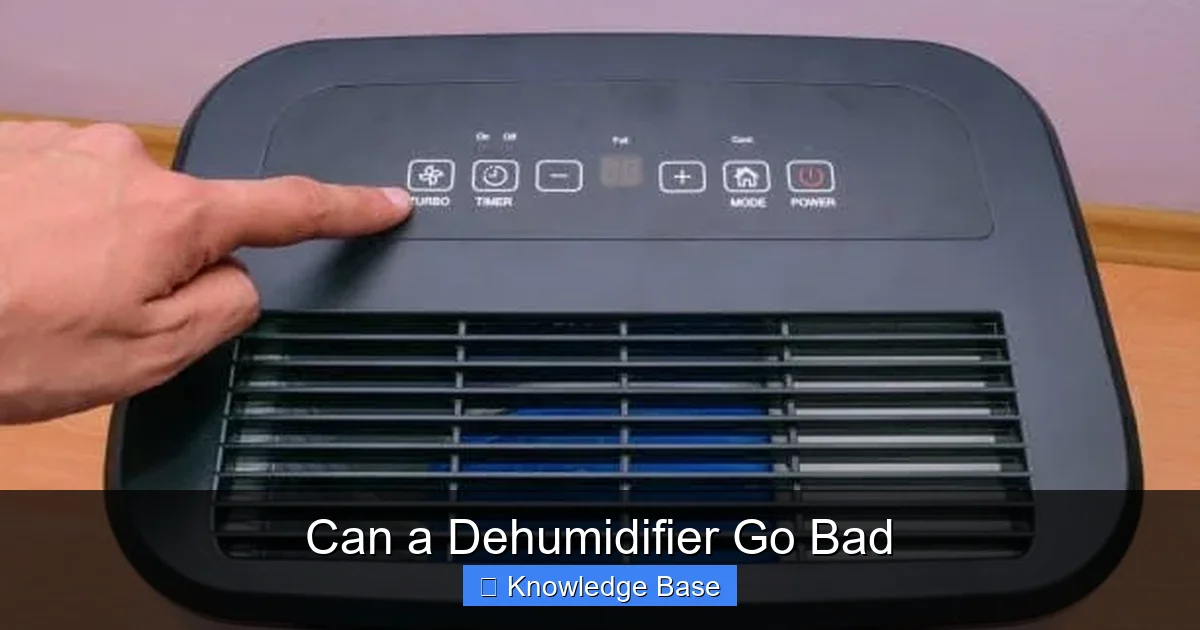
Most dehumidifiers are designed to last between 5 and 10 years, depending on the model, brand, usage, and maintenance. High-end units with better build quality and advanced features may last closer to 10 years or more, while cheaper models might start showing problems after just 3 to 5 years.
Several factors influence a dehumidifier’s lifespan. One of the biggest is how often you use it. If you run your dehumidifier daily during humid months—say, six months out of the year—it’s going to experience more wear than one used only occasionally. Similarly, using it in extremely damp environments, like a flooded basement or a crawl space with poor ventilation, puts extra strain on the system.
Another key factor is the type of dehumidifier. There are two main types: refrigerant (compressor-based) and desiccant. Refrigerant models are the most common and work by cooling air to condense moisture. They’re effective in warm, humid conditions but can struggle in cold environments. Desiccant dehumidifiers use a moisture-absorbing material and are better for colder spaces. Generally, refrigerant models have more moving parts and may wear out faster, but both types can last well with proper care.
For example, a homeowner in Florida who runs a 70-pint refrigerant dehumidifier year-round in a damp garage might see signs of wear after 5 years. Meanwhile, someone in Colorado using a smaller 30-pint unit only during summer months could get 8 to 10 years of reliable service.
Signs Your Dehumidifier Is Nearing the End of Its Life
Even before a dehumidifier completely fails, it often gives subtle (and sometimes not-so-subtle) hints that it’s on its last legs. Recognizing these signs early can help you decide whether to repair, replace, or simply keep an eye on it.
One of the most obvious signs is reduced moisture removal. If you notice the humidity levels in your home aren’t dropping as they used to, or if the water tank isn’t filling up as quickly, your dehumidifier may be losing efficiency. This could be due to clogged coils, a failing compressor, or refrigerant leaks.
Another red flag is unusual noises. A healthy dehumidifier should run with a low hum. If you start hearing grinding, rattling, or squealing sounds, it could mean the fan motor is failing, the compressor is struggling, or internal parts are loose.
Leaks are also a common issue. If you see water pooling around the unit, it might be due to a cracked tank, a clogged drain hose, or a problem with the condensate pump. While some leaks are fixable, frequent or persistent leaks often point to deeper mechanical issues.
Finally, if your dehumidifier won’t turn on or keeps shutting off unexpectedly, it could be an electrical problem. Faulty sensors, blown fuses, or a dying compressor can all cause these issues. In some cases, a simple reset or filter cleaning might help, but if the problem persists, it’s likely time for a repair or replacement.
Common Causes of Dehumidifier Failure
Visual guide about Can a Dehumidifier Go Bad
Image source: thehumidistat.com
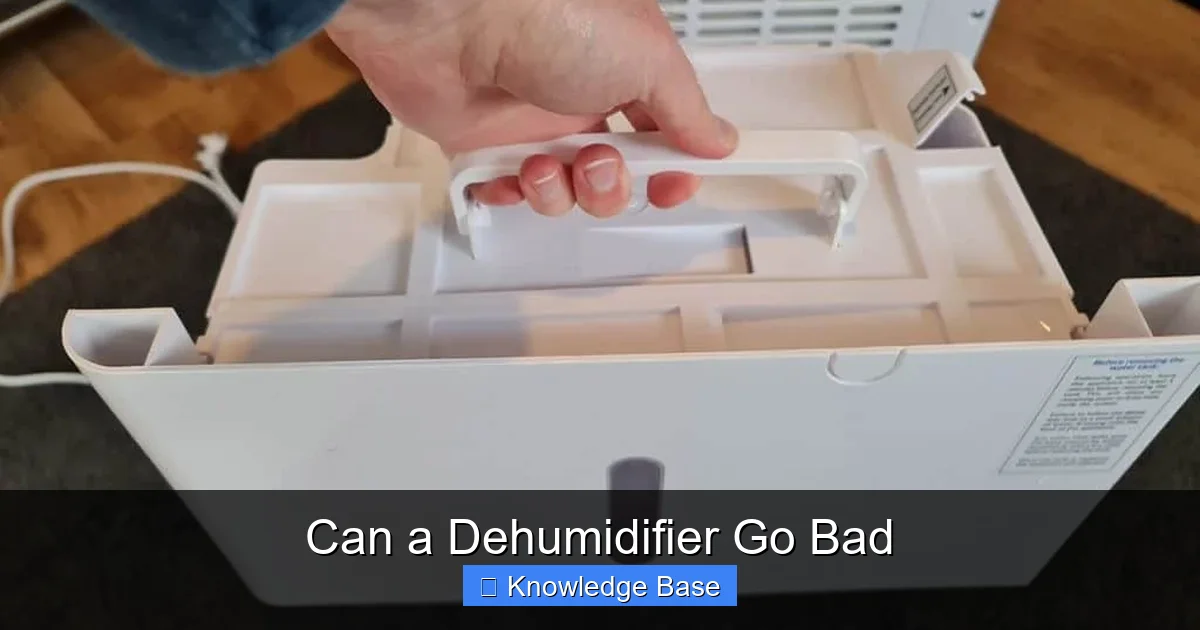
Dehumidifiers are complex machines with several components working together to remove moisture from the air. When one part fails, it can affect the entire system. Understanding the most common causes of failure can help you prevent problems or diagnose issues early.
Clogged or Dirty Filters
The air filter is one of the most important parts of your dehumidifier. It traps dust, pet dander, and other airborne particles before they enter the internal components. Over time, the filter gets clogged, restricting airflow and forcing the unit to work harder. This not only reduces efficiency but can also lead to overheating and motor failure.
For example, if you live in a dusty area or have pets, your filter may need cleaning every 2 to 4 weeks. Neglecting this simple task can shorten your dehumidifier’s lifespan significantly. Most manufacturers recommend checking the filter monthly and cleaning or replacing it as needed.
Frozen Coils
Refrigerant dehumidifiers rely on cold coils to condense moisture from the air. If the coils get too cold—often due to low ambient temperatures or restricted airflow—they can freeze over. This blocks air movement and prevents the unit from removing moisture.
Frozen coils are especially common in basements or garages during winter. If you notice ice buildup on the coils or the unit stops working in cold weather, it’s likely a freezing issue. Some models have automatic defrost features, but older units may not. Running the dehumidifier in a warmer area or using a space heater nearby can help prevent freezing.
Compressor or Motor Failure
The compressor is the heart of a refrigerant dehumidifier. It pressurizes the refrigerant, enabling the cooling process. If the compressor fails, the unit can’t remove moisture effectively. Compressor failure is often caused by overheating, electrical surges, or simply age.
Similarly, the fan motor circulates air over the coils. If the motor burns out, the unit won’t pull in air, and moisture removal stops. These are major repairs that can cost nearly as much as a new unit—especially on older models.
Refrigerant Leaks
Refrigerant is the chemical that absorbs and releases heat during the dehumidification process. If there’s a leak in the system, the refrigerant level drops, reducing cooling capacity. This leads to poor performance and higher energy bills.
Refrigerant leaks are difficult to detect and usually require a professional to repair. They’re also expensive, often costing $100 or more. In many cases, especially with older units, it’s more economical to replace the dehumidifier than to fix the leak.
Electrical Issues
Dehumidifiers have several electrical components, including sensors, timers, and circuit boards. Over time, these can fail due to power surges, moisture exposure, or general wear. A faulty humidity sensor, for instance, might cause the unit to run constantly or not turn on at all.
Power surges are a common cause of electrical failure. Using a surge protector can help protect your dehumidifier from voltage spikes, especially during thunderstorms or when other large appliances turn on and off.
How to Maintain Your Dehumidifier and Prevent It from Going Bad
The good news is that many dehumidifier problems are preventable with regular maintenance. A little effort goes a long way in extending the life of your unit and keeping it running efficiently.
Clean the Air Filter Regularly
As mentioned earlier, the air filter is critical for performance and longevity. Check it every month and clean it with warm, soapy water. Let it dry completely before reinstalling. If the filter is damaged or too dirty to clean, replace it with a new one. Most manufacturers sell replacement filters, or you can find compatible ones online.
Clean the Water Tank and Drain Hose
The water tank collects condensed moisture and should be emptied regularly. But even when empty, it can develop mold or slime inside. Clean the tank with a mixture of water and vinegar every few weeks to prevent buildup.
If your dehumidifier has a continuous drain hose, make sure it’s not kinked or clogged. A blocked hose can cause water to back up and leak. Rinse the hose periodically and check the drain connection for leaks.
Inspect and Clean the Coils
The evaporator and condenser coils can collect dust and debris over time, reducing efficiency. Use a soft brush or vacuum with a brush attachment to gently clean the coils. Be careful not to bend the delicate fins. For deeper cleaning, you can use a coil cleaner spray, available at hardware stores.
Keep the Unit in a Suitable Environment
Dehumidifiers work best in temperatures between 65°F and 80°F. Avoid placing them in extremely cold or hot areas. Also, ensure there’s at least 6 to 12 inches of clearance around the unit for proper airflow. Don’t block the air intake or exhaust vents.
Use a Timer or Humidistat
Running your dehumidifier 24/7 isn’t necessary and can wear it out faster. Most models have built-in humidistats that turn the unit on and off based on humidity levels. Set it to maintain 30% to 50% humidity for optimal comfort and efficiency. Alternatively, use a timer to run it only during peak humidity hours.
Schedule Professional Maintenance
Once a year, consider having a technician inspect your dehumidifier. They can check refrigerant levels, test electrical components, and clean internal parts you can’t reach. This is especially important for older units or those used in harsh environments.
When to Repair vs. Replace Your Dehumidifier
Deciding whether to repair or replace a failing dehumidifier can be tricky. In general, if the repair cost is more than half the price of a new unit, replacement is usually the better option—especially if the unit is over 7 years old.
For example, if your 8-year-old dehumidifier needs a new compressor that costs $150, and a comparable new model costs $200, it makes sense to upgrade. Newer models are often more energy-efficient, quieter, and come with better features like auto-defrost, digital controls, and washable filters.
However, minor repairs—like replacing a filter, cleaning coils, or fixing a loose hose—are usually worth doing. These fixes are inexpensive and can restore performance without major expense.
Also consider the warranty. Most dehumidifiers come with a 1- to 2-year warranty, and some high-end models offer up to 5 years. If your unit is still under warranty, contact the manufacturer before attempting any repairs.
Energy Efficiency and Environmental Impact
Older dehumidifiers tend to be less energy-efficient than newer models. If your unit is over 10 years old, replacing it with an Energy Star-certified model could save you money on electricity bills and reduce your carbon footprint. Modern units use advanced compressors and smart sensors to optimize performance and minimize energy use.
Tips for Buying a Durable, Long-Lasting Dehumidifier
If you’re in the market for a new dehumidifier, choosing a high-quality model can help prevent premature failure. Look for brands known for reliability, such as Frigidaire, GE, hOmeLabs, or AprilAire. Read customer reviews and check for features like:
– Auto-defrost (for cold environments)
– Washable or reusable filters
– Continuous drain option
– Digital humidity control
– Energy Star certification
Also, choose the right size for your space. A unit that’s too small will run constantly and wear out faster, while one that’s too large will cycle on and off too frequently, causing stress on the compressor. Use a sizing guide based on square footage and humidity level.
Conclusion
So, can a dehumidifier go bad? Yes—but with proper care, you can maximize its lifespan and performance. Regular maintenance, timely repairs, and smart usage habits can keep your unit running efficiently for many years. Pay attention to warning signs like reduced moisture removal, strange noises, or leaks, and don’t ignore them.
Remember, a dehumidifier is an investment in your home’s health and comfort. By understanding how it works and what can go wrong, you’ll be better equipped to protect that investment. Whether you’re maintaining an older unit or shopping for a new one, the tips in this guide will help you make informed decisions and enjoy drier, healthier air for years to come.
Frequently Asked Questions
Can a dehumidifier go bad from overuse?
Yes, running a dehumidifier constantly without breaks can cause overheating and wear out components like the compressor and fan motor faster.
What causes a dehumidifier to stop working suddenly?
Common causes include power surges, tripped circuit breakers, clogged filters, frozen coils, or electrical failures in the control board or sensors.
Can mold grow inside a dehumidifier?
Yes, if the water tank isn’t cleaned regularly, mold and bacteria can grow inside, leading to odors and reduced air quality.
Should I run my dehumidifier in winter?
It depends on the temperature. Most refrigerant models struggle below 65°F and may freeze. Use a desiccant model or avoid use in cold spaces.
How can I extend the life of my dehumidifier?
Clean filters and coils regularly, empty the tank often, use a surge protector, and avoid running it in extreme temperatures or dusty areas.
Do dehumidifiers use a lot of electricity?
They can, especially older models. Look for Energy Star-certified units, which are more efficient and can save on energy costs over time.