
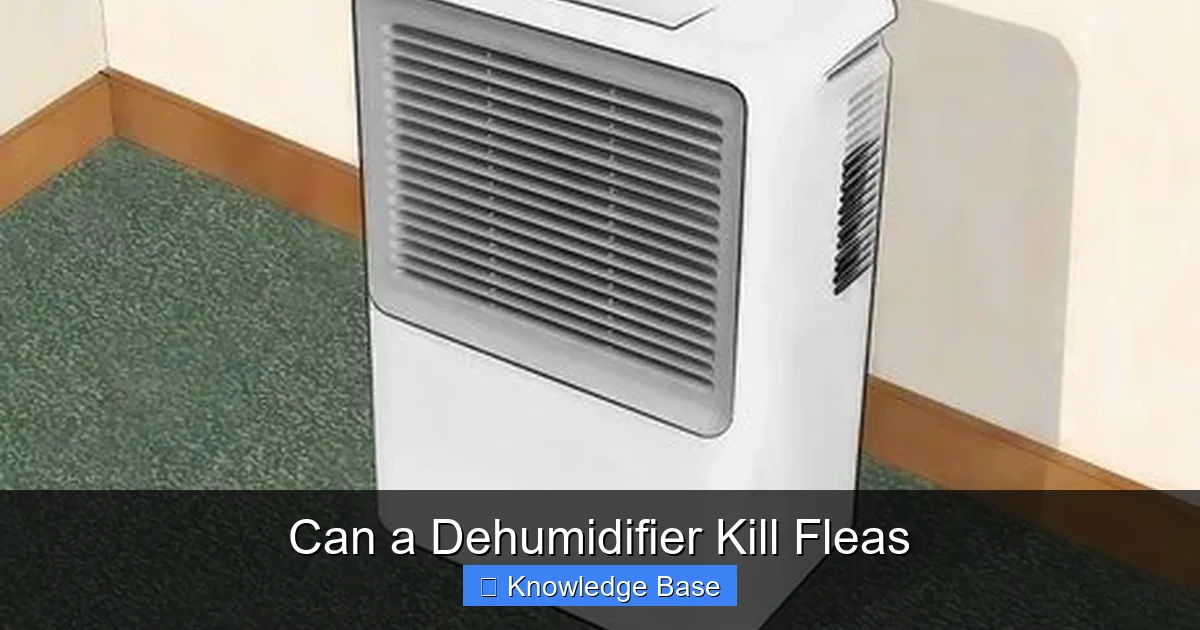
While a dehumidifier can’t directly kill adult fleas, it creates an environment where fleas struggle to survive by reducing humidity—key for their eggs and larvae. Lowering indoor moisture levels disrupts the flea life cycle, making it a helpful preventive tool when combined with other treatments.
If you’ve ever dealt with fleas in your home, you know how frustrating—and persistent—they can be. These tiny, jumping pests don’t just annoy your pets; they bite humans, lay hundreds of eggs, and can turn your cozy living room into a battleground. You’ve probably tried sprays, powders, and flea collars, but have you ever considered your dehumidifier as a secret weapon?
It might sound surprising, but the answer to “Can a dehumidifier kill fleas?” isn’t a simple yes or no. While your dehumidifier won’t zap fleas like an insecticide, it plays a powerful role in making your home less inviting to them. Fleas love warm, damp environments—think humid basements, plush carpets, and pet bedding. By pulling moisture from the air, a dehumidifier disrupts the very conditions fleas need to grow and multiply. In short, it doesn’t kill adult fleas on contact, but it can stop the next generation before it even starts.
Understanding how fleas live and reproduce is key to seeing why humidity matters so much. Fleas go through four life stages: egg, larva, pupa, and adult. Only the adult stage is mobile and feeds on blood—the rest depend heavily on environmental conditions. Eggs and larvae, in particular, are extremely sensitive to dry air. If the humidity drops too low, they can’t survive. That’s where your dehumidifier steps in: by maintaining a consistently dry indoor environment, you’re essentially putting up a “No Vacancy” sign for flea development.
So while you won’t see fleas dropping dead the moment you turn on your dehumidifier, you will notice fewer new fleas appearing over time—especially when combined with other cleaning and treatment methods. Think of it as cutting off the flea supply chain at the source. This article will explore exactly how dehumidifiers affect fleas, why humidity is such a big deal, and how to use this tool effectively as part of a broader flea-fighting strategy.
Key Takeaways
- Dehumidifiers don’t kill adult fleas directly: They work by altering the environment, not through physical or chemical action on live fleas.
- Fleas thrive in high humidity: Ideal conditions for flea development are 70–85% relative humidity—dehumidifiers lower this to under 50%, slowing reproduction.
- Eggs and larvae are most vulnerable: Immature flea stages rely on moisture; dry air dehydrates and kills them before they mature.
- Best used as part of a comprehensive plan: Combine dehumidifiers with vacuuming, washing, and flea treatments for maximum effectiveness.
- Works best in enclosed spaces: Bedrooms, basements, and carpeted areas benefit most from consistent low-humidity control.
- Not a standalone solution: Relying solely on a dehumidifier won’t eliminate an active infestation—it’s a supportive measure.
- Improves overall indoor health: Lower humidity also reduces mold, dust mites, and allergens, creating a healthier home.
Quick Answers to Common Questions
Can a dehumidifier kill adult fleas?
No, a dehumidifier does not kill adult fleas directly. It works by reducing humidity, which affects flea eggs and larvae, not live adult fleas.
What humidity level kills flea larvae?
Flea larvae struggle to survive when humidity drops below 50%. At 30–40% humidity, most larvae die within 24 hours due to dehydration.
How long does it take for a dehumidifier to affect fleas?
It can take several days to weeks of consistent use to lower humidity enough to impact flea development, depending on room size and initial moisture levels.
Should I run my dehumidifier all the time?
Yes, for best results, run it continuously during warm, humid months or year-round in humid climates to maintain low humidity and prevent flea breeding.
Can I use a dehumidifier instead of flea spray?
No, a dehumidifier should not replace flea sprays or treatments. It’s a supportive measure that works best when combined with other flea control methods.
📑 Table of Contents
How Fleas Survive and Reproduce
To understand why a dehumidifier can help control fleas, it’s important to first grasp how these pests live and multiply. Fleas are not just annoying—they’re survivors. A single female flea can lay up to 50 eggs per day, and over her lifetime, she may produce hundreds. These eggs don’t stay on your pet for long; they fall off into carpets, furniture, bedding, and cracks in the floor, where they hatch into larvae within days.
The flea life cycle consists of four stages: egg, larva, pupa, and adult. Each stage has different needs, but all are influenced by temperature and humidity. Adult fleas feed on blood and live on hosts like dogs, cats, or even humans. But it’s the immature stages—the eggs and larvae—that are most vulnerable to environmental changes.
Eggs are tiny, white, and oval-shaped. They hatch into larvae in 2 to 14 days, depending on conditions. Flea larvae look like tiny, worm-like creatures with no legs. They avoid light and crawl deep into carpet fibers or under furniture to hide. Unlike adult fleas, larvae don’t bite. Instead, they feed on organic debris, including flea droppings (which contain digested blood from adult fleas).
Here’s the critical part: flea larvae need moisture to survive. They breathe through their skin and can easily dry out in low-humidity environments. If the air is too dry, they dehydrate and die before they can pupate. The ideal humidity for flea development is between 70% and 85%. When humidity drops below 50%, larval survival rates plummet.
After feeding for about a week, larvae spin cocoons and enter the pupal stage. This is when they’re most resistant to treatments—pupae can remain dormant for weeks or even months, waiting for the right conditions (like vibrations from a passing host) to emerge as adults. However, even pupae are affected by extreme dryness. Prolonged low humidity can delay or prevent emergence.
Understanding this life cycle shows why controlling humidity is so powerful. You’re not just targeting adult fleas—you’re attacking the entire reproductive pipeline. By making your home too dry for eggs to hatch and larvae to grow, you drastically reduce the number of new fleas that can develop. This is where a dehumidifier becomes a valuable ally.
The Role of Humidity in Flea Development
Visual guide about Can a Dehumidifier Kill Fleas
Image source: carpetcleaningforce.co.nz
Humidity isn’t just a comfort factor—it’s a survival factor for fleas. These pests are highly adapted to warm, moist environments, which is why they’re so common in homes with pets, especially during humid seasons. But what exactly does humidity do for fleas?
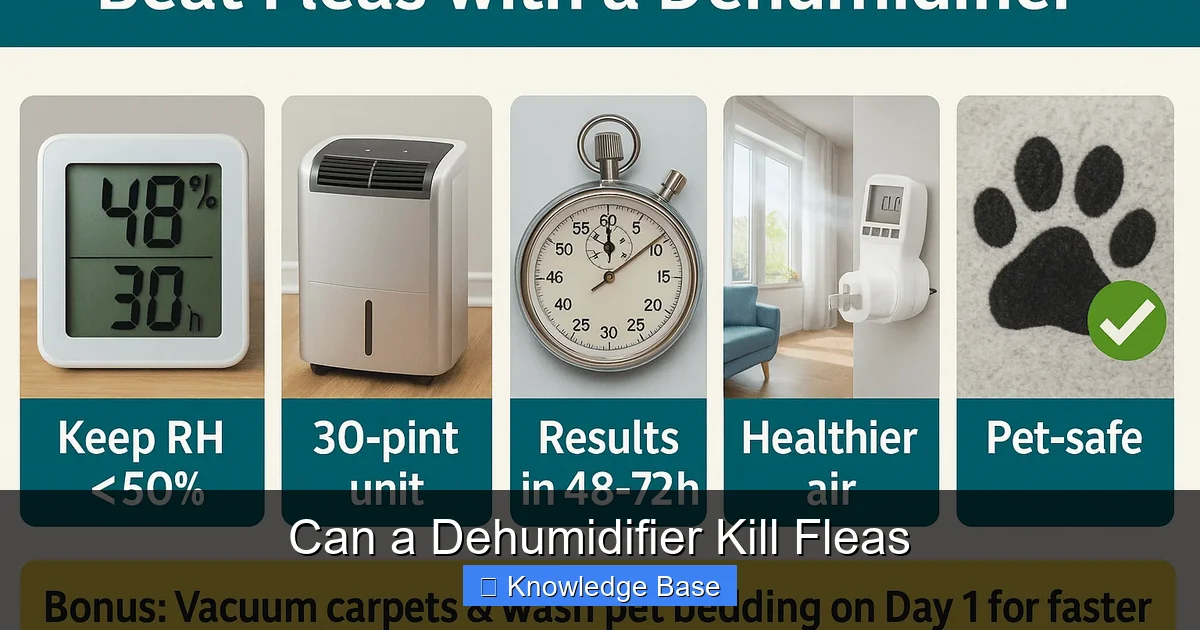
First, high humidity keeps flea eggs and larvae from drying out. As mentioned earlier, flea larvae breathe through their skin and lose moisture quickly in dry air. When relative humidity drops below 50%, their chances of survival drop dramatically. Studies have shown that flea larvae exposed to 30–40% humidity have a mortality rate of over 90% within 24 hours. That’s a huge difference compared to the 70–85% humidity they prefer.
Second, humidity affects the speed of development. In ideal conditions—warm temperatures (75–85°F) and high humidity—flea eggs hatch quickly, larvae grow fast, and pupae emerge as adults in just a few weeks. But in dry environments, development slows or stops entirely. Eggs may not hatch, larvae may die, and pupae may remain dormant indefinitely.
Third, humidity influences where fleas can thrive indoors. Carpets, upholstered furniture, and pet beds retain moisture and provide shelter—perfect breeding grounds. Basements and bathrooms, which often have higher humidity, are especially risky. A dehumidifier helps by pulling excess moisture from the air, making these areas less hospitable.
It’s also worth noting that fleas don’t just need humidity—they need consistency. Fluctuating humidity levels can stress flea populations, but steady dryness is far more effective at preventing infestations. That’s why running a dehumidifier continuously during flea season (or year-round in humid climates) is more effective than occasional use.
In practical terms, lowering indoor humidity to 40–50% can significantly reduce flea reproduction. This doesn’t mean your home has to feel like a desert—most people find 40–50% humidity comfortable and healthy. In fact, this range also helps control other pests like dust mites and mold, making your home better for everyone.
So while you might not see fleas disappearing overnight, maintaining low humidity creates a long-term barrier against infestation. It’s a quiet but powerful form of prevention that works behind the scenes.
How Dehumidifiers Work Against Fleas
Visual guide about Can a Dehumidifier Kill Fleas
Image source: iororwxhqijjlk5q.ldycdn.com
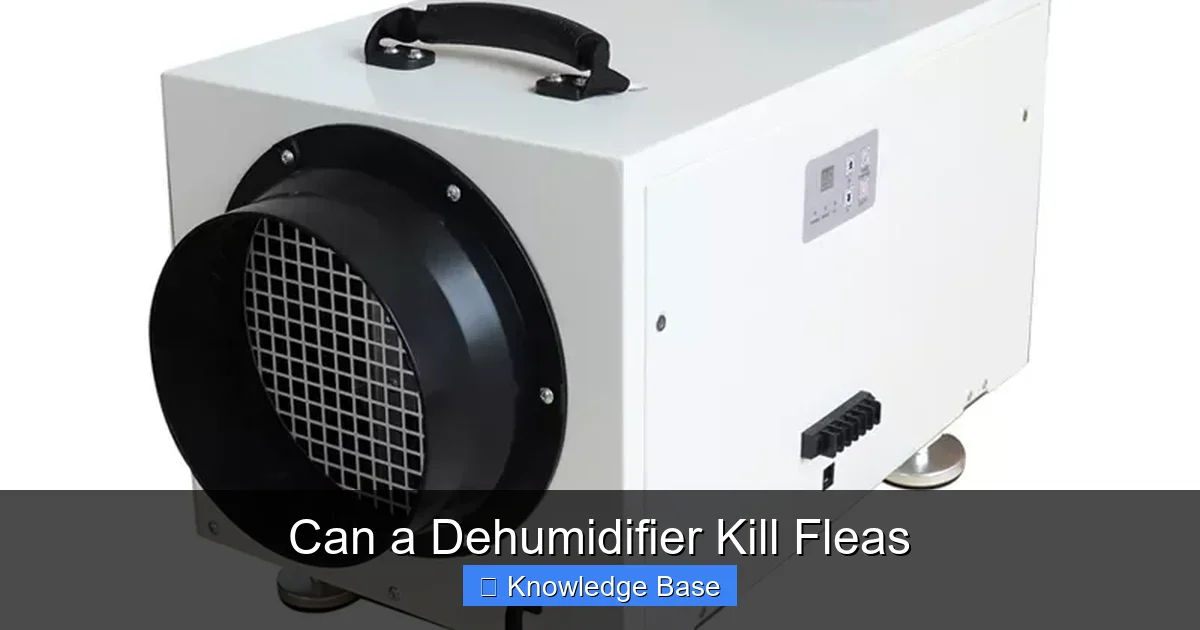
Now that we know why humidity matters, let’s talk about how dehumidifiers actually help. A dehumidifier is a household appliance that removes excess moisture from the air. It works by drawing in humid air, cooling it to condense the water vapor, and then releasing dry air back into the room. The collected water is stored in a tank or drained away.
But how does this process affect fleas? The answer lies in the environment, not direct contact. Dehumidifiers don’t spray chemicals or trap fleas—they change the air quality to make it harder for fleas to survive and reproduce.
When a dehumidifier runs, it lowers the relative humidity in a room. As we’ve seen, flea eggs and larvae can’t tolerate dry air. The moisture they need to stay alive evaporates quickly in low-humidity conditions. This leads to dehydration and death before they can mature.
For example, imagine a flea egg that falls into your carpet. In a humid room (75% humidity), it hatches in a few days, and the larva feeds and grows. But in a room with a dehumidifier maintaining 45% humidity, that same egg may never hatch—or if it does, the larva dies within hours.
The effect is even more pronounced in areas with poor ventilation, like basements or under furniture. These spots often trap moisture, creating microclimates perfect for fleas. A dehumidifier breaks that cycle by pulling moisture from the air and reducing overall dampness.
It’s also important to note that dehumidifiers work best in enclosed spaces. Open windows or high airflow can let humid air back in, reducing effectiveness. For best results, run the dehumidifier in rooms where fleas are likely to breed—bedrooms, living rooms, and pet areas—especially during warm, humid months.
One real-world example: A family in Florida noticed a flea problem every summer. They started using a dehumidifier in their main living area and kept humidity below 50%. Within a few weeks, they saw fewer new fleas, even without changing their cleaning routine. The dehumidifier didn’t kill the adult fleas, but it stopped the next generation from developing.
Another tip: Pair your dehumidifier with regular vacuuming. Vacuuming removes eggs, larvae, and pupae from carpets and furniture. When combined with low humidity, it creates a one-two punch against fleas. Vacuum daily during an infestation, and empty the canister outside immediately to prevent reinfestation.
In short, a dehumidifier doesn’t kill fleas directly—but it makes your home a much less welcoming place for them to grow. It’s a smart, chemical-free way to support your flea control efforts.
Limitations of Using a Dehumidifier for Flea Control
While dehumidifiers are helpful, it’s important to understand their limits. They are not a magic bullet for flea infestations. Relying on a dehumidifier alone won’t eliminate fleas—especially if you already have a serious problem.
First, dehumidifiers don’t kill adult fleas. These pests are mobile, resilient, and can survive for weeks without feeding. They hide in carpets, on pets, and in furniture, where humidity levels may not drop as quickly. So even if the air is dry, adult fleas can still bite and lay eggs.
Second, dehumidifiers work slowly. It takes time to lower humidity across an entire home, especially in large or poorly insulated spaces. Fleas can reproduce faster than a dehumidifier can change the environment, particularly in the early stages of an infestation.
Third, not all areas of your home may reach the target humidity. Corners, under furniture, and inside wall voids can remain damp even when the main room is dry. Fleas can exploit these microclimates to survive and reproduce.
Fourth, dehumidifiers require maintenance. If the water tank isn’t emptied regularly, the unit may stop working efficiently. Filters need cleaning, and in very humid climates, you may need a high-capacity model to make a real difference.
Finally, dehumidifiers are most effective as a preventive measure. If you already have fleas, you’ll need additional steps—like treating your pets with flea medication, washing bedding in hot water, and using insect growth regulators (IGRs) to stop eggs from hatching.
Think of a dehumidifier as one tool in a larger toolkit. It’s great for stopping future infestations and supporting other treatments, but it won’t solve an active problem on its own.
Best Practices for Using a Dehumidifier to Prevent Fleas
To get the most out of your dehumidifier in the fight against fleas, follow these best practices:
1. **Set the right humidity level:** Aim for 40–50% relative humidity. Use a hygrometer to monitor levels and adjust the dehumidifier as needed.
2. **Run it consistently:** Don’t just use it during flea season. Run the dehumidifier year-round, especially in humid climates or basements.
3. **Focus on high-risk areas:** Place the dehumidifier in rooms where pets spend time—bedrooms, living rooms, and carpeted areas.
4. **Combine with cleaning:** Vacuum daily, wash pet bedding weekly in hot water, and steam clean carpets to remove eggs and larvae.
5. **Treat your pets:** Use vet-recommended flea preventatives on dogs and cats. This stops adult fleas from reproducing.
6. **Seal entry points:** Repair cracks in floors and walls to prevent fleas from hiding in hard-to-reach places.
7. **Maintain your unit:** Clean the filter monthly and empty the water tank regularly to ensure peak performance.
By combining a dehumidifier with these steps, you create a multi-layered defense against fleas. It’s not about one solution—it’s about consistency and prevention.
Conclusion
So, can a dehumidifier kill fleas? Not directly—but it plays a crucial role in preventing them. By lowering indoor humidity, you create an environment where flea eggs and larvae can’t survive. This slows reproduction and reduces the risk of infestation.
Used wisely, a dehumidifier is a smart, chemical-free way to support your flea control efforts. Pair it with regular cleaning, pet treatments, and good home maintenance, and you’ll have a much better chance of keeping fleas at bay.
Remember, fleas are tough—but so are you. With the right tools and knowledge, you can win the battle for a flea-free home.
Frequently Asked Questions
Do dehumidifiers work on all types of fleas?
Yes, dehumidifiers affect all common household fleas, including cat fleas and dog fleas, because they all rely on high humidity for egg and larval development.
Can a dehumidifier help with flea allergies?
Indirectly, yes. By reducing flea populations, a dehumidifier can lower exposure to flea bites and allergens, providing relief for sensitive individuals.
Is a dehumidifier safe to use around pets?
Yes, dehumidifiers are safe for pets when used properly. They don’t emit harmful chemicals and can actually improve air quality for animals and humans.
What size dehumidifier do I need for flea control?
Choose a model based on room size and humidity level. For most homes, a 30–50 pint capacity unit is sufficient for bedrooms and living areas.
Can I use a dehumidifier in a carpeted room?
Absolutely. Carpets retain moisture and are prime flea breeding zones. Running a dehumidifier in carpeted rooms is especially effective for flea prevention.
Will a dehumidifier eliminate fleas permanently?
Not on its own. While it helps prevent new infestations, you’ll still need to treat pets, clean thoroughly, and monitor for signs of fleas to achieve long-term control.