
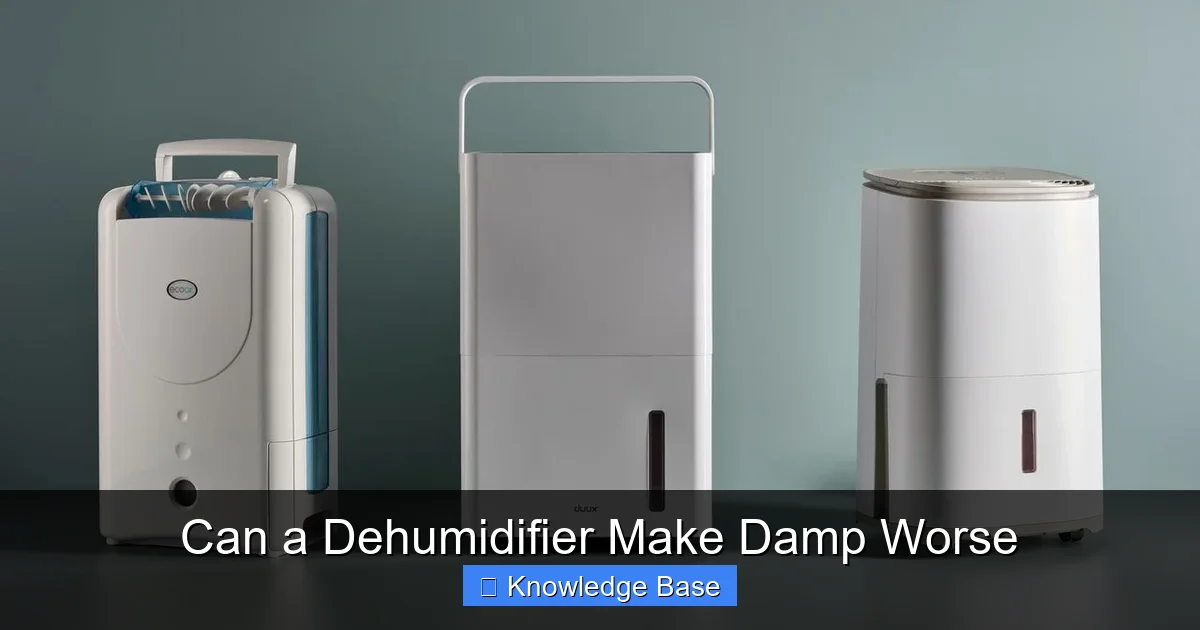
While dehumidifiers are powerful tools for reducing moisture and preventing damp, improper use can sometimes worsen the problem. This article explores how and why a dehumidifier might make damp worse, offering practical solutions to ensure your device works for you—not against you.
Key Takeaways
- Wrong placement can spread damp: Putting a dehumidifier in the wrong room or near a damp source can push moisture into dry areas, making the problem worse.
- Ignoring the root cause is a mistake: Dehumidifiers treat symptoms, not causes. If you don’t fix leaks or ventilation issues, damp will return or spread.
- Over-drying can damage your home: Running a dehumidifier too much can dry out wood, plaster, and furniture, leading to cracks and structural issues.
- Wrong size or type matters: Using a small dehumidifier in a large, damp space won’t work. Choose the right capacity for your room size.
- Blocked airflow reduces efficiency: Dirty filters or poor ventilation around the unit can cause it to work harder and circulate damp air instead of removing it.
- Condensation may increase in cold areas: In poorly insulated homes, dehumidifiers can lower humidity but cause cold surfaces to attract more condensation.
- Regular maintenance is essential: Emptying the water tank, cleaning filters, and checking for frost buildup keeps your dehumidifier working properly.
Quick Answers to Common Questions
Can a dehumidifier make damp worse?
Yes, if it’s placed incorrectly, undersized, or used without addressing the source of moisture, a dehumidifier can redistribute damp or over-dry the air, making the problem worse.
Where should I place my dehumidifier to avoid spreading damp?
Place it as close as possible to the source of damp, with at least 6–12 inches of clearance around it for proper airflow.
How often should I clean my dehumidifier?
Clean the filter every 2–4 weeks and empty the water tank regularly to prevent mold and maintain efficiency.
What humidity level should I set my dehumidifier to?
Aim for 40–50% humidity. Use a hygrometer to monitor levels and avoid over-drying.
Can a dehumidifier fix rising damp?
No, a dehumidifier can reduce air moisture but won’t stop water rising from the ground. You’ll need structural repairs or a damp-proof course.
📑 Table of Contents
Can a Dehumidifier Make Damp Worse?
You’ve probably heard that dehumidifiers are a go-to solution for tackling dampness in your home. And for good reason—they pull excess moisture from the air, helping to prevent mold, musty smells, and peeling wallpaper. But here’s a question that doesn’t get asked often enough: Can a dehumidifier actually make damp worse?
The short answer is yes—under certain conditions, a dehumidifier can unintentionally worsen damp problems instead of solving them. It might sound counterintuitive, but just like any tool, a dehumidifier needs to be used correctly to be effective. If you place it in the wrong spot, run it too much, or ignore the underlying cause of moisture, you could end up with more issues than you started with.
This article will walk you through the surprising ways a dehumidifier can backfire, how to avoid common mistakes, and how to use your unit to truly improve your home’s air quality and dryness. Whether you’re dealing with condensation on windows, rising damp in the basement, or mold in the bathroom, understanding how dehumidifiers work—and how they can go wrong—is the first step to fixing the problem for good.
How Dehumidifiers Work (And Why They Can Backfire)
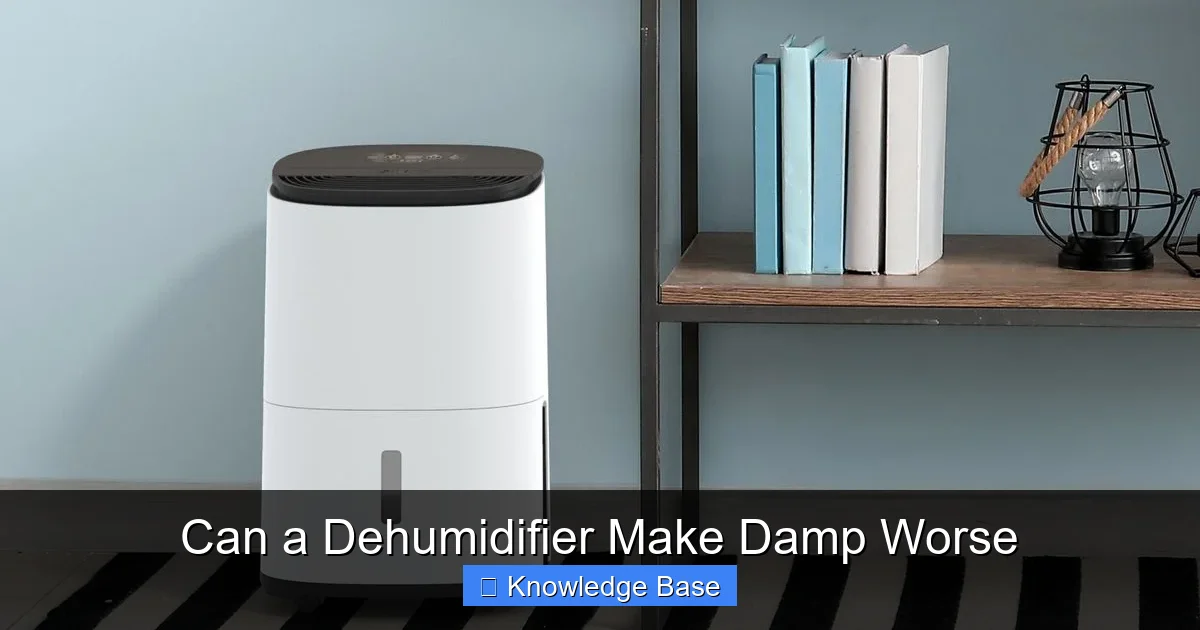
Visual guide about Can a Dehumidifier Make Damp Worse
Image source: cdn.mos.cms.futurecdn.net
Before we dive into the problems, let’s quickly cover how dehumidifiers actually work. Most home dehumidifiers use a refrigeration system: a fan pulls humid air into the unit, where it passes over cold coils. The moisture in the air condenses into water droplets, which collect in a tank or drain hose. The now-drier air is then reheated slightly and blown back into the room.
This process is highly effective at lowering indoor humidity levels—typically aiming for 30% to 50%, which is ideal for comfort and mold prevention. But here’s the catch: dehumidifiers don’t create dry air out of thin air. They rely on airflow, proper placement, and a balanced environment to work correctly.
Now, imagine using a dehumidifier in a room with a chronic leak. The unit pulls moisture from the air, but the leak keeps adding more water. Over time, the dehumidifier might struggle to keep up, and the constant cycle of drying and re-wetting can actually encourage mold growth in hidden areas. Worse, if the unit is placed near the source of damp—like a damp wall or leaking pipe—it can draw moisture from the wall into the air, only to redistribute it elsewhere in the room.
In short, a dehumidifier is like a sponge. It can absorb moisture, but if you keep pouring water on the floor, the sponge will eventually overflow—or worse, spread the water around.
The Role of Air Circulation
Airflow is critical. Dehumidifiers need good circulation to pull in humid air and return dry air. If the unit is placed in a corner, behind furniture, or in a poorly ventilated closet, it won’t be able to do its job. Instead, it may create pockets of dry and damp air, leading to uneven humidity levels.
For example, if you run a dehumidifier in a closed-off bathroom with no window or fan, the air might become overly dry near the unit but remain damp in the corners. This imbalance can cause condensation to form on cold surfaces like mirrors or tiles, making the damp problem seem worse than before.
When the Root Cause Is Ignored
One of the biggest mistakes homeowners make is treating a dehumidifier as a cure-all. While it can manage symptoms, it won’t fix the source of moisture. If you have rising damp from groundwater, a leaking roof, or poor ventilation, the dehumidifier is just putting a bandage on a wound that needs stitches.
Let’s say you have a damp patch on your basement wall. You set up a dehumidifier and notice the air feels drier. But the damp patch keeps returning because water is still seeping through the foundation. Over time, the constant moisture exposure can weaken the wall, and the dehumidifier’s airflow might even draw damp air from the wall into the room, spreading mold spores.
In these cases, the dehumidifier isn’t the villain—it’s being used incorrectly. It’s like using a fan to cool down a room while leaving the oven on. Eventually, the heat wins.
Common Mistakes That Make Damp Worse
Visual guide about Can a Dehumidifier Make Damp Worse
Image source: cdn.mos.cms.futurecdn.net
Now that we understand how dehumidifiers work, let’s look at the specific mistakes that can turn a helpful device into a damp-making machine.
1. Placing the Dehumidifier in the Wrong Location
Where you put your dehumidifier matters more than you might think. If you place it in a dry room while the damp problem is in another area, the unit won’t help. Worse, it can create a pressure imbalance that pulls damp air from problem areas into dry ones.
For instance, running a dehumidifier in your living room while your basement is flooded can cause air to flow from the basement into the living room. This movement can carry mold spores and moisture with it, spreading the problem.
Tip: Always place your dehumidifier as close as possible to the source of damp. In basements, put it near the dampest wall or corner. In bathrooms, use it during and after showers, but ensure the door is closed to contain the moisture.
2. Using the Wrong Size or Type
Not all dehumidifiers are created equal. A small, 20-pint unit might work fine in a closet but will struggle in a large, damp basement. If the unit is underpowered, it will run constantly without making a dent in the humidity.
On the flip side, using an oversized dehumidifier can lead to over-drying. This might sound good, but extremely low humidity (below 30%) can cause wood to shrink, paint to crack, and even increase static electricity.
Tip: Match the dehumidifier’s capacity to your room size and moisture level. Check the product’s “pints per day” rating and compare it to your space. For example, a 30-pint unit is usually sufficient for a 1,000-square-foot basement with moderate dampness.
3. Running It Too Much or Not Enough
Timing is everything. Running a dehumidifier 24/7 in a home with low humidity can dry out the air too much. Conversely, only running it occasionally when you notice damp won’t prevent mold growth.
Some models have built-in humidistats that automatically turn the unit on and off based on humidity levels. These are ideal because they maintain a consistent range without overworking the machine.
Tip: Set your dehumidifier to maintain 40–50% humidity. Use a standalone hygrometer to double-check the readings, as built-in sensors can sometimes be inaccurate.
4. Neglecting Maintenance
A dirty dehumidifier is a useless dehumidifier. Over time, the water tank can grow bacteria, the filter can clog with dust, and the coils can freeze in cold environments. All of these issues reduce efficiency and can even spread mold or mildew.
For example, if the filter is blocked, the fan can’t pull in air effectively. The unit may overheat or cycle on and off erratically, failing to remove moisture. In cold basements, frost can build up on the coils, causing the unit to shut down until it defrosts—leaving your home vulnerable to damp.
Tip: Clean the filter every 2–4 weeks, empty the water tank regularly, and check for frost in winter. If your model has a drain hose, make sure it’s not kinked or clogged.
5. Ignoring Ventilation and Insulation
Dehumidifiers work best in well-ventilated spaces. If your home is tightly sealed with no airflow, the unit may struggle to circulate air. Similarly, poor insulation can lead to cold surfaces that attract condensation—even if the air is dry.
Imagine running a dehumidifier in a poorly insulated attic. The air might be dry, but the cold roof beams can cause moisture to condense, leading to mold growth in the insulation.
Tip: Improve ventilation by using exhaust fans in kitchens and bathrooms. Add insulation to walls, attics, and crawl spaces to reduce cold surfaces where condensation forms.
When a Dehumidifier Can Actually Help
Despite the risks, dehumidifiers are still one of the best tools for managing indoor moisture—when used correctly. Here’s when they shine:
In Basements and Crawl Spaces
These areas are prone to dampness due to groundwater and poor airflow. A dehumidifier can significantly reduce humidity and prevent mold, especially when paired with a sump pump or vapor barrier.
Example: A homeowner in a rainy climate installed a 50-pint dehumidifier in their basement and set it to 45% humidity. Within two weeks, the musty smell disappeared, and the damp patches on the walls dried up.
After Water Damage
Floods, leaks, or burst pipes require immediate action. A dehumidifier, along with fans, can speed up drying and prevent secondary damage like warped floors or mold.
Tip: Use multiple fans to circulate air and place the dehumidifier near the wettest area. Run it continuously until moisture levels return to normal.
In Humid Climates
Homes in tropical or coastal regions often struggle with high humidity. A dehumidifier can make indoor air more comfortable and protect furniture, books, and electronics from moisture damage.
During Renovations
Painting, plastering, or laying flooring releases moisture into the air. Running a dehumidifier during and after these projects helps materials dry properly and prevents mold.
How to Use a Dehumidifier the Right Way
Now that we’ve covered the pitfalls and benefits, here’s a step-by-step guide to using your dehumidifier effectively:
Step 1: Identify the Source of Damp
Before turning on the unit, figure out where the moisture is coming from. Is it condensation on windows? A leaking pipe? Rising damp from the ground? Fixing the source is the first step to long-term success.
Step 2: Choose the Right Model
Consider the size of the space, the level of dampness, and the climate. Look for features like auto-humidistat, continuous drain option, and frost protection if you live in a cold area.
Step 3: Place It Strategically
Put the dehumidifier in the dampest area, away from walls and furniture. Leave at least 6–12 inches of clearance around it for airflow.
Step 4: Set the Ideal Humidity Level
Aim for 40–50% humidity. Use a hygrometer to monitor levels and adjust the settings as needed.
Step 5: Maintain Regularly
Clean the filter, empty the tank, and inspect the unit monthly. Replace filters as recommended by the manufacturer.
Step 6: Monitor and Adjust
Check for signs of over-drying (cracks, static) or ongoing damp (mold, peeling paint). If problems persist, consult a professional to assess ventilation, insulation, or structural issues.
Signs Your Dehumidifier Is Making Damp Worse
How can you tell if your dehumidifier is doing more harm than good? Watch for these red flags:
- New damp patches appear in dry areas: This could mean the unit is pulling moisture from one spot and redistributing it.
- Condensation increases on windows or cold surfaces: Over-drying the air can make cold surfaces more attractive to condensation.
- The unit runs constantly but humidity stays high: This suggests the dehumidifier is undersized or there’s a major leak.
- You notice a musty smell near the unit: This could indicate mold growth in the tank or filter.
- Wood floors or furniture start to crack: Over-drying can cause materials to shrink and split.
If you see any of these signs, it’s time to reassess your setup.
Conclusion
So, can a dehumidifier make damp worse? Yes—but only if it’s used incorrectly. When placed properly, sized correctly, and maintained regularly, a dehumidifier is a powerful ally in the fight against moisture. But it’s not a magic fix. It works best when combined with good ventilation, proper insulation, and attention to the root causes of damp.
Think of your dehumidifier as part of a team. It handles the air, but you need to handle the leaks, the airflow, and the structure. Together, you can create a dry, healthy home.
Don’t let a well-intentioned device become part of the problem. With the right knowledge and a little maintenance, your dehumidifier will do exactly what it’s supposed to: keep your home dry, comfortable, and mold-free.
Frequently Asked Questions
Can a dehumidifier make mold worse?
Yes, if the unit isn’t cleaned regularly, mold can grow in the tank or filter and be blown back into the room. Always maintain your dehumidifier to prevent this.
Should I run a dehumidifier all the time?
Not necessarily. Use a model with a humidistat to automatically maintain 40–50% humidity. Running it 24/7 in dry conditions can over-dry the air.
Can a dehumidifier cause condensation?
Indirectly, yes. If it dries the air too much, cold surfaces may attract more condensation. Proper insulation and balanced humidity prevent this.
Is a bigger dehumidifier always better?
No. An oversized unit can over-dry the air, damaging wood and increasing static. Choose a model matched to your room size and moisture level.
Can I use a dehumidifier in winter?
Yes, but in cold areas, frost can build up on the coils. Look for a model with automatic defrost or use it only in insulated spaces above 65°F (18°C).
Do dehumidifiers use a lot of electricity?
They use moderate energy, similar to a refrigerator. Energy-efficient models with ENERGY STAR ratings can help reduce costs.