
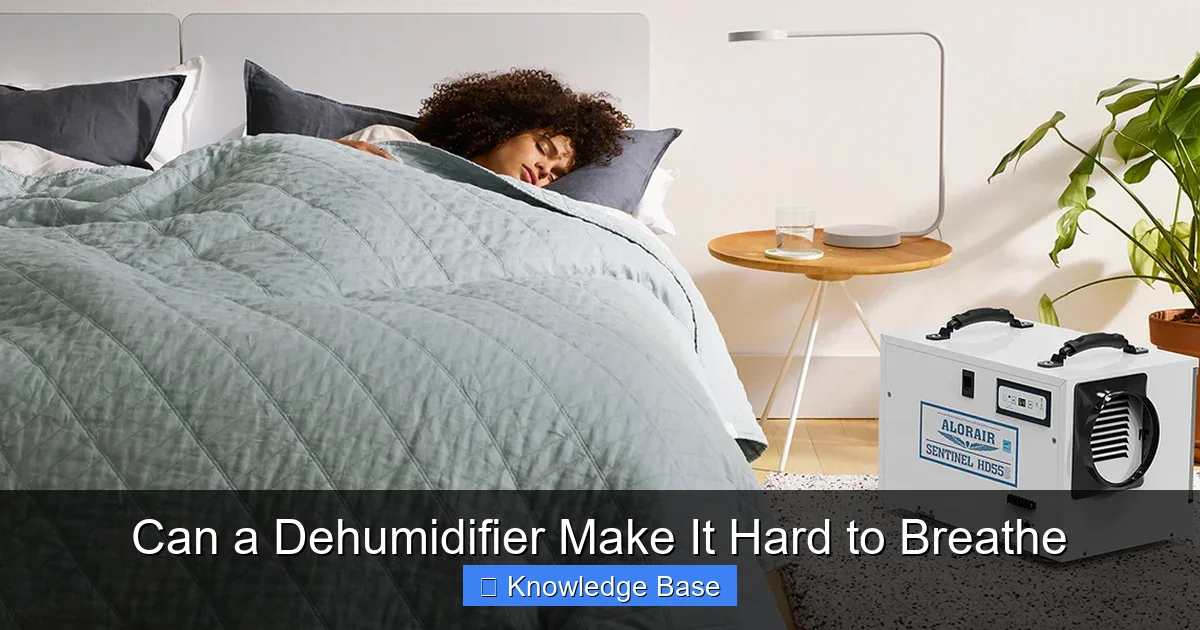
Most people use dehumidifiers to improve air quality, but can a dehumidifier make it hard to breathe? The short answer is: it depends. While dehumidifiers generally help reduce allergens like mold and dust mites, improper use—such as over-drying the air—can lead to dryness, irritation, and breathing discomfort.
Key Takeaways
- Dehumidifiers reduce moisture, not air quality: They lower humidity levels to prevent mold and mildew, which can improve breathing for allergy sufferers.
- Over-drying can irritate airways: Humidity below 30% may dry out nasal passages and throat, making breathing feel harder, especially for sensitive individuals.
- Proper humidity range is key: Maintaining indoor humidity between 30% and 50% supports healthy breathing and comfort.
- Clean units prevent contamination: Dirty dehumidifiers can blow mold or bacteria into the air, worsening respiratory issues.
- People with asthma or COPD should monitor closely: While many benefit from dehumidifiers, sudden air changes may trigger symptoms in some.
- Use hygrometers for accuracy: Relying on built-in sensors isn’t always reliable—external hygrometers help maintain optimal levels.
- Ventilation matters: Running a dehumidifier in a sealed room without airflow can create stale, stuffy conditions.
Quick Answers to Common Questions
Can a dehumidifier make it hard to breathe?
Yes, but only if it over-dries the air. Low humidity below 30% can dry out nasal passages and irritate airways, making breathing feel difficult.
What humidity level is best for breathing?
The ideal range is 30% to 50% relative humidity. This supports healthy mucous membranes and reduces mold and dust mites.
Can a dirty dehumidifier cause breathing problems?
Yes. Mold or bacteria growing inside a dirty unit can be blown into the air, worsening allergies or asthma.
Should I use a dehumidifier if I have asthma?
Often yes, but monitor humidity closely. Sudden drops can trigger symptoms. Use a humidistat to maintain stable levels.
Can I use a dehumidifier and humidifier at the same time?
Yes, if needed. Some systems combine both functions. The goal is balanced humidity, not extreme dryness or dampness.
📑 Table of Contents
- Can a Dehumidifier Make It Hard to Breathe? Understanding the Science
- How Dehumidifiers Work and Their Impact on Air Quality
- Who Is Most at Risk from Overly Dry Air?
- Common Misconceptions About Dehumidifiers and Breathing
- How to Use a Dehumidifier Safely and Effectively
- When to Avoid Using a Dehumidifier
- Conclusion: Balance Is Key
Can a Dehumidifier Make It Hard to Breathe? Understanding the Science
If you’ve ever walked into a damp basement or a musty bathroom, you know how heavy and unpleasant the air can feel. That’s excess humidity at work—and it’s not just uncomfortable. High moisture levels can encourage mold growth, dust mites, and mildew, all of which are common triggers for allergies and asthma. That’s why many people turn to dehumidifiers: to pull excess moisture from the air and create a healthier indoor environment.
But here’s the twist: while dehumidifiers are designed to help, some users report feeling like it’s harder to breathe after turning one on. You might notice a dry throat, a scratchy nose, or even shortness of breath. So, can a dehumidifier make it hard to breathe? The answer isn’t a simple yes or no. It depends on how the unit is used, the existing air quality, and your personal health.
In most cases, a properly functioning dehumidifier improves breathing by reducing allergens and preventing mold. However, if the air becomes too dry—or if the machine isn’t maintained—it can contribute to respiratory discomfort. This article will explore the science behind humidity and breathing, explain when dehumidifiers help versus hurt, and give you practical tips to use them safely and effectively.
How Dehumidifiers Work and Their Impact on Air Quality
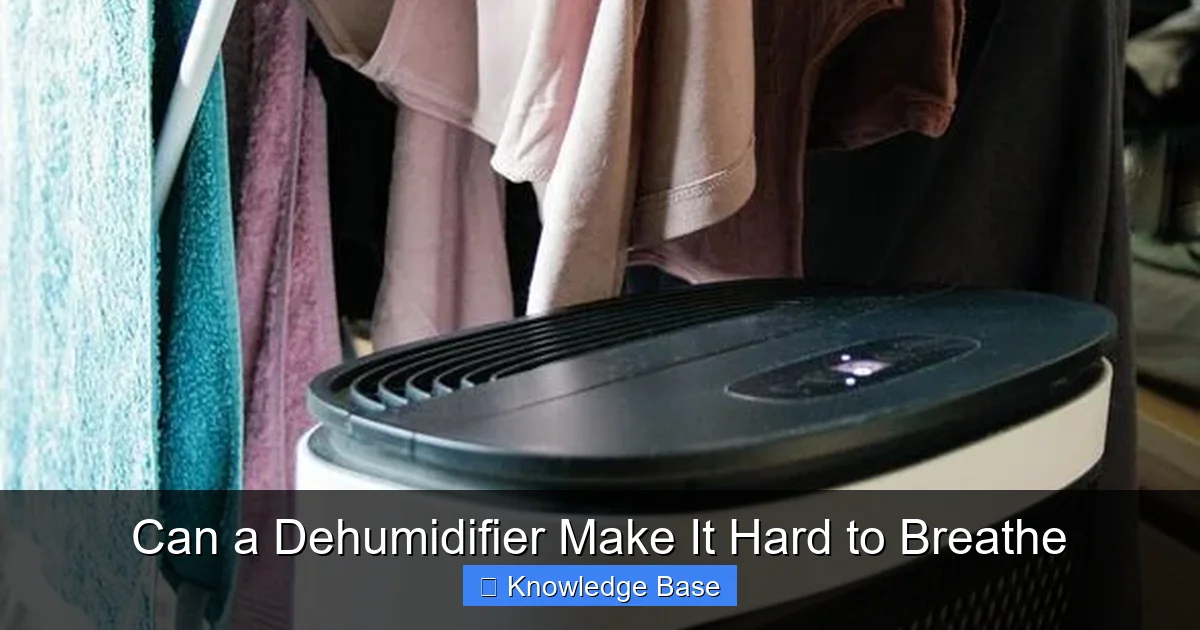
Visual guide about Can a Dehumidifier Make It Hard to Breathe
Image source: cdn.images.express.co.uk
To understand whether a dehumidifier can make breathing difficult, it helps to know how these devices actually work. Most home dehumidifiers use a refrigeration-based system. They draw in moist air, pass it over cold coils to condense the water vapor, and then release drier, warmer air back into the room. The collected water drips into a tank or drains away.
This process reduces the relative humidity (RH) in your space—typically the goal when dealing with dampness. But humidity isn’t just about comfort. It plays a major role in indoor air quality. High humidity (above 60%) creates a breeding ground for mold, mildew, and dust mites. These allergens release spores and particles into the air that can irritate the lungs, trigger asthma attacks, or worsen allergies.
By lowering humidity to the ideal range of 30% to 50%, dehumidifiers help suppress these biological pollutants. For example, dust mites struggle to survive below 50% RH, and mold growth slows significantly. This is why many allergists and pulmonologists recommend dehumidifiers for patients with respiratory conditions.
But here’s the catch: the same process that removes moisture can also strip the air of too much humidity if not monitored. When indoor air becomes too dry—below 30% RH—it can cause the mucous membranes in your nose and throat to dry out. These membranes are your body’s first line of defense against airborne irritants. When they’re dry, they’re less effective at trapping dust, bacteria, and viruses. This can lead to increased irritation, coughing, and a sensation of breathlessness.
So while dehumidifiers improve air quality by reducing allergens, they can indirectly make breathing harder if they over-dry the air. It’s all about balance.
The Role of Humidity in Respiratory Health
Your respiratory system thrives in a balanced environment. The lining of your airways is coated with a thin layer of mucus that traps particles and pathogens. This mucus needs to stay moist to function properly. When the air is too dry, this protective layer can become thick or even crack, making it easier for irritants to enter your lungs.
Studies have shown that low humidity environments can increase the risk of respiratory infections. For instance, cold, dry winter air is linked to higher rates of flu transmission. Similarly, overly dry indoor air from heating systems or dehumidifiers can dry out nasal passages, leading to nosebleeds, sore throats, and a feeling of tightness in the chest.
On the flip side, high humidity isn’t safe either. Damp air promotes mold growth, which releases mycotoxins and spores that can cause allergic reactions, asthma flare-ups, and even lung inflammation in sensitive individuals. In extreme cases, prolonged exposure to mold can lead to hypersensitivity pneumonitis, a serious lung condition.
This is why maintaining a balanced humidity level is crucial. The sweet spot—30% to 50% relative humidity—supports healthy mucous membranes, reduces allergens, and minimizes the risk of both dryness and mold.
Signs Your Dehumidifier Might Be Over-Drying the Air
How do you know if your dehumidifier is making the air too dry? Watch for these common signs:
– Dry or itchy throat upon waking
– Frequent nosebleeds
– Cracked lips or dry skin
– Static electricity shocks
– A feeling of tightness or discomfort in the chest
– Increased coughing, especially at night
If you notice these symptoms after running your dehumidifier, it’s a sign the humidity may have dropped too low. This is especially common in smaller, well-insulated rooms where the unit runs continuously without a humidistat or automatic shut-off.
For example, imagine you’re using a dehumidifier in a small bedroom with no windows open. The unit runs all night, pulling moisture from the air until the humidity drops to 25%. By morning, you wake up with a parched throat and a dry cough. That’s the dehumidifier working—but perhaps too well.
The solution? Use a hygrometer (a device that measures humidity) to monitor levels. Many modern dehumidifiers come with built-in hygrometers, but they’re not always accurate. An external digital hygrometer placed in the center of the room gives a more reliable reading.
Who Is Most at Risk from Overly Dry Air?
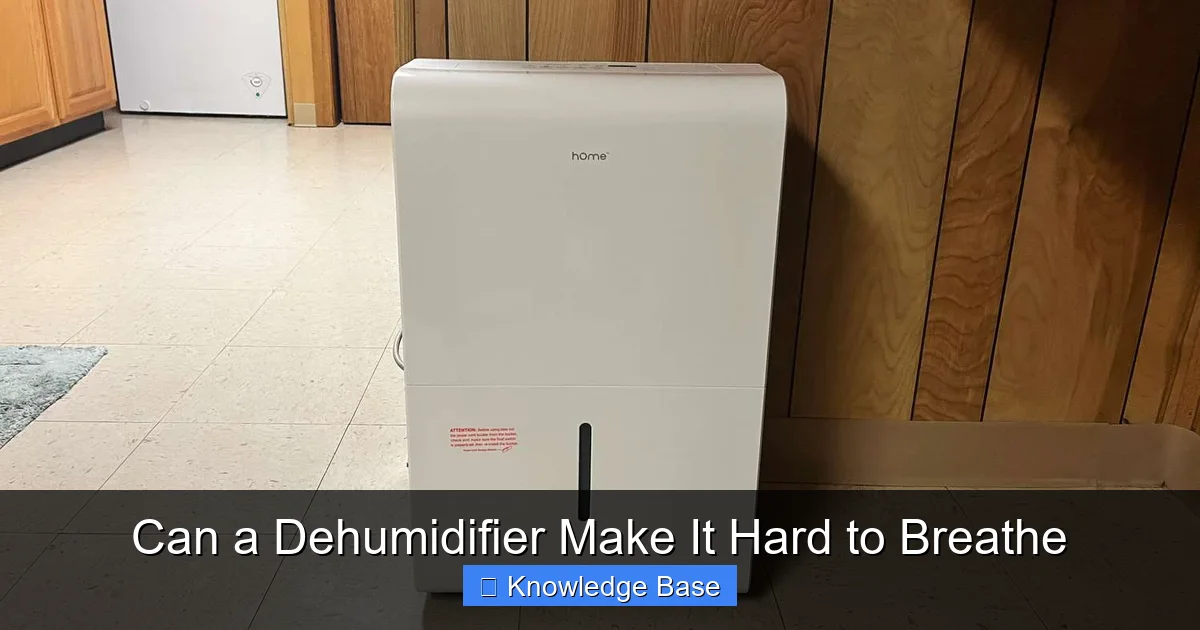
Visual guide about Can a Dehumidifier Make It Hard to Breathe
Image source: thespruce.com
While anyone can experience discomfort from overly dry air, certain groups are more vulnerable. Understanding your risk level can help you use a dehumidifier more safely.
People with Asthma or COPD
Individuals with asthma or chronic obstructive pulmonary disease (COPD) often benefit from lower humidity because it reduces mold and dust mites. However, sudden changes in air moisture can trigger symptoms. Dry air may cause airway constriction, leading to wheezing, shortness of breath, or coughing.
For example, a study published in the *Journal of Asthma* found that both very high and very low humidity levels could worsen asthma symptoms. The key is consistency. Sudden shifts—like turning on a dehumidifier in a damp room and dropping humidity from 70% to 30% in a few hours—can shock the system.
If you have asthma or COPD, consider using a dehumidifier with a humidistat that allows you to set a target humidity level (like 45%). This prevents over-drying and maintains a stable environment.
Infants and Young Children
Babies and toddlers have smaller, more sensitive airways. Their respiratory systems are still developing, and they breathe faster than adults. Dry air can irritate their nasal passages and increase the risk of respiratory infections.
Parents often use dehumidifiers in nurseries to prevent mold, especially in humid climates. But it’s important not to overdo it. A humidity level below 30% in a baby’s room can lead to dry skin, congestion, and disrupted sleep.
Pediatricians recommend keeping nursery humidity between 40% and 50%. Use a hygrometer in the room and avoid running the dehumidifier continuously. Instead, run it in cycles or only when needed.
Older Adults and Those with Dry Eye or Skin Conditions
As we age, our skin and mucous membranes naturally become drier. Older adults may already struggle with dry eyes, dry mouth, or skin irritation. Adding a dehumidifier to an already dry environment can worsen these issues.
Similarly, people with conditions like eczema or chronic dry eye syndrome may find that low humidity aggravates their symptoms. In these cases, it’s wise to use a dehumidifier cautiously and consider pairing it with a humidifier if needed.
Common Misconceptions About Dehumidifiers and Breathing
There are several myths about dehumidifiers that can lead to misuse—and potentially make breathing harder. Let’s clear them up.
Myth 1: “The Drier the Air, the Better”
Many people assume that removing as much moisture as possible is always beneficial. But air that’s too dry can be just as harmful as air that’s too damp. Your body needs a certain level of moisture to function properly. Over-drying can lead to irritation, infections, and discomfort.
Think of it like this: your home’s air should feel comfortable, not parched. If you feel like you’re breathing in desert air, the humidity is likely too low.
Myth 2: “Dehumidifiers Clean the Air Like Air Purifiers”
Dehumidifiers reduce moisture—they don’t filter particles like dust, pollen, or pet dander. While lowering humidity can reduce allergen growth, the machine itself doesn’t clean the air.
If you have allergies, you may still need an air purifier with a HEPA filter to remove airborne particles. Using a dehumidifier alone won’t eliminate all triggers.
Myth 3: “All Dehumidifiers Are the Same”
Not all dehumidifiers are created equal. Some are designed for small spaces, others for whole homes. Some have advanced features like auto-humidistats, timers, and washable filters. Cheaper models may lack accurate sensors or proper drainage, leading to over-drying or mold growth inside the unit.
Investing in a quality dehumidifier with a built-in humidistat and automatic shut-off can prevent many breathing-related issues.
Myth 4: “You Can’t Use a Dehumidifier and Humidifier Together”
Actually, you can—and sometimes you should. In climates with extreme seasonal changes, you might need a dehumidifier in summer and a humidifier in winter. Some smart systems even combine both functions.
The goal is balance. If your dehumidifier makes the air too dry, a small humidifier can restore comfort—especially in bedrooms or nurseries.
How to Use a Dehumidifier Safely and Effectively
Using a dehumidifier the right way can prevent breathing difficulties and maximize benefits. Here are practical tips to follow.
Set the Right Humidity Level
Aim for 30% to 50% relative humidity. Use a hygrometer to monitor levels regularly. If your dehumidifier has a humidistat, set it to 45% for a balanced environment.
Avoid setting it too low—especially below 30%. This can dry out your airways and cause discomfort.
Place the Unit Correctly
Position your dehumidifier in a central location with good airflow. Avoid placing it in a corner or behind furniture, which can restrict air circulation.
In basements, place it near the source of moisture—like a sump pump or foundation wall. In living areas, keep it away from walls and ensure vents aren’t blocked.
Clean and Maintain Regularly
A dirty dehumidifier can become a source of mold and bacteria. Clean the water tank weekly with soap and water. Rinse and dry thoroughly.
Check and clean the air filter monthly. A clogged filter reduces efficiency and can blow dust back into the room.
Inspect the coils and drain hose for mold or mineral buildup. Use a coil cleaner if needed.
Use in Conjunction with Ventilation
Don’t run a dehumidifier in a completely sealed room. Open windows slightly when weather permits to allow fresh air exchange.
Use exhaust fans in bathrooms and kitchens to remove moisture at the source. This reduces the workload on your dehumidifier.
Monitor for Symptoms
Pay attention to how you feel. If you notice dryness, coughing, or breathing discomfort, check the humidity level. Adjust the settings or reduce runtime.
If symptoms persist, consult a healthcare provider. It could be a sign of an underlying condition or improper air quality.
Consider a Smart Dehumidifier
Modern smart dehumidifiers connect to apps and can be controlled remotely. Some even integrate with smart thermostats and hygrometers to maintain optimal humidity automatically.
These devices can send alerts when the tank is full or when humidity levels are out of range—helping you avoid over-drying.
When to Avoid Using a Dehumidifier
While dehumidifiers are helpful in many situations, they’re not always the right solution.
In Already Dry Climates
If you live in a dry region—like the desert Southwest—your indoor air may already be low in humidity. Using a dehumidifier here can push levels too low, causing discomfort.
In these areas, focus on ventilation and consider a humidifier instead.
During Cold Weather
In winter, indoor air tends to be dry due to heating systems. Running a dehumidifier in addition can over-dry the air.
Only use a dehumidifier in winter if you have a specific moisture problem—like condensation on windows or mold growth.
If You Have Certain Health Conditions
People with conditions like cystic fibrosis or severe dry eye may be more sensitive to low humidity. Consult your doctor before using a dehumidifier.
Similarly, if you’ve recently had respiratory surgery or are recovering from an illness, dry air may slow healing.
Conclusion: Balance Is Key
So, can a dehumidifier make it hard to breathe? The answer is: it can, but only if used improperly. When set correctly and maintained well, dehumidifiers improve air quality, reduce allergens, and support healthier breathing. They’re especially beneficial in damp environments or for people with asthma and allergies.
However, over-drying the air can lead to dryness, irritation, and discomfort—especially for sensitive individuals. The key is balance. Maintain humidity between 30% and 50%, monitor levels with a hygrometer, and clean your unit regularly.
By understanding how dehumidifiers work and how they affect your body, you can use them safely and effectively. Remember, the goal isn’t to eliminate all moisture—it’s to create a comfortable, healthy indoor environment where you can breathe easy.
Frequently Asked Questions
Can a dehumidifier cause shortness of breath?
It’s possible if the air becomes too dry. Low humidity can irritate the airways and cause a sensation of tightness or difficulty breathing, especially in sensitive individuals.
How do I know if my dehumidifier is making the air too dry?
Watch for symptoms like dry throat, nosebleeds, or static shocks. Use a hygrometer to check if humidity has dropped below 30%.
Is it safe to sleep with a dehumidifier on?
Yes, as long as humidity stays between 30% and 50%. Choose a quiet model and ensure the room has some airflow to prevent stuffiness.
Can a dehumidifier help with allergies?
Yes, by reducing mold and dust mites. However, it doesn’t remove airborne particles—pair it with an air purifier for best results.
Why does my room feel stuffy with the dehumidifier on?
This can happen if the room is sealed and lacks ventilation. Open a window slightly or use a fan to improve air circulation.
How often should I clean my dehumidifier?
Clean the water tank weekly and the air filter monthly. Inspect coils and drains every few months to prevent mold buildup.