

Yes, a dehumidifier can effectively prevent mold by reducing indoor humidity levels—mold’s favorite breeding ground. By maintaining humidity between 30% and 50%, you create an environment where mold spores struggle to grow and thrive.
Key Takeaways
- Dehumidifiers reduce moisture: They pull excess water vapor from the air, making it harder for mold to grow.
- Ideal humidity is key: Keeping indoor humidity between 30% and 50% significantly lowers mold risk.
- Works best with ventilation: Combine dehumidifiers with proper airflow and exhaust fans for maximum effectiveness.
- Not a cure-all: Dehumidifiers prevent new mold but won’t remove existing infestations—clean those first.
- Choose the right size: Match the dehumidifier’s capacity (pints per day) to your room size and humidity level.
- Regular maintenance matters: Clean filters and empty tanks often to keep your unit running efficiently.
- Prevention beats cleanup: Using a dehumidifier early saves time, money, and health risks down the line.
Quick Answers to Common Questions
Can a dehumidifier completely eliminate mold?
No, a dehumidifier can’t eliminate existing mold, but it can prevent new mold from growing by reducing humidity. You must clean visible mold first.
What humidity level prevents mold?
Keeping indoor humidity between 30% and 50% is ideal for preventing mold growth.
Do I need a dehumidifier in a dry climate?
Yes, even in dry climates, indoor activities like showering and cooking can raise humidity enough to encourage mold.
How often should I empty my dehumidifier tank?
Empty the tank daily, or use a continuous drain hose to avoid overflow and maintain efficiency.
Can a dehumidifier help with musty smells?
Yes, by reducing moisture, a dehumidifier can eliminate the damp conditions that cause musty odors.
📑 Table of Contents
- Can a Dehumidifier Prevent Mold? The Short Answer
- How Mold Grows—and Why Humidity Is the Culprit
- How Dehumidifiers Work to Stop Mold
- Where and When to Use a Dehumidifier for Mold Prevention
- Best Practices for Using a Dehumidifier to Prevent Mold
- What a Dehumidifier Can’t Do
- Real-Life Examples: How Dehumidifiers Stopped Mold
- Conclusion: Yes, a Dehumidifier Can Prevent Mold—When Used Right
Can a Dehumidifier Prevent Mold? The Short Answer
Let’s cut to the chase: yes, a dehumidifier can prevent mold—and it’s one of the most effective tools you can use to stop mold before it starts. But like any home appliance, it’s not magic. It works best when used correctly and as part of a broader moisture-control strategy.
Mold loves damp, dark, and poorly ventilated spaces. Think basements, bathrooms, laundry rooms, and closets. It doesn’t need standing water to grow—just enough moisture in the air. That’s where a dehumidifier steps in. By pulling excess humidity from the air, it creates an environment that’s simply not welcoming to mold spores. And since mold can start growing in as little as 24 to 48 hours under the right conditions, acting fast with a dehumidifier can make all the difference.
How Mold Grows—and Why Humidity Is the Culprit
Before we dive into how dehumidifiers work, let’s understand why mold appears in the first place. Mold is a type of fungus that reproduces through tiny spores that float around in the air. These spores are everywhere—indoors and out. They’re harmless on their own, but when they land on a damp surface, they can begin to grow and multiply.
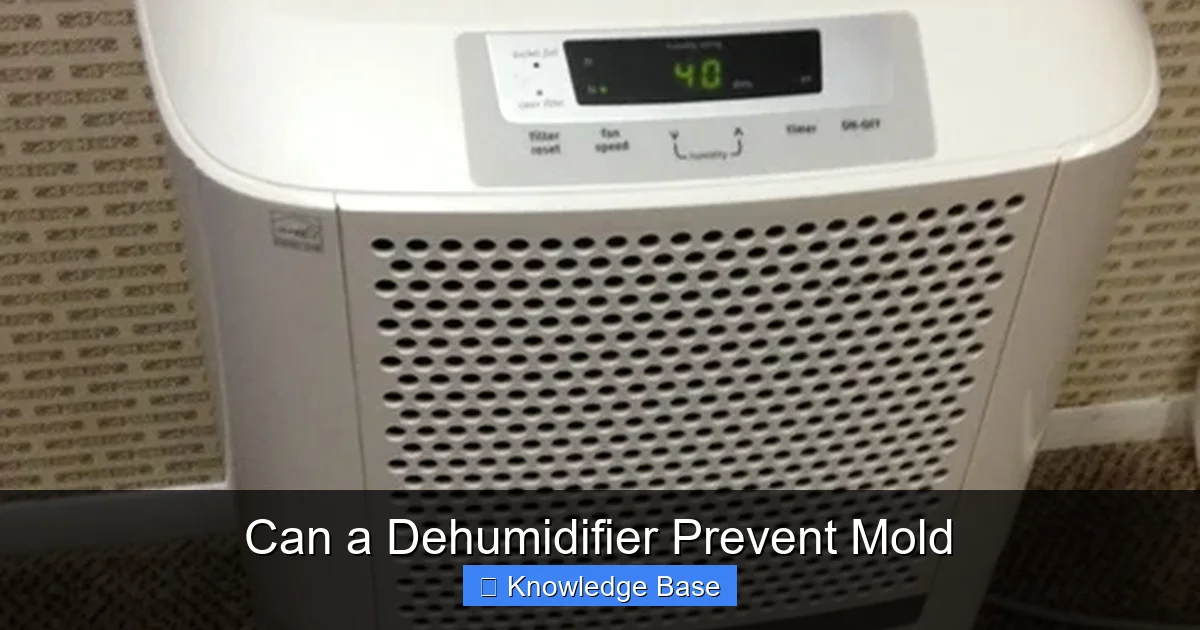
Visual guide about Can a Dehumidifier Prevent Mold
Image source: mold-answers.com
What Mold Needs to Thrive
Mold needs three things to grow: moisture, food, and time. The food can be almost anything organic—drywall, wood, fabric, dust, or even soap scum. Time is usually not an issue—mold can start growing within a day or two if conditions are right. But moisture? That’s the big one. Without it, mold can’t get a foothold.
Humidity is the invisible enemy here. When the air in your home is too humid—typically above 60% relative humidity—it deposits moisture on cool surfaces like walls, windows, and furniture. This creates the perfect breeding ground for mold. Even if you can’t see water, the air itself can be holding enough moisture to feed mold growth.
The Role of Relative Humidity
Relative humidity (RH) measures how much water vapor is in the air compared to how much it can hold at a given temperature. For example, 50% RH means the air is holding half the moisture it could at that temperature. The higher the RH, the more likely moisture will condense on surfaces.
Most experts agree that keeping indoor humidity between 30% and 50% is ideal for preventing mold. At this range, mold spores are far less likely to germinate and grow. A dehumidifier helps you maintain this sweet spot, especially in areas prone to dampness.
How Dehumidifiers Work to Stop Mold
So, how exactly does a dehumidifier prevent mold? It’s all about controlling the moisture in your air. Most residential dehumidifiers use a refrigeration-based system, similar to an air conditioner, to remove water vapor.

Visual guide about Can a Dehumidifier Prevent Mold
Image source: preair.com
The Science Behind the Machine
Here’s a simple breakdown of how it works:
- A fan pulls humid air into the unit.
- The air passes over cold coils, causing moisture to condense into water droplets.
- The collected water drips into a tank or drains out through a hose.
- The now-drier air passes over warm coils to bring it back to room temperature.
- The dry air is blown back into the room.
This cycle repeats continuously, gradually lowering the humidity level in the space. Some advanced models even have built-in humidistats that let you set your desired humidity level. Once the air reaches that level, the unit automatically turns off or switches to a low-power mode.
Types of Dehumidifiers
Not all dehumidifiers are created equal. The right type depends on your climate, room size, and specific needs:
- Compressor (refrigerant) dehumidifiers: Most common and effective in warm, humid climates. Best for temperatures above 65°F (18°C).
- Desiccant dehumidifiers: Use a moisture-absorbing material (like silica gel) and work well in cooler temperatures. Often used in basements or garages.
- Whole-house dehumidifiers: Integrated into your HVAC system, these treat the entire home and are ideal for large spaces or high-humidity regions.
- Mini or portable units: Great for small areas like closets or RVs, but less powerful for whole-room use.
For most homes, a compressor dehumidifier in the 30- to 50-pint range is a solid choice for basements or living areas.
Where and When to Use a Dehumidifier for Mold Prevention
A dehumidifier isn’t just for basements—though that’s where many people first think to use one. Mold can grow anywhere moisture accumulates, so it’s important to identify high-risk areas in your home.
High-Risk Areas for Mold Growth
Here are the most common places where mold likes to hide—and where a dehumidifier can help:
- Basements: Often cool, dark, and prone to dampness from groundwater or poor drainage. A dehumidifier here is almost essential.
- Bathrooms: Steam from showers and baths raises humidity quickly. Even with exhaust fans, moisture can linger.
- Laundry rooms: Wet clothes and running dryers add significant moisture to the air.
- Kitchens: Cooking, dishwashing, and sinks can all contribute to high humidity.
- Closets: Poorly ventilated closets, especially on exterior walls, can trap moisture and foster mold on clothes and shoes.
- Crawl spaces: These tight, enclosed areas are prime real estate for mold if not properly ventilated or dehumidified.
Seasonal Considerations
Humidity levels fluctuate with the seasons. In summer, warm air holds more moisture, so indoor humidity often spikes—even if you’re running air conditioning. In winter, cold air entering your home can condense on windows and walls, creating damp spots.
A dehumidifier is most useful during:
- Summer and humid months: When outdoor humidity is high and AC systems may not remove enough moisture.
- Rainy seasons: Especially in regions with frequent storms or flooding risks.
- After water damage: Whether from a leak, flood, or burst pipe, a dehumidifier helps dry out the area and prevent mold from taking hold during cleanup.
Even in dry climates, indoor activities like showering, cooking, and drying clothes can raise humidity enough to encourage mold. So don’t assume you’re off the hook just because it’s arid outside.
Best Practices for Using a Dehumidifier to Prevent Mold
Owning a dehumidifier is one thing—using it effectively is another. To get the most mold-prevention power from your unit, follow these best practices.
Set the Right Humidity Level
As mentioned earlier, aim for 30% to 50% relative humidity. Going below 30% can dry out your skin, wood furniture, and even cause static electricity. Going above 50% invites mold. Use a hygrometer (a simple, inexpensive device) to monitor your home’s humidity levels.
Most modern dehumidifiers have digital controls that let you set your target humidity. If yours doesn’t, check the hygrometer regularly and adjust the unit as needed.
Size Matters: Choose the Right Capacity
Dehumidifiers are rated by how many pints of moisture they can remove in 24 hours. A 30-pint unit isn’t always better than a 20-pint one—it depends on your space and conditions.
Here’s a general guide:
- 10–20 pints: Small rooms (under 500 sq. ft.), mildly damp areas.
- 30–50 pints: Medium to large rooms (500–1,500 sq. ft.), moderately damp or humid spaces.
- 70+ pints: Large basements, very damp areas, or homes in high-humidity climates.
If your basement feels clammy or smells musty, go for a higher capacity. If it’s only slightly damp, a smaller unit may suffice.
Placement Is Key
Where you put your dehumidifier affects how well it works. Place it:
- In the center of the room or near the source of moisture (like a laundry area).
- At least 6–12 inches away from walls and furniture to allow proper airflow.
- On a flat, stable surface—avoid carpet if possible, as it can restrict airflow.
Avoid placing it in a corner or behind furniture. The unit needs to draw in humid air and expel dry air efficiently.
Maintain Your Unit Regularly
A neglected dehumidifier can become a mold factory itself. Here’s how to keep it clean and effective:
- Empty the water tank daily (or use a continuous drain hose).
- Clean the filter every 2–4 weeks with warm, soapy water. A clogged filter reduces efficiency.
- Wipe down the coils and interior occasionally to prevent dust and mold buildup.
- Check the drain hose for clogs if using a continuous drain setup.
Some models have indicator lights that remind you when the tank is full or the filter needs cleaning. Pay attention to these alerts.
Combine with Other Moisture-Control Strategies
A dehumidifier is powerful, but it’s not a standalone solution. For best results, pair it with:
- Exhaust fans: Use them in bathrooms and kitchens to vent moisture outside.
- Ventilation: Open windows when weather permits to improve airflow.
- Air conditioning: AC units remove some humidity, but often not enough in humid climates.
- Fix leaks promptly: A dripping pipe or roof leak can overwhelm even the best dehumidifier.
- Use moisture absorbers: In small spaces like closets, consider silica gel packs or moisture-absorbing crystals.
Think of your dehumidifier as part of a team. It does the heavy lifting, but other tools help keep the playing field dry.
What a Dehumidifier Can’t Do
While dehumidifiers are excellent at preventing mold, they have limits. It’s important to understand what they can and can’t do to avoid frustration or false expectations.
It Won’t Remove Existing Mold
If you already have visible mold growth, a dehumidifier won’t clean it up. In fact, running a dehumidifier over an active mold colony can spread spores through the air, making the problem worse.
Before using a dehumidifier in a moldy area:
- Identify and fix the source of moisture (leak, condensation, etc.).
- Clean the mold safely using appropriate cleaners (like vinegar, hydrogen peroxide, or commercial mold removers).
- Wear protective gear (gloves, mask, goggles) to avoid inhaling spores.
- Dispose of heavily contaminated materials (like drywall or carpet) if necessary.
Once the mold is removed and the area is dry, then you can use a dehumidifier to prevent it from returning.
It Can’t Replace Proper Ventilation
A dehumidifier removes moisture from the air, but it doesn’t bring in fresh air. In tightly sealed homes, this can lead to stale air and indoor pollutants building up.
Use exhaust fans, open windows when possible, and consider an energy recovery ventilator (ERV) if you’re serious about indoor air quality.
It May Not Be Enough in Severe Cases
In cases of flooding, major leaks, or chronic groundwater intrusion, a dehumidifier alone may not be sufficient. You might need professional water extraction, structural repairs, or a sump pump in addition to dehumidification.
Also, in extremely humid climates (like the Gulf Coast or Southeast U.S.), you may need a whole-house dehumidifier or a more powerful unit to keep up.
Real-Life Examples: How Dehumidifiers Stopped Mold
Still not convinced? Let’s look at a few real-world scenarios where dehumidifiers made a difference.
Case 1: The Damp Basement
Sarah lived in a century-old home with a stone basement. Every summer, the walls would sweat, and a musty smell would fill the air. She noticed black spots growing near the baseboards. After researching, she bought a 50-pint dehumidifier and placed it in the center of the basement. Within a week, the air felt drier, the smell faded, and the mold stopped spreading. She now runs it daily during humid months and hasn’t had a mold issue in three years.
Case 2: The Bathroom Battle
Mike’s bathroom had no window and a weak exhaust fan. After every shower, condensation covered the mirror and walls. Mold began growing in the grout and behind the toilet. He installed a stronger exhaust fan and added a small 10-pint dehumidifier under the sink. Now, he runs both during and after showers. The mold is gone, and the bathroom stays dry.
Case 3: The Laundry Room Leak
After a washing machine hose burst, Lisa’s laundry room was soaked. She called a restoration company, but they recommended a dehumidifier to speed up drying. She rented a high-capacity unit and ran it for 48 hours. The walls and floor dried completely, and no mold grew—even in the corners. She now keeps a portable dehumidifier in the room during humid seasons.
These stories show that when used correctly, dehumidifiers are a powerful tool in the fight against mold.
Conclusion: Yes, a Dehumidifier Can Prevent Mold—When Used Right
So, can a dehumidifier prevent mold? Absolutely. By keeping indoor humidity in the 30% to 50% range, it removes the moisture mold needs to grow. It’s especially effective in basements, bathrooms, and other damp areas when combined with good ventilation and prompt leak repairs.
But remember: a dehumidifier is a preventive tool, not a cleanup crew. If mold is already present, address it first. Choose the right size, maintain your unit, and use it as part of a broader moisture-control plan. With these steps, you’ll create a healthier, mold-free home.
Investing in a dehumidifier isn’t just about comfort—it’s about protecting your health, your home, and your peace of mind. Mold can cause allergies, respiratory issues, and structural damage. Stopping it before it starts is always easier—and cheaper—than dealing with the aftermath.
So if you’ve been wondering whether a dehumidifier is worth it, the answer is clear: yes, it is. Your walls, your lungs, and your wallet will thank you.
Frequently Asked Questions
How long does it take for a dehumidifier to reduce mold risk?
It can take 24 to 48 hours to noticeably lower humidity, but consistent use over several days is needed to significantly reduce mold risk.
Can I use a dehumidifier in winter?
Yes, but compressor models work best above 65°F. In colder areas, consider a desiccant dehumidifier designed for low temperatures.
Will a dehumidifier increase my electricity bill?
It may add to your energy use, but modern units are energy-efficient. Look for ENERGY STAR models to minimize costs.
Can mold grow behind walls even with a dehumidifier?
Yes, if there’s a hidden leak or poor insulation, moisture can accumulate behind walls. Regular inspections help catch these issues early.
Should I run my dehumidifier continuously?
Not necessarily. Use a model with a humidistat to run only when needed, saving energy and maintaining optimal humidity.
Is a dehumidifier better than an air purifier for mold?
They serve different purposes. A dehumidifier prevents mold by reducing moisture, while an air purifier removes spores from the air. Use both for best results.