

Using a dehumidifier can help prevent you from getting sick by reducing indoor humidity, which inhibits the growth of mold, dust mites, and airborne viruses. While it won’t stop all illnesses, maintaining optimal humidity levels (30–50%) creates a healthier indoor environment that supports your immune system and reduces allergy and respiratory triggers.
Key Takeaways
- Dehumidifiers reduce mold and mildew: Lower humidity levels prevent mold growth, a common trigger for allergies and respiratory infections.
- They help control dust mites: Dust mites thrive in high humidity; dehumidifiers make your home less hospitable to them.
- They may reduce viral survival: Some studies suggest viruses like influenza survive longer in dry air; moderate humidity can shorten their lifespan.
- They improve indoor air quality: By minimizing allergens and irritants, dehumidifiers support easier breathing and fewer sick days.
- They support immune health: Cleaner, less contaminated air reduces the burden on your immune system, helping your body fight off infections more effectively.
- Proper use is key: Running a dehumidifier without regular maintenance or in already dry environments can do more harm than good.
Quick Answers to Common Questions
Can a dehumidifier stop me from catching a cold?
No, a dehumidifier can’t directly stop you from catching a cold, but it can reduce the survival of cold viruses in the air by maintaining optimal humidity levels, making it harder for them to spread.
What humidity level is best for preventing illness?
The ideal indoor humidity level for health is between 30% and 50%. This range helps prevent mold growth, dust mites, and viral survival while keeping your airways comfortable.
Do dehumidifiers help with asthma?
Yes, dehumidifiers can help people with asthma by reducing mold and dust mites, which are common asthma triggers. However, they should be used alongside other treatments as recommended by a doctor.
Can a dehumidifier make the air too dry?
Yes, if set too low or used excessively, a dehumidifier can drop humidity below 30%, which may dry out your nasal passages and throat. Always use a humidistat to maintain balanced levels.
Should I run a dehumidifier in winter?
It depends. In winter, indoor air is often dry due to heating, so a dehumidifier may not be needed. However, in damp basements or high-humidity areas, it can still be useful to prevent mold.
📑 Table of Contents
- Can a Dehumidifier Prevent You from Getting Sick?
- How Indoor Humidity Affects Your Health
- The Science Behind Dehumidifiers and Illness Prevention
- Dehumidifiers and Common Indoor Allergens
- Choosing and Using a Dehumidifier for Health Benefits
- Limitations and Misconceptions
- Conclusion: A Healthier Home Starts with Balanced Humidity
Can a Dehumidifier Prevent You from Getting Sick?
You’ve probably heard that keeping your home clean, washing your hands, and getting enough sleep are key to staying healthy. But what if one of the most powerful tools in your wellness arsenal is sitting quietly in the corner of your basement or laundry room? That’s right—we’re talking about the humble dehumidifier.
At first glance, a dehumidifier might seem like just another appliance for comfort, especially if you live in a humid climate. But its role goes far beyond making the air feel less sticky. In fact, a growing body of research suggests that controlling indoor humidity can play a surprising role in preventing illness. From reducing allergens to slowing the spread of airborne viruses, a dehumidifier might be one of the most underrated health tools in your home.
So, can a dehumidifier actually prevent you from getting sick? The short answer is: not directly. It won’t stop a virus from entering your body like a vaccine would. But it can create an environment that makes it harder for germs, allergens, and irritants to thrive—giving your immune system a better chance to defend you. Think of it as setting up a strong defense system in your home, so when cold and flu season rolls around, you’re not fighting an uphill battle.
How Indoor Humidity Affects Your Health
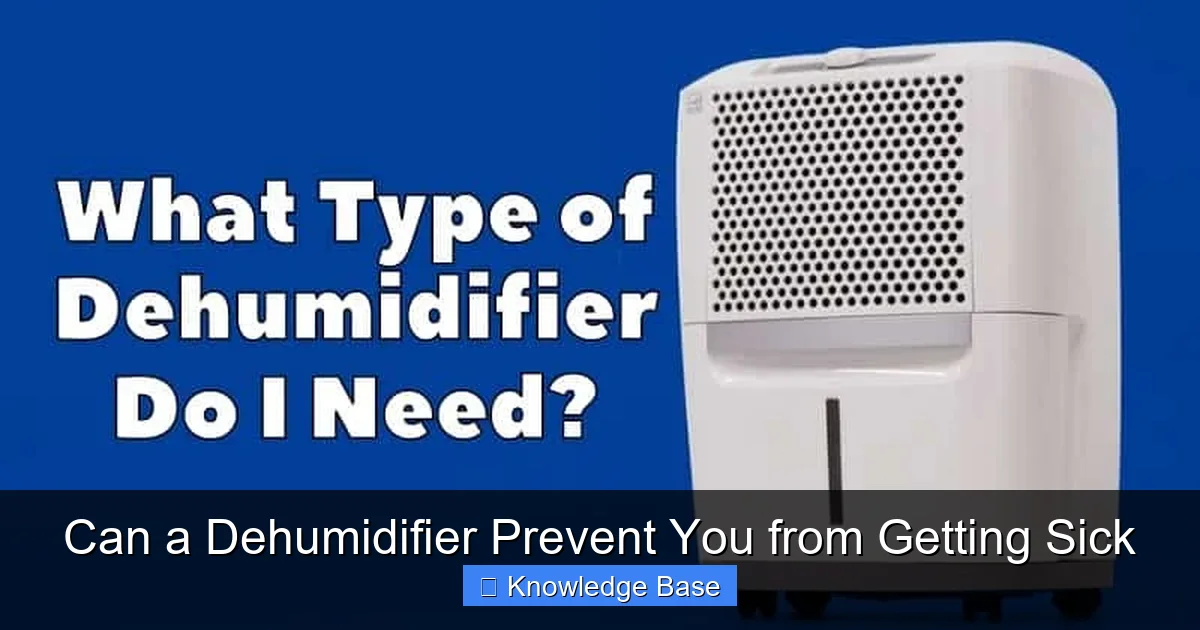
Visual guide about Can a Dehumidifier Prevent You from Getting Sick
Image source: hvac-boss.com
To understand how a dehumidifier can help prevent illness, it’s important to first grasp the connection between indoor humidity and health. Humidity refers to the amount of moisture in the air. While some moisture is necessary for comfort and respiratory health, too much—or too little—can create problems.
The ideal indoor humidity level is generally between 30% and 50%. This range keeps your air comfortable, protects your furniture and walls, and supports your body’s natural defenses. But when humidity climbs above 60%, it becomes a breeding ground for mold, dust mites, and bacteria. These aren’t just nuisances—they’re common triggers for allergies, asthma, and respiratory infections.
For example, imagine a bathroom after a hot shower. The mirror fogs up, the walls feel damp, and if you don’t ventilate the room, you might notice a musty smell the next day. That’s mold beginning to grow. Mold spores are microscopic and easily inhaled. Once inside your lungs, they can cause coughing, wheezing, and even infections—especially in people with weakened immune systems.
Similarly, dust mites—tiny creatures that feed on dead skin cells—love humid environments. They thrive in bedding, carpets, and upholstered furniture when humidity is high. Their waste products are potent allergens that can trigger sneezing, itchy eyes, and asthma attacks. In fact, dust mite allergies are one of the most common causes of year-round allergy symptoms.
On the flip side, air that’s too dry—below 30% humidity—can also be problematic. Dry air can irritate your nasal passages and throat, making it easier for viruses to enter your body. It can also dry out your mucous membranes, which are your body’s first line of defense against pathogens. When these membranes are compromised, you’re more susceptible to colds, flu, and other respiratory infections.
This is where a dehumidifier comes in. By maintaining a balanced humidity level, it helps prevent both extremes—too much moisture that breeds allergens, and too little that dries out your airways. In doing so, it creates a healthier indoor environment that supports your overall well-being.
The Science Behind Dehumidifiers and Illness Prevention
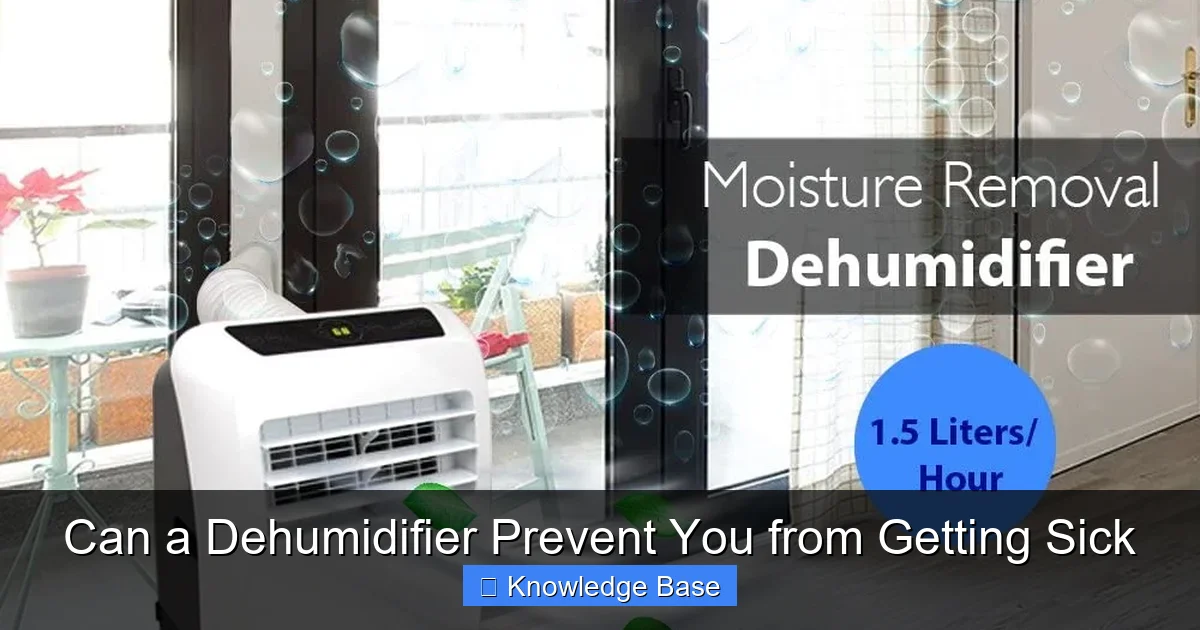
Visual guide about Can a Dehumidifier Prevent You from Getting Sick
Image source: smartvacguide.com
Now that we understand the link between humidity and health, let’s dive into the science of how dehumidifiers might help prevent illness. While no appliance can guarantee you’ll never get sick, research shows that controlling indoor humidity can significantly reduce your risk of certain health problems.
One of the most compelling areas of study is the effect of humidity on viruses. Influenza, the virus responsible for the flu, is known to spread more easily in cold, dry air. But interestingly, studies have found that moderate humidity—around 40–60%—can reduce the survival and transmission of certain viruses. A 2019 study published in the journal *PLOS ONE* found that maintaining indoor humidity at 40–60% significantly reduced the viability of influenza virus particles in the air and on surfaces.
How does this work? Viruses like influenza are encased in a lipid (fatty) shell. In dry air, this shell can become brittle and break apart, but paradoxically, the virus can remain infectious for longer periods. In moderate humidity, the virus absorbs moisture, which destabilizes its structure and makes it less likely to survive. This means that in a home with balanced humidity, flu viruses may not live as long—giving your immune system a better chance to fight them off before they take hold.
Dehumidifiers also play a crucial role in reducing allergens that can weaken your immune system over time. Chronic exposure to mold, dust mites, and pet dander can lead to ongoing inflammation in your airways. This constant irritation makes it harder for your body to respond effectively to new threats, like a cold or respiratory infection. By lowering humidity and minimizing these allergens, a dehumidifier helps keep your respiratory system in better shape—ready to defend against invaders.
Additionally, high humidity can promote the growth of bacteria and other microorganisms. For example, certain types of bacteria thrive in damp environments like basements, crawl spaces, and poorly ventilated bathrooms. These bacteria can become airborne and be inhaled, potentially leading to infections. A dehumidifier helps keep these areas dry, reducing the risk of bacterial growth and airborne contamination.
It’s also worth noting that people with chronic conditions like asthma or COPD (chronic obstructive pulmonary disease) often experience worse symptoms in high-humidity environments. Excess moisture can make the air feel heavier and harder to breathe, and it can trigger bronchial spasms. By maintaining optimal humidity, a dehumidifier can help these individuals breathe more easily and reduce the frequency of flare-ups—making them less vulnerable to secondary infections.
Dehumidifiers and Common Indoor Allergens
If you or someone in your household suffers from allergies, a dehumidifier might be one of the best investments you can make. Allergies are your immune system’s overreaction to harmless substances like pollen, pet dander, or dust mites. While you can’t eliminate all allergens from your home, you can significantly reduce their presence—and a dehumidifier is a powerful tool in that effort.
Let’s start with dust mites. These microscopic creatures are present in nearly every home, but they only thrive when humidity is above 50%. They absorb moisture directly from the air, so when humidity drops, they dehydrate and die. A study by the National Institute of Environmental Health Sciences found that homes with humidity levels below 50% had significantly fewer dust mites and lower levels of allergens in bedding and carpets.
Using a dehumidifier in bedrooms and living areas can make a noticeable difference. For example, if you wake up with a stuffy nose, itchy eyes, or a scratchy throat, dust mites could be the culprit. Running a dehumidifier at night—especially during humid summer months—can reduce their population and ease your symptoms. Pair this with regular washing of bedding in hot water and using allergen-proof mattress covers, and you’ll create a much more comfortable sleeping environment.
Mold is another major allergen that dehumidifiers help control. Mold spores are everywhere—outdoors and indoors—but they only grow when there’s enough moisture. Leaky pipes, damp basements, and poorly ventilated bathrooms are common hotspots. Once mold takes hold, it releases spores into the air that can trigger allergic reactions, asthma attacks, and even infections in sensitive individuals.
A dehumidifier won’t fix a water leak, but it can prevent mold from spreading. By keeping the air dry, it makes it much harder for mold to grow on walls, ceilings, and hidden surfaces. This is especially important in basements and crawl spaces, where moisture tends to accumulate. If you’ve ever noticed a musty smell in your basement, that’s a sign of mold growth—and a dehumidifier can help eliminate both the smell and the source.
Pet dander is another allergen that can be indirectly controlled with a dehumidifier. While pets themselves aren’t affected by humidity, the environment they live in is. High humidity can cause dander (tiny flakes of skin) to stick to surfaces and become airborne more easily. It can also promote the growth of mold and dust mites, which can worsen allergic reactions to pet allergens. By keeping humidity in check, you create a cleaner, less allergenic environment for both you and your furry friends.
Finally, consider the role of humidity in indoor air quality overall. High humidity can cause volatile organic compounds (VOCs) from cleaning products, paints, and furniture to off-gas more readily. These chemicals can irritate your eyes, nose, and throat, and may contribute to headaches and fatigue. A dehumidifier helps stabilize the indoor environment, reducing the release of these compounds and improving the air you breathe.
Choosing and Using a Dehumidifier for Health Benefits
Not all dehumidifiers are created equal, and using one incorrectly can actually do more harm than good. To get the health benefits, it’s important to choose the right unit and use it properly.
First, consider the size of the space you want to dehumidify. Dehumidifiers are rated by how many pints of moisture they can remove in 24 hours. A small 30-pint unit might be perfect for a bedroom or bathroom, while a larger 70-pint model is better for a basement or whole house. If you choose a unit that’s too small, it won’t be effective. If it’s too large, it may cycle on and off too frequently, wasting energy and potentially over-drying the air.
Look for models with a built-in humidistat, which allows you to set your desired humidity level. This is crucial because you don’t want to drop below 30%, as overly dry air can irritate your respiratory system. Aim to keep the humidity between 30% and 50%, depending on the season and outdoor conditions.
Placement matters too. Put the dehumidifier in the area with the highest moisture—usually the basement, laundry room, or bathroom. Make sure there’s at least 6–12 inches of clearance around the unit for proper airflow. Avoid placing it near walls or furniture that could block the intake or exhaust vents.
Regular maintenance is essential. Empty the water tank frequently, or use a model with a continuous drainage option. Clean the filter every few weeks to prevent mold and bacteria from growing inside the unit. A dirty filter not only reduces efficiency but can also release contaminants back into the air.
Also, don’t run the dehumidifier 24/7 unless necessary. Use a timer or smart features to run it during the most humid parts of the day, like after showers or during rainy weather. This saves energy and prevents over-drying.
Finally, combine your dehumidifier with other healthy habits. Use exhaust fans in bathrooms and kitchens, fix leaks promptly, and keep your home well-ventilated. These steps work together to create a dry, clean, and healthy indoor environment.
Limitations and Misconceptions
While dehumidifiers offer real health benefits, it’s important to understand their limitations. They are not a cure-all, and they won’t prevent every illness. For example, they can’t stop person-to-person transmission of viruses like COVID-19 or the common cold. Good hygiene, vaccination, and avoiding sick individuals are still the most effective ways to prevent infectious diseases.
Also, dehumidifiers are not a substitute for proper ventilation. In some cases, overly aggressive dehumidification can trap pollutants indoors if there’s no fresh air exchange. This is especially true in tightly sealed, energy-efficient homes. To avoid this, consider using an energy recovery ventilator (ERV) or opening windows when outdoor humidity is low.
Another misconception is that dehumidifiers clean the air. While they reduce moisture and some allergens, they don’t filter out particles like HEPA air purifiers do. For the best results, use a dehumidifier alongside an air purifier, especially if you have allergies or asthma.
Lastly, don’t expect instant results. It can take days or even weeks of consistent use to see a noticeable improvement in air quality and health symptoms. Be patient and monitor your home’s humidity with a hygrometer to ensure you’re maintaining the right level.
Conclusion: A Healthier Home Starts with Balanced Humidity
So, can a dehumidifier prevent you from getting sick? While it won’t stop every virus or infection, it can significantly reduce your risk by creating a healthier indoor environment. By controlling humidity, you inhibit the growth of mold, dust mites, and bacteria—common triggers for allergies and respiratory issues. You also create conditions that make it harder for certain viruses to survive and spread.
Think of a dehumidifier as part of a broader strategy for wellness. It works best when combined with good hygiene, proper ventilation, regular cleaning, and a healthy lifestyle. It’s not a magic bullet, but it’s a powerful tool that supports your body’s natural defenses.
If you live in a humid climate, suffer from allergies, or have a family member with asthma, a dehumidifier is worth considering. Choose the right size, use it correctly, and maintain it regularly. Over time, you may notice fewer sniffles, better sleep, and fewer trips to the doctor.
In the end, preventing illness isn’t just about avoiding germs—it’s about creating a home that supports your health every day. And sometimes, that starts with the air you breathe.
Frequently Asked Questions
How does a dehumidifier help with allergies?
A dehumidifier reduces indoor humidity, which inhibits the growth of dust mites and mold—two major allergens. By keeping humidity below 50%, it creates an environment where these allergens can’t thrive.
Can a dehumidifier prevent mold growth?
Yes, by removing excess moisture from the air, a dehumidifier makes it much harder for mold to grow on walls, ceilings, and hidden surfaces, especially in basements and bathrooms.
Do dehumidifiers kill viruses?
Dehumidifiers don’t kill viruses directly, but maintaining 40–60% humidity can reduce the survival time of some viruses, like influenza, in the air and on surfaces.
Is it safe to sleep with a dehumidifier on?
Yes, it’s safe to sleep with a dehumidifier on, especially if it has a quiet operation mode. Just ensure the humidity level doesn’t drop below 30% to avoid dry air irritation.
How often should I clean my dehumidifier?
Clean the water tank weekly and the air filter every 2–4 weeks to prevent mold and bacteria buildup inside the unit, which could reduce efficiency and air quality.
Can a dehumidifier replace an air purifier?
No, a dehumidifier controls moisture but doesn’t filter airborne particles. For best results, use both a dehumidifier and an air purifier, especially if you have allergies or asthma.