
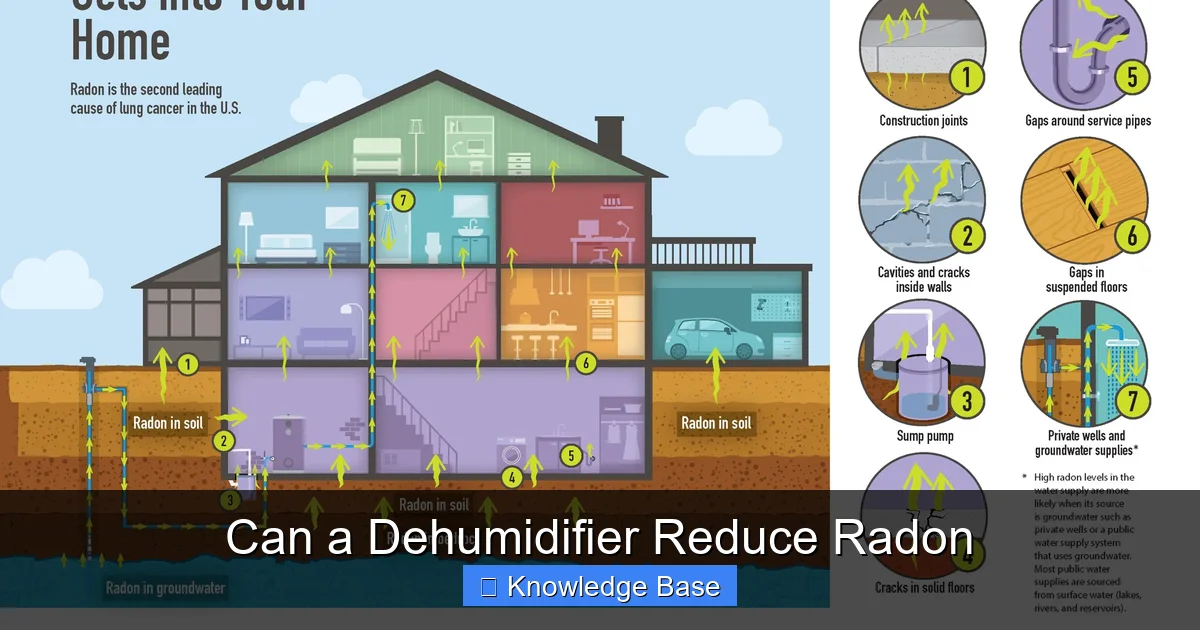
While a dehumidifier can improve indoor air quality and reduce moisture, it does not directly reduce radon gas levels. Radon enters homes through soil and foundation cracks, requiring specialized mitigation systems like sub-slab depressurization. However, lowering humidity may indirectly support radon control by improving ventilation and system efficiency.
Key Takeaways
- Dehumidifiers do not remove radon gas: They reduce moisture but cannot capture or neutralize radioactive radon particles.
- Radon enters through the ground: It seeps into homes via cracks in foundations, crawl spaces, and gaps around pipes.
- High humidity can worsen indoor air quality: While not directly linked to radon, damp environments may increase the perception of poor air and encourage other pollutants.
- Effective radon mitigation requires specialized systems: Sub-slab depressurization, sealing cracks, and active soil depressurization are proven methods.
- Dehumidifiers support overall air quality: By reducing mold and dust mites, they create a healthier living space, complementing radon reduction efforts.
- Testing is essential: Every home should be tested for radon, regardless of location or humidity levels.
- Combination approaches work best: Pairing dehumidification with proper ventilation and radon mitigation systems offers the safest indoor environment.
Quick Answers to Common Questions
Can a dehumidifier reduce radon levels in my basement?
No, a dehumidifier cannot reduce radon levels. It removes moisture from the air but does not capture or eliminate radioactive radon gas.
What is the most effective way to reduce radon?
The most effective method is sub-slab depressurization, which uses a fan and pipe system to draw radon from beneath the home and vent it safely outside.
Should I use a dehumidifier if I have radon?
Yes, but not to reduce radon. A dehumidifier improves air quality by reducing mold and moisture, which supports overall health and can enhance the performance of radon mitigation systems.
How often should I test for radon?
Test every 2–5 years, or after major home renovations. Short-term tests are good for initial screening, but long-term tests provide more accurate averages.
Is radon only a problem in certain areas?
No. Radon can be found in homes across the U.S. and worldwide. Every home should be tested, regardless of location or age.
📑 Table of Contents
- Can a Dehumidifier Reduce Radon? The Truth Behind the Myth
- What Is Radon and Why Is It Dangerous?
- How Dehumidifiers Work and Their Role in Air Quality
- Proven Methods to Reduce Radon Levels
- The Importance of Radon Testing
- Combining Dehumidification with Radon Mitigation
- Conclusion: Dehumidifiers Support, But Don’t Replace, Radon Mitigation
Can a Dehumidifier Reduce Radon? The Truth Behind the Myth
If you’ve ever searched for ways to improve your home’s air quality, you’ve probably come across dehumidifiers. These handy appliances are praised for reducing musty odors, preventing mold growth, and making your basement feel fresher. But what about radon? This invisible, odorless gas is a serious health concern, and many homeowners wonder: can a dehumidifier reduce radon?
The short answer is no—dehumidifiers do not reduce radon levels. While they play an important role in maintaining a healthy indoor environment, they are not designed to capture or eliminate radon gas. Radon is a radioactive noble gas that forms naturally from the decay of uranium in soil and rock. It enters homes through tiny cracks in foundations, gaps around pipes, and other openings. Once inside, it can accumulate to dangerous levels, especially in basements and lower levels.
But that doesn’t mean dehumidifiers are useless in the fight against radon. In fact, they can support broader indoor air quality improvements that make radon mitigation more effective. Understanding the relationship between humidity, ventilation, and radon is key to creating a truly safe home.
In this article, we’ll explore how radon enters your home, why dehumidifiers aren’t a solution on their own, and what steps you can take to protect your family. We’ll also look at how reducing moisture can indirectly help with radon control and why a multi-layered approach is your best bet for clean, safe air.
What Is Radon and Why Is It Dangerous?
Visual guide about Can a Dehumidifier Reduce Radon
Image source: ised-isde.canada.ca
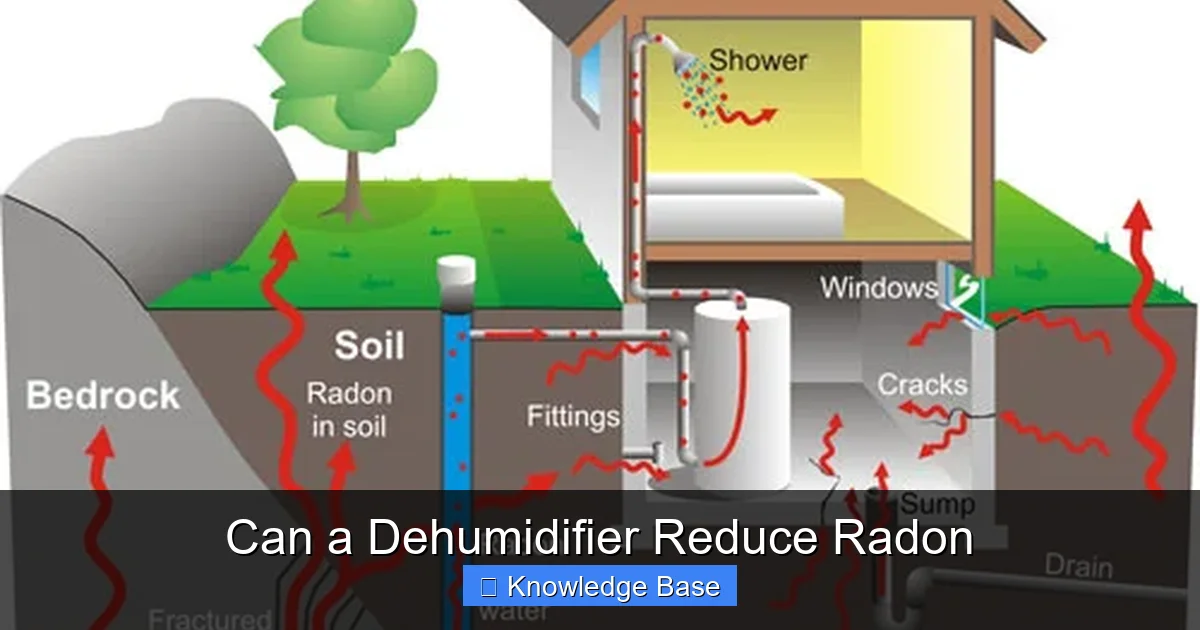
Radon is a naturally occurring radioactive gas that results from the breakdown of uranium in soil, rock, and water. It’s invisible, odorless, and tasteless—so you can’t detect it without testing. According to the Environmental Protection Agency (EPA), radon is the second leading cause of lung cancer in the United States, responsible for about 21,000 deaths each year. Only smoking causes more lung cancer cases.
When radon is released from the ground, it typically disperses harmlessly into the open air. But when it seeps into enclosed spaces like homes, schools, or offices, it can build up to high concentrations. The risk increases in areas with poor ventilation, such as basements, crawl spaces, and tightly sealed modern homes.
Once inhaled, radon decay products (tiny radioactive particles) can get trapped in your lungs. As they break down further, they release small bursts of energy that can damage lung tissue. Over time, this damage increases the risk of lung cancer—even in non-smokers.
How Radon Enters Your Home
Radon typically enters a home through the following pathways:
- Foundation cracks: Even hairline fractures in concrete slabs or basement walls can allow radon to seep in.
- Gaps around pipes and utility lines: Openings where plumbing or electrical lines enter the home provide easy access.
- Crawl spaces: Unventilated or poorly sealed crawl spaces can trap radon beneath the home.
- Well water: In some areas, radon can dissolve in groundwater and be released into the air when water is used for showering or washing.
- Porous building materials: Concrete blocks, bricks, and other materials may contain trace amounts of uranium and emit radon over time.
Because radon is heavier than air, it tends to accumulate in the lowest parts of a home—usually the basement or first floor. This is why testing these areas is especially important.
Health Risks of Long-Term Exposure
The danger of radon lies in its cumulative effect. Short-term exposure isn’t likely to cause immediate symptoms, but long-term exposure significantly increases cancer risk. The EPA recommends taking action if radon levels exceed 4 picocuries per liter (pCi/L). However, there’s no known safe level of radon—any exposure carries some risk.
Smokers are at especially high risk. The combination of smoking and radon exposure multiplies the chances of developing lung cancer. For example, a smoker exposed to high radon levels has a risk similar to smoking two packs of cigarettes a day.
Children may also be more vulnerable due to their faster breathing rates and developing lungs. While radon-induced lung cancer takes years to develop, the damage begins with every breath.
How Dehumidifiers Work and Their Role in Air Quality
Visual guide about Can a Dehumidifier Reduce Radon
Image source: publichealth.com.ng
Dehumidifiers are appliances designed to reduce excess moisture in the air. They work by drawing in humid air, cooling it to condense the moisture, and then reheating the air before releasing it back into the room. The collected water is either drained away or stored in a tank.
There are two main types of dehumidifiers:
- Refrigerant (compressor) dehumidifiers: Most common in homes, these use a cold coil to condense moisture. They work best in warm, humid environments.
- Desiccant dehumidifiers: These use a moisture-absorbing material (like silica gel) and are better suited for cooler temperatures, such as in basements.
By lowering indoor humidity—ideally to between 30% and 50%—dehumidifiers help prevent mold, mildew, dust mites, and musty odors. They can also improve comfort, reduce allergens, and protect furniture and electronics from moisture damage.
Do Dehumidifiers Remove Radon?
Despite their air-cleaning benefits, dehumidifiers do not remove radon. Here’s why:
- Radon is a gas: Unlike dust, mold spores, or allergens, radon is a noble gas that doesn’t stick to surfaces or get trapped by filters.
- No filtration mechanism: Most dehumidifiers don’t include air filtration systems capable of capturing radioactive particles.
- Radon enters from below: Since radon comes up from the ground, simply drying the air won’t stop its entry or accumulation.
In fact, some studies suggest that very dry air might even increase radon levels slightly by creating a greater pressure difference between the soil and the home. This can draw more radon indoors. However, this effect is minimal and doesn’t outweigh the benefits of proper humidity control.
Indirect Benefits of Using a Dehumidifier
While dehumidifiers don’t reduce radon directly, they can support a healthier indoor environment in ways that complement radon mitigation:
- Improved ventilation: Lower humidity makes it easier to ventilate basements and crawl spaces, which can help dilute radon.
- Reduced mold and allergens: A drier environment discourages mold growth, which can improve overall respiratory health and make air quality issues more noticeable.
- Enhanced system efficiency: Radon mitigation systems, like sub-slab depressurization, work more effectively in dry conditions. Moisture can interfere with fan performance and airflow.
- Greater comfort and awareness: A comfortable, dry basement is more likely to be used and monitored, increasing the chances of detecting air quality problems early.
Think of a dehumidifier as part of a team. It doesn’t tackle radon head-on, but it creates conditions where other solutions can work better.
Proven Methods to Reduce Radon Levels
If dehumidifiers aren’t the answer, what is? The good news is that radon can be effectively reduced—and in most cases, eliminated—using proven mitigation techniques. The key is to stop radon at its source: the soil beneath your home.
Sub-Slab Depressurization (SSD)
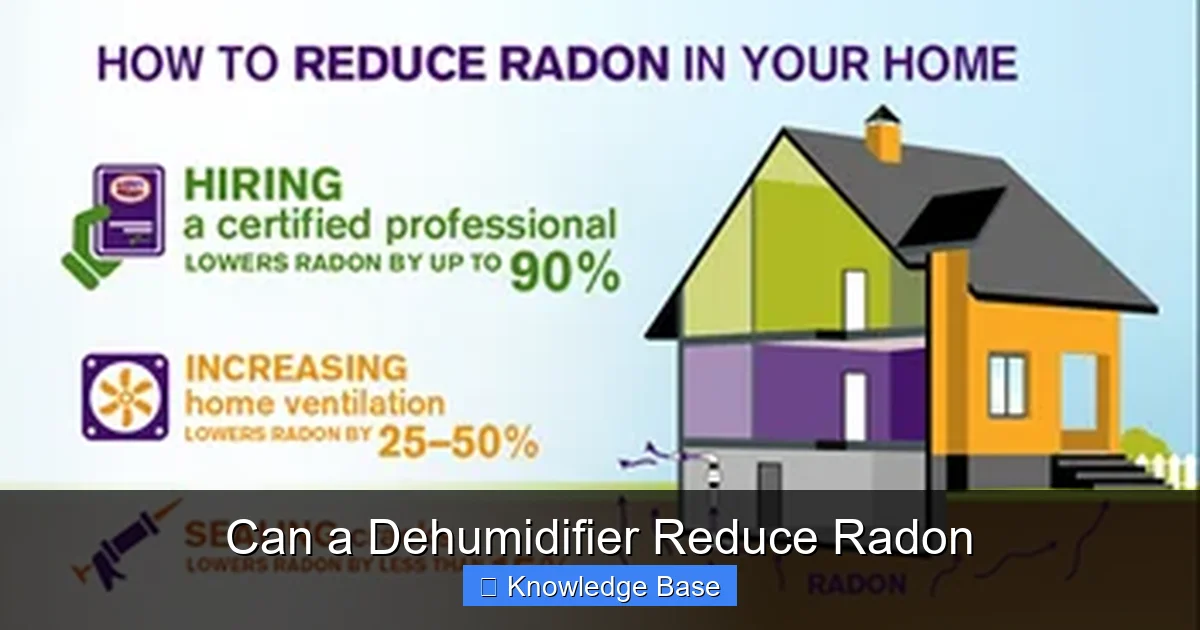
This is the most common and effective radon mitigation method. It involves installing a pipe through the foundation slab into the soil below. A fan is attached to the pipe, creating negative pressure that draws radon out from under the house and vents it safely above the roofline.
- How it works: The fan pulls radon-laden air from beneath the slab before it can enter the home.
- Effectiveness: Can reduce radon levels by up to 99%.
- Installation: Typically done by a certified radon mitigation professional.
- Cost: Usually ranges from $800 to $2,500, depending on home size and complexity.
This system works best in homes with basements or slab-on-grade foundations. It’s quiet, energy-efficient, and requires minimal maintenance.
Sealing Cracks and Openings
While sealing alone won’t eliminate radon, it’s an important supporting step. Caulking cracks in floors and walls, sealing gaps around pipes, and installing tight-fitting doors in crawl spaces can reduce radon entry points.
- Best for: Small cracks and minor gaps.
- Limitations: Soil gas can still find other pathways, so sealing should be combined with active mitigation.
- DIY-friendly: Homeowners can tackle minor sealing with epoxy or polyurethane sealants.
Sealing is most effective when done as part of a comprehensive plan, not as a standalone solution.
Heat Recovery Ventilators (HRVs) and Energy Recovery Ventilators (ERVs)
These systems improve indoor air quality by exchanging stale indoor air with fresh outdoor air while recovering heat or energy. They can help dilute radon concentrations, especially in tightly sealed homes.
- How they help: Increase ventilation, reducing the buildup of indoor pollutants.
- Best use: In homes with moderate radon levels or as a supplement to other systems.
- Considerations: May increase heating and cooling costs if not properly balanced.
HRVs and ERVs are not a replacement for radon-specific mitigation but can be a valuable addition.
Crawl Space Encapsulation
For homes with crawl spaces, encapsulation involves covering the ground with a thick vapor barrier and sealing the space. This prevents soil gases—including radon—from entering the home.
- Includes: Vapor barrier, dehumidifier (if needed), and sealing of vents and walls.
- Benefits: Reduces moisture, radon, and pests.
- Effectiveness: Can significantly lower radon when combined with ventilation or depressurization.
Encapsulation is especially effective in humid climates or homes with dirt crawl spaces.
The Importance of Radon Testing
Before you invest in any mitigation system, you need to know your radon levels. Testing is simple, affordable, and the only way to be sure.
Short-Term vs. Long-Term Tests
- Short-term tests: Last 2 to 90 days and use charcoal canisters, alpha track detectors, or electronic monitors. They’re quick and inexpensive (often under $25).
- Long-term tests: Last more than 90 days and provide a more accurate average radon level, accounting for seasonal changes.
The EPA recommends starting with a short-term test. If results are above 4 pCi/L, follow up with a long-term test or hire a professional for confirmation.
Where and How to Test
- Test in the lowest lived-in level: Basement, first floor, or crawl space.
- Follow instructions carefully: Keep windows and doors closed (except normal entry/exit) during the test.
- Use certified labs: Purchase test kits from state radon programs or reputable online retailers.
Many local health departments offer free or discounted test kits. Testing should be done every 2–5 years, or after major home renovations.
Professional Testing and Mitigation
For the most accurate results, consider hiring a certified radon measurement professional. They use calibrated equipment and can interpret results in the context of your home’s construction and location.
If mitigation is needed, always use a certified radon mitigation contractor. Look for credentials from the National Radon Proficiency Program (NRPP) or the National Radon Safety Board (NRSB).
Combining Dehumidification with Radon Mitigation
So, where does the dehumidifier fit in? While it won’t reduce radon on its own, it can play a supportive role in a comprehensive air quality strategy.
Imagine this scenario: You’ve installed a sub-slab depressurization system to pull radon from beneath your basement. But your basement is still damp, with visible mold and a musty smell. The moisture could be reducing the efficiency of your mitigation fan, and the mold is adding to your family’s respiratory risks.
By adding a dehumidifier, you:
- Reduce moisture that could interfere with the radon system’s airflow.
- Prevent mold growth that worsens indoor air quality.
- Make the basement more usable and comfortable.
- Improve the overall effectiveness of your home’s ventilation.
In crawl spaces, a dehumidifier is often part of the encapsulation process. It keeps the space dry, which helps maintain the integrity of the vapor barrier and reduces the chance of radon re-entering through damp soil.
Practical Tips for Homeowners
- Test first: Don’t assume your home is safe. Test for radon regardless of where you live.
- Control humidity: Use a dehumidifier to keep indoor humidity between 30% and 50%.
- Seal entry points: Caulk cracks and gaps, especially in basements and crawl spaces.
- Install a mitigation system: If levels are high, hire a professional for sub-slab depressurization or another proven method.
- Maintain your systems: Check dehumidifier filters and radon fans regularly.
- Retest after mitigation: Confirm that radon levels have dropped to safe levels.
Remember, radon is a silent threat—but it’s also manageable. With the right tools and knowledge, you can protect your home and your health.
Conclusion: Dehumidifiers Support, But Don’t Replace, Radon Mitigation
To answer the original question: Can a dehumidifier reduce radon? The answer is no—not directly. Dehumidifiers remove moisture from the air, not radioactive gas. Radon requires specialized mitigation systems that address its source in the soil beneath your home.
However, dehumidifiers are valuable allies in the broader effort to improve indoor air quality. By reducing humidity, they help prevent mold, support ventilation, and create conditions where radon mitigation systems work more efficiently. They also make your home more comfortable and healthier overall.
The best approach is a layered one: test for radon, control moisture, seal entry points, and install a proven mitigation system if needed. Think of your dehumidifier as part of a team—supporting the star player (the radon mitigation system) to deliver a winning performance.
Your home should be a safe haven, not a source of hidden danger. With awareness, testing, and the right tools, you can breathe easier knowing your air is clean and your family is protected.
Frequently Asked Questions
Can opening windows reduce radon?
Opening windows can temporarily lower radon levels by increasing ventilation, but it’s not a reliable long-term solution. Radon will return once windows are closed, and this method is inefficient in cold or hot weather.
Do air purifiers remove radon?
Most air purifiers do not remove radon gas. While some high-end models with activated carbon filters may capture radon decay products, they are not a substitute for proper radon mitigation systems.
Can radon come from water?
Yes, radon can dissolve in groundwater and be released into the air when water is used for showering, washing, or cooking. However, this is usually a minor source compared to soil gas entry.
Is radon worse in winter?
Radon levels can be higher in winter because homes are typically sealed tightly, reducing ventilation. Additionally, the stack effect (warm air rising) can draw more soil gas into the home.
Can I install a radon mitigation system myself?
While some homeowners attempt DIY radon mitigation, it’s strongly recommended to hire a certified professional. Proper design, installation, and testing are critical for effectiveness and safety.
Does a basement dehumidifier help with radon?
A basement dehumidifier does not reduce radon, but it can improve air quality by reducing moisture and mold. This creates a healthier environment and may support the performance of radon mitigation systems.