
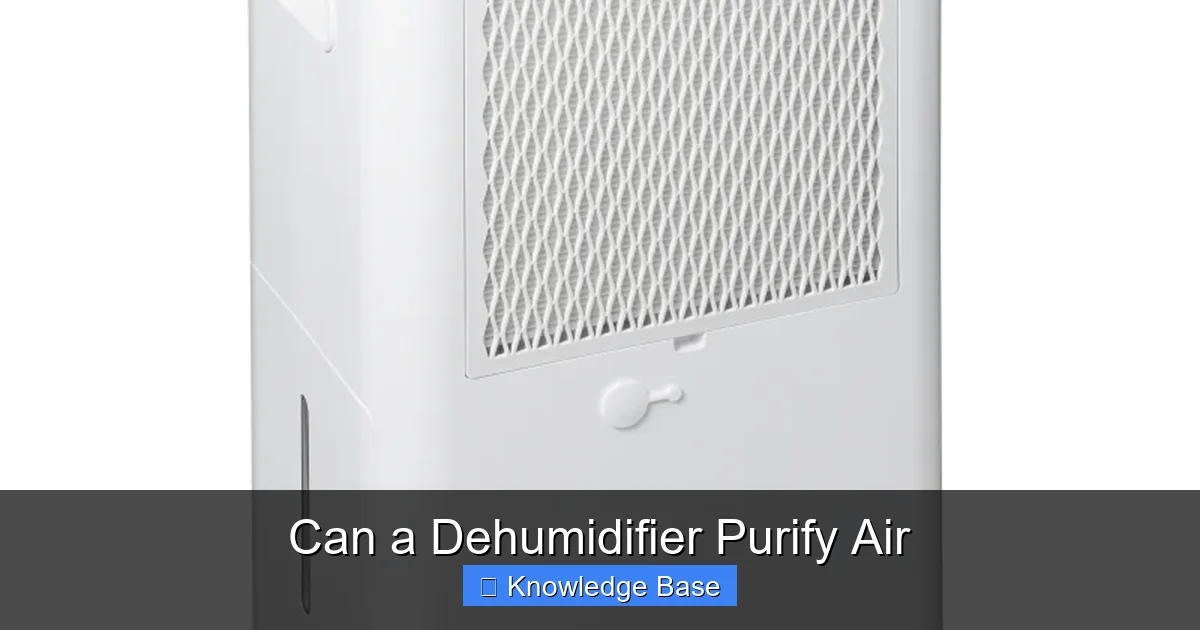
While a dehumidifier doesn’t purify air in the traditional sense, it significantly improves indoor air quality by reducing moisture, inhibiting mold, dust mites, and mildew. This creates a healthier environment, especially for allergy and asthma sufferers, but it should be paired with an air purifier for full air cleaning.
Key Takeaways
- Dehumidifiers reduce humidity: They pull excess moisture from the air, making your home less hospitable to mold, dust mites, and mildew.
- They don’t filter particles: Unlike air purifiers, dehumidifiers don’t trap dust, pollen, or pet dander using HEPA filters.
- Improve air quality indirectly: By lowering humidity, they reduce allergens and odors, making the air feel fresher and easier to breathe.
- Best for damp spaces: Ideal for basements, bathrooms, and laundry rooms where moisture builds up.
- Complement air purifiers: Use a dehumidifier with an air purifier for the cleanest, healthiest indoor air.
- Energy-efficient models available: Look for ENERGY STAR-certified units to save on electricity while improving comfort.
- Regular maintenance is key: Clean filters and empty water tanks often to prevent bacterial growth and ensure optimal performance.
Quick Answers to Common Questions
Can a dehumidifier remove allergens from the air?
Not directly. A dehumidifier doesn’t filter allergens like pollen or pet dander, but it reduces humidity, which helps control mold and dust mites—common allergen sources.
Do dehumidifiers help with asthma?
Yes. By lowering humidity and reducing mold and dust mites, dehumidifiers can ease asthma symptoms and make breathing easier.
Can I use a dehumidifier in winter?
Yes, especially in basements or unheated areas. Desiccant models work better in cold temperatures than refrigerant types.
How often should I clean my dehumidifier?
Clean the filter monthly and wipe down the unit regularly. Empty the water tank daily or use a drain hose for continuous operation.
Is a dehumidifier the same as an air purifier?
No. Air purifiers filter particles; dehumidifiers remove moisture. They serve different but complementary purposes.
📑 Table of Contents
- Can a Dehumidifier Purify Air? Understanding the Real Impact on Indoor Air Quality
- How Dehumidifiers Work: The Science Behind Moisture Control
- The Link Between Humidity and Air Quality: Why Moisture Matters
- Dehumidifiers vs. Air Purifiers: What’s the Difference?
- Health Benefits of Using a Dehumidifier
- Common Misconceptions About Dehumidifiers
- Tips for Maximizing Your Dehumidifier’s Effectiveness
- Conclusion: Can a Dehumidifier Purify Air?
Can a Dehumidifier Purify Air? Understanding the Real Impact on Indoor Air Quality
If you’ve ever walked into a damp basement and noticed that musty smell, or felt your allergies flare up in humid weather, you’ve experienced how moisture affects indoor air. You might be wondering: can a dehumidifier purify air? After all, it’s often grouped with air purifiers in home improvement stores, and both claim to improve air quality.
The short answer? Not exactly. A dehumidifier doesn’t purify air the way an air purifier does—by filtering out particles like dust, pollen, or smoke. Instead, it works behind the scenes to create a healthier environment by controlling humidity. Think of it as a moisture manager rather than an air cleaner. But don’t underestimate its power. By reducing excess moisture, a dehumidifier makes your home less inviting to mold, mildew, dust mites, and other allergens that thrive in damp conditions.
So while it doesn’t “purify” air in the traditional sense, a dehumidifier plays a crucial role in improving indoor air quality. It’s like setting the stage for cleaner, fresher air by removing the conditions that allow pollutants to grow and spread. For people with asthma, allergies, or respiratory sensitivities, this can make a noticeable difference in daily comfort and health.
How Dehumidifiers Work: The Science Behind Moisture Control
Visual guide about Can a Dehumidifier Purify Air
Image source: housefresh.com
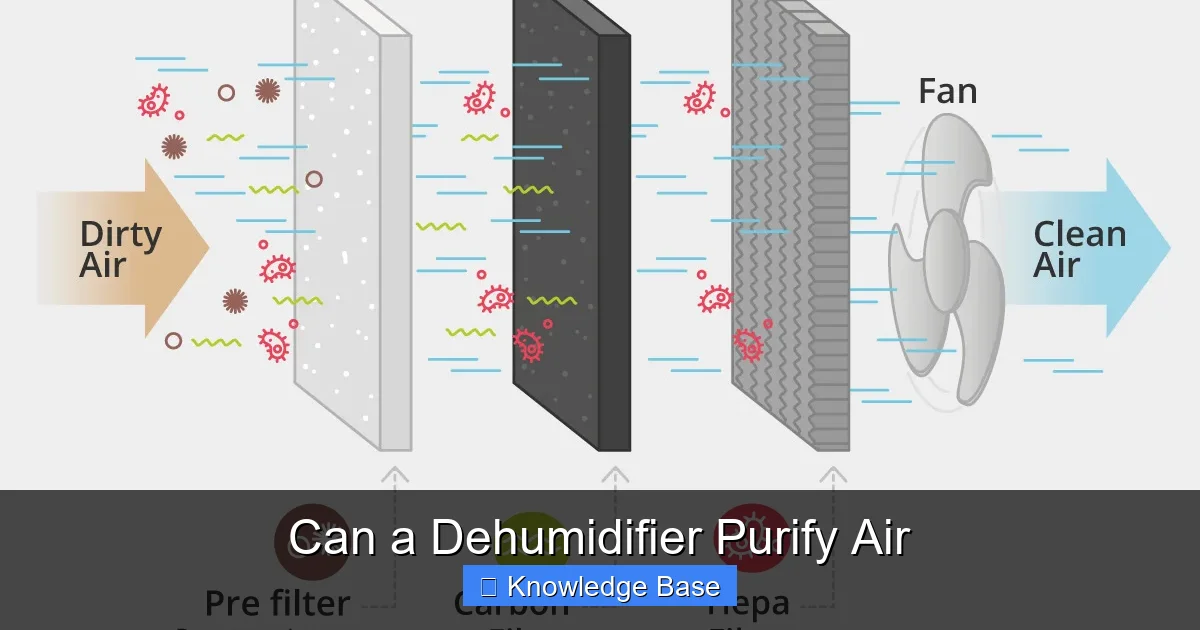
To understand whether a dehumidifier can purify air, it helps to know how these devices actually function. Most home dehumidifiers use a refrigeration-based system, similar to an air conditioner. Here’s a simple breakdown of the process:
Warm, humid air is drawn into the unit through a fan. As the air passes over cold coils inside the dehumidifier, the moisture in the air condenses into water droplets—just like how water forms on the outside of a cold drink on a hot day. This collected water drips into a built-in tank or can be drained directly through a hose. The now-drier air is then reheated slightly and blown back into the room.
This cycle repeats continuously, gradually lowering the relative humidity in the space. Most experts recommend keeping indoor humidity between 30% and 50%. Anything above 60% creates a breeding ground for mold and dust mites, while levels below 30% can dry out your skin and respiratory passages.
Some dehumidifiers also include basic air filters—usually made of foam or mesh—to catch large particles like pet hair or lint. However, these filters are not designed to capture fine particles like pollen or smoke. That’s where air purifiers come in. So while a dehumidifier improves air quality by removing moisture, it doesn’t actively clean the air of microscopic contaminants.
Types of Dehumidifiers: Which One Is Right for You?
Not all dehumidifiers are created equal. The type you choose depends on your climate, room size, and specific needs. Here are the most common types:
Refrigerant dehumidifiers are the most popular for home use. They work best in warm, humid environments—typically above 65°F (18°C). They’re effective and affordable but can struggle in cooler spaces like unheated basements.
Desiccant dehumidifiers use a moisture-absorbing material (like silica gel) to pull water from the air. They perform better in colder temperatures and are often quieter, making them ideal for bedrooms or garages. However, they tend to use more energy and may require periodic reactivation of the desiccant material.
Whole-house dehumidifiers are built into your HVAC system and can manage humidity throughout your entire home. These are more expensive but offer consistent control and are great for large homes or areas with chronic moisture problems.
Portable dehumidifiers are compact and easy to move from room to room. They’re perfect for targeted use in damp areas like bathrooms or laundry rooms. Just remember to empty the water tank regularly to avoid overflow.
When shopping, look for models with built-in humidistats, which automatically adjust operation based on the current humidity level. This helps maintain optimal conditions without constant monitoring.
The Link Between Humidity and Air Quality: Why Moisture Matters
Visual guide about Can a Dehumidifier Purify Air
Image source: cdn.globalso.com
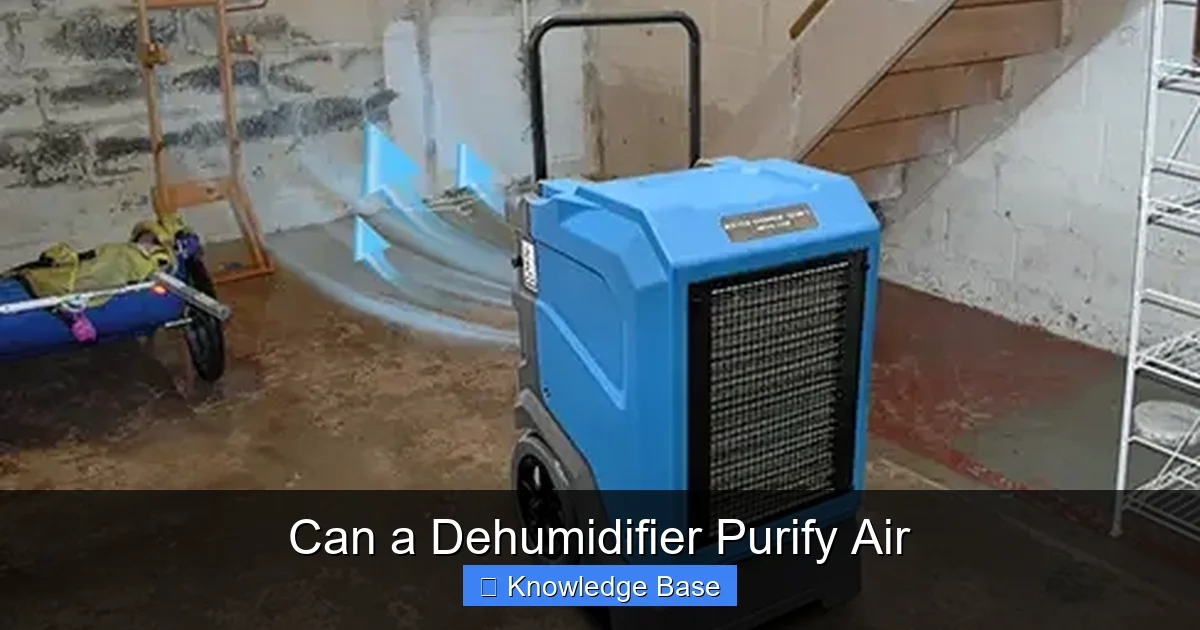
You might be thinking, “So what if the air is a little humid?” But excess moisture does more than make you feel sticky—it directly impacts the quality of the air you breathe. High humidity creates the perfect environment for biological pollutants to grow and multiply.
Mold and mildew thrive in damp, poorly ventilated spaces. These fungi release spores into the air, which can trigger allergic reactions, asthma attacks, and respiratory infections. Even if you can’t see mold, it might be hiding behind walls, under carpets, or in air ducts.
Dust mites are another major concern. These microscopic creatures feed on dead skin cells and love humid environments. They don’t bite or sting, but their waste products are potent allergens. According to the American Lung Association, dust mites are one of the most common triggers for year-round allergies and asthma.
Bacteria and viruses also spread more easily in humid air. While a dehumidifier won’t kill germs, reducing moisture can slow their growth and make it harder for them to survive. This is especially important in homes with children, elderly individuals, or anyone with a weakened immune system.
Even odors are affected by humidity. That “stale” or “musty” smell in basements or closets? It’s often caused by mold or mildew growing in hidden, damp areas. By lowering humidity, a dehumidifier helps eliminate these odors at the source, rather than just masking them with air fresheners.
Real-World Example: A Basement Makeover
Imagine a homeowner named Maria who noticed a persistent damp smell in her basement. Her son, who has asthma, would cough more when playing down there. She tried air fresheners and opening windows, but the problem persisted.
After consulting an HVAC specialist, Maria learned that her basement’s humidity was consistently above 70%. She invested in a 50-pint refrigerant dehumidifier and placed it in the center of the room. Within a week, the musty odor began to fade. Her son’s coughing improved, and she even noticed fewer cobwebs and less condensation on the walls.
Maria didn’t just get rid of the smell—she created a healthier environment. The dehumidifier didn’t “purify” the air by filtering out particles, but it removed the conditions that allowed mold and dust mites to thrive. For Maria, that was a game-changer.
Dehumidifiers vs. Air Purifiers: What’s the Difference?
This is where confusion often arises. Both dehumidifiers and air purifiers are sold as tools to improve indoor air quality, but they tackle different problems.
An air purifier uses filters—like HEPA, activated carbon, or UV light—to capture or neutralize airborne contaminants. HEPA filters, for example, can trap 99.97% of particles as small as 0.3 microns, including pollen, pet dander, smoke, and bacteria. Some models even include ionizers or UV-C lights to kill germs.
A dehumidifier, on the other hand, doesn’t filter the air. It removes moisture. Think of it this way: an air purifier cleans the air you breathe, while a dehumidifier cleans the environment the air lives in.
For example, if you have a pet that sheds, an air purifier will help reduce pet dander floating around. But if your home is humid, that dander can mix with moisture and create a breeding ground for dust mites. A dehumidifier helps prevent that secondary problem.
In short, air purifiers and dehumidifiers are complementary, not interchangeable. For the best results, many experts recommend using both—especially in homes with allergy sufferers or chronic moisture issues.
When to Use Each Device
Use an air purifier if:
– You or a family member has allergies, asthma, or respiratory issues.
– You live in an area with high pollen counts or air pollution.
– You have pets that shed or produce strong odors.
– You’re concerned about viruses or bacteria in the air.
Use a dehumidifier if:
– You notice condensation on windows or walls.
– There’s a musty smell in certain rooms.
– You see mold or mildew growing.
– Your home feels sticky or clammy, even with air conditioning.
Many people find that combining both devices gives them the cleanest, most comfortable indoor air. For instance, run an air purifier in the bedroom to reduce allergens while you sleep, and use a dehumidifier in the basement to prevent mold growth.
Health Benefits of Using a Dehumidifier
Even though a dehumidifier doesn’t purify air directly, its impact on health can be significant—especially for sensitive individuals.
One of the biggest benefits is reduced allergy symptoms. By lowering humidity, you make your home less hospitable to dust mites and mold, two of the most common indoor allergens. People often report fewer sneezing fits, itchy eyes, and nasal congestion after using a dehumidifier regularly.
Asthma sufferers also benefit. High humidity can make breathing more difficult, especially during physical activity. Damp air feels heavier and can trigger bronchial constriction. By maintaining optimal humidity, a dehumidifier helps keep airways more open and comfortable.
Improved sleep is another advantage. Many people sleep better in drier air. Excess moisture can make a room feel stuffy and uncomfortable, disrupting sleep patterns. A dehumidifier helps create a cooler, more breathable environment—ideal for restful nights.
There’s also a psychological benefit. Walking into a dry, fresh-smelling room feels cleaner and more inviting than a damp, musty one. This can reduce stress and improve overall well-being, especially in homes with chronic moisture problems.
Practical Tip: Monitor Humidity Levels
To get the most out of your dehumidifier, use a hygrometer—a small, inexpensive device that measures humidity. Place it in the room where you’re using the dehumidifier and check it daily. Aim to keep readings between 30% and 50%. If the humidity stays too high, your unit might be undersized or there could be a hidden water source, like a leak.
Common Misconceptions About Dehumidifiers
Despite their popularity, dehumidifiers are often misunderstood. Let’s clear up some common myths.
Myth 1: “A dehumidifier cleans the air like an air purifier.”
Reality: No. While it improves air quality by reducing moisture and allergens, it doesn’t filter out particles. For true air purification, you need a dedicated air purifier.
Myth 2: “Dehumidifiers are only for basements.”
Reality: While basements are common problem areas, any room with high humidity can benefit. Bathrooms, laundry rooms, kitchens, and even bedrooms in humid climates can use a dehumidifier.
Myth 3: “All dehumidifiers are loud and energy-hogging.”
Reality: Modern models are much quieter and more efficient than older versions. Look for ENERGY STAR-certified units, which use up to 40% less energy than standard models.
Myth 4: “You only need a dehumidifier in summer.”
Reality: Humidity can be a problem year-round, especially in basements or during rainy seasons. Some homes benefit from continuous use, while others may only need it during peak humidity months.
Myth 5: “A dehumidifier will solve all my air quality problems.”
Reality: It’s one piece of the puzzle. For comprehensive air quality improvement, combine it with ventilation, regular cleaning, and an air purifier.
Tips for Maximizing Your Dehumidifier’s Effectiveness
To get the best results from your dehumidifier, follow these practical tips:
1. **Choose the right size.** Dehumidifiers are rated by how many pints of water they can remove in 24 hours. A 30-pint unit is good for a small basement, while a 70-pint model suits larger or very damp spaces. Oversized units cycle on and off too quickly, while undersized ones struggle to keep up.
2. **Place it correctly.** Put the dehumidifier in the center of the room or near the source of moisture. Avoid blocking the air intake or exhaust with furniture or walls.
3. **Empty the tank regularly.** Most units have a built-in tank that needs to be emptied every 12–24 hours, depending on humidity levels. Some models have auto-shutoff when the tank is full, but it’s still good practice to check it daily.
4. **Use a drain hose for continuous operation.** If your dehumidifier has a hose hookup, connect it to a floor drain or sump pump. This eliminates the need to empty the tank and allows 24/7 operation.
5. **Clean the filter monthly.** Even basic filters collect dust and debris. Rinse them with warm water and let them dry completely before reinserting. A dirty filter reduces efficiency and can blow dust back into the room.
6. **Maintain your unit.** Wipe down the exterior, check for frost buildup on coils (a sign it’s too cold), and inspect the water tank for mold or slime. A well-maintained dehumidifier lasts longer and works better.
7. **Combine with ventilation.** Use exhaust fans in bathrooms and kitchens, and open windows when outdoor humidity is low. This reduces the workload on your dehumidifier.
Conclusion: Can a Dehumidifier Purify Air?
So, can a dehumidifier purify air? The answer is nuanced. It doesn’t purify air in the way an air purifier does—by filtering out particles—but it plays a vital role in creating a healthier indoor environment. By reducing excess moisture, it inhibits the growth of mold, mildew, and dust mites, all of which degrade air quality and trigger health issues.
For people with allergies, asthma, or respiratory conditions, a dehumidifier can make a noticeable difference in comfort and well-being. It also helps eliminate musty odors, prevents structural damage from moisture, and improves overall home comfort.
However, it’s not a standalone solution. For truly clean air, pair your dehumidifier with an air purifier, especially if you’re dealing with pet dander, pollen, or smoke. Together, they tackle both the moisture and the particles, giving you the best of both worlds.
In the end, a dehumidifier doesn’t purify air—but it purifies the conditions that allow poor air quality to thrive. And that’s a powerful step toward a healthier home.
Frequently Asked Questions
Can a dehumidifier help with odors?
Yes. By reducing mold and mildew growth, a dehumidifier eliminates the source of musty smells, making your home smell fresher.
Do dehumidifiers use a lot of electricity?
It depends on the model and usage. ENERGY STAR-certified units are more efficient and can save up to 40% on energy costs.
Can a dehumidifier prevent mold?
Yes, by keeping humidity below 60%, it creates an environment where mold is less likely to grow, especially in damp areas like basements.
Should I run my dehumidifier all the time?
Not necessarily. Use a humidistat to maintain 30–50% humidity. Run it continuously in very damp areas or seasonally in others.
Can a dehumidifier cool a room?
It may feel slightly cooler because dry air feels more comfortable, but it doesn’t lower temperature like an air conditioner.
Do dehumidifiers work in small rooms?
Yes, but choose a smaller-capacity model (like 20–30 pints) to avoid over-drying the air or short cycling.