

No, a dehumidifier does not directly shrink clothes. It removes moisture from the air, not from fabric, so your garments stay safe. However, improper use or extreme dryness can indirectly affect certain materials over time.
Key Takeaways
- Dehumidifiers don’t shrink clothes directly: They reduce humidity in the air, not moisture in fabrics, so your clothes won’t shrink from normal use.
- Shrinkage happens during washing and drying: Heat, agitation, and water exposure—common in laundry—are the real culprits behind fabric shrinkage.
- Low humidity can affect delicate fabrics: Extremely dry air may cause natural fibers like wool or cotton to become brittle, increasing the risk of damage.
- Proper storage matters more than humidity control: Storing clothes in breathable containers and avoiding damp areas prevents mildew and maintains fabric integrity.
- Use dehumidifiers for protection, not drying: These devices help prevent mold and musty odors in closets and laundry rooms, preserving your wardrobe.
- Monitor indoor humidity levels: Aim for 30–50% relative humidity to keep fabrics, wood, and electronics in good condition.
- Follow garment care labels: Always check washing and drying instructions to avoid accidental shrinkage, regardless of room humidity.
Quick Answers to Common Questions
Can a dehumidifier shrink clothes?
No, a dehumidifier does not shrink clothes. It removes moisture from the air, not from fabric, so your garments remain unaffected under normal use.
Does low humidity damage clothing?
Extremely low humidity can make natural fibers like wool and cotton brittle over time, but it doesn’t cause shrinkage. Aim for 30–50% humidity to protect fabrics.
Should I use a dehumidifier in my closet?
It’s not usually necessary. Instead, use moisture absorbers like silica gel or cedar blocks to prevent mildew without over-drying the air.
Can air-drying clothes near a dehumidifier cause shrinkage?
No, air-drying is safe and recommended. A dehumidifier may speed up drying but won’t shrink clothes unless combined with excessive heat.
What humidity level is best for clothes?
Aim for 30–50% relative humidity. This prevents mold and keeps fabrics flexible without making them too dry or too damp.
📑 Table of Contents
- Can a Dehumidifier Shrink Clothes? The Truth Explained
- How Fabric Shrinkage Actually Happens
- How Dehumidifiers Work and Their Impact on Clothes
- When Dehumidifiers Might Indirectly Affect Your Wardrobe
- Best Practices for Using Dehumidifiers Without Harming Clothes
- Alternatives to Dehumidifiers for Clothing Protection
- Conclusion: Dehumidifiers Are Allies, Not Enemies
Can a Dehumidifier Shrink Clothes? The Truth Explained
You’ve probably heard that high humidity can ruin clothes—causing mildew, musty smells, and even fabric damage. So, it’s natural to wonder: if a dehumidifier pulls moisture out of the air, could it also dry out your clothes so much that they shrink? After all, we know heat and drying machines can shrink sweaters and jeans. But does a dehumidifier pose the same risk?
The short answer is no—a dehumidifier does not shrink clothes. These devices are designed to reduce the amount of moisture in the air, not to extract water directly from fabrics. Unlike a clothes dryer, which uses hot air and tumbling motion to evaporate water from wet garments, a dehumidifier simply collects airborne humidity and stores it in a tank or drains it away. Your clothes aren’t being “dried” by the machine; they’re just sitting in a room with lower humidity.
That said, understanding how humidity affects fabrics—and how dehumidifiers work—can help you make smarter choices about laundry, storage, and home climate control. In this article, we’ll explore the science behind fabric shrinkage, how dehumidifiers function, and whether there’s any scenario where low humidity could indirectly impact your clothing. Whether you’re a laundry enthusiast, a closet organizer, or just someone trying to keep their favorite sweater from turning into a doll-sized version, this guide has you covered.
How Fabric Shrinkage Actually Happens

Visual guide about Can a Dehumidifier Shrink Clothes
Image source: dehumidifierforhome.com
Before we dive into dehumidifiers, it’s important to understand what causes clothes to shrink in the first place. Shrinkage isn’t magic—it’s a physical reaction that happens when fibers are stressed by heat, water, and mechanical action. Most shrinkage occurs during the washing and drying process, not from sitting in a room with a dehumidifier.
The Role of Heat and Agitation
When you toss a cotton T-shirt or wool sweater into the washing machine, the combination of hot water, detergent, and the tumbling motion can cause fibers to contract. Natural fibers like cotton, wool, and linen are especially prone to this. During manufacturing, these fibers are often stretched and set in place. But when exposed to heat and agitation, they can “relax” back to their original, shorter state—resulting in a smaller garment.
For example, a cotton shirt washed in hot water and dried on high heat might shrink significantly after just one cycle. This is why many clothing labels recommend cold water washing and air drying—especially for delicate or fitted items.
Water Absorption and Fiber Swelling
Water plays a surprising role in shrinkage. When fabrics absorb water, the fibers swell. As they dry, especially under heat, they can contract unevenly. This is particularly true for untreated or loosely woven fabrics. Wool, for instance, has tiny scales on its surface that can interlock when agitated in water, causing the fibers to felt and shrink permanently.
Synthetic fibers like polyester and nylon are less likely to shrink because they’re engineered to resist water absorption and heat. However, even these materials can warp or melt under extreme heat—like leaving a polyester jacket in a hot car or using a high-heat dryer setting.
The Myth of Air-Drying and Shrinkage
Some people believe that air-drying clothes in a dry environment—like a room with a dehumidifier—can cause shrinkage. But this isn’t accurate. Air-drying is actually one of the gentlest ways to dry clothes and is recommended to prevent shrinkage. As long as the air isn’t excessively hot or dry, your clothes will dry naturally without contracting.
In fact, air-drying in a well-ventilated, moderately humid room is ideal. It reduces stress on fibers, prevents over-drying, and helps maintain the shape and size of your garments. So, if you’re using a dehumidifier to keep your laundry room or closet dry, you’re doing your clothes a favor—not putting them at risk.
How Dehumidifiers Work and Their Impact on Clothes
Visual guide about Can a Dehumidifier Shrink Clothes
Image source: alamy.com
Now that we know how shrinkage happens, let’s look at what dehumidifiers actually do—and whether they have any effect on clothing.
What a Dehumidifier Does
A dehumidifier is an appliance that reduces the level of humidity in the air. It works by drawing in moist air, cooling it to condense the moisture, and then reheating the air before releasing it back into the room. The collected water is stored in a tank or drained through a hose.
There are two main types: refrigerant (compressor-based) and desiccant dehumidifiers. Refrigerant models are common in homes and work best in warm, humid environments. Desiccant models use a moisture-absorbing material and are better for colder climates.
The goal of a dehumidifier is to maintain a healthy indoor humidity level—typically between 30% and 50%. This helps prevent mold, dust mites, and musty odors, especially in basements, bathrooms, and laundry areas.
Does It Dry Out Clothes?
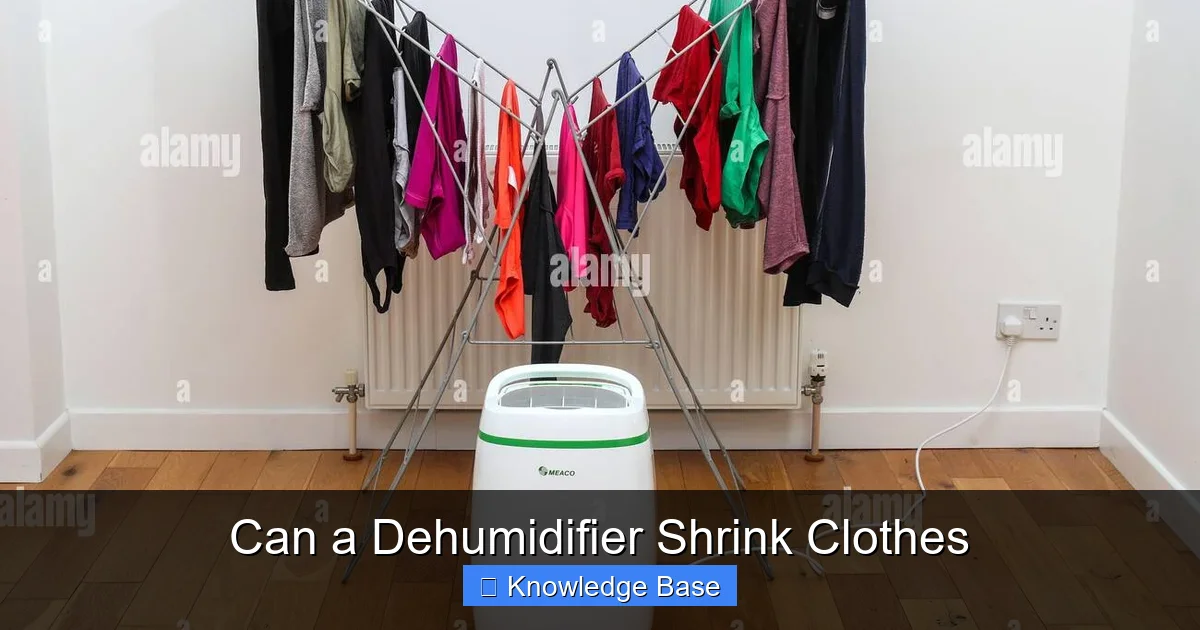
No, a dehumidifier does not “dry” clothes in the way a dryer does. It doesn’t blow hot air or create airflow strong enough to evaporate moisture from fabric. Instead, it lowers the overall moisture content in the air, which can help clothes dry faster if they’re already hanging up—but it won’t pull water directly from the fabric.
Think of it this way: if you hang a wet shirt on a clothesline in a room with a dehumidifier, it will dry faster than in a humid room—but not because the dehumidifier is “drying” it. It’s because the dry air can absorb more moisture from the shirt. The dehumidifier just maintains that dry environment.
Can Low Humidity Damage Fabrics?
While dehumidifiers don’t shrink clothes, extremely low humidity—below 30%—can have other effects on certain fabrics. Natural fibers like cotton, wool, and silk can become brittle and lose elasticity in very dry conditions. Over time, this might lead to cracking, pilling, or weakened seams.
For example, a wool coat stored in a basement with a dehumidifier running constantly might feel stiff or develop small cracks in the fibers after several months. This isn’t shrinkage, but it’s still damage that can shorten the life of your clothing.
To avoid this, aim for a balanced humidity level. Use a hygrometer to monitor the air, and adjust your dehumidifier settings accordingly. If your home is too dry, consider using a humidifier in winter or placing bowls of water near heat sources to add moisture back into the air.
When Dehumidifiers Might Indirectly Affect Your Wardrobe
While dehumidifiers don’t directly shrink clothes, there are a few scenarios where they might indirectly influence fabric condition—especially if used improperly or in extreme conditions.
Over-Drying in Storage Areas
If you store clothes in a closet or basement with a dehumidifier running 24/7, the air can become excessively dry. This is more likely in small, enclosed spaces with poor ventilation. Over time, natural fibers may lose their natural oils and become fragile.
For instance, leather jackets, wool sweaters, and silk blouses are particularly sensitive to dry air. Leather can crack, wool can felt or break, and silk can lose its luster. To protect these items, store them in breathable garment bags and avoid placing them directly next to dehumidifier vents.
Impact on Laundry Drying Times
Using a dehumidifier in your laundry room can speed up the drying process for air-dried clothes. This is helpful in humid climates where clothes might take days to dry indoors. However, faster drying isn’t always better.
If clothes dry too quickly—especially in a hot, dry room—they may not have time to relax and retain their shape. This can lead to wrinkling or slight distortion, though not true shrinkage. To prevent this, avoid placing wet clothes directly in front of a dehumidifier or heater. Instead, hang them in a well-ventilated area with gentle airflow.
Humidity and Static Cling
Low humidity increases static electricity, which can make clothes cling together or attract dust. While this doesn’t shrink fabric, it can make garments uncomfortable to wear and harder to clean. Static-prone materials like polyester and nylon are especially affected.
If you notice more static in your clothes during dry seasons, consider using a fabric softener or anti-static spray. You can also add a small humidifier to balance the air, especially in winter when indoor heating dries out the environment.
Best Practices for Using Dehumidifiers Without Harming Clothes
Now that we’ve covered the risks and realities, here’s how to use a dehumidifier safely to protect your clothes and home.
Set the Right Humidity Level
Aim to keep indoor humidity between 30% and 50%. This range is comfortable for people and safe for fabrics, wood, and electronics. Use a hygrometer to monitor levels and adjust your dehumidifier accordingly.
Most modern dehumidifiers have built-in humidistats that let you set a target humidity. Choose 45% as a good middle ground—low enough to prevent mold, but high enough to protect natural fibers.
Use Dehumidifiers in the Right Spaces
Place dehumidifiers in areas prone to moisture, like basements, laundry rooms, and bathrooms. Avoid running them in closets or small storage areas unless necessary. If you must use one in a closet, ensure there’s some airflow and check clothes regularly for signs of dryness or damage.
For seasonal storage, consider using moisture-absorbing products like silica gel packets or cedar blocks instead of a full dehumidifier. These are gentler on fabrics and help prevent musty odors.
Air-Dry Clothes Properly
If you air-dry clothes indoors, do so in a room with moderate humidity and good airflow. Avoid placing wet clothes directly in front of heaters, fans, or dehumidifiers. Instead, use a drying rack or clothesline in a well-ventilated area.
Turn clothes inside out to protect colors and reduce fading. Gently reshape garments as they dry to maintain their original fit. This is especially important for sweaters, knits, and delicate items.
Follow Care Labels
Always read the care label on your clothes. It will tell you the best washing temperature, drying method, and whether the item is prone to shrinkage. For example, “lay flat to dry” means the garment should never go in a dryer—and a dehumidifier won’t change that.
When in doubt, wash in cold water and air dry. This minimizes stress on fibers and helps clothes last longer.
Alternatives to Dehumidifiers for Clothing Protection
If you’re concerned about humidity but don’t want to risk drying out your clothes, there are other ways to protect your wardrobe.
Ventilation and Air Circulation
Good airflow is one of the simplest and most effective ways to prevent moisture buildup. Open windows when weather permits, use exhaust fans in bathrooms and kitchens, and keep closet doors slightly ajar to allow air to circulate.
Ceiling fans and portable fans can also help move air through rooms, reducing stagnant, humid pockets where mold and mildew thrive.
Moisture-Absorbing Products
For small spaces like closets or drawers, consider using moisture absorbers like:
– Silica gel packets (reusable and effective)
– Charcoal bags (natural and odor-absorbing)
– Cedar blocks or hangers (repel moths and absorb moisture)
– Calcium chloride-based products (like DampRid)
These are gentler than dehumidifiers and won’t over-dry the air.
Proper Storage Solutions
Store clothes in breathable containers, not plastic bins. Cotton garment bags, canvas storage boxes, and acid-free tissue paper help protect fabrics while allowing airflow.
Avoid overcrowding closets—this traps moisture and prevents air circulation. Rotate seasonal clothing and clean items before storing to prevent stains and odors.
Conclusion: Dehumidifiers Are Allies, Not Enemies
So, can a dehumidifier shrink clothes? The answer is a clear no—when used properly. These devices are designed to improve indoor air quality, prevent mold, and protect your home from excess moisture. They don’t dry clothes like a dryer, and they don’t cause fabric shrinkage.
However, like any appliance, dehumidifiers should be used wisely. Extremely low humidity can make natural fibers brittle over time, and over-drying in small spaces may affect delicate items. By maintaining a balanced humidity level, using proper storage methods, and following garment care instructions, you can enjoy the benefits of a dehumidifier without worrying about your clothes.
Think of your dehumidifier as a partner in wardrobe preservation. It helps keep your closet fresh, your laundry room dry, and your home healthy. Just remember: the real enemies of fabric shrinkage are heat, agitation, and improper washing—not the gentle hum of a dehumidifier in the corner.
With the right habits and a little awareness, you can keep your clothes looking great for years to come.
Frequently Asked Questions
Can a dehumidifier shrink clothes?
No, a dehumidifier does not shrink clothes. It reduces moisture in the air, not in the fabric itself. Shrinkage is caused by heat, water, and agitation during washing and drying.
Is it safe to run a dehumidifier in a laundry room?
Yes, it’s safe and often helpful. It prevents mold and speeds up air-drying, but avoid placing wet clothes directly in front of the unit to prevent over-drying.
Can low humidity make clothes feel stiff?
Yes, very dry air can make natural fibers like cotton and wool feel stiff or brittle. Maintaining 30–50% humidity helps keep fabrics soft and flexible.
Do dehumidifiers help prevent mildew on clothes?
Absolutely. By reducing moisture, dehumidifiers prevent mold and mildew growth in closets and storage areas, keeping clothes fresh and odor-free.
Should I use a dehumidifier when storing seasonal clothes?
Not always. For short-term storage, moisture absorbers like silica gel or cedar are gentler. Use a dehumidifier only in consistently damp areas like basements.
Can a dehumidifier replace a clothes dryer?
No, a dehumidifier cannot dry clothes like a dryer. It only reduces air humidity and may slightly speed up air-drying, but it lacks the heat and airflow needed for effective drying.