

While dehumidifiers are generally safe, they can pose a fire risk under certain conditions—especially if poorly maintained, outdated, or used improperly. Understanding how these appliances work, recognizing warning signs, and following safety guidelines can significantly reduce the chance of a fire.
Key Takeaways
- Dehumidifiers can start fires: Though rare, electrical malfunctions, overheating, or blocked airflow can lead to fire hazards.
- <>Regular maintenance is crucial: Cleaning filters, coils, and water tanks prevents dust buildup and overheating.
- Older models are higher risk: Units over 10 years old may lack modern safety features and are more prone to failure.
- Placement matters: Keep dehumidifiers away from flammable materials and ensure proper ventilation.
- Use surge protectors: Power surges can damage internal components; a surge protector adds an extra layer of safety.
- Unplug when not in use: Especially during long absences, unplugging reduces the risk of electrical faults.
- Watch for warning signs: Strange smells, unusual noises, or excessive heat are red flags that need immediate attention.
Quick Answers to Common Questions
Can a dehumidifier catch fire while turned off?
It’s extremely unlikely. Most fires occur when the unit is running and generating heat. However, if there’s a severe electrical fault or water damage, a fire could theoretically start even when off—though this is rare. Unplugging when not in use eliminates this risk.
How often should I clean my dehumidifier filter?
Clean the filter every 2–4 weeks during heavy use (like summer), and monthly during lighter use. A clogged filter reduces airflow and can cause overheating.
Is it safe to run a dehumidifier 24/7?
Yes, as long as it’s well-maintained and the room isn’t overly dry. Use a humidistat to maintain 30–50% humidity and empty the tank regularly to prevent leaks.
What should I do if my dehumidifier smells like it’s burning?
Turn it off immediately, unplug it, and move it away from flammable materials. Do not use it again until inspected by a professional. The smell could indicate overheating or electrical damage.
Can I use an extension cord with a dehumidifier?
It’s not recommended. Dehumidifiers draw significant power, and most extension cords aren’t rated for that load. If you must use one, choose a heavy-duty, grounded cord rated for at least 15 amps and keep it short.
📑 Table of Contents
Can a Dehumidifier Start a Fire?
You’ve probably heard horror stories about household appliances catching fire—space heaters, dryers, even toasters. But what about dehumidifiers? They’re quiet, unassuming machines that sit in basements or laundry rooms, quietly pulling moisture from the air. Most people never think twice about them. But the truth is, yes—a dehumidifier can start a fire.
While it’s not common, it’s not impossible either. Like any electrical appliance that runs for long periods and generates heat, dehumidifiers carry a small but real fire risk. The good news? Most of these risks are preventable with proper care, awareness, and smart usage habits. In this article, we’ll break down how dehumidifiers work, what can go wrong, and—most importantly—how you can keep your home safe.
Whether you’re using a compact unit in your bathroom or a heavy-duty model in your basement, understanding the potential dangers and how to avoid them is essential. Let’s dive into the facts, myths, and practical tips to help you use your dehumidifier safely and confidently.
How Dehumidifiers Work and Why They Generate Heat
To understand the fire risk, it helps to know how dehumidifiers function. Most residential dehumidifiers use a refrigeration-based system, similar to an air conditioner or refrigerator. Here’s a simplified breakdown:
The Refrigeration Cycle
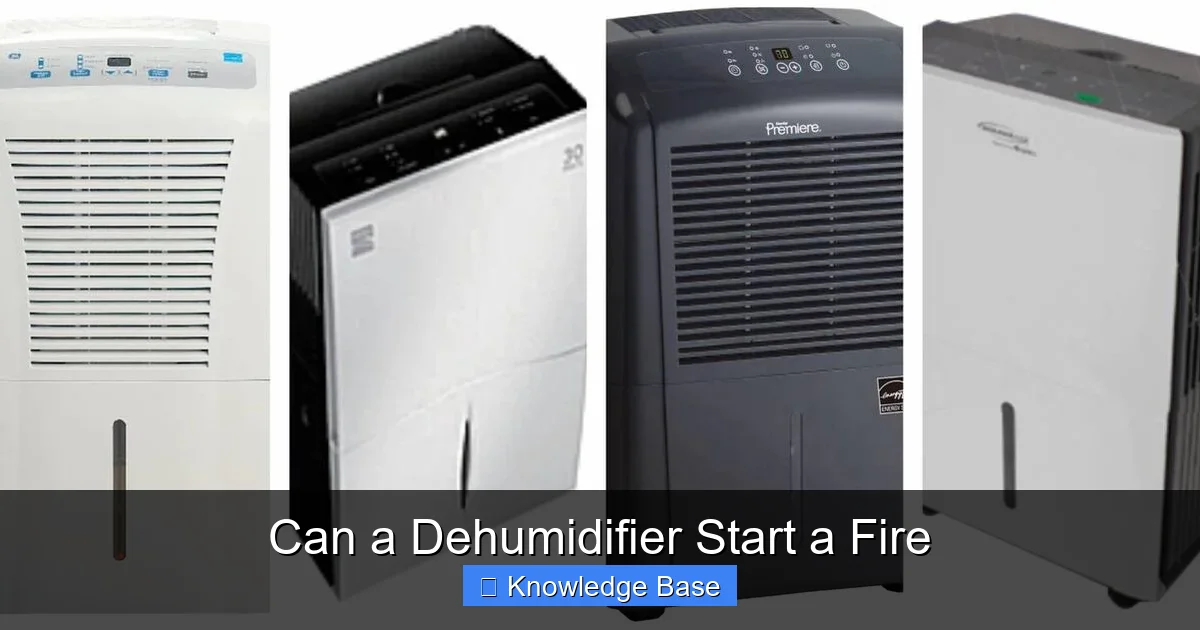
Air is drawn into the unit by a fan and passed over cold evaporator coils. As the air cools, moisture condenses into water droplets, which collect in a tank or drain hose. The now-dry air then passes over warm condenser coils, where it’s reheated and released back into the room. This cycle repeats continuously to maintain your desired humidity level.
Visual guide about Can a Dehumidifier Start a Fire
Image source: pennlive.com
Heat Generation Is Normal
Because the unit compresses refrigerant and uses electric motors, it naturally generates heat. That’s why the back or sides of a dehumidifier often feel warm to the touch—especially after running for several hours. This warmth is normal and expected. However, if the unit becomes excessively hot, it could signal a problem.
Energy Use and Electrical Load
Dehumidifiers typically use between 200 and 700 watts of power, depending on size and efficiency. While not as power-hungry as a space heater, they still draw a significant electrical current. If the wiring, motor, or internal components are faulty, this electrical load can lead to overheating or sparks—both of which can ignite a fire.
Common Causes of Dehumidifier Fires
Now that we know how dehumidifiers work, let’s look at the specific scenarios that can lead to a fire. Most incidents aren’t due to a single flaw but a combination of factors.
Electrical Malfunctions
Faulty wiring, damaged power cords, or defective internal components can cause short circuits or electrical arcing. These sparks can ignite nearby dust, lint, or flammable materials. Older units are especially vulnerable, as insulation can degrade over time, increasing the risk of electrical failure.

Visual guide about Can a Dehumidifier Start a Fire
Image source: besthiddengunsafeinwall.com
Overheating Due to Blocked Airflow
Dehumidifiers rely on proper airflow to cool internal components. If the air filter is clogged with dust or the vents are blocked by furniture or debris, the motor and compressor can overheat. This buildup of heat can damage internal parts and, in extreme cases, melt plastic components or ignite nearby materials.
Dirty or Clogged Coils
The evaporator and condenser coils can accumulate dust and grime over time. This buildup acts as insulation, trapping heat and reducing efficiency. As the unit works harder to remove moisture, it generates more heat, increasing the risk of overheating.
Water Tank Overflow and Leaks
While water itself won’t cause a fire, leaks can damage electrical components. If water seeps into the motor or control board, it can cause short circuits or corrosion. In rare cases, this can lead to sparks or electrical fires—especially if the unit continues to run despite the leak.
Use of Damaged or Counterfeit Parts
Replacing a broken part with a non-certified or counterfeit component can be dangerous. These parts may not meet safety standards and could overheat, fail prematurely, or cause electrical issues. Always use manufacturer-approved replacements.
Power Surges and Electrical Issues
Sudden spikes in voltage—from lightning strikes, grid fluctuations, or faulty wiring—can damage sensitive electronics inside the dehumidifier. A surge can fry the control board or motor, potentially leading to overheating or fire.
Real-Life Examples and Safety Recalls
You might be thinking, “This sounds scary, but does it actually happen?” The answer is yes—though rare, dehumidifier fires have occurred, and some have even led to major recalls.
Notable Recall Cases
In 2013, the U.S. Consumer Product Safety Commission (CPSC) issued a massive recall of over 2 million dehumidifiers sold under brands like Frigidaire, GE, and Kenmore. The units, manufactured by a third-party supplier, were found to overheat and catch fire. Reports included 107 incidents of overheating, 48 fires, and $1.2 million in property damage. The root cause was traced to faulty compressor windings and poor thermal protection.
Other Reported Incidents
While large-scale recalls are uncommon, individual cases pop up in fire department reports and consumer forums. For example, a homeowner in Ohio reported their basement dehumidifier catching fire after running continuously for three days. Investigation revealed a clogged filter and a failing motor. In another case, a dehumidifier in a rental property sparked a small fire when it was placed too close to a cardboard box—highlighting the danger of poor placement.
Lessons from These Cases
These incidents underscore the importance of using certified appliances, performing regular maintenance, and heeding manufacturer warnings. They also show that even “trusted” brands can have defects—so staying informed about recalls is key.
How to Prevent a Dehumidifier Fire
The best way to avoid a fire is through proactive prevention. Here are practical, easy-to-follow steps to keep your dehumidifier safe.
1. Choose a Safe, Certified Model
When buying a dehumidifier, look for units with safety certifications like UL (Underwriters Laboratories) or ETL (Intertek). These labels mean the product has been tested for electrical and fire safety. Avoid extremely cheap or no-name brands, as they may cut corners on safety features.
2. Perform Regular Maintenance
Clean the air filter every 2–4 weeks, especially during humid seasons. Wash it with mild soap and water, let it dry completely, and reinsert it. Also, check the coils and water tank for dust or mold buildup. Use a soft brush or vacuum attachment to gently clean the coils.
3. Ensure Proper Ventilation
Never block the intake or exhaust vents. Leave at least 6–12 inches of space around the unit. Avoid placing it in tight closets or behind furniture. Good airflow keeps the motor cool and prevents overheating.
4. Use a Surge Protector
Plug your dehumidifier into a high-quality surge protector, not directly into the wall. This protects against voltage spikes that can damage internal electronics. Avoid daisy-chaining multiple appliances on the same outlet.
5. Don’t Overload Circuits
Dehumidifiers should be the only major appliance on a circuit if possible. Running them alongside space heaters, microwaves, or hair dryers can overload the circuit and increase fire risk.
6. Inspect the Power Cord Regularly
Check the power cord for fraying, cracks, or exposed wires. If you notice damage, stop using the unit immediately and have it repaired or replaced. Never use a dehumidifier with a damaged cord.
7. Empty the Water Tank Frequently
Most units have an auto-shutoff feature when the tank is full, but it’s still wise to empty it daily. This prevents leaks and reduces strain on the pump or float switch.
8. Unplug When Not in Use
If you’re going on vacation or won’t need the dehumidifier for a week or more, unplug it. This eliminates the risk of electrical faults while you’re away.
9. Replace Old Units
Dehumidifiers typically last 5–10 years. If yours is older than 10 years, consider replacing it. Newer models have better safety features, such as thermal cutoffs and improved insulation, which reduce fire risk.
Warning Signs to Watch For
Even with proper care, problems can develop. Be alert to these red flags:
- Burning smell: A strong odor of burning plastic or rubber is a serious warning. Turn off and unplug the unit immediately.
- Excessive heat: If the unit feels too hot to touch or is scorching nearby surfaces, it’s overheating.
- Unusual noises: Grinding, buzzing, or clicking sounds may indicate a failing motor or compressor.
- Frequent tripping of circuit breakers: This suggests an electrical issue or overload.
- Visible smoke or sparks: Stop using the unit and call a professional or fire department if needed.
- Water leaks near electrical parts: Moisture and electricity don’t mix—address leaks promptly.
If you notice any of these signs, stop using the dehumidifier and have it inspected by a qualified technician.
Best Practices for Safe Dehumidifier Use
Beyond maintenance and inspection, smart usage habits can further reduce risk.
Use the Right Size for the Space
An undersized unit will run constantly, increasing wear and heat buildup. An oversized unit may cycle too frequently, causing stress on components. Check the manufacturer’s guidelines for room size and humidity level recommendations.
Set a Timer or Humidistat
Use the built-in humidistat to maintain optimal humidity (ideally 30–50%). This prevents the unit from running unnecessarily and reduces strain on the motor.
Avoid Extreme Temperatures
Most dehumidifiers work best between 65°F and 80°F. Using them in very cold basements (below 60°F) can cause frost to build up on coils, reducing efficiency and increasing fire risk. Consider a low-temperature model if needed.
Keep the Area Clean
Dust, pet hair, and lint can accumulate around the unit and get sucked into the vents. Regularly clean the surrounding area to prevent blockages.
Conclusion
So, can a dehumidifier start a fire? The short answer is yes—but the risk is low when the unit is well-maintained, properly used, and replaced when necessary. Like any electrical appliance, dehumidifiers require attention and care.
By understanding how they work, recognizing the warning signs, and following safety best practices, you can enjoy the benefits of a dry, comfortable home without worry. Regular cleaning, proper placement, and using surge protection are simple steps that go a long way in preventing accidents.
If you’re using an older model or notice anything unusual, don’t ignore it. A small investment in maintenance or a new unit could prevent a much larger disaster. Stay safe, stay informed, and let your dehumidifier do its job—quietly and safely.
Frequently Asked Questions
Are newer dehumidifiers safer than older ones?
Yes, newer models often include advanced safety features like thermal overload protection, auto-shutoff, and better insulation. Older units may lack these protections and are more prone to failure.
Can a dehumidifier cause an electrical fire even if it’s working fine?
While rare, yes. Hidden electrical faults, such as degraded wiring or failing capacitors, can develop over time and cause a fire even if the unit appears to be functioning normally.
Should I unplug my dehumidifier at night?
It’s not necessary if the unit is in good condition and properly maintained. However, unplugging it during long absences or if you’re concerned about power surges adds an extra layer of safety.
Can mold in a dehumidifier cause a fire?
Mold itself won’t cause a fire, but it can clog filters and coils, leading to overheating. Additionally, mold growth near electrical components increases the risk of short circuits if moisture is present.
What’s the safest place to put a dehumidifier?
Place it on a flat, stable surface in a well-ventilated area, away from walls, furniture, and flammable materials. Basements, laundry rooms, and crawl spaces are common—just ensure airflow isn’t blocked.
How do I know if my dehumidifier is a fire hazard?
Watch for signs like burning smells, excessive heat, unusual noises, or frequent circuit breaker trips. Regular maintenance and visual inspections can help catch problems early.