
Yes, a dehumidifier can start the smoke alarm—but not because it’s on fire. Dust, moisture, or electrical interference from the unit may trigger optical or ionization sensors in smoke detectors, causing false alarms. Understanding your detector type and maintaining both devices reduces risks.
[FEATURED_IMAGE_PLACEHODEHOLDER]
Key Takeaways
- Dehumidifiers don’t produce smoke, but they can trigger smoke alarms indirectly. Dust particles, steam, or electrical noise from the unit may confuse sensitive sensors.
- Photoelectric smoke detectors are more prone to false alarms from dehumidifiers. These sensors detect visible smoke particles and can react to airborne dust or mist.
- Placement matters—keep dehumidifiers at least 3–5 feet away from smoke detectors. Proximity increases the chance of sensor interference.
- Regular cleaning of both the dehumidifier and smoke detector prevents false triggers. Dust buildup on either device can cause malfunctions.
- Use a dehumidifier with a built-in humidistat and auto-shutoff feature. This prevents over-drying and reduces excess moisture that could affect nearby detectors.
- Hardwired or smart smoke alarms offer better reliability and fewer false alarms. They often include advanced algorithms to distinguish real fires from false triggers.
- If your smoke alarm goes off frequently, investigate the cause immediately. It could be a sign of a real fire hazard or a malfunctioning device.
Quick Answers to Common Questions
Can a dehumidifier set off a smoke alarm?
Yes, a dehumidifier can trigger a smoke alarm if it releases dust, moisture, or electrical interference near the detector, especially photoelectric models.
Which smoke detector is most likely to be triggered by a dehumidifier?
Photoelectric smoke detectors are more prone to false alarms from dehumidifiers because they detect visible particles like dust or mist.
How far should a dehumidifier be from a smoke alarm?
Keep your dehumidifier at least 3 to 5 feet away from any smoke detector to reduce the risk of false alarms.
Can humidity itself trigger a smoke alarm?
Yes, high humidity or condensation can affect smoke detector sensors, especially in older models, leading to false alarms.
What should I do if my smoke alarm keeps going off?
Check for fire first, then clean both the dehumidifier and smoke detector. Relocate the dehumidifier if necessary and consider upgrading to a smart alarm.
📑 Table of Contents
Can a Dehumidifier Start the Smoke Alarm?
You’re running your dehumidifier on a humid summer day, trying to keep your basement dry and comfortable. Suddenly, the smoke alarm blares—your heart skips a beat. You rush to check for flames, but there’s no fire. Just your dehumidifier humming away. What happened?
It’s a surprisingly common scenario. While dehumidifiers don’t produce smoke or fire, they can—under certain conditions—trigger your smoke alarm. This isn’t because the unit is dangerous, but because of how smoke detectors work and what they’re designed to sense. Understanding this interaction can help you prevent false alarms and keep your home safe.
Smoke alarms are life-saving devices, but they’re not perfect. They rely on sensors that detect particles in the air, and sometimes those sensors get confused. A dehumidifier, especially when placed too close to a smoke detector, can release dust, moisture, or electrical signals that mimic the conditions of a real fire. This leads to what’s known as a “false positive”—an alarm that goes off when there’s no actual danger.
The good news? With the right knowledge and a few simple precautions, you can enjoy the benefits of a dehumidifier without constantly worrying about setting off your smoke alarm. In this guide, we’ll explore exactly how and why this happens, what types of smoke detectors are most at risk, and how you can prevent it from happening in your home.
How Smoke Alarms Work: Understanding the Sensors
Visual guide about Can a Dehumidifier Start the Smoke Alarm
Image source: northshelbyfire.com
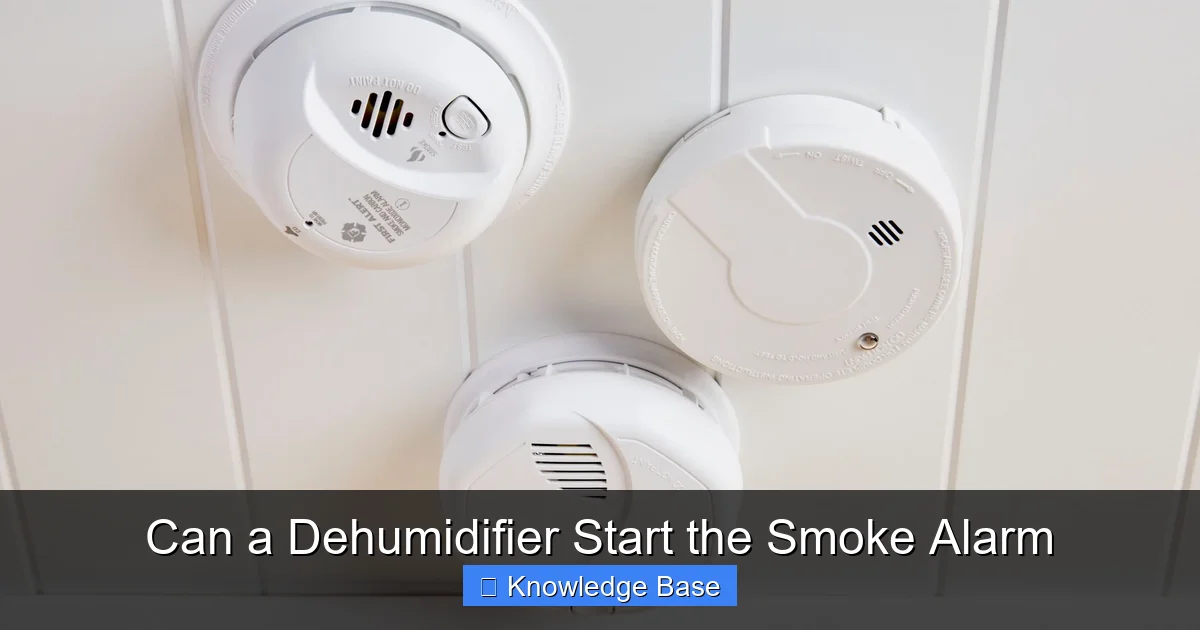
To understand why a dehumidifier might trigger a smoke alarm, it helps to know how these devices detect fire. Most residential smoke alarms use one of two main technologies: ionization or photoelectric. Some newer models combine both, known as dual-sensor alarms.
Ionization Smoke Detectors
Ionization detectors are the most common type found in homes. They contain a small amount of radioactive material that ionizes the air inside a sensing chamber. When smoke enters this chamber, it disrupts the ionization process, triggering the alarm. These detectors are highly sensitive to fast-flaming fires, which produce smaller smoke particles.
However, ionization sensors can also be triggered by other airborne particles—like steam from a shower or cooking fumes. While dehumidifiers don’t typically produce steam, they can stir up dust or release fine particles into the air, especially if the unit isn’t cleaned regularly.
Photoelectric Smoke Detectors
Photoelectric detectors use a light beam and a sensor. When smoke enters the chamber, it scatters the light, which hits the sensor and sets off the alarm. These are better at detecting smoldering fires, which produce larger smoke particles and more visible smoke.
Because photoelectric sensors respond to visible particles, they’re more likely to be triggered by dust, mist, or even condensation—things that a dehumidifier might release into the air, especially in high-humidity environments. If your dehumidifier is releasing a fine mist or kicking up dust from its filter or coils, it could scatter light in the detector and cause a false alarm.
Dual-Sensor and Smart Alarms
Modern smoke alarms often combine both ionization and photoelectric technologies to provide broader protection. Smart smoke alarms go a step further, using algorithms to analyze the type of particles detected and reduce false alarms. For example, they might ignore brief spikes in particle levels caused by cooking or humidity, while still alerting you to sustained smoke patterns typical of a real fire.
These advanced systems are less likely to be fooled by a dehumidifier, but they’re not immune. If the unit is very close to the detector or releasing large amounts of dust or moisture, even smart alarms can be triggered.
Why Dehumidifiers Can Trigger Smoke Alarms

Visual guide about Can a Dehumidifier Start the Smoke Alarm
Image source: civilfire.com.au
Now that you understand how smoke detectors work, let’s look at the specific ways a dehumidifier can interfere with them. It’s not the dehumidifier itself that’s the problem—it’s what it does to the air around it.
Dust and Airborne Particles
Dehumidifiers pull moisture from the air, but they also move air through their internal components. Over time, dust can accumulate on the filter, coils, and fan. When the unit runs, it can blow this dust into the surrounding area. If the smoke detector is nearby, these particles can enter the sensor chamber and mimic smoke.
This is especially true for photoelectric detectors, which respond to visible particles. Even a small amount of dust can scatter light and trigger an alarm. For example, if you haven’t cleaned your dehumidifier in months, a sudden burst of dust when it turns on could be enough to set off a sensitive detector.
Moisture and Condensation
While dehumidifiers remove moisture, they can sometimes release a fine mist or create condensation, especially in poorly ventilated areas. This is more common with older or malfunctioning units. If water droplets enter the air near a smoke detector, they can scatter light in a photoelectric sensor, leading to a false alarm.
Additionally, high humidity itself can affect smoke detectors. Some models are sensitive to moisture buildup inside the sensor chamber, which can cause erratic behavior. Running a dehumidifier in a damp basement might reduce overall humidity, but if it’s placed too close to the detector, localized moisture or mist could still be an issue.
Electrical Interference
Dehumidifiers are electrical appliances with motors, compressors, and fans. When they turn on or off, they can create small electrical surges or electromagnetic interference (EMI). While most smoke alarms are designed to handle this, older or poorly shielded models might misinterpret these signals as a fire hazard.
This is rare, but it can happen—especially with ionization detectors, which rely on precise electrical measurements. If your smoke alarm is directly above or adjacent to the dehumidifier, the risk increases.
Placement and Airflow
Where you place your dehumidifier matters more than you might think. If it’s positioned directly under or very close to a smoke detector, the airflow from the unit can carry dust, moisture, or particles straight into the sensor. Even a few inches can make a difference.
For example, placing a dehumidifier on the floor beneath a ceiling-mounted smoke alarm in a basement can create a direct path for airborne contaminants. The fan pulls in air from the room and exhausts dry air—potentially pushing dust or mist upward toward the detector.
Types of Dehumidifiers and Their Risk Levels
Not all dehumidifiers are created equal when it comes to smoke alarm interference. The type of unit you use can influence the likelihood of a false alarm.
Compressor-Based Dehumidifiers
These are the most common type found in homes. They use a refrigeration cycle to cool coils, causing moisture to condense and collect in a tank. They’re effective but can generate dust if not maintained. The fan and motor can also stir up particles, especially in dusty environments like basements or garages.
Because they move air continuously, compressor-based units have a higher chance of blowing dust toward nearby smoke detectors. Regular cleaning of the filter and coils is essential to minimize this risk.
Desiccant Dehumidifiers
These units use a moisture-absorbing material (like silica gel) to pull water from the air. They don’t use compressors, so they’re quieter and often used in colder climates. However, they can release fine particles from the desiccant material, especially if the unit is old or damaged.
While less likely to stir up dust, desiccant dehumidifiers can still emit small amounts of airborne material that might affect photoelectric smoke detectors. They’re generally lower risk, but not risk-free.
Whole-House Dehumidifiers
Installed as part of your HVAC system, these units dehumidify the entire home. Because they’re integrated into ductwork and typically located away from living areas, they’re less likely to interfere with smoke alarms. However, if the system kicks up dust during startup or if there’s a leak in the ductwork, particles could still reach detectors.
Portable vs. Permanent Units
Portable dehumidifiers are more likely to be placed near smoke detectors, especially in small spaces like basements or laundry rooms. Their mobility increases the risk of improper placement. Permanent or built-in units are usually better positioned and less likely to cause issues.
How to Prevent Dehumidifiers from Triggering Smoke Alarms
The good news is that false alarms from dehumidifiers are preventable. With a few smart practices, you can run your dehumidifier safely and confidently.
Maintain Proper Distance
The most effective step is to keep your dehumidifier at least 3 to 5 feet away from any smoke detector. This reduces the chance that dust, moisture, or airflow will reach the sensor. If possible, place the dehumidifier on the opposite side of the room or in a different area altogether.
For example, if your smoke alarm is mounted on the ceiling in the center of your basement, avoid placing the dehumidifier directly beneath it. Instead, position it near a wall or in a corner, away from the detector’s line of sight.
Clean Your Dehumidifier Regularly
Dust buildup is a major cause of false alarms. Clean the air filter every 2–4 weeks, depending on usage. Most filters are washable—just rinse them under warm water and let them dry completely before reinstalling.
Also, check the coils and water tank for mold, mildew, or debris. Wipe down the exterior and interior components with a damp cloth. A clean dehumidifier runs more efficiently and releases fewer particles into the air.
Clean Your Smoke Detector
Just as important is keeping your smoke alarm clean. Dust can accumulate inside the sensor chamber over time, making it more sensitive to false triggers. Use a vacuum with a soft brush attachment to gently clean the exterior vents every 6 months.
Avoid using compressed air, as it can damage the sensors. If your detector is more than 10 years old, consider replacing it—older models are more prone to false alarms.
Choose the Right Type of Smoke Detector
If false alarms are a recurring issue, consider upgrading to a photoelectric or dual-sensor smoke alarm. Photoelectric detectors are less sensitive to non-fire particles, and dual-sensor models offer better discrimination.
Smart smoke alarms are another excellent option. Brands like Nest and First Alert offer models that send alerts to your phone and can distinguish between smoke, steam, and cooking fumes. Some even allow you to silence the alarm remotely if it’s a false trigger.
Use a Dehumidifier with Advanced Features
Look for models with a built-in humidistat and auto-shutoff. These features prevent the unit from over-drying the air, which can reduce excess moisture and dust circulation. Some high-end dehumidifiers also have HEPA filters or antimicrobial coatings to minimize particle release.
Ensure Proper Ventilation
Make sure the room where your dehumidifier is running has adequate airflow. Stagnant air can cause moisture to accumulate near the unit, increasing the risk of condensation. Open a window slightly or use a fan to improve circulation.
What to Do If Your Smoke Alarm Goes Off
Even with precautions, false alarms can still happen. Here’s how to respond safely:
First, stay calm. Don’t assume it’s a false alarm—check for signs of fire, such as smoke, burning smells, or heat. If you see or smell anything suspicious, evacuate immediately and call 911.
If there’s no fire, locate the source of the alarm. Is the dehumidifier running? Is it close to the detector? Turn off the dehumidifier and see if the alarm stops. If it does, you’ve likely identified the cause.
Next, silence the alarm if possible. Most detectors have a “hush” button that temporarily disables the alarm for 10–15 minutes. Use this feature only if you’re certain there’s no fire.
Finally, clean both the dehumidifier and the smoke detector, and consider relocating the unit. If false alarms continue, consult the manufacturer’s guidelines or contact a professional.
Conclusion
So, can a dehumidifier start the smoke alarm? Yes—but not because it’s dangerous. Dust, moisture, or electrical signals from the unit can interfere with smoke detector sensors, especially photoelectric ones. However, with proper placement, regular maintenance, and the right equipment, you can minimize the risk and enjoy a dry, comfortable home without constant false alarms.
Remember, smoke alarms are essential for safety, and false triggers shouldn’t make you disable them. Instead, address the root cause. Keep your dehumidifier clean, place it away from detectors, and consider upgrading to a smarter alarm system. Your peace of mind—and your safety—are worth the effort.
Frequently Asked Questions
Can a dehumidifier cause a fire?
No, dehumidifiers are not fire hazards when used properly. However, like any electrical appliance, they can overheat or malfunction if not maintained, so regular cleaning and inspection are important.
Do all dehumidifiers trigger smoke alarms?
Not all dehumidifiers will trigger smoke alarms, but the risk depends on the model, placement, and condition of both the dehumidifier and the smoke detector.
Can I run a dehumidifier at night without setting off the alarm?
Yes, you can run a dehumidifier at night if it’s properly placed and maintained. Choose a quiet, well-ventilated location away from smoke detectors.
Should I turn off my dehumidifier if the smoke alarm goes off?
Only turn it off after confirming there’s no fire. If the alarm is clearly caused by the dehumidifier, you can turn it off temporarily and relocate it.
Are smart smoke alarms better at avoiding false alarms?
Yes, smart smoke alarms use advanced sensors and algorithms to distinguish between real fires and false triggers like dust or steam.
How often should I clean my dehumidifier to prevent false alarms?
Clean the air filter every 2–4 weeks and inspect the coils and tank monthly. Regular maintenance reduces dust and particle release.