
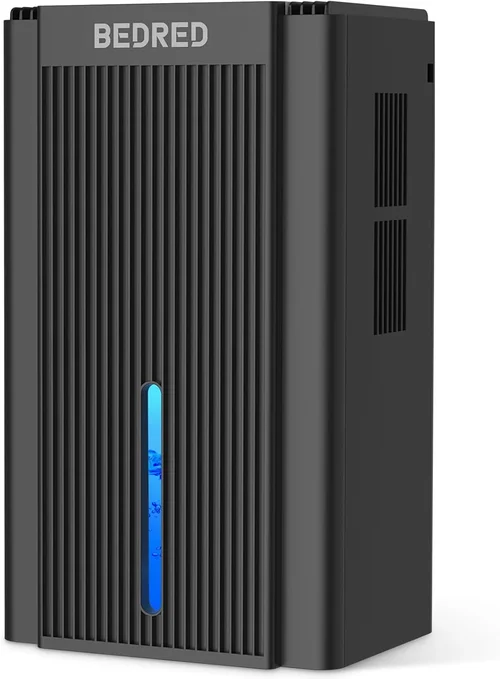
Dealing with excess moisture in your home isn’t just about comfort—it’s about health, safety, and protecting your investment. Whether you’re battling musty odors in a basement, preventing mold growth in a humid climate, or trying to keep your HVAC system running efficiently, a dehumidifier can be a game-changer. But with dozens of models on the market, ranging from compact units under $100 to heavy-duty machines costing over $500, choosing the right one can feel overwhelming. That’s where this guide comes in.
In this comprehensive buying guide, we’ll walk you through everything you need to know to make a smart, informed decision. You’ll learn how to assess your specific needs, understand key performance metrics, compare different types of dehumidifiers, and avoid common pitfalls that lead to buyer’s remorse. We’ll also break down budget tiers, share expert shopping tips, and answer frequently asked questions so you can confidently select a unit that delivers real value for your home and lifestyle.
The dehumidifier market has evolved significantly in recent years. Energy-efficient compressors, smart controls, and eco-friendly refrigerants are now standard in many mid- to high-end models. Meanwhile, brands like Frigidaire, Honeywell, GE, and AprilAire continue to dominate with reliable, well-reviewed options. Whether you need a small unit for a closet or a whole-house system for a sprawling basement, there’s a solution tailored to your space and humidity level. By the end of this guide, you’ll not only know what to look for—you’ll know exactly which dehumidifier is right for you.

What to Look for When Buying Buying Guide
1. Capacity & Pint Rating
One of the most critical factors when choosing a dehumidifier is its capacity, typically measured in pints per day (PPD). This number tells you how much moisture the unit can remove from the air in a 24-hour period under standard testing conditions (usually 60% relative humidity at 80°F). A higher pint rating means the dehumidifier can handle larger spaces or more severe dampness.
For example, a 30-pint model is ideal for a 500–1,000 square foot basement with moderate humidity, while a 70-pint unit may be necessary for a 1,500+ square foot space with persistent dampness or standing water issues. Choosing a unit with too low a capacity will result in constant running without effectively lowering humidity, while an oversized model may cycle on and off too frequently, reducing efficiency and lifespan.
To determine the right capacity, consider both the square footage of the area and the severity of moisture. The Association of Home Appliance Manufacturers (AHAM) provides a general guideline:
– 20–30 pints: Up to 500 sq ft, slightly damp
– 30–40 pints: 500–1,000 sq ft, moderately damp
– 50–70 pints: 1,000–2,000 sq ft, very damp or wet
– 70+ pints: Large basements, crawl spaces, or flood-prone areas
Keep in mind that real-world performance can vary. High ambient temperatures and humidity levels can increase moisture removal, but poorly insulated spaces or constant moisture sources (like a leaking foundation) may require a more powerful unit than AHAM estimates suggest.
2. Energy Efficiency & Operating Costs
Dehumidifiers run for hours each day, especially in humid climates or during summer months. As a result, energy consumption can significantly impact your utility bill. Look for models with the ENERGY STAR® certification, which indicates they meet strict efficiency guidelines set by the U.S. Environmental Protection Agency. ENERGY STAR dehumidifiers use up to 15% less energy than standard models, saving you money over time.
The energy factor (EF), measured in liters of water removed per kilowatt-hour (L/kWh), is a useful metric for comparing efficiency. Higher EF values mean more moisture removed per unit of electricity. For example, a unit with an EF of 1.5 is more efficient than one with 1.2. While the difference may seem small, it adds up over months of continuous use.
Operating costs also depend on local electricity rates. In areas with high kilowatt-hour prices (like California or the Northeast), investing in an energy-efficient model can pay for itself within a year or two. Additionally, some utility companies offer rebates for ENERGY STAR appliances, further reducing your upfront cost.
Beyond efficiency ratings, consider features like auto-defrost (which prevents ice buildup in cold environments) and low-wattage compressors. These help maintain performance without excessive energy draw. Avoid older or refurbished models that may lack modern efficiency standards, even if they appear cheaper initially.
3. Drainage Options & Tank Size
All dehumidifiers collect water in an internal tank, but how you manage that water makes a big difference in convenience and maintenance. Most units come with a removable bucket that needs to be emptied manually—typically every 12 to 24 hours, depending on humidity levels and capacity.
For frequent use or high-moisture areas, a large tank (6 to 16 liters) reduces the need for constant emptying. However, larger tanks can make the unit bulkier. If you’re placing the dehumidifier in a closet or tight space, a smaller tank may be preferable, even if it requires more frequent attention.
More importantly, look for continuous drainage options. Many models include a built-in hose connection (usually 3/8” or 1/2” threaded) that allows you to attach a garden hose and drain water directly into a floor drain, sump pump, or utility sink. This eliminates the need to empty the tank altogether—ideal for basements, garages, or unattended spaces.
Some premium models even feature automatic pump systems that can lift water vertically (up to 15 feet) and push it through a hose to a distant drain. This is especially useful in crawl spaces or homes without floor drains.
4. Humidity Control & Smart Features
Manual dehumidifiers simply run until the tank is full or you turn them off. But modern units offer precise humidity control, allowing you to set and maintain your desired relative humidity (RH) level—typically between 30% and 80%. This is crucial because too little humidity can cause dry skin and respiratory irritation, while too much encourages mold and dust mites.
Look for models with a built-in humidistat, which measures ambient humidity and automatically turns the unit on or off to maintain your set point. Some advanced units feature digital displays, programmable timers, and even Wi-Fi connectivity for remote control via smartphone apps.
Smart dehumidifiers (like those from GE or Midea) can integrate with home automation systems, send alerts when the tank is full, or adjust settings based on weather forecasts. While these features add convenience, they also increase cost. For most homeowners, a basic humidistat and timer are sufficient.
Other useful features include:
– Auto-restart after power outages
– Filter change indicators
– Quiet operation modes (under 50 dB)
– Defrost function for cold environments (below 65°F)
Avoid models that lack humidity control—they’ll either over-dry your space or run inefficiently. Even budget units now include basic humidistats, so there’s little reason to settle for less.
5. Noise Level & Placement Considerations
Dehumidifiers use compressors and fans, which generate noise. While not as loud as air conditioners, they can still be disruptive if placed near bedrooms, home offices, or living areas. Noise is measured in decibels (dB), with lower numbers indicating quieter operation.
Most residential dehumidifiers range from 45 dB to 60 dB. For context, 45 dB is similar to a quiet library, while 60 dB is comparable to normal conversation. If you’re sensitive to noise or plan to run the unit overnight, aim for models under 50 dB.
Placement also affects perceived noise. Units placed on carpet or soft surfaces may vibrate and create additional sound. Consider using anti-vibration pads or placing the dehumidifier on a hard, level surface. Also, ensure adequate airflow—most models need at least 6–12 inches of clearance on all sides for optimal performance and cooling.
Some manufacturers advertise “whisper-quiet” operation, but real-world reviews often tell a different story. Always check user feedback for noise complaints, especially for budget models that may cut corners on insulation or fan design.
6. Build Quality & Durability
A dehumidifier is a long-term investment, so durability matters. Look for units with sturdy plastic or metal housings, reinforced handles, and sealed electrical components. Cheaper models often use thin, brittle plastic that cracks under stress or in cold temperatures.
Internal components are equally important. High-quality compressors (like those from Panasonic or LG) last longer and operate more efficiently. Copper coils resist corrosion better than aluminum, especially in damp environments. Sealed bearings in fans reduce wear and tear over time.
Check for certifications like UL (Underwriters Laboratories) or ETL, which indicate the unit meets safety and performance standards. Avoid no-name brands or units sold exclusively through third-party marketplaces without verified reviews.
Also consider the filter. A washable, reusable filter is more cost-effective than disposable ones. Some models include antimicrobial filters that inhibit mold and bacteria growth—useful in high-humidity areas.
7. Brand Reputation & Customer Support
Not all dehumidifier brands are created equal. Established names like Frigidaire, Honeywell, GE, and AprilAire have decades of experience and robust customer service networks. They offer reliable products, accessible replacement parts, and responsive support.
Newer or lesser-known brands may offer tempting prices, but they often lack long-term reliability or warranty coverage. If a company disappears or stops supporting a model, you could be stuck with a broken unit and no way to get repairs or parts.
When evaluating brands, consider:
– Availability of local service centers
– Online support resources (manuals, troubleshooting guides)
– User community forums or review consistency
– Warranty terms and ease of claims
Honeywell, for example, offers a 2–5 year warranty on most models and has service centers across the U.S. Frigidaire provides detailed online support and often includes extended warranty options at checkout.
Avoid brands with no physical address, limited contact information, or exclusively Amazon-only sales. These are often private-label manufacturers with minimal accountability.
8. Warranty & Return Policy
A solid warranty protects your investment and reflects the manufacturer’s confidence in their product. Most dehumidifiers come with a 1-year limited warranty, but premium models often include 2–5 years of coverage, sometimes with extended compressor protection.
Read the fine print: some warranties cover only parts, not labor, and may require you to ship the unit at your own expense. Others exclude damage from improper use, lack of maintenance, or commercial applications.
Also check the retailer’s return policy. Reputable sellers (like Home Depot, Lowe’s, or Best Buy) typically offer 30–90 day return windows, especially for large appliances. Online retailers like Amazon may have more flexible returns, but shipping a 40-pound dehumidifier back can be costly and inconvenient.
If you’re buying during a sale or from a third-party seller, confirm that the warranty is valid and transferable. Some brands require registration within 30 days of purchase to activate coverage.
Different Types of Buying Guide
Common Buying Mistakes to Avoid
❌ Mistake: Buying Based Solely on Price
Why it’s bad: The cheapest dehumidifier often comes with poor build quality, low efficiency, and minimal features. It may break down within a year, costing you more in replacements and higher energy bills.
What to do instead: Focus on value, not just cost. A $250 model with a 5-year warranty, ENERGY STAR rating, and continuous drainage may save you money long-term compared to a $120 unit that fails after 18 months.
❌ Mistake: Ignoring Room Size and Humidity Level
Why it’s bad: A 20-pint dehumidifier will struggle in a 1,500 sq ft basement with flooding issues. Conversely, a 70-pint unit in a 300 sq ft closet will cycle too frequently, wasting energy and wearing out components.
What to do instead: Use the AHAM guidelines as a starting point, then adjust based on moisture severity. When in doubt, go one size up—especially if you have visible dampness or mold.
❌ Mistake: Overlooking Drainage Needs
Why it’s bad: If you don’t empty the tank regularly, the dehumidifier will shut off when full, leaving your space humid and potentially causing water damage if the bucket overflows.
What to do instead: Choose a model with continuous drainage if you can’t monitor it daily. Even a simple gravity hose setup eliminates the need for manual emptying.
❌ Mistake: Skipping the Humidistat
Why it’s bad: Without humidity control, the unit runs nonstop or not enough, leading to over-drying or ineffective moisture removal. This wastes energy and can damage wood furniture or flooring.
What to do instead: Always choose a model with a built-in humidistat. Set it to 45–50% RH for optimal comfort and mold prevention.
❌ Mistake: Buying Without Checking Noise Levels
Why it’s bad: A noisy dehumidifier can disrupt sleep, work, or relaxation—especially if placed near living areas.
What to do instead: Check decibel ratings and user reviews. Opt for models under 50 dB for bedrooms or quiet spaces.
❌ Mistake: Ignoring Warranty and Support
Why it’s bad: If the unit fails and the brand offers no support, you’re left with a costly paperweight.
What to do instead: Prioritize brands with strong warranties (2+ years) and accessible customer service. Register your product promptly.
❌ Mistake: Not Considering Energy Efficiency
Why it’s bad: A power-hungry dehumidifier can add $50–$100 per year to your electricity bill, especially in humid climates.
What to do instead: Look for ENERGY STAR certification and high EF ratings. Calculate long-term operating costs before buying.
Budget Guidelines: How Much Should You Spend?
Entry-Level ($50–$150): These are typically mini or small-capacity units (10–20 pints) best suited for closets, RVs, or very small rooms. They often lack humidistats, have small tanks, and may not be energy efficient. Ideal for occasional use or low-humidity areas. Expect basic functionality and shorter lifespans.
Mid-Range ($150–$350): This is the sweet spot for most homeowners. These models (30–50 pints) offer reliable performance, ENERGY STAR ratings, built-in humidistats, and continuous drainage options. Brands like Frigidaire, Honeywell, and GE dominate this tier with durable, well-reviewed units. Expect 5–7 years of service with proper maintenance.
Premium ($350–$700): Designed for large basements, crawl spaces, or high-humidity environments, these 50–70+ pint units feature advanced controls, auto-defrost, quiet operation, and robust build quality. Many include Wi-Fi connectivity, pump-assisted drainage, and extended warranties. Perfect for serious moisture problems or tech-savvy users.
Luxury ($700+): Whole-house dehumidifiers and commercial-grade units fall into this category. They integrate with HVAC systems, offer professional installation, and provide whole-home humidity control. Ideal for large homes in tropical climates or properties with chronic moisture issues. These are long-term investments with professional support.
Expert Tips for Getting the Best Deal
1. Buy During Off-Season Sales: Dehumidifiers are in highest demand during summer. Shop in late fall or winter (October–February) for discounts of 20–40%. Retailers clear inventory to make room for air conditioners.
2. Check Retailer Rebates and Promotions: Home Depot, Lowe’s, and Best Buy often run appliance sales around holidays (Memorial Day, Black Friday). Some utility companies offer rebates for ENERGY STAR models—check your provider’s website.
3. Compare Online and In-Store Prices: Online retailers (Amazon, Walmart.com) may have lower prices, but in-store pickup can save shipping costs. Use price-matching policies if available.
4. Read Recent User Reviews: Look for reviews from the past 6–12 months. Older reviews may not reflect current model revisions or quality changes.
5. Test Before Committing: If buying in-store, check the display unit for noise, build quality, and ease of use. Online, watch video reviews to hear the sound level.
6. Consider Refurbished or Open-Box Models: Certified refurbished units from reputable sellers often come with warranties and sell for 20–30% less. Avoid “as-is” or third-party refurbished items.
7. Register for Warranty Immediately: Many brands require registration within 30 days. Keep your receipt and serial number accessible.
8. Plan for Installation and Maintenance: Factor in the cost of hoses, filters, or professional installation for whole-house units. Regular cleaning extends lifespan.

Frequently Asked Questions
Q: How do I know if I need a dehumidifier?
A: Signs include musty odors, visible mold or mildew, condensation on windows, peeling paint, or a clammy feeling in the air. Use a hygrometer to measure humidity—if it’s consistently above 60%, a dehumidifier is recommended.
Q: Can a dehumidifier help with allergies?
A: Yes. By reducing humidity below 50%, dehumidifiers inhibit mold, dust mites, and mildew—common allergens. This can significantly improve indoor air quality and reduce allergy symptoms.
Q: Should I run my dehumidifier all the time?
A: Not necessarily. Use the humidistat to maintain 45–50% RH. In moderate climates, running it 8–12 hours per day may be sufficient. In high-humidity areas, continuous operation may be needed.
Q: Can I use a dehumidifier in winter?
A: Most refrigerant models stop working below 65°F due to coil freezing. Desiccant dehumidifiers work in colder temperatures (down to 30°F) and are better for winter use in unheated spaces.
Q: How often should I clean the filter?
A: Every 2–4 weeks during heavy use. A clogged filter reduces airflow and efficiency. Wash with mild soap and water, then dry completely before reinstalling.
Q: Will a dehumidifier lower my energy bill?
A: Indirectly, yes. By reducing humidity, your air conditioner doesn’t have to work as hard to cool the air, potentially lowering cooling costs by 10–15%.
Q: Can I move a dehumidifier while it’s running?
A: No. Always turn it off and wait 10–15 minutes before moving. This allows refrigerant to settle and prevents compressor damage.
Q: What’s the difference between a dehumidifier and an air purifier?
A: A dehumidifier removes moisture; an air purifier removes particles like dust, pollen, and smoke. They serve different purposes, though some units combine both functions.
Q: How long do dehumidifiers last?
A: With proper maintenance, most last 5–10 years. Compressor failure is the most common issue. Regular cleaning and avoiding extreme temperatures can extend lifespan.
Q: Can I use a dehumidifier in a crawl space?
A: Yes, but choose a model rated for unconditioned spaces. Desiccant or whole-house units with sealed designs and corrosion-resistant coils are ideal.
Our Final Recommendations
Best for Budget-Conscious Buyers: Frigidaire FFAD3033W1 – A reliable 30-pint ENERGY STAR model with a built-in humidistat, continuous drainage, and quiet operation under $200. Great for small basements or apartments.
Best Overall Value: Honeywell TP70WKN – A 70-pint powerhouse with Wi-Fi control, auto-defrost, and a 5-year warranty. Priced around $450, it’s perfect for large, damp spaces and offers smart features without the premium price.
Best Premium Option: AprilAire E130V – A whole-house dehumidifier designed for integration with HVAC systems. Removes up to 130 pints per day, ideal for large homes in humid climates. Professional installation recommended.
Best for Beginners: GE APER50LZ – A 50-pint unit with simple controls, large tank, and reliable performance. Easy to set up and use, with clear indicators for filter changes and tank full alerts.
Best for Advanced Users: Midea MAD50C1ZWS – A smart dehumidifier with app control, voice assistant compatibility, and energy monitoring. Offers precise humidity control and real-time alerts, ideal for tech-savvy homeowners.
Conclusion: Making the Right Choice
Choosing the right dehumidifier isn’t just about picking the biggest or most expensive model—it’s about matching the unit to your specific needs, space, and lifestyle. By understanding capacity, efficiency, drainage, and smart features, you can avoid common pitfalls and invest in a solution that delivers lasting comfort and protection.
Remember to prioritize your must-have features: if you can’t empty a tank daily, go for continuous drainage. If noise is a concern, check decibel ratings. And always consider long-term costs, not just the sticker price. A slightly higher upfront investment in a quality, energy-efficient model can save you hundreds in utility bills and replacement costs over time.
Take the time to assess your home’s humidity levels, measure your space, and read real user reviews. With the insights from this guide, you’re equipped to make a confident, informed decision. Whether you’re tackling a damp basement or improving indoor air quality, the right dehumidifier will make a noticeable difference in your home’s health and comfort.
Don’t wait until mold appears or your energy bills spike—act now. Use this guide to find the perfect dehumidifier for your needs, and enjoy a drier, healthier, more comfortable living environment for years to come.