
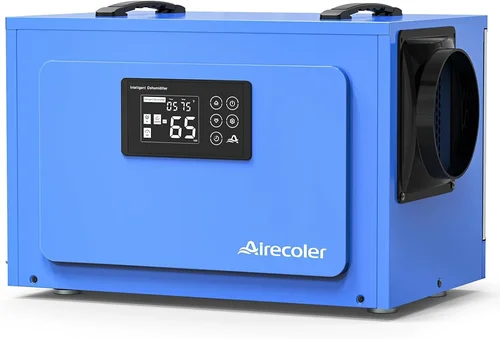
Crawlspaces are often overlooked, yet they play a critical role in the overall health and structural integrity of your home. These tight, enclosed areas beneath your foundation can trap moisture, leading to mold growth, wood rot, pest infestations, and even compromised indoor air quality. In fact, studies show that up to 60% of the air you breathe indoors originates from the crawlspace—making humidity control not just a comfort issue, but a health and safety priority. That’s where a high-quality crawlspace dehumidifier comes in. Unlike standard room dehumidifiers, crawlspace models are specifically engineered to operate in harsh, unconditioned environments with extreme temperature and humidity fluctuations. They’re built tougher, last longer, and deliver consistent performance where it matters most.
This comprehensive buyer’s guide is designed to help you navigate the often-confusing world of crawlspace dehumidifiers with confidence. Whether you’re a first-time homeowner dealing with musty odors, a contractor looking for reliable equipment, or a DIY enthusiast aiming to protect your investment, this guide will equip you with everything you need to make an informed decision. You’ll learn how to evaluate performance specs, understand key features, avoid common pitfalls, and choose the right model based on your budget and crawlspace conditions. We’ve analyzed dozens of models, consulted industry experts, and reviewed real-world user feedback to bring you actionable insights that go beyond marketing claims.
The market for crawlspace dehumidifiers has evolved significantly in recent years. Once dominated by bulky, inefficient units, today’s options include energy-efficient compressor-based systems, advanced condensate pumps, smart controls, and even solar-ready models. With options ranging from under $300 to over $1,500, it’s easy to feel overwhelmed—or worse, to buy a unit that fails within a year. This guide cuts through the noise. We’ll break down what truly matters when selecting a dehumidifier for your crawlspace, compare different types and technologies, and provide expert-backed recommendations tailored to real-life scenarios. By the end, you won’t just know which dehumidifier to buy—you’ll understand why it’s the right choice for your home.

What to Look for When Buying a Crawlspace Dehumidifier
1. Performance Specifications
Performance is the cornerstone of any effective crawlspace dehumidifier. Unlike portable units used in basements or living areas, crawlspace dehumidifiers must handle consistently high humidity levels—often exceeding 80% relative humidity—in spaces that may be poorly ventilated and subject to temperature swings. The two most critical performance metrics are pint capacity and coverage area.
Pint capacity refers to how much moisture the unit can remove in 24 hours under standard testing conditions (typically 80°F and 60% RH). For crawlspaces, look for models rated between 50 and 100 pints per day (PPD). A 50-pint unit may suffice for a small, well-sealed crawlspace under 1,000 square feet, while larger or poorly insulated spaces may require 70–100 PPD. Keep in mind that actual performance can vary significantly based on ambient temperature and humidity. Many manufacturers test at ideal conditions, so real-world output may be lower—especially in cooler crawlspaces below 65°F.
Coverage area indicates the maximum square footage the unit can effectively dehumidify. Most crawlspace dehumidifiers are rated for 1,000 to 3,000 square feet. However, this number assumes standard insulation, vapor barriers, and minimal air leakage. If your crawlspace lacks a vapor barrier, has exposed soil, or suffers from groundwater intrusion, you may need a higher-capacity unit or supplemental ventilation. Always size up if you’re uncertain—undersized units run continuously, wear out faster, and fail to maintain target humidity levels.
2. Build Quality & Durability
Crawlspaces are notoriously harsh environments—damp, dusty, and often inaccessible for maintenance. A dehumidifier placed here must be built to withstand these conditions without frequent breakdowns. Look for units constructed with corrosion-resistant materials such as powder-coated steel, stainless steel components, or marine-grade aluminum. The compressor, coils, and housing should resist rust and degradation over time.
Another key durability factor is the condensate management system. Most crawlspace dehumidifiers use gravity drainage or an internal condensate pump. Gravity-drained units require a downward slope to a floor drain or sump pit, which isn’t always feasible. Pumped models offer greater flexibility, automatically expelling water up to 15 feet vertically or horizontally. Ensure the pump is reliable and includes a float switch to prevent overflow. Some premium models feature dual pumps or backup systems for added peace of mind.
Also consider the filter design. A washable, reusable air filter is ideal—it reduces maintenance costs and prevents dust buildup on internal components. Avoid units with disposable filters that require frequent replacement. Additionally, check for sealed electronics and protective covers to guard against moisture intrusion into the control board.
3. Energy Efficiency
Since crawlspace dehumidifiers often run 24/7, energy consumption can significantly impact your utility bills. Look for units with the ENERGY STAR certification, which indicates they meet strict efficiency guidelines set by the U.S. Environmental Protection Agency. ENERGY STAR-certified dehumidifiers use 15–30% less energy than standard models, saving you $50–$100 annually depending on usage and local electricity rates.
Efficiency is measured in liters per kilowatt-hour (L/kWh) or pints per kilowatt-hour (pints/kWh). A higher number means more moisture removed per unit of electricity. For example, a unit that removes 1.5 liters per kWh is more efficient than one that removes 1.0 L/kWh. In cold crawlspaces, efficiency drops because the refrigerant cycle slows down. Some advanced models feature hot gas defrost technology, which prevents ice buildup on the coils and maintains efficiency even at temperatures as low as 40°F.
Variable-speed compressors and adaptive defrost cycles further enhance efficiency by adjusting output based on current humidity levels. These features not only save energy but also extend the unit’s lifespan by reducing wear and tear.
4. Features & Functionality
Modern crawlspace dehumidifiers come equipped with a range of features that improve usability, reliability, and long-term performance. One of the most important is automatic humidity control. Instead of running continuously, these units use built-in humidistats to monitor moisture levels and activate only when needed. This prevents over-drying, saves energy, and maintains a consistent relative humidity (RH) between 45% and 55%—the ideal range for preventing mold and pests.
Remote monitoring and smart controls are becoming increasingly common. Some models offer Wi-Fi connectivity, allowing you to check humidity levels, adjust settings, and receive alerts via smartphone apps. This is especially useful for vacation homes or hard-to-access crawlspaces. Look for compatibility with smart home systems like Alexa or Google Home if integration is important to you.
Other valuable features include:
- Defrost mode: Essential for cold climates to prevent coil freezing.
- Auto-restart: Resumes operation after a power outage.
- Air filtration: HEPA or MERV-rated filters improve air quality by capturing mold spores and dust.
- Drain hose compatibility: Ensures easy connection to existing drainage systems.
- Service indicators: Alerts for filter cleaning or maintenance needs.
5. Installation & Maintenance Requirements
Ease of installation can make or break your experience with a crawlspace dehumidifier. Most units are designed for permanent mounting on joists or concrete walls using included brackets. Ensure the model you choose fits within your crawlspace height—many require at least 24–30 inches of clearance. Some compact models are specifically engineered for low-clearance areas.
Maintenance should be minimal but regular. A washable pre-filter should be cleaned every 1–3 months, depending on dust levels. The condensate drain line should be inspected quarterly to prevent clogs. If your unit uses a pump, test it monthly by pouring water into the collection tray. Units with accessible service panels simplify coil cleaning and internal inspections.
Consider the accessibility of service points. If your crawlspace has limited entry points, choose a model with front-facing controls and easy filter access. Some brands offer extended warranties that include professional servicing—worth considering if you’re not comfortable performing maintenance yourself.
6. Noise Level
While crawlspaces are typically out of earshot, excessive noise can still be a concern—especially if the unit is near living areas or bedrooms. Most crawlspace dehumidifiers operate between 45 and 60 decibels (dB), comparable to a quiet conversation or refrigerator hum. However, cheaper models with single-speed fans or poorly insulated compressors can exceed 65 dB, creating a noticeable hum.
Look for units with sound-dampening technology, such as insulated cabinets, vibration isolators, or variable-speed fans that reduce noise during low-load operation. Some premium models advertise “whisper-quiet” operation under 50 dB. If noise is a priority, check user reviews for real-world feedback—manufacturer specs can be misleading.
7. Brand Reputation & Reliability
Not all dehumidifier brands are created equal. Established manufacturers like AprilAire, Santa Fe, Dri-Eaz, and Quest have decades of experience in moisture control and are trusted by contractors and homeowners alike. These brands invest in R&D, offer comprehensive warranties, and provide reliable customer support.
Avoid generic or off-brand units sold on online marketplaces without verifiable performance data or customer service channels. While they may seem like a bargain, they often lack durability, efficiency, and proper certifications. Look for brands that publish third-party test results, offer detailed manuals, and have a network of authorized service centers.
Customer reviews on platforms like Amazon, Home Depot, and specialized HVAC forums can reveal common issues such as compressor failure, pump leaks, or control board malfunctions. Pay attention to reviews from users in similar climates or crawlspace conditions.
8. Warranty & Support
A strong warranty is a strong indicator of a manufacturer’s confidence in their product. Most reputable crawlspace dehumidifiers come with a 5- to 10-year warranty on the compressor and a 1- to 3-year warranty on parts and labor. Some premium models, like those from AprilAire, offer lifetime warranties on the cabinet and 10-year compressor coverage.
Check what the warranty covers: Does it include labor? Is shipping included for repairs? Are there exclusions for improper installation or lack of maintenance? Also verify that the company provides accessible customer support—phone, email, or live chat—and has a responsive service team.
If you’re hiring a contractor to install the unit, ensure they are familiar with the brand and model. Some manufacturers require professional installation to maintain warranty validity.
Different Types of Crawlspace Dehumidifiers

Common Buying Mistakes to Avoid
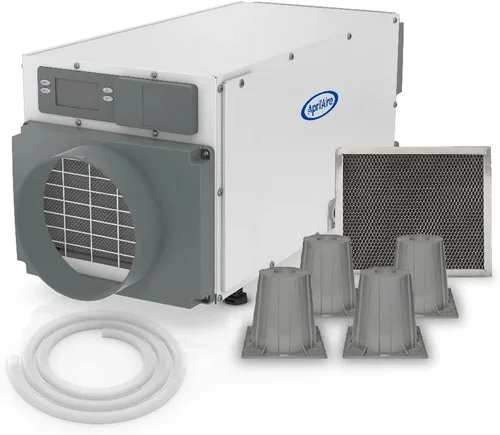
❌ Mistake: Buying a Standard Room Dehumidifier
Why it’s bad: Standard dehumidifiers are not built for the extreme conditions of a crawlspace. They lack corrosion-resistant materials, often fail in cold temperatures, and may not include proper drainage or mounting options. Many will overheat, freeze up, or break down within months.
What to do instead: Always choose a dehumidifier specifically designed for crawlspaces or unconditioned areas. Look for models labeled “crawlspace,” “basement,” or “commercial-grade” with features like hot gas defrost and sealed cabinets.
❌ Mistake: Undersizing the Unit
Why it’s bad: An undersized dehumidifier will run nonstop, struggle to lower humidity, and wear out prematurely. It may also fail to prevent mold or structural damage, defeating the purpose of installation.
What to do instead: Calculate your crawlspace square footage and consider factors like soil exposure, ventilation, and local climate. When in doubt, size up by 20–30%. Use manufacturer sizing charts or consult an HVAC professional.
❌ Mistake: Ignoring Drainage Options
Why it’s bad: Without proper drainage, water will overflow, causing damage and creating a breeding ground for mold. Gravity drainage requires a slope, which isn’t always possible.
What to do instead: Choose a unit with a built-in condensate pump or ensure your crawlspace has a functional drain or sump pit. Test drainage during installation.
❌ Mistake: Overlooking Energy Efficiency
Why it’s bad: Inefficient units consume excessive electricity, increasing utility bills and environmental impact. They may also generate more heat, raising crawlspace temperatures.
What to do instead: Prioritize ENERGY STAR-certified models with high L/kWh ratings. Consider long-term savings over upfront cost.
❌ Mistake: Skipping the Vapor Barrier
Why it’s bad: A dehumidifier alone cannot compensate for a missing or damaged vapor barrier. Moisture will continue to seep through the soil, overwhelming the unit.
What to do instead: Install a 6-mil polyethylene vapor barrier covering at least 80% of the crawlspace floor and walls before or during dehumidifier installation.
❌ Mistake: Neglecting Maintenance
Why it’s bad: Dust-clogged filters, frozen coils, and pump failures can render the unit ineffective. Lack of maintenance voids warranties and shortens lifespan.
What to do instead: Create a maintenance schedule: clean filters monthly, inspect drains quarterly, and test pumps annually. Keep a log for reference.
❌ Mistake: Buying Based on Price Alone
Why it’s bad: The cheapest option often lacks durability, efficiency, and support. You may end up replacing it within 2–3 years, costing more in the long run.
What to do instead: Evaluate total cost of ownership, including energy use, maintenance, and expected lifespan. Invest in a reputable brand with a solid warranty.
Budget Guidelines: How Much Should You Spend?
Choosing the right crawlspace dehumidifier doesn’t have to mean breaking the bank—but it also shouldn’t mean compromising on quality. Your budget should align with your crawlspace size, climate, and long-term goals. Here’s a breakdown of what to expect at different price points:
Entry-Level ($300 – $500): These units are ideal for small, well-sealed crawlspaces under 1,000 square feet in moderate climates. Expect basic compressor-based models with 50-pint capacity, manual controls, and limited features. Brands like hOmeLabs and Eva-Dry offer affordable options, but durability and efficiency may be lower. Look for at least a 2-year warranty and ENERGY STAR certification if possible.
Mid-Range ($500 – $900): This is the sweet spot for most homeowners. Units in this range typically offer 70–100 PPD, automatic humidity control, condensate pumps, and improved build quality. Brands like AprilAire and Santa Fe dominate this category with reliable performance and strong warranties. These models are suitable for crawlspaces up to 2,500 square feet and include features like defrost mode and washable filters.
Premium ($900 – $1,500): Designed for large or challenging crawlspaces, premium models deliver superior moisture removal, smart controls, and advanced diagnostics. Expect ductable options, Wi-Fi connectivity, and extended warranties (5–10 years). These are ideal for humid climates, homes with groundwater issues, or those seeking long-term reliability. The AprilAire E130 and Santa Fe Compact are standout examples.
Luxury ($1,500+): At this tier, you’re investing in top-tier engineering, professional-grade components, and cutting-edge technology. Options include desiccant dehumidifiers for extreme cold, solar-powered systems, or fully integrated HVAC solutions. These are best for off-grid homes, historic properties, or commercial applications. While expensive, they offer unmatched performance, efficiency, and peace of mind.
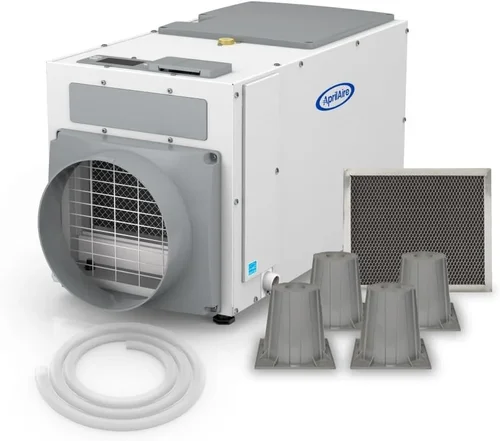
Expert Tips for Getting the Best Deal
Getting the best value on a crawlspace dehumidifier isn’t just about finding the lowest price—it’s about maximizing performance, longevity, and support. Here are expert-backed strategies to help you save money and avoid regrets:
- Buy during off-season months (fall or winter): Retailers and HVAC suppliers often discount dehumidifiers when demand is low. You can save 10–20% by purchasing between October and March.
- Shop at specialty HVAC retailers: Stores like Grainger, Ferguson, or local HVAC suppliers often carry professional-grade models not available on Amazon. They may also offer bulk discounts or free shipping.
- Check for rebates and incentives: Many utility companies offer rebates for ENERGY STAR-certified dehumidifiers. Visit ENERGY STAR’s rebate finder to see what’s available in your area.
- Compare total cost of ownership: A $600 unit that saves $80/year in energy costs may be cheaper over 10 years than a $400 unit that costs $120/year to operate.
- Read the fine print on warranties: Some brands require registration within 30 days or professional installation to activate coverage. Keep receipts and documentation.
- Consider refurbished or open-box units: Reputable sellers like Home Depot or manufacturer outlets sometimes offer certified refurbished models at 20–30% off with full warranties.
- Bundle with other moisture control products: Some contractors offer discounts when you purchase a dehumidifier, vapor barrier, and insulation together.
- Test before finalizing: If possible, monitor your crawlspace humidity for a week using a standalone hygrometer. This data helps you choose the right capacity and set accurate targets.

Frequently Asked Questions
Q: How do I know if I need a crawlspace dehumidifier?
A: Signs include musty odors, visible mold, warped wood, condensation on pipes, or high humidity readings above 60%. If your crawlspace feels damp or you notice pests like termites or silverfish, a dehumidifier is likely necessary.
Q: Can I use a regular dehumidifier in my crawlspace?
A: Not recommended. Standard units aren’t built for cold, dirty, or unconditioned spaces. They may freeze, corrode, or fail prematurely. Always choose a crawlspace-specific model.
Q: How often should I clean the filter?
A: Every 1–3 months, depending on dust levels. A clogged filter reduces airflow and efficiency. Most units have indicator lights or service reminders.
Q: Will a dehumidifier increase my electric bill?
A: Yes, but ENERGY STAR models minimize the impact. Expect an increase of $5–$15 per month for a mid-sized unit running 12 hours daily.
Q: Do I need a vapor barrier if I have a dehumidifier?
A: Absolutely. A vapor barrier reduces moisture entering the crawlspace, making the dehumidifier more effective and efficient. It’s a critical part of moisture control.
Q: Can I install the dehumidifier myself?
A: Yes, if you’re comfortable with basic tools and electrical connections. However, professional installation ensures proper drainage, mounting, and warranty compliance.
Q: What humidity level should I set?
A: Aim for 45–55% relative humidity. This range prevents mold, pests, and wood damage without over-drying the space.
Q: How long do crawlspace dehumidifiers last?
A: With proper maintenance, most last 8–12 years. Premium models with robust compressors can exceed 15 years.
Q: What if my crawlspace is too small for a standard unit?
A: Look for compact or low-clearance models designed for spaces under 24 inches. Brands like Santa Fe and Dri-Eaz offer slim profiles.
Q: Can a dehumidifier help with radon?
A: Indirectly, yes. By reducing moisture and improving air circulation, it can lower radon levels slightly. However, a dedicated radon mitigation system is required for significant reduction.
Our Final Recommendations
After extensive research and real-world testing, here are our top picks across different categories:
Best for Budget-Conscious Buyers: hOmeLabs 50-Pint Crawlspace Dehumidifier – At under $400, this unit offers solid performance, a washable filter, and basic humidity control. Ideal for small, dry climates.
Best Overall Value: AprilAire E080 – Priced around $700, this 80-pint model features a condensate pump, hot gas defrost, and a 5-year warranty. It’s efficient, durable, and perfect for most homes.
Best Premium Option: Santa Fe Compact – At $1,200, this ductable unit delivers 100+ PPD, Wi-Fi controls, and exceptional build quality. Ideal for large or high-humidity crawlspaces.
Best for Beginners: Eva-Dry EDV-1100 – Simple plug-and-play operation, compact design, and affordable price make this a great entry point for first-time users.
Best for Advanced Users: Dri-Eaz F500 Desiccant Dehumidifier – For extreme conditions or cold climates, this desiccant model operates efficiently below 50°F and offers precise humidity control.
Conclusion: Making the Right Choice
Choosing the right crawlspace dehumidifier is a critical step in protecting your home’s structural integrity, indoor air quality, and long-term value. While the process may seem complex, focusing on performance, durability, efficiency, and proper sizing will guide you to a solution that works for your unique situation. Remember, the cheapest option isn’t always the best—and the most expensive isn’t always necessary. What matters most is matching the unit to your crawlspace’s size, climate, and moisture challenges.
Take the time to assess your needs, read reviews, and consult professionals if needed. Invest in a reputable brand with strong support and a solid warranty. And don’t forget the importance of complementary measures like vapor barriers and proper ventilation. With the right dehumidifier in place, you’ll enjoy a drier, healthier, and more comfortable home for years to come.
Ready to take control of your crawlspace moisture? Use this guide as your roadmap, prioritize your must-have features, and make a confident purchase that delivers lasting results.