
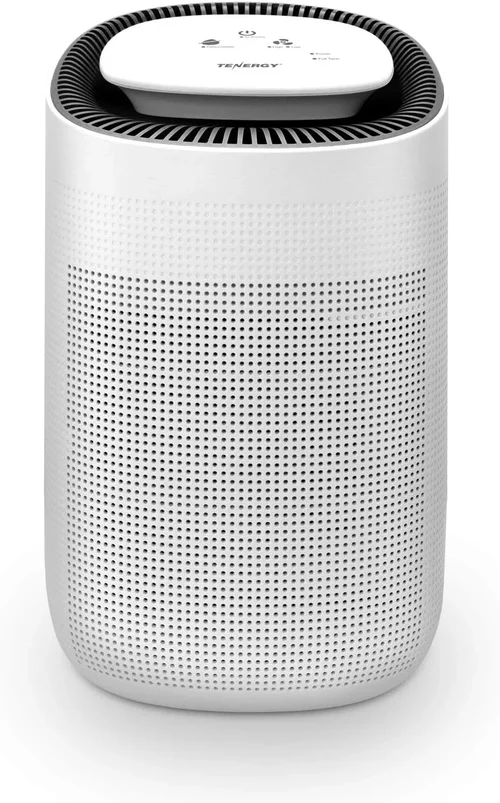
Maintaining healthy indoor air quality is no longer a luxury—it’s a necessity. Whether you’re battling seasonal allergies, living in a humid climate, or simply striving for a cleaner, more comfortable home environment, the right combination of a dehumidifier and air purifier can make a dramatic difference. These two appliances work hand-in-hand: dehumidifiers reduce excess moisture that fosters mold, dust mites, and musty odors, while air purifiers capture airborne pollutants like pollen, pet dander, smoke, and volatile organic compounds (VOCs). Together, they create a synergistic effect that supports respiratory health, protects your home’s structure, and enhances overall well-being.
Yet, with hundreds of models on the market—ranging from budget-friendly units to high-end smart systems—choosing the best dehumidifier and air purifier can feel overwhelming. Conflicting claims, technical jargon, and inconsistent performance reviews add to the confusion. That’s why this guide exists: to cut through the noise and give you a clear, expert-backed roadmap for making an informed decision. Whether you’re shopping for your first unit or upgrading from an older model, you’ll learn exactly what matters most—from performance metrics and build quality to smart features and long-term value.
The market today offers incredible innovation. You’ll find compact, energy-efficient dehumidifiers with auto-humidistats and continuous drainage options, as well as air purifiers equipped with HEPA filters, UV-C light, and real-time air quality monitoring. Some even integrate both functions into a single device. But not all products live up to their promises. By the end of this comprehensive guide, you’ll understand how to evaluate specs, avoid common pitfalls, compare types and brands, and ultimately select the perfect system for your space, lifestyle, and budget.

What to Look for When Buying Buying Guide
1. Performance Specifications
Performance is the cornerstone of any effective dehumidifier or air purifier. For dehumidifiers, the key metric is pint capacity—the amount of moisture removed per day under standard conditions (typically 60% relative humidity at 80°F). A 30-pint unit suits small basements or bedrooms (up to 500 sq ft), while 50–70-pint models are ideal for larger spaces like full basements or open-concept living areas. However, don’t rely solely on manufacturer claims; look for AHAM (Association of Home Appliance Manufacturers) certified ratings, which ensure real-world accuracy.
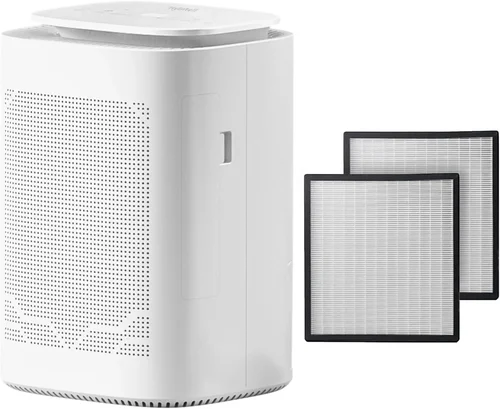
For air purifiers, focus on the Clean Air Delivery Rate (CADR), which measures how quickly a unit filters smoke, dust, and pollen. Higher CADR numbers mean faster purification. The AHAM-recommended standard is a CADR of at least two-thirds the room’s square footage. For example, a 300 sq ft room needs a CADR of 200 or higher. Also check the filter type: True HEPA filters capture 99.97% of particles as small as 0.3 microns, making them essential for allergy sufferers. Avoid “HEPA-like” or “HEPA-type” filters—they don’t meet the same rigorous standards.
2. Budget & Price Range
Your budget will significantly influence your options, but it shouldn’t be the only deciding factor. Entry-level dehumidifiers start around $100–$150 and often lack advanced features like auto-restart after power outages or digital humidity controls. Mid-range models ($200–$350) typically offer better build quality, quieter operation, and programmable timers. Premium units ($400+) may include smart connectivity, dual drainage options, and corrosion-resistant coils for longevity.
Air purifiers follow a similar pattern. Basic units with HEPA filters can be found for $80–$150, but they may have limited coverage or noisy fans. Mid-tier models ($200–$400) usually provide multi-stage filtration (pre-filter, HEPA, activated carbon), quiet sleep modes, and intuitive controls. High-end purifiers ($500+) often feature laser particle sensors, app integration, and washable pre-filters that reduce long-term costs.
Remember: cheaper isn’t always better. A $120 dehumidifier that breaks after two years costs more in the long run than a $250 model with a 5-year warranty. Factor in filter replacement costs (typically $30–$80 annually for air purifiers) and energy efficiency when calculating total ownership cost.
3. Build Quality & Durability
A well-built unit lasts longer, performs more reliably, and requires less maintenance. Look for sturdy casings made from high-grade plastic or metal, especially if you plan to move the unit between rooms. Check for reinforced handles, smooth-rolling casters, and secure filter compartments. For dehumidifiers, inspect the coil material—aluminum or copper coils resist corrosion better than cheaper alternatives, particularly in damp environments like basements.
Sealed compressor systems in dehumidifiers reduce noise and improve efficiency. Similarly, air purifiers with solid-state motors and vibration-dampening mounts operate more quietly. Avoid flimsy plastic grilles or poorly fitted panels—these are signs of cost-cutting that can lead to premature failure. Reading long-term user reviews (especially those spanning 2–3 years) is one of the best ways to gauge real-world durability.
4. Features & Functionality
Modern units come packed with features, but not all are essential. Prioritize based on your needs. For dehumidifiers, look for:
– Auto-humidistat: Maintains your desired humidity level (ideally 30–50%) without manual adjustments.
– Continuous drainage: Allows hose attachment for unattended operation—critical for basements or crawl spaces.
– Auto-defrost: Prevents ice buildup in cold environments (below 65°F).
– Energy Star certification: Ensures lower electricity consumption.
For air purifiers, valuable features include:
– Timer and sleep mode: Reduces noise and power use at night.
– Filter change indicator: Alerts you when it’s time to replace filters.
– Air quality sensor: Automatically adjusts fan speed based on real-time pollution levels.
– Washable pre-filters: Save money and reduce waste.
Smart features like Wi-Fi connectivity and voice control (via Alexa or Google Assistant) are convenient but not necessary for everyone. If you value automation and remote monitoring, they’re worth the premium. Otherwise, stick to core functionality.
5. Brand Reputation
Not all brands are created equal. Established manufacturers like Honeywell, Levoit, Winix, Frigidaire, and GE have decades of experience and robust customer support networks. They also tend to use higher-quality components and offer better warranties. Lesser-known brands may offer tempting prices, but inconsistent quality control and limited service centers can become headaches down the line.
Research brand history: Do they specialize in air treatment products? Are their customer service ratings high on platforms like Trustpilot or the Better Business Bureau? Brands with a strong track record in both dehumidifiers and air purifiers (like Honeywell or Winix) often provide more reliable cross-product compatibility and firmware updates for smart models.
6. Warranty & Support
A solid warranty is a strong indicator of a manufacturer’s confidence in their product. Most reputable brands offer at least a 1-year limited warranty, but premium models often include 2–5 years of coverage. Pay attention to what’s covered: Does it include labor, parts, and shipping? Is the warranty voided if you use third-party filters?
Customer support matters too. Can you easily reach a human representative? Are troubleshooting guides and video tutorials available online? Some brands, like Dyson and Blueair, offer dedicated support lines for air purifier issues. Others may redirect you to generic call centers. Check recent user reviews for insights into post-purchase service quality.
7. Size & Portability
Even the most powerful unit is useless if it doesn’t fit your space or is too cumbersome to move. Dehumidifiers range from compact 20-pint units (about the size of a carry-on suitcase) to large 70-pint behemoths that weigh over 50 pounds. Consider ceiling height, doorways, and storage space. Units with recessed handles and swivel casters are easier to maneuver.
Air purifiers are generally lighter but still vary in footprint. Tower designs save floor space, while boxy models may offer larger filters and better airflow. If you plan to use the purifier in multiple rooms (e.g., bedroom at night, living room during the day), prioritize lightweight designs under 15 pounds with ergonomic handles.
8. User Reviews & Ratings
While specs tell part of the story, real user experiences reveal the rest. Look beyond star ratings and read detailed reviews—especially those with photos or videos. Pay attention to recurring themes: Does the unit struggle in high humidity? Does the air purifier emit a chemical smell from new filters? Are replacement filters hard to find?
Use trusted platforms like Amazon, Home Depot, or Consumer Reports. Filter reviews by “verified purchase” and sort by “most recent” to avoid outdated feedback. Be wary of overly positive reviews that sound scripted—they may be incentivized. Instead, focus on balanced critiques that mention both pros and cons.
Different Types of Buying Guide

Common Buying Mistakes to Avoid
❌ Mistake: Ignoring Room Size and Humidity Levels
Why it’s bad: Buying a dehumidifier or air purifier without considering your room’s square footage and ambient conditions leads to underperformance or wasted money. A 30-pint dehumidifier in a 1,500 sq ft basement will run nonstop and still fail to control moisture. Similarly, an air purifier with a low CADR in a large living room won’t clean the air effectively.
What to do instead: Measure your space accurately and assess humidity levels with a hygrometer (many smart thermostats include this). Choose a unit rated for at least 20–30% larger than your actual room size to account for airflow obstructions and high pollution sources.
❌ Mistake: Overvaluing “HEPA-Type” Filters
Why it’s bad: Many budget air purifiers advertise “HEPA-type” or “HEPA-like” filters, which do not meet the true HEPA standard (99.97% efficiency at 0.3 microns). These filters may capture larger particles but miss fine allergens like mold spores or smoke.
What to do instead: Only buy units labeled “True HEPA” or “Medical-Grade HEPA.” Check the product specifications or packaging for certification details. If in doubt, consult the manufacturer or look for AHAM verification.
❌ Mistake: Neglecting Filter Replacement Costs
Why it’s bad: Air purifiers require regular filter changes (every 6–12 months), and proprietary filters can be expensive. Some brands charge $80+ per replacement, turning a $200 purchase into a $400+ annual expense.
What to do instead: Calculate the annual filter cost before buying. Opt for models with washable pre-filters or third-party compatible filters. Some brands, like Levoit, offer subscription services with discounts.
❌ Mistake: Assuming All Smart Features Are Useful
Why it’s bad: Wi-Fi connectivity, app controls, and voice commands sound impressive but may go unused. Poorly designed apps can be buggy, and firmware updates may break functionality. You might pay a 30% premium for features you never touch.
What to do instead: Only invest in smart features if you’ll actually use them. For most users, a simple timer, auto mode, and filter indicator are sufficient. Test the app (if possible) before purchasing.
❌ Mistake: Buying Based Solely on Price
Why it’s bad: The cheapest unit often cuts corners on materials, filtration, and safety. It may lack essential protections like thermal cutoffs or use low-quality compressors that fail prematurely.
What to do instead: Balance price with long-term value. Consider energy efficiency (look for Energy Star labels), warranty length, and user reliability ratings. A mid-range model with a 3-year warranty often outperforms a bargain bin special.
❌ Mistake: Placing Units Incorrectly
Why it’s bad: Even the best dehumidifier or air purifier won’t work well if blocked by furniture, curtains, or walls. Poor placement restricts airflow, reducing efficiency and increasing runtime.
What to do instead: Place dehumidifiers at least 6–12 inches away from walls and in central locations. Air purifiers should be positioned where air circulates freely—avoid corners or behind couches. Use fans to improve air movement if needed.
❌ Mistake: Overlooking Noise Levels
Why it’s bad: Loud units disrupt sleep, work, and relaxation. Dehumidifiers with rattling compressors or air purifiers with high-pitched fans can become unbearable over time.
What to do instead: Check decibel (dB) ratings—ideally under 50 dB for bedrooms. Read user reviews about noise, especially in sleep mode. Some brands publish sound level data by fan speed.
Budget Guidelines: How Much Should You Spend?
– Entry-Level ($100–$200): Suitable for small spaces (under 500 sq ft) or occasional use. Expect basic controls, limited features, and shorter lifespans. Air purifiers may lack true HEPA filtration. Dehumidifiers might not have continuous drainage. Best for students, renters, or supplemental use.
– Mid-Range ($200–$400): The sweet spot for most homeowners. Units in this range offer reliable performance, true HEPA filters, programmable timers, and solid build quality. Many include Energy Star certification and decent warranties. Ideal for bedrooms, living rooms, and moderate humidity issues.
– Premium ($400–$700): Designed for larger homes, severe allergies, or high-humidity environments. Features include smart sensors, app control, dual drainage, and advanced filtration (e.g., UV-C, ionizers). Expect quieter operation, longer warranties (3–5 years), and better energy efficiency.
– Luxury ($700+): Top-tier models with cutting-edge technology, premium materials, and professional-grade performance. Often used in medical facilities, large basements, or luxury homes. May include whole-house integration, self-cleaning filters, or hospital-grade sterilization. Justified only for extreme needs or tech enthusiasts.
Expert Tips for Getting the Best Deal
– Buy during off-seasons: Dehumidifiers are cheapest in winter (January–March), while air purifiers see discounts in late summer (August–September) before allergy season. Retailers clear inventory to make room for new models.
– Shop refurbished or open-box: Certified refurbished units from manufacturers like Honeywell or Winix often come with full warranties and save 20–40%. Open-box deals at Best Buy or Home Depot can offer similar savings.
– Compare total cost of ownership: Include filter replacements, electricity, and potential repairs. A $300 unit with $50/year filters may cost more over 5 years than a $400 model with washable filters.
– Check return policies: Ensure you can return the unit within 30–60 days if it doesn’t meet expectations. Some retailers charge restocking fees, so read the fine print.
– Look for bundle deals: Some brands offer discounts when you buy a dehumidifier and air purifier together. Others provide free filters or extended warranties with purchase.
– Use price tracking tools: Set alerts on CamelCamelCamel (for Amazon) or Honey (browser extension) to notify you when prices drop.
– Test in-store when possible: If buying locally, ask to see the unit in action. Listen for noise, check build quality, and verify control layout.
– Register your product: This activates your warranty and may qualify you for firmware updates or service alerts.
Frequently Asked Questions
Q: Can one unit do both dehumidifying and air purification?
A: Yes, combo units exist and are great for small spaces. However, they often compromise on capacity—dehumidifiers may be smaller, and air purifiers may have reduced CADR. For whole-home coverage, separate units usually perform better.
Q: How often should I run my dehumidifier?
A: Run it continuously until your target humidity (30–50%) is reached, then switch to auto mode. In humid climates, daily use is normal. In dry seasons, you may only need it occasionally.
Q: Do air purifiers remove odors?
A: Only if they include an activated carbon filter. HEPA filters capture particles but not gases. For smoke, cooking smells, or pet odors, choose a model with a robust carbon layer.
Q: Are ionizers safe?
A: Ionizers can produce trace ozone, a lung irritant. While most consumer models stay below safety limits, allergy or asthma sufferers should avoid them. Opt for mechanical filtration (HEPA + carbon) instead.
Q: Can I use a dehumidifier in winter?
A: Only if temperatures stay above 65°F. Below that, compressor dehumidifiers ice up. Desiccant models work in cold temps but are less efficient. Consider a basement-specific unit with auto-defrost.
Q: How do I know when to replace filters?
A: Most units have indicator lights. If not, replace HEPA filters every 6–12 months and carbon filters every 3–6 months. Clogged filters reduce airflow and strain the motor.
Q: Will an air purifier help with COVID-19?
A: While no device guarantees protection, HEPA filters can capture virus-laden aerosols. The CDC recommends portable air cleaners as part of a layered approach (alongside masks and ventilation).
Q: Can I leave my dehumidifier on 24/7?
A: Yes, especially in auto mode. Modern units are designed for continuous operation. Just ensure proper drainage and clean the water tank weekly to prevent mold.
Q: What’s the ideal indoor humidity level?
A: Between 30% and 50%. Below 30%, skin and respiratory tracts dry out. Above 50%, mold and dust mites thrive. Use a hygrometer to monitor levels.
Q: Are bigger filters better?
A: Larger filters generally have more media and last longer, but they must fit your unit precisely. Never force a non-standard filter—it can damage the fan or reduce efficiency.
Our Final Recommendations
– Best for Budget-Conscious Buyers: Levoit Core 300 (air purifier) + hOmeLabs 30 Pint (dehumidifier). Together under $300, they offer true HEPA filtration and reliable moisture control for small to mid-sized rooms.
– Best Overall Value: Winix 5500-2 (air purifier) + Frigidaire FFAD5033W1 (50-pint dehumidifier). This combo delivers excellent performance, smart features, and Energy Star efficiency for around $500.
– Best Premium Option: Blueair Blue Pure 211+ (air purifier) + AprilAire E080 (whole-home dehumidifier). Ideal for large homes or severe humidity issues, with professional-grade build and app integration.
– Best for Beginners: Honeywell TP50WKN (dehumidifier) + LEVOIT LV-H132 (air purifier). Simple controls, clear indicators, and strong customer support make these user-friendly choices.
– Best for Advanced Users: Dyson Purifier Humidify+Cool Formaldehyde. A high-tech combo unit that purifies, humidifies, and cools—perfect for tech-savvy users who want all-in-one climate control.
Conclusion: Making the Right Choice
Choosing the best dehumidifier and air purifier isn’t about finding the most expensive or feature-packed model—it’s about matching the right technology to your specific environment, health needs, and lifestyle. Start by assessing your space: How big is the room? What’s the average humidity? Do you have pets, allergies, or smokers in the home? From there, prioritize performance specs like pint capacity and CADR, then layer in features that genuinely improve your daily life.
Don’t let marketing hype sway you. True HEPA, AHAM certification, and Energy Star ratings matter far more than flashy apps or celebrity endorsements. And remember, maintenance is part of the equation—regular filter changes and cleaning ensure long-term effectiveness.
Ultimately, investing in clean, balanced indoor air is an investment in your health and comfort. Whether you’re protecting a newborn’s nursery, managing chronic asthma, or simply creating a fresher living space, the right system will pay dividends for years to come. Use this guide as your compass, trust your research, and breathe easier knowing you’ve made a smart, informed decision.