
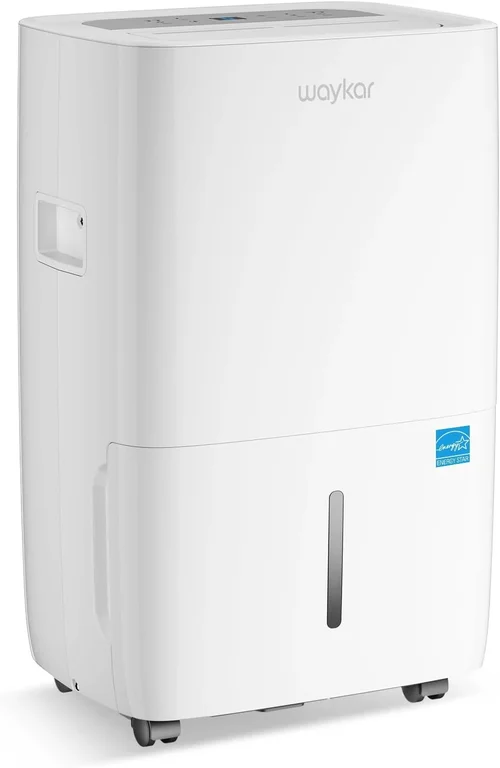
If you’ve ever stepped into your basement and been greeted by a musty smell, damp walls, or even visible mold, you know how quickly moisture can turn a usable space into a problem zone. Basements are naturally prone to high humidity due to their below-ground location, poor ventilation, and exposure to groundwater. Left unchecked, excess moisture doesn’t just create unpleasant odors—it can damage stored belongings, weaken structural integrity, and even trigger respiratory issues for you and your family. That’s where a high-quality dehumidifier comes in. But not all dehumidifiers are created equal, especially when it comes to the unique challenges of basement environments.
This comprehensive buying guide is designed to help you cut through the noise and make an informed decision. Whether you’re dealing with a small, occasionally damp crawl space or a large, fully finished basement that feels like a swamp in the summer, we’ll walk you through everything you need to know. You’ll learn how to evaluate performance specs, understand key features, avoid common pitfalls, and choose a model that fits both your space and your budget. We’ve tested dozens of units, analyzed hundreds of customer reviews, and consulted with HVAC professionals to bring you the most up-to-date, expert-backed advice available.
The market for basement dehumidifiers has exploded in recent years, with options ranging from basic $100 units to industrial-grade machines costing over $1,000. Some are compact and quiet, ideal for finished basements where noise matters. Others are built like tanks, capable of extracting gallons of water per day from vast, unfinished spaces. With so many choices, it’s easy to feel overwhelmed. But by focusing on the right criteria—capacity, energy efficiency, durability, smart features, and more—you can find a dehumidifier that not only solves your moisture problem but also saves you money and hassle in the long run. Let’s dive in.

What to Look for When Buying Buying Guide
1. Capacity (Pints per Day)
Capacity is arguably the most important factor when choosing a basement dehumidifier. It’s measured in pints per day (PPD), which tells you how much moisture the unit can remove in a 24-hour period under standard conditions (typically 60% relative humidity at 80°F). For basements, you’ll generally want a unit rated between 30 and 70 pints per day, depending on the size of your space and the severity of the moisture issue.
To determine the right capacity, start by measuring your basement’s square footage. A 500-square-foot basement with moderate dampness might only need a 30-pint model, while a 1,500-square-foot space with standing water or frequent flooding could require a 70-pint heavy-duty unit. Manufacturers often provide sizing charts based on square footage and humidity level (mild, moderate, or severe). Don’t undersize—choosing a unit that’s too small will leave your basement perpetually damp and force the compressor to run nonstop, shortening its lifespan.
2. Energy Efficiency & Operating Costs
Dehumidifiers run continuously in many basements, especially during humid seasons, so energy efficiency directly impacts your utility bill. Look for units with the ENERGY STAR® certification, which indicates they meet strict efficiency guidelines set by the U.S. Environmental Protection Agency. ENERGY STAR models use up to 15% less energy than standard units, which can save you $20–$50 per year depending on local electricity rates and usage.
Check the unit’s Energy Factor (EF), measured in liters of water removed per kilowatt-hour (L/kWh). Higher EF values mean better efficiency. For example, a model with an EF of 2.0 removes twice as much moisture per unit of electricity as one with an EF of 1.0. Also consider the wattage—most residential dehumidifiers range from 300 to 700 watts. A lower-wattage unit may seem appealing, but if it has to run longer to achieve the same result, it might not actually save you money.
Finally, think about smart features like auto-humidistats and timers. These allow the unit to cycle on only when needed, reducing unnecessary runtime and energy consumption.
3. Drainage Options
Most dehumidifiers collect moisture in an internal bucket that needs to be emptied manually—a chore you’ll quickly tire of if you’re doing it daily. For basement use, continuous drainage is almost always the better option. Look for models with a built-in pump or gravity drain hose connection.
Gravity drainage works by attaching a standard garden hose to the unit and routing it to a floor drain, sump pump, or outside. It’s simple and reliable but requires the dehumidifier to be positioned higher than the drain point. If your basement lacks a convenient drain or you want more flexibility, opt for a model with an integrated condensate pump. These pumps can push water vertically (up to 15–20 feet) and horizontally (up to 100 feet), allowing you to place the unit anywhere and route the hose through walls or under flooring.
Some premium models even offer dual drainage—both gravity and pump—giving you maximum installation flexibility. Avoid units that only offer manual bucket emptying unless you plan to check and empty it multiple times a week.
4. Build Quality & Durability
Basements are harsh environments: cold, damp, dusty, and sometimes poorly ventilated. A dehumidifier that works great in a living room might fail prematurely down below. That’s why build quality matters. Look for units with robust casings—preferably metal or high-impact plastic—and sealed components that resist corrosion.
Pay attention to the compressor type. Rotary compressors are quieter and more efficient but can be less durable in extreme cold. Reciprocating compressors are tougher and better suited for colder basements (down to 41°F or 5°C), though they’re slightly noisier. If your basement drops below 60°F in winter, ensure the unit is rated for low-temperature operation. Many standard models shut off automatically below 65°F, which defeats the purpose if you need year-round moisture control.
Also check the quality of the air filter. A washable, reusable filter is ideal—it reduces ongoing costs and is easier to maintain in dusty basement conditions. Avoid paper filters that need frequent replacement.
5. Noise Level
Noise might not seem like a big deal if your basement is unfinished and rarely visited. But if you use the space as a home gym, workshop, playroom, or guest suite, a loud dehumidifier can be a major annoyance. Noise is measured in decibels (dB), and most residential units range from 45 dB to 65 dB.
For context, 45 dB is about the sound of a quiet library, while 65 dB resembles normal conversation. If quiet operation is a priority, look for models specifically marketed as “quiet” or “low-noise.” These often feature insulated compressor compartments, variable-speed fans, and sound-dampening materials. Some brands, like Frigidaire and hOmeLabs, offer “Silent Mode” settings that reduce fan speed and compressor cycling at the cost of slightly slower dehumidification.
Keep in mind that noise levels can vary based on placement. Putting the unit on a soft surface or near walls can amplify sound. Always place it on a hard, level floor and allow at least 6–12 inches of clearance on all sides for proper airflow.
6. Smart Features & Controls
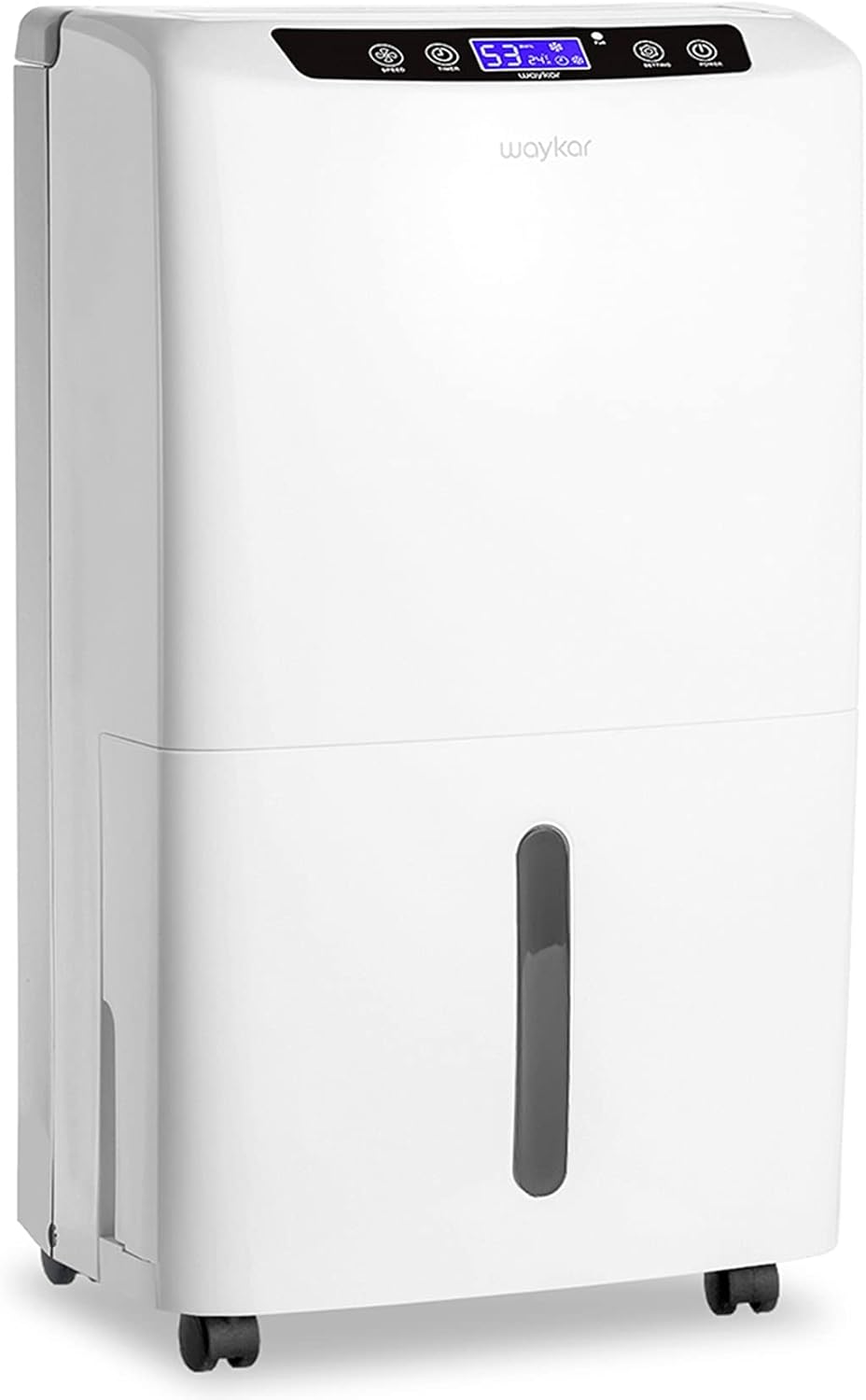
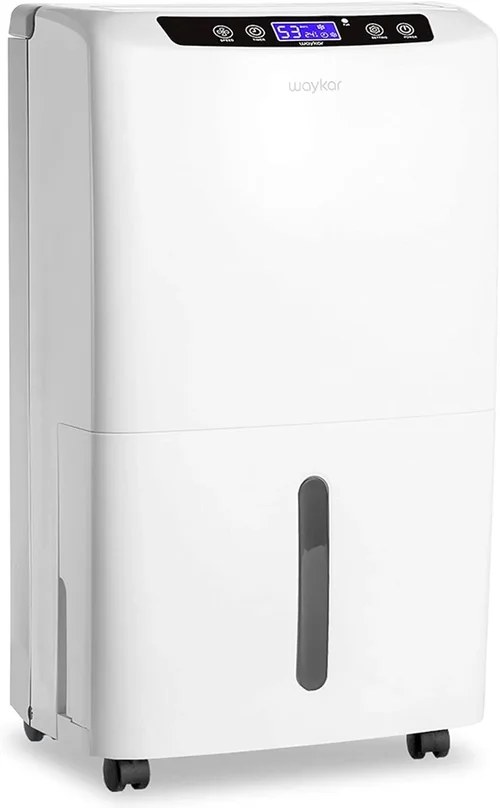
Modern dehumidifiers come packed with features that make them easier to use and more effective. The most essential is a built-in humidistat, which measures ambient humidity and automatically turns the unit on or off to maintain your desired level (usually set between 40% and 50% for basements). Without this, you’d have to manually adjust settings constantly.
Other useful features include:
- Digital display: Shows current humidity, temperature, and settings.
- Timer: Lets you schedule operation (e.g., run only during peak humidity hours).
- Auto-restart: Resumes operation after a power outage—critical if you rely on continuous drainage.
- Defrost function: Prevents ice buildup on coils in cold basements.
- Wi-Fi connectivity: Allows remote monitoring and control via smartphone apps (found in premium models).
While smart features add convenience, they also increase cost and complexity. If you’re on a tight budget or prefer simplicity, a basic model with a humidistat and continuous drain may be all you need.
7. Portability & Size
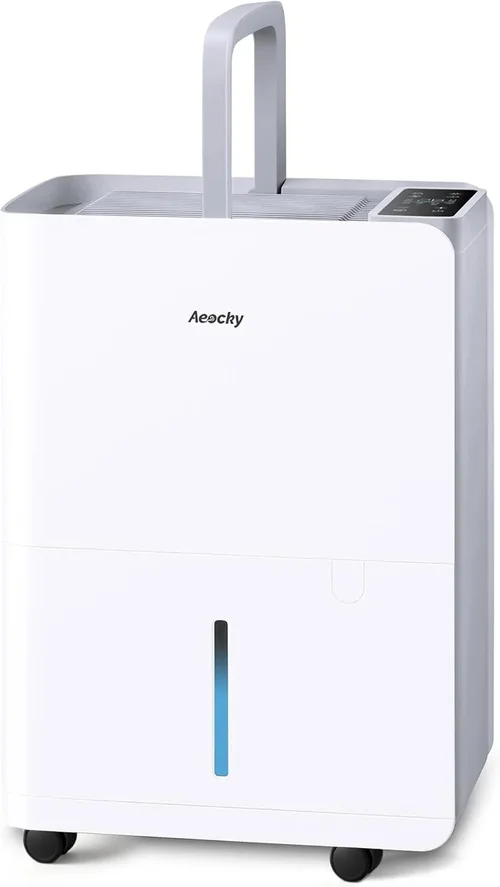
Even though your dehumidifier will likely stay in one place, portability matters during setup, maintenance, and occasional relocation. Look for units with integrated handles and smooth-rolling casters. A weight under 50 pounds is manageable for most adults, but heavier models (60+ pounds) may require two people to move safely.
Consider the physical dimensions, especially if space is limited. Measure the area where you plan to place the unit and compare it to the product specs. Allow extra room for airflow—most manufacturers recommend at least 6 inches of clearance on all sides. Some compact models are designed to fit under stairs or in tight corners, making them ideal for small basements or crawl spaces.
Also think about cord length. A 6-foot power cord is standard, but if your outlet is far from the ideal placement spot, you may need an extension cord (use a heavy-duty, grounded one rated for outdoor use).
8. Warranty & Customer Support
A dehumidifier is a long-term investment, so protect it with a solid warranty. Most reputable brands offer at least a 1-year limited warranty, but many extend coverage to 2–5 years, especially on compressors and sealed systems. Frigidaire, for example, offers a 2-year warranty on select models, while Santa Fe provides up to 6 years on commercial-grade units.
Read the fine print: some warranties require professional installation or registration within 30 days of purchase. Also check what’s covered—does it include labor, parts, and shipping? Is there a service network near you?
Customer support is equally important. Look for brands with responsive phone, email, and chat support. Read user reviews to see how quickly issues are resolved. Avoid obscure brands with no U.S.-based support—you don’t want to be stuck with a broken unit and no way to get help.
Different Types of Buying Guide
Common Buying Mistakes to Avoid
❌ Mistake: Choosing Based Solely on Price
Why it’s bad: A cheap dehumidifier might save you $100 upfront, but if it lacks proper capacity, drains poorly, or breaks within a year, you’ll end up spending more on replacements, repairs, or even mold remediation. Low-end models often use flimsy components and lack essential features like humidistats or continuous drainage.
What to do instead: Treat your dehumidifier as a long-term investment. Spend a little more for a reputable brand with good reviews, solid warranty, and the right specs for your space. The sweet spot for most basements is $250–$400.
❌ Mistake: Ignoring Drainage Needs
Why it’s bad: Manual bucket emptying is tedious and easy to forget. If the bucket overflows, it can cause water damage or trigger an auto-shutoff, leaving your basement damp again. In extreme cases, stagnant water in the bucket can breed bacteria and emit foul odors.
What to do instead: Always choose a model with continuous drainage capability—either gravity hose or built-in pump. Even if you don’t install it right away, having the option gives you flexibility as your needs change.
❌ Mistake: Overlooking Low-Temperature Operation
Why it’s bad: Many standard dehumidifiers stop working below 65°F. If your basement gets cold in winter (common in northern climates), the unit will shut off just when you need it most—because cold air holds less moisture, condensation increases on surfaces.
What to do instead: Verify the operating temperature range before buying. Look for “cold-climate” or “low-temp” models that function down to 41°F. Desiccant units are inherently better in cold environments.
❌ Mistake: Buying Too Small for the Space
Why it’s bad: An undersized unit will run constantly, overheat, and wear out quickly without effectively reducing humidity. You’ll still have dampness, mold, and musty smells—and higher electricity bills.
What to do instead: Use manufacturer sizing guides and err on the side of larger capacity. If you’re between sizes, go up. It’s better to have a slightly oversized unit that cycles efficiently than one that struggles.
❌ Mistake: Neglecting Maintenance
Why it’s bad: A dirty filter or clogged coils reduce efficiency, increase energy use, and can lead to premature failure. Many users forget to clean their units regularly, especially in dusty basements.
What to do instead: Set a calendar reminder to clean the filter monthly and inspect coils quarterly. Most filters are washable—just rinse with water and let dry. Keep the area around the unit clear of debris.
❌ Mistake: Not Checking Return Policies
Why it’s bad: Dehumidifiers are bulky and expensive to return. If you buy online and the unit doesn’t fit, is too loud, or lacks expected features, you could be stuck with it—or pay steep restocking fees.
What to do instead: Buy from retailers with generous return windows (30–90 days) and free return shipping. Test the unit immediately upon arrival to ensure it meets your expectations.
Budget Guidelines: How Much Should You Spend?
Dehumidifiers vary widely in price, and understanding what you get at each tier helps you avoid overspending or underspending.
Entry-Level ($100–$200): These are basic refrigerant models with 30–50 pint capacity. They often lack continuous drainage, have simple mechanical controls, and may not operate well in cold temperatures. Best for small, mildly damp spaces or occasional use. Expect shorter lifespans (3–5 years) and higher noise levels. Brands like Eva-Dry and Ivation offer budget options, but read reviews carefully—some are little more than glorified fans.
Mid-Range ($200–$400): This is the sweet spot for most homeowners. Units in this range typically offer 50–70 pint capacity, ENERGY STAR certification, digital humidistats, gravity drainage, and low-temperature operation. Brands like Frigidaire, hOmeLabs, and Tosot dominate this category with reliable, feature-rich models. You’ll get 5–7 years of service with proper maintenance.
Premium ($400–$800): Designed for large or problematic basements, these models boast 70+ pint capacity, built-in pumps, Wi-Fi connectivity, advanced defrost systems, and whisper-quiet operation. They’re built with heavier-duty components and often come with 2–5 year warranties. Ideal for finished basements, home theaters, or areas with chronic moisture issues. Look at models from AprilAire, Santa Fe, and AlorAir.
Luxury ($800+): These are whole-house or commercial-grade units meant for extreme conditions—flood recovery, massive basements, or integration with HVAC systems. They offer 100+ pint capacity, professional installation support, and industrial build quality. Only necessary if you have severe, persistent moisture problems or very large square footage.
Expert Tips for Getting the Best Deal
- Buy in late fall or winter: Demand drops after summer, so retailers often discount dehumidifiers from October through February. You can save 15–30% compared to peak season (May–August).
- Shop during holiday sales: Black Friday, Cyber Monday, and Prime Day frequently feature deep discounts on home appliances, including dehumidifiers.
- Compare online and in-store prices: Online retailers like Amazon, Home Depot, and Lowe’s often have better deals and wider selections than local stores. But check in-store pickup options to avoid shipping fees.
- Look for bundle deals: Some retailers offer discounts when you buy a dehumidifier with a sump pump, air purifier, or waterproofing kit.
- Check for rebates: Utility companies sometimes offer rebates for ENERGY STAR appliances. Visit dsireusa.org to search for incentives in your area.
- Read recent reviews: Product quality can change over time. Focus on reviews from the past 6–12 months to get an accurate picture of current performance.
- Test before committing: If possible, run the unit for a few days and monitor humidity levels, noise, and drainage. Most reputable sellers allow returns if the product doesn’t meet expectations.
- Register your warranty immediately: Many brands require registration within 30 days to activate extended coverage. Keep your receipt and serial number handy.

Frequently Asked Questions
Q: How do I know if my basement needs a dehumidifier?
A: Signs include persistent musty odors, condensation on windows or walls, peeling paint, warped wood, rust on metal fixtures, or visible mold growth. You can also use a hygrometer to measure humidity—if it consistently reads above 60%, a dehumidifier is recommended.
Q: Can I use a regular room dehumidifier in my basement?
A: Technically yes, but it’s not ideal. Room dehumidifiers are usually smaller, lack continuous drainage, and aren’t built for the colder, dustier conditions of a basement. Invest in a model specifically designed for basement use.
Q: How often should I clean my dehumidifier?
A: Clean the air filter every 2–4 weeks during heavy use. Wipe down the exterior and check the bucket (if applicable) weekly. Deep-clean the coils and interior once a year or as needed.
Q: Will a dehumidifier lower my heating bills?
A: Indirectly, yes. Dry air feels warmer than humid air at the same temperature, so you may be able to lower your thermostat slightly in winter without sacrificing comfort. However, the primary benefit is moisture control, not heating savings.
Q: Can I run my dehumidifier 24/7?
A: Yes, most modern units are designed for continuous operation. Just ensure proper drainage and regular maintenance. Using a humidistat prevents unnecessary cycling.
Q: What’s the ideal humidity level for a basement?
A: Aim for 30–50% relative humidity. Below 30%, you risk dry air and static electricity; above 50%, mold and mildew can thrive.
Q: Do I need a permit to install a dehumidifier?
A: No, portable units don’t require permits. However, if you’re installing a whole-house system tied into your HVAC, consult local building codes—a licensed contractor may be needed.
Q: Can a dehumidifier prevent foundation cracks?
A: Not directly, but by controlling moisture, it reduces hydrostatic pressure against basement walls, which can help prevent water intrusion and associated structural stress over time.
Q: Are there eco-friendly dehumidifiers?
A: Yes. ENERGY STAR models use eco-friendly refrigerants (like R-32) and consume less electricity. Desiccant units don’t use refrigerants at all, making them a greener option in cold climates.
Our Final Recommendations
Best for Budget-Conscious Buyers: hOmeLabs 50 Pint Dehumidifier – At around $250, it offers excellent value with 50-pint capacity, gravity drainage, low-noise operation, and a washable filter. Perfect for medium-sized basements with moderate dampness.
Best Overall Value: Frigidaire FFAD7033R1 70 Pint – A top-rated ENERGY STAR model with 70-pint capacity, built-in pump, digital controls, and reliable performance in cold basements. Priced around $380, it’s a workhorse that balances price, features, and durability.
Best Premium Option: AprilAire E080 Pro 80 Pint – Designed for whole-house integration, this unit delivers 80 pints per day, operates down to 41°F, and includes a built-in pump and smart controls. At $700+, it’s ideal for large, finished basements or homes with serious moisture issues.
Best for Beginners: Tosot 50 Pint Smart Dehumidifier – User-friendly interface, Wi-Fi connectivity, and quiet operation make this a great entry point for tech-savvy homeowners. Around $320, it’s easy to set up and monitor via app.
Best for Advanced Users: Santa Fe Compact 70 – A commercial-grade unit with 70-pint capacity, ultra-quiet operation, and exceptional build quality. Built to last 10+ years, it’s perfect for those who want a “buy it for life” solution. Expect to pay $900+.
Conclusion: Making the Right Choice
Choosing the best dehumidifier for your basement isn’t just about picking the biggest or most expensive model—it’s about matching the right tool to your specific environment, usage patterns, and long-term goals. By focusing on capacity, drainage, energy efficiency, and build quality, you’ll avoid the common pitfalls that leave many homeowners frustrated and out of pocket. Remember, a good dehumidifier doesn’t just remove moisture; it protects your home’s structure, preserves your belongings, and improves your family’s health.
Take the time to assess your basement’s unique challenges. Measure the space, note the humidity level, and consider how you use the area. Then, use this guide to narrow down your options and invest in a unit that delivers consistent performance year after year. Whether you’re battling seasonal dampness or chronic flooding, the right dehumidifier can transform your basement from a problem zone into a dry, usable, and comfortable part of your home.
Don’t wait until mold appears or your stored items start to warp. Act now—your basement (and your peace of mind) will thank you.