
Buying a dehumidifier for your basement can prevent mold, musty odors, and structural damage. This guide walks you through choosing the right size, features, and placement to keep your basement dry and comfortable year-round.
Quick Answers to Common Questions
What size dehumidifier do I need for a 1,500 sq ft basement?
A 30–50 pint-per-day (PPD) dehumidifier is ideal for a 1,500 sq ft basement, especially if it’s moderately damp. Choose 50 PPD if you notice frequent condensation or musty odors.
Should I get a dehumidifier with a built-in pump?
Yes, if your basement doesn’t have a nearby drain. A built-in pump lets you drain water upward and over long distances, eliminating the need to empty the tank manually.
Can I run a dehumidifier in winter?
Only if it has auto-defrost and your basement stays above 60°F. Otherwise, the coils may freeze and stop working.
How often should I clean my dehumidifier filter?
Clean the filter every 4–6 weeks during heavy use, or monthly if your basement is very dusty. A clean filter improves airflow and efficiency.
Will a dehumidifier help with mold?
Yes, by reducing humidity below 50%, a dehumidifier inhibits mold growth. But if mold is already present, clean it first and fix any water leaks.
How to Buy a Dehumidifier for Basement: A Complete Step-by-Step Guide
If your basement feels damp, smells musty, or shows signs of mold, you’re not alone. Basements are naturally prone to high humidity due to poor ventilation, groundwater seepage, and cooler temperatures. The good news? A quality dehumidifier can make a huge difference. But with so many models on the market, how do you choose the right one?
This guide will walk you through everything you need to know to buy the best dehumidifier for your basement. From understanding capacity and energy efficiency to placement and maintenance, we’ll cover it all. By the end, you’ll feel confident selecting a unit that keeps your basement dry, healthy, and comfortable—without wasting money on the wrong model.
Step 1: Assess Your Basement’s Humidity Level
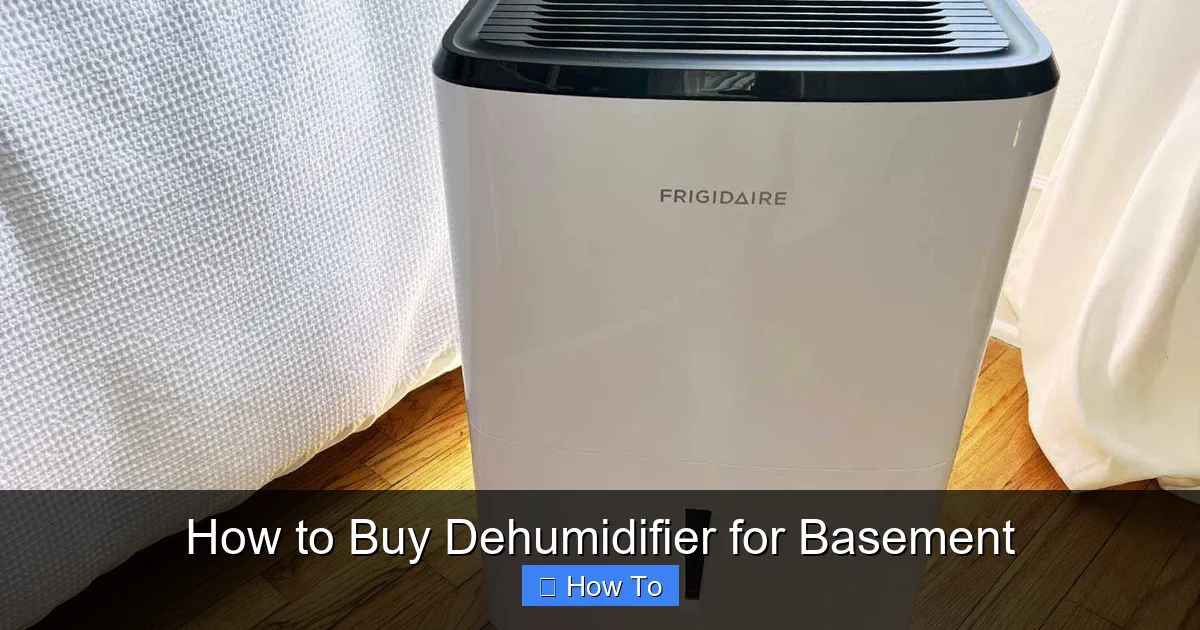
Before you even look at dehumidifiers, you need to know how humid your basement really is. A simple humidity test will help you determine the severity of the problem and guide your purchase.
Visual guide about How to Buy Dehumidifier for Basement
Image source: thespruce.com
Use a Hygrometer
A hygrometer is a small, inexpensive device that measures relative humidity (RH). You can find digital hygrometers at hardware stores or online for under $20. Place it in your basement for 24–48 hours, checking it at different times of day. Ideal basement humidity should be between 30% and 50%.
Look for Visual and Olfactory Clues
Even without a hygrometer, you can spot signs of excess moisture:
- Condensation on walls, windows, or pipes
- Peeling paint or wallpaper
- Musty or earthy smells
- Visible mold or mildew, especially in corners or behind furniture
- Warped wood or rust on metal fixtures
If you notice several of these signs, your basement likely has a moderate to severe humidity issue—meaning you’ll need a more powerful dehumidifier.
Step 2: Determine the Right Size and Capacity
Dehumidifiers are rated by how many pints of moisture they can remove in 24 hours (pints per day, or PPD). Choosing the right capacity is crucial—too small, and it won’t keep up; too large, and you’ll waste energy and money.
Calculate Your Basement’s Square Footage
Measure the length and width of your basement and multiply them to get the total square footage. For example, a 30 ft x 40 ft basement is 1,200 square feet.
Match Capacity to Basement Size and Humidity Level
Use this general guide to match your basement’s needs:
- Small basements (up to 1,500 sq ft), mildly damp: 20–30 PPD
- Medium basements (1,500–2,500 sq ft), moderately damp: 30–50 PPD
- Large basements (over 2,500 sq ft), very damp or wet: 50–70+ PPD
For example, a 2,000 sq ft basement with frequent condensation and a musty smell would benefit from a 50 PPD unit. If your basement floods occasionally or has poor drainage, lean toward the higher end of the range.
Consider the “Dampness” Factor
Manufacturers often classify basements as “moderately damp,” “very damp,” or “wet.” Be honest about your basement’s condition. A unit rated for a “moderately damp” space won’t handle a “wet” basement effectively.
Step 3: Choose the Right Type of Dehumidifier
Not all dehumidifiers are created equal. The two main types—compressor (refrigerant) and desiccant—work differently and suit different needs.
Compressor (Refrigerant) Dehumidifiers
These are the most common and effective for basements. They use a refrigeration cycle to cool air, causing moisture to condense and collect in a tank. They work best in temperatures above 65°F (18°C), which makes them ideal for most finished or semi-finished basements.
Pros: High moisture removal, energy-efficient, affordable.
Cons: Less effective in cold spaces (like unheated basements in winter).
Desiccant Dehumidifiers
These use a moisture-absorbing material (like silica gel) to pull water from the air. They work well in colder temperatures and are often quieter.
Pros: Effective in cold environments, quiet operation.
Cons: Lower moisture removal capacity, higher energy use, more expensive.
For most basements, a compressor dehumidifier is the better choice—unless your basement is unheated and drops below 60°F regularly.
Step 4: Look for Key Features
Modern dehumidifiers come with a range of features that improve performance, convenience, and energy efficiency. Here’s what to prioritize.
Built-in Humidistat
A humidistat lets you set your desired humidity level (e.g., 45%). The dehumidifier will automatically turn on and off to maintain that level, saving energy and preventing over-drying.
Auto-Defrost
If your basement gets cold in winter, look for a model with auto-defrost. This feature prevents the coils from freezing, ensuring the unit keeps working even in low temperatures.
Continuous Drainage Option
Most dehumidifiers have a water tank that needs emptying every 12–24 hours. But if you don’t want to deal with that, choose a model with a built-in pump or gravity drain hose. You can route the hose to a floor drain, sink, or sump pump.
Tip: A built-in pump is especially useful if your basement doesn’t have a nearby drain. Pumps can push water upward and over longer distances.
Washable or Reusable Air Filter
A good filter traps dust, mold spores, and allergens. Look for a washable filter you can clean every few weeks—this saves money and keeps airflow strong.
Energy Efficiency (ENERGY STAR Rating)
Dehumidifiers can use a lot of electricity. ENERGY STAR-certified models are up to 15% more efficient than standard units, saving you money over time. Check the “Energy Factor” (liters of water removed per kilowatt-hour)—higher is better.
Noise Level
If your basement is near living spaces, consider noise. Most dehumidifiers run between 45–60 decibels (dB)—about as loud as a quiet conversation. Look for models labeled “quiet” or “low noise” if sound is a concern.
Smart Features (Optional but Helpful)
Some high-end models offer Wi-Fi connectivity, allowing you to monitor and control humidity via a smartphone app. Others have timers, remote controls, or alerts when the tank is full. These aren’t essential, but they add convenience.
Step 5: Consider Installation and Placement
Even the best dehumidifier won’t work well if it’s in the wrong spot. Proper placement ensures maximum airflow and efficiency.
Choose a Central Location
Place the dehumidifier in the middle of the basement or near the area with the worst moisture. Avoid corners or behind furniture, which can block airflow.
Allow for Air Circulation
Keep at least 6–12 inches of space around all sides of the unit. Don’t place it against walls or in enclosed spaces. Good airflow helps the unit pull in humid air and release dry air effectively.
Elevate if Necessary
If your basement floods, place the dehumidifier on a sturdy platform or stand to keep it above water level. Never operate it in standing water.
Use Fans to Improve Circulation
Pair your dehumidifier with a ceiling or floor fan to help distribute dry air throughout the space. This is especially helpful in large or oddly shaped basements.
Step 6: Set a Realistic Budget
Dehumidifiers range from $100 to $600+, depending on size and features. Here’s a rough breakdown:
- Budget ($100–$200): Basic 20–30 PPD models, manual drainage, limited features.
- Mid-range ($200–$400): 30–50 PPD, humidistat, auto-defrost, continuous drain option.
- High-end ($400+): 50+ PPD, built-in pump, smart controls, ultra-quiet operation.
While it’s tempting to go cheap, investing in a reliable, efficient model pays off in the long run. A $300 dehumidifier that lasts 8–10 years is better than a $150 one that breaks after 2.
Step 7: Read Reviews and Compare Brands
Before buying, research top brands and read customer reviews. Look for consistent feedback on performance, durability, and customer service.
Top Brands to Consider
- Frigidaire: Reliable, energy-efficient, great for medium to large basements.
- hOmeLabs: Popular for smart features and quiet operation.
- GE: Solid performance, good value, widely available.
- Eva-Dry: Known for compact and portable models, good for small spaces.
- AprilAire: Whole-house systems, ideal for integrated basement solutions.
Check reviews on Amazon, Home Depot, or Consumer Reports. Pay attention to comments about noise, tank size, and how well the unit handles high humidity.
Step 8: Purchase and Set Up Your Dehumidifier
Once you’ve chosen your model, it’s time to buy and install it.
Where to Buy
You can purchase dehumidifiers at:
- Home improvement stores (Home Depot, Lowe’s)
- Appliance retailers (Best Buy, AJ Madison)
- Online (Amazon, Walmart, manufacturer websites)
Buying online often gives you more options and customer reviews, but in-store purchases let you see the unit in person and ask questions.
Unbox and Inspect
When your dehumidifier arrives, check for damage. Make sure all parts are included—especially the drain hose, if applicable.
Initial Setup
Follow the manufacturer’s instructions to set up your unit. This usually involves:
- Plugging it in (use a grounded outlet)
- Setting the humidistat to your desired level (start at 45%)
- Connecting a drain hose if using continuous drainage
- Turning it on and letting it run for a few hours
Run the unit for 24–48 hours and monitor the humidity with your hygrometer. Adjust the setting if needed.
Step 9: Maintain Your Dehumidifier
Regular maintenance keeps your dehumidifier running efficiently and extends its life.
Clean the Filter Monthly
Turn off and unplug the unit. Remove the filter and rinse it with warm water. Let it dry completely before reinserting. A clogged filter reduces airflow and efficiency.
Empty the Water Tank Regularly
If you’re not using continuous drainage, empty the tank when the indicator light comes on. Rinse the tank with mild soap and water to prevent mold growth.
Inspect the Coils and Drain Pan
Every 3–6 months, check the coils and drain pan for dust or mold. Use a soft brush or vacuum to clean them. If you notice frost or ice buildup, the auto-defrost may not be working—contact the manufacturer.
Check the Drain Hose
If using a hose, make sure it’s not kinked or clogged. Flush it with water occasionally to prevent blockages.
Troubleshooting Common Issues
Even the best dehumidifiers can have problems. Here’s how to fix common issues.
Dehumidifier Isn’t Removing Moisture
- Check the humidistat setting—it may be too high.
- Ensure the unit is the right size for your space.
- Clean the filter and coils.
- Make sure doors and windows are closed while running.
Unit Freezes Up
- This usually happens in cold basements. Use a model with auto-defrost or move the unit to a warmer area.
- Don’t run the dehumidifier below 60°F unless it’s designed for cold climates.
Water Tank Fills Too Fast
- Your basement may be extremely humid. Consider a higher-capacity unit.
- Check for leaks or poor drainage in the basement.
Unusual Noise or Vibration
- Make sure the unit is level and on a stable surface.
- Check for loose parts or obstructions in the fan.
- Contact customer support if the noise persists.
Conclusion
Buying a dehumidifier for your basement doesn’t have to be overwhelming. By assessing your humidity level, choosing the right size and type, and prioritizing key features like drainage and energy efficiency, you can find a unit that keeps your basement dry and healthy.
Remember: a dehumidifier is an investment in your home’s structural integrity and your family’s health. It prevents mold, reduces allergens, and protects your belongings from moisture damage. With proper placement and regular maintenance, your dehumidifier will work efficiently for years to come.
So don’t wait for that musty smell to return. Take control of your basement’s humidity today—your home (and your nose) will thank you.