
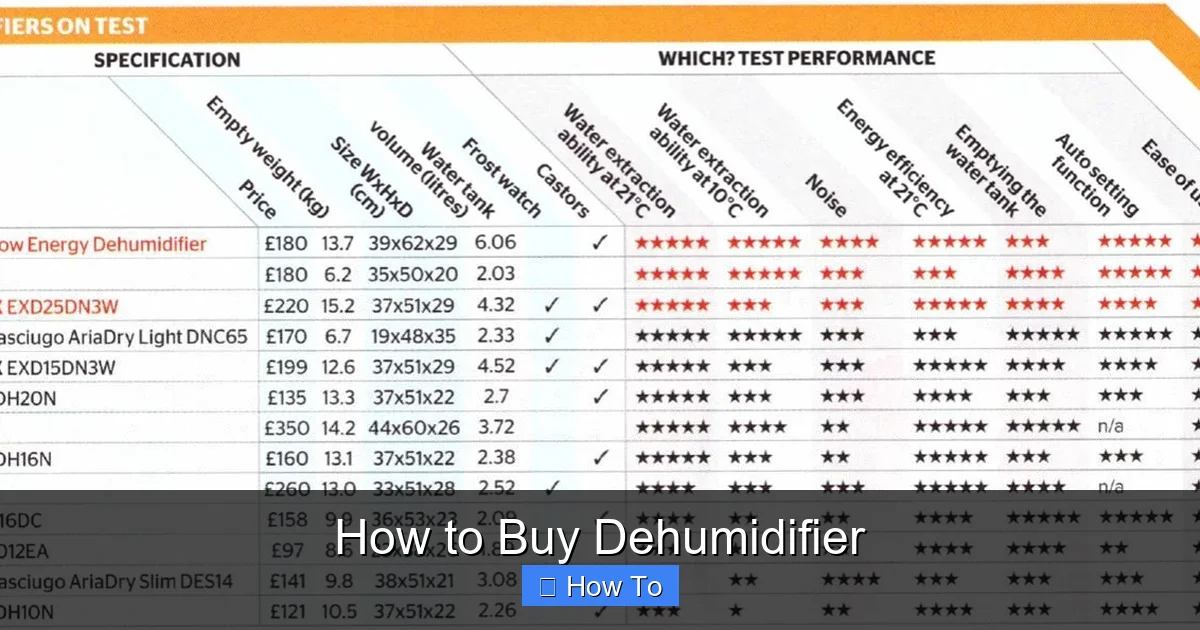
Choosing the right dehumidifier can improve air quality, reduce allergens, and protect your home from mold and moisture damage. This guide walks you through everything you need to know—from sizing and features to energy efficiency and placement—so you can buy a dehumidifier that fits your needs perfectly.
Quick Answers to Common Questions
What size dehumidifier do I need for a 1,200 sq ft basement?
For a 1,200 sq ft basement, choose a 50–70 pint per day model if it’s very damp or wet. A 40–50 PPD unit may work if it’s only moderately damp. Always check humidity levels with a hygrometer.
Can I run a dehumidifier all the time?
Yes, but it’s not always necessary. Use the auto-humidistat to maintain 40–50% humidity. Running it continuously increases energy use, so only do so in very humid or flood-prone areas.
Is a dehumidifier the same as an air purifier?
No. A dehumidifier removes moisture; an air purifier removes particles like dust and pollen. Some units combine both functions, but they serve different purposes.
Do dehumidifiers use a lot of electricity?
They can, especially older models. Choose an ENERGY STAR certified unit with a high energy factor (EF) to minimize costs. Look for models under 400 watts for better efficiency.
Where should I place my dehumidifier?
Place it in the most humid area, like a basement corner or near a laundry room. Keep it away from walls and furniture for proper airflow. Avoid placing it near heat sources.
How to Buy a Dehumidifier: A Complete Step-by-Step Guide
High humidity isn’t just uncomfortable—it can lead to mold, musty odors, and even structural damage in your home. Whether you’re dealing with a damp basement, a humid bathroom, or sticky summer air, a dehumidifier can make a big difference. But with so many models on the market, how do you buy a dehumidifier that actually works for your space?
This guide will walk you through every step of the process. From understanding how dehumidifiers work to comparing features and brands, you’ll learn exactly what to look for. By the end, you’ll be ready to make a smart, informed purchase that improves your indoor air quality and protects your home.
Step 1: Understand What a Dehumidifier Does
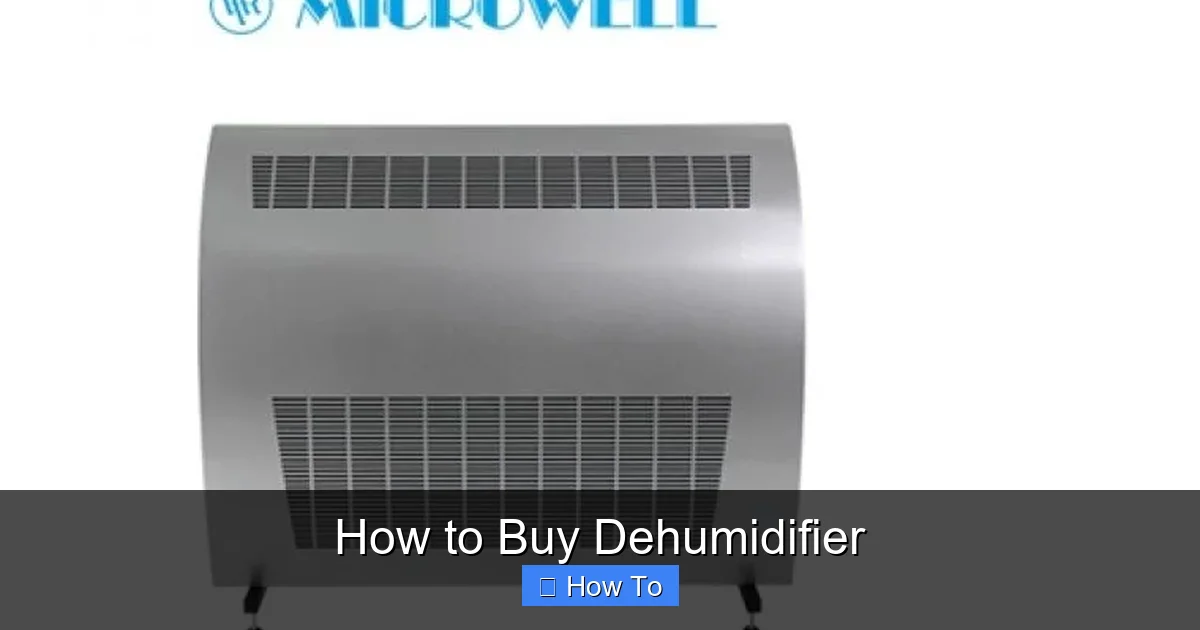
Before you start shopping, it helps to know how dehumidifiers work. These appliances pull in moist air, remove the excess water vapor, and release drier air back into the room. The collected water is stored in a tank or drained directly through a hose.
Visual guide about How to Buy Dehumidifier
Image source: d12eu00glpdtk2.cloudfront.net
Dehumidifiers are especially useful in areas with high humidity, poor ventilation, or frequent condensation. They help prevent mold, mildew, dust mites, and musty smells. They can also make your air conditioner work more efficiently by reducing the moisture load in the air.
Common Uses for Dehumidifiers
- Basements and crawl spaces
- Bathrooms and laundry rooms
- Closets and storage areas
- Entire homes (with whole-house models)
- RVs, boats, and garages
Knowing where you’ll use your dehumidifier will help you choose the right size and type.
Step 2: Determine the Right Size (Capacity)
One of the most important factors when you buy a dehumidifier is choosing the right capacity. This is measured in “pints per day” (PPD)—the amount of moisture the unit can remove in 24 hours.
To pick the correct size, you need to consider two things: the square footage of the space and the humidity level.
Measure Your Space
Use a tape measure to find the length and width of the room. Multiply them to get the square footage. For example, a 10 ft x 12 ft room is 120 square feet.
Assess Humidity Levels
You can use a hygrometer (a small, inexpensive device) to measure humidity. Ideal indoor humidity is between 30% and 50%. Here’s a general guide:
- Moderately damp: Feels damp, occasional musty smell. Use a 30–40 PPD unit.
- Very damp: Always feels wet, visible moisture, strong odor. Use a 40–50 PPD unit.
- Wet or flooded: Standing water, mold growth. Use a 50+ PPD unit or consider a commercial-grade model.
Match Size to Space
Here’s a quick reference chart:
- Up to 500 sq ft: 20–30 PPD
- 500–1,000 sq ft: 30–50 PPD
- 1,000–1,500 sq ft: 50–70 PPD
- 1,500+ sq ft: 70+ PPD or multiple units
Don’t oversize too much—larger units cost more and may cycle on and off too frequently, reducing efficiency.
Step 3: Choose the Right Type of Dehumidifier
There are two main types of dehumidifiers: refrigerant (compressor) and desiccant. Each works differently and suits different environments.
Refrigerant (Compressor) Dehumidifiers
These are the most common and affordable. They use a cold coil to condense moisture from the air. Best for warm, humid climates (above 65°F).
- Pros: Energy-efficient in warm conditions, widely available, good for large spaces.
- Cons: Less effective in cold temperatures, can freeze up in unheated areas.
Desiccant Dehumidifiers
These use a moisture-absorbing material (like silica gel) to pull water from the air. They work well in cooler temperatures and are often quieter.
- Pros: Effective in cold or low-humidity environments, quiet operation, good for small spaces.
- Cons: Less energy-efficient, smaller capacity, higher upfront cost.
If you’re using the dehumidifier in a basement during winter, a desiccant model might be better. For a humid living room in summer, go with a refrigerant type.
Step 4: Look for Key Features
Modern dehumidifiers come with a variety of features that improve convenience, efficiency, and performance. Here are the most important ones to consider.
Auto-Humidistat
This sensor measures the humidity level and automatically turns the unit on or off to maintain your desired setting. Look for models with digital displays and adjustable humidity levels (e.g., 30%, 40%, 50%).
Continuous Drainage Option
Instead of emptying a water tank every few hours, you can attach a hose for continuous drainage. This is ideal for basements or unattended areas. Make sure the unit has a built-in pump or gravity drain option.
Auto-Restart
If the power goes out, this feature restarts the dehumidifier at the last setting when power returns. Great for areas with frequent outages.
Washable or Reusable Filter
A clean filter improves airflow and efficiency. Look for a washable filter that you can rinse and reuse instead of replacing it monthly.
Low-Temperature Operation
If you’re using the unit in a cold basement or garage, choose a model rated for low temperatures (as low as 41°F). Some have defrost modes to prevent coil freezing.
Timer and Smart Controls
A 24-hour timer lets you schedule operation. Some advanced models connect to Wi-Fi and can be controlled via smartphone apps.
Quiet Operation
Check the decibel (dB) rating. Units under 50 dB are quiet enough for bedrooms or living rooms. Desiccant models are typically quieter than compressor types.
Step 5: Consider Energy Efficiency
Dehumidifiers can use a lot of electricity, especially if run daily. To save money and reduce environmental impact, choose an energy-efficient model.
Look for ENERGY STAR Certification
ENERGY STAR® certified dehumidifiers use 15–30% less energy than standard models. They meet strict efficiency guidelines set by the EPA.
Check the Energy Factor (EF)
This measures how many liters of water the unit removes per kilowatt-hour of electricity. A higher EF means better efficiency. Aim for at least 1.5 L/kWh.
Estimate Operating Costs
Use this formula to estimate monthly cost:
- Daily energy use (kWh) = (Watts × Hours used per day) ÷ 1,000
- Monthly cost = Daily kWh × 30 × Electricity rate ($/kWh)
Example: A 300-watt unit running 8 hours a day in a home with $0.12/kWh electricity:
- (300 × 8) ÷ 1,000 = 2.4 kWh/day
- 2.4 × 30 × 0.12 = $8.64/month
ENERGY STAR models may cost more upfront but save money over time.
Step 6: Think About Portability and Design
You’ll want a dehumidifier that’s easy to move and fits well in your space.
Wheels and Handles
Look for built-in casters and a sturdy handle. This makes it easy to roll the unit from room to room or up basement stairs.
Compact Size
Measure your space before buying. Some units are tall and narrow, while others are short and wide. Make sure it fits under shelves or in tight corners.
Tank Size
Larger tanks (2–3 gallons) mean less frequent emptying. But bigger tanks also make the unit heavier. A 1–2 gallon tank is usually sufficient for most homes.
Design and Aesthetics
While not critical, a sleek, modern design can blend better with your decor. Some models come in white, black, or stainless steel finishes.
Step 7: Compare Brands and Read Reviews
Not all dehumidifiers are created equal. Some brands are known for reliability, performance, and customer service.
Top Brands to Consider
- Frigidaire: Reliable, energy-efficient, great for basements.
- hOmeLabs: Popular for home use, quiet, good value.
- Keeps: Stylish design, smart features, app control.
- Eva-Dry: Compact, portable, great for small spaces.
- GE: Trusted brand, durable, wide availability.
- Midea: Budget-friendly, ENERGY STAR models, strong performance.
Read Customer Reviews
Check reviews on Amazon, Home Depot, or Consumer Reports. Look for comments about:
- Noise level
- Ease of setup and use
- Reliability over time
- Customer service and warranty
Watch out for red flags like frequent breakdowns, loud operation, or poor drainage.
Step 8: Set a Budget
Dehumidifiers range from $100 to $600+, depending on size, features, and brand.
Budget Options ($100–$200)
Good for small rooms or occasional use. Basic features, smaller tanks, may lack advanced controls.
Mid-Range ($200–$400)
Best value for most homes. ENERGY STAR certified, larger capacity, auto-humidistat, continuous drain.
High-End ($400+)
Whole-house models, smart controls, ultra-quiet, commercial-grade performance.
Don’t just go for the cheapest option—investing in a quality unit saves money on energy and repairs in the long run.
Step 9: Where to Buy a Dehumidifier
You can buy dehumidifiers from a variety of retailers, both online and in-store.
Online Retailers
- Amazon: Wide selection, fast shipping, easy returns.
- Home Depot / Lowe’s: In-store pickup, expert advice, price matching.
- Walmart: Affordable options, convenient locations.
- Brand Websites: Direct from manufacturer, often with exclusive deals or extended warranties.
In-Store Shopping
Visiting a store lets you see the size, weight, and build quality in person. Staff can help answer questions and recommend models.
Check Return Policies
Make sure the retailer offers at least a 30-day return window. Some brands also offer 1-year or longer warranties.
Step 10: Set Up and Maintain Your Dehumidifier
Once you’ve bought your dehumidifier, proper setup and maintenance are key to long-term performance.
Initial Setup
- Place the unit on a flat, stable surface.
- Keep it at least 6–12 inches away from walls for proper airflow.
- Plug into a grounded outlet—avoid extension cords.
- Set the desired humidity level (usually 40–50%).
Daily Use Tips
- Empty the water tank regularly (or use a drain hose).
- Close doors and windows to improve efficiency.
- Run the unit during the most humid times of day.
Monthly Maintenance
- Clean the water tank with mild soap and water.
- Rinse the air filter every 2–4 weeks.
- Wipe down the exterior and coils with a damp cloth.
- Check for mold or mildew inside the unit.
Neglecting maintenance can lead to reduced efficiency, odors, and even mold growth inside the machine.
Troubleshooting Common Issues
Even the best dehumidifiers can have problems. Here’s how to fix common issues.
Unit Won’t Turn On
- Check the power cord and outlet.
- Make sure the water tank isn’t full (some units shut off automatically).
- Reset the circuit breaker.
Not Removing Moisture
- Ensure the room isn’t too large for the unit.
- Check that doors and windows are closed.
- Clean the filter and coils.
- Verify the temperature is within the operating range.
Unit Is Too Loud
- Place on a rug or mat to reduce vibration.
- Make sure it’s level and not touching walls.
- Check for loose parts or debris in the fan.
Water Leaking
- Ensure the tank is properly seated.
- Check the drain hose for kinks or blockages.
- Inspect the unit for cracks or damage.
Ice on Coils
- Turn off the unit and let it defrost.
- Move to a warmer area or use a model with auto-defrost.
- Reduce runtime in cold environments.
Conclusion
Buying a dehumidifier doesn’t have to be overwhelming. By following this guide, you now know how to assess your needs, choose the right size and type, compare features, and pick a reliable model. Whether you’re tackling a damp basement or improving indoor air quality, the right dehumidifier can make your home healthier and more comfortable.
Remember: how to buy a dehumidifier comes down to understanding your space, prioritizing energy efficiency, and choosing features that match your lifestyle. Take your time, read reviews, and invest in a quality unit. Your home—and your lungs—will thank you.