
Choosing the right room dehumidifier can improve air quality, reduce mold, and boost comfort. This guide walks you through key factors like size, capacity, noise, and smart features to help you pick the best model for your home.
Quick Answers to Common Questions
What size dehumidifier do I need for a 1,000 sq ft basement?
For a 1,000 sq ft basement with moderate dampness, choose a 30–50 PPD model. If the space is very wet or prone to flooding, go for 50+ PPD.
Can I leave a dehumidifier on all the time?
Yes, especially if it has an auto-humidistat. It will turn on and off as needed, saving energy and maintaining ideal humidity.
Do dehumidifiers use a lot of electricity?
They can, but ENERGY STAR® models are much more efficient. Look for units with high Energy Factor ratings to minimize costs.
Where should I place my dehumidifier?
Place it in the dampest area, away from walls and furniture, with good airflow. Basements, laundry rooms, and bathrooms are common spots.
How often should I clean the filter?
Clean the filter every 2–4 weeks, or more often in dusty or high-moisture environments. A clean filter ensures peak performance.
How to Choose a Room Dehumidifier: A Complete Guide
High humidity isn’t just uncomfortable—it can damage your home and harm your health. From musty smells and peeling paint to mold growth and dust mites, excess moisture creates a host of problems. A room dehumidifier is a simple, effective solution. But with so many models on the market, how do you choose the right one?
This guide will walk you through every step of selecting the perfect room dehumidifier for your space. Whether you’re dealing with a damp basement, a humid bedroom, or a stuffy closet, we’ll help you understand what to look for—from capacity and energy use to noise levels and smart features. By the end, you’ll know exactly how to pick a dehumidifier that works hard, saves energy, and fits your lifestyle.
Step 1: Assess Your Space and Humidity Level
Before you even look at dehumidifiers, you need to understand the problem you’re solving. Not all rooms are created equal when it comes to moisture. A small bathroom with poor ventilation will have different needs than a large, open-plan living room.
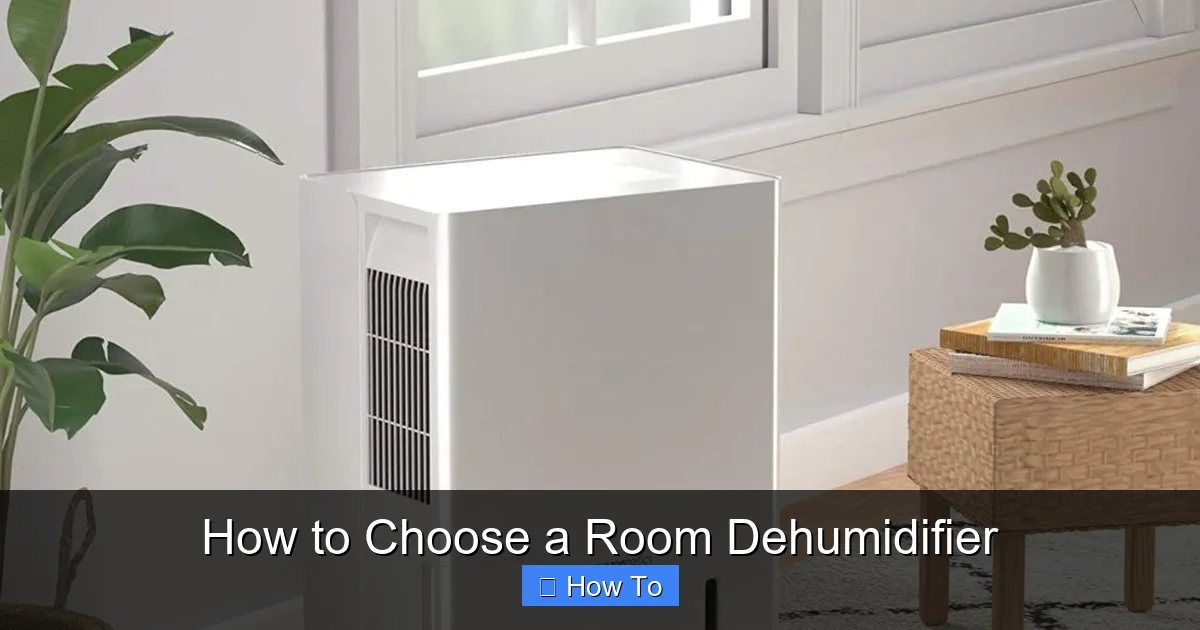
Visual guide about How to Choose a Room Dehumidifier
Image source: smartvacguide.com
Measure the Room Size
Start by measuring the square footage of the area you want to dehumidify. Use a tape measure to get the length and width, then multiply them. For example, a 10 ft x 12 ft room is 120 square feet. This number is crucial because dehumidifiers are rated based on the size of the space they can effectively handle.
Determine the Humidity Level
Next, figure out how damp the room actually is. You can use a hygrometer—a small, inexpensive device that measures humidity—to get an accurate reading. Ideal indoor humidity is between 30% and 50%. If your reading is above 60%, you likely need a dehumidifier.
Humidity levels are often described in three categories:
- Mildly damp: Slight musty smell, occasional condensation on windows. (50–60% humidity)
- Moderately damp: Noticeable dampness, mold in corners, sticky air. (60–70% humidity)
- Very damp or wet: Standing water, strong mildew odor, visible mold. (70%+ humidity)
The more humid the space, the more powerful the dehumidifier you’ll need. A basement with a history of flooding, for example, will require a heavy-duty unit, while a slightly humid bedroom might only need a compact model.
Step 2: Understand Dehumidifier Capacity
Dehumidifier capacity is measured in pints per day (PPD)—the amount of moisture the unit can remove in 24 hours. This is the most important spec when choosing a model.
Match PPD to Room Size and Conditions
Here’s a general guide to help you match capacity to your needs:
- 10–20 PPD: Small spaces (under 500 sq ft), mildly damp areas like closets or small bathrooms.
- 20–30 PPD: Medium rooms (500–1,000 sq ft), moderately damp spaces like bedrooms or living rooms.
- 30–50 PPD: Large areas (1,000–2,000 sq ft), very damp or wet spaces like basements or laundry rooms.
- 50+ PPD: Commercial or severe moisture problems, such as flooded areas or crawl spaces.
For example, a 30 PPD dehumidifier is ideal for a 1,200 sq ft basement with moderate dampness. But if that same basement has a history of leaks, you might want to go up to 50 PPD for faster drying.
Don’t Overbuy (or Underbuy)
It’s tempting to buy the biggest dehumidifier you can find, but oversized units can cycle on and off too quickly, wasting energy and failing to control humidity properly. Conversely, an undersized unit will run constantly, wear out faster, and still not solve your moisture problem.
Use online calculators from brands like Frigidaire or hOmeLabs to get a personalized recommendation based on your room size and humidity level.
Step 3: Choose the Right Type of Dehumidifier
Not all dehumidifiers are the same. There are two main types: compressor (refrigerant) and desiccant. Each has pros and cons depending on your environment.
Compressor Dehumidifiers
These are the most common and affordable type. They work like air conditioners, using a refrigerant to cool coils and condense moisture from the air.
- Best for: Warm, humid climates (above 65°F).
- Pros: Energy-efficient, effective in typical home conditions, widely available.
- Cons: Less effective in cold temperatures, can be noisy, coils may freeze in unheated spaces.
If you live in a warm region or are dehumidifying a living room or basement that stays above 60°F, a compressor model is usually the best choice.
Desiccant Dehumidifiers
These use a moisture-absorbing material (like silica gel) to pull water from the air. They don’t rely on cooling coils, so they work well in cold environments.
- Best for: Cold spaces like garages, cabins, or unheated basements (below 65°F).
- Pros: Effective in low temperatures, quieter operation, lighter and more compact.
- Cons: Less energy-efficient, higher operating cost, may require frequent filter changes.
If you’re dealing with a chilly basement or a seasonal cabin, a desiccant dehumidifier might be the better option—even if it costs a bit more to run.
Step 4: Consider Energy Efficiency
Dehumidifiers can use a lot of electricity, especially if they run for hours each day. Choosing an energy-efficient model saves money and reduces your carbon footprint.
Look for ENERGY STAR® Certification
ENERGY STAR® certified dehumidifiers are at least 10% more efficient than standard models. They use advanced compressors, better insulation, and smart sensors to minimize energy use.
For example, a 30 PPD ENERGY STAR® model might use 300 watts, while a non-certified one could use 400 watts or more. Over a year, that difference can save you $20–$50 on your electric bill.
Check the Energy Factor (L/kWh)
The Energy Factor tells you how many liters of water the unit removes per kilowatt-hour of electricity. Higher numbers mean better efficiency. Aim for at least 1.5 L/kWh, but 2.0 or higher is ideal.
Use a Timer or Auto Mode
Many efficient dehumidifiers come with built-in timers or auto-humidistat features. These let you set the desired humidity level (like 45%), and the unit will turn on and off as needed. This prevents over-drying and saves energy.
Step 5: Evaluate Noise Levels
Dehumidifiers aren’t silent. They use fans and compressors, which can produce noise. If you’re placing the unit in a bedroom, home office, or nursery, noise matters.
Check the Decibel (dB) Rating
Noise is measured in decibels (dB). Here’s a quick reference:
- 35–45 dB: Very quiet—like a whisper or quiet library. Ideal for bedrooms.
- 45–50 dB: Quiet—similar to a refrigerator hum. Good for living rooms.
- 50–60 dB: Noticeable—like a conversation or background music. May be distracting in quiet spaces.
- 60+ dB: Loud—like a dishwasher or vacuum. Best for basements or garages.
Look for models that advertise “quiet operation” or list a dB rating under 50. Some brands, like Tosot or Midea, are known for quieter performance.
Consider Fan Speed Settings
Units with multiple fan speeds let you choose a quieter setting when full power isn’t needed. For example, use low speed at night and high speed during the day.
Step 6: Look for Smart and Convenient Features
Modern dehumidifiers come with features that make them easier to use and more effective. Here are the most useful ones to consider.
Auto-Humidistat
This built-in sensor monitors humidity and automatically adjusts the fan speed or turns the unit on/off to maintain your desired level. It’s like a thermostat for moisture—set it once and forget it.
Continuous Drainage Option
Most dehumidifiers collect water in a tank you must empty manually. But many models offer a continuous drainage hose connection. Just attach a garden hose and route it to a floor drain, sink, or sump pump. This is a game-changer for basements or 24/7 operation.
Removable and Washable Filter
A clean filter improves airflow and efficiency. Look for a model with a washable, reusable filter that’s easy to remove and clean every few weeks.
Auto Defrost (for Compressor Models)
In cold environments, compressor coils can freeze, shutting down the unit. Auto-defrost detects ice buildup and temporarily stops cooling to melt it. This keeps the dehumidifier running smoothly in unheated spaces.
Timer and Delay Start
Set the dehumidifier to turn on or off at specific times. For example, run it during off-peak electricity hours or only when you’re away.
Digital Display and Controls
A clear display showing humidity level, fan speed, and tank status makes operation simple. Backlit buttons are a bonus for dark basements.
Step 7: Think About Maintenance and Durability
A dehumidifier is a long-term investment. Choose one that’s easy to maintain and built to last.
Easy Tank Access
The water tank should be easy to remove, carry, and empty. Look for a handle and a spill-proof design. Tanks typically hold 1–2 gallons, so consider how often you’re willing to empty it.
Filter Maintenance
Check how often the filter needs cleaning—most recommend every 2–4 weeks. A clogged filter reduces efficiency and can cause the unit to overheat.
Build Quality and Warranty
Look for sturdy construction, especially if the unit will be moved often. A 1–2 year warranty is standard, but some brands offer 3–5 years for added peace of mind.
Step 8: Set a Budget and Compare Models
Dehumidifiers range from $100 to $500+, depending on size and features. Here’s how to budget wisely.
Entry-Level ($100–$200)
Good for small, mildly damp spaces. Basic models with manual controls and small tanks. May lack energy efficiency or quiet operation.
Mid-Range ($200–$350)
Best value for most homes. Includes 20–50 PPD capacity, auto-humidistat, quiet operation, and ENERGY STAR® certification. Ideal for bedrooms, basements, and living areas.
High-End ($350+)
Heavy-duty units for large or very damp spaces. Often include smart features, continuous drainage, and extended warranties. Great for basements, garages, or flood recovery.
Don’t just go for the cheapest option. A $250 model that lasts 8 years and saves $30/year on energy is a better deal than a $150 model that breaks in 3 years.
Step 9: Read Reviews and Choose a Trusted Brand
Before buying, check customer reviews on sites like Amazon, Home Depot, or Consumer Reports. Look for consistent feedback on reliability, noise, and customer service.
Top brands known for quality dehumidifiers include:
- Frigidaire: Reliable, energy-efficient, great for basements.
- hOmeLabs: Quiet, stylish, excellent smart features.
- Midea: Affordable, ENERGY STAR® certified, strong performance.
- Tosot: Quiet operation, durable build, good value.
- GE: Trusted brand, wide range of sizes and features.
Avoid unknown brands with no reviews or unclear specifications. A good warranty and responsive customer support matter if something goes wrong.
Step 10: Proper Placement and Setup
Even the best dehumidifier won’t work well if it’s placed incorrectly. Follow these tips for optimal performance.
Allow Space for Airflow
Place the unit at least 6–12 inches away from walls, furniture, and curtains. Blocked airflow reduces efficiency and can cause overheating.
Use in the Right Location
Put the dehumidifier in the dampest part of the room—near a leak, in a corner with mold, or close to a laundry area. Avoid placing it near heat sources like radiators or direct sunlight.
Elevate if Needed
In basements, place the unit on a small stand or platform to avoid water damage and improve air circulation.
Run It Consistently
For best results, run the dehumidifier daily, especially during humid months. Use the auto mode to maintain steady humidity levels.
Troubleshooting Common Issues
Even with the right dehumidifier, problems can happen. Here’s how to fix the most common ones.
Unit Isn’t Removing Moisture
- Check the filter—clean or replace it if dirty.
- Ensure the room is sealed (close windows and doors).
- Verify the humidity setting isn’t too low (try 50%).
- Make sure the unit is sized correctly for the space.
Water Tank Fills Too Fast
- The room may be extremely humid—consider a higher-capacity model.
- Check for leaks or poor ventilation contributing to moisture.
- Use continuous drainage if available.
Unit Is Too Loud
- Place it on a flat, stable surface to reduce vibration.
- Ensure it’s not touching walls or furniture.
- Switch to a lower fan speed if possible.
Ice Builds Up on Coils (Compressor Models)
- The room may be too cold—move the unit to a warmer area.
- Enable auto-defrost if available.
- Clean the filter to improve airflow.
Conclusion
Choosing the right room dehumidifier doesn’t have to be overwhelming. By assessing your space, understanding capacity needs, and prioritizing features like energy efficiency and noise level, you can find a model that keeps your home comfortable and healthy.
Remember: the best dehumidifier is the one that fits your specific needs—not the biggest or most expensive. Take your time, compare options, and don’t skip the reviews. With the right unit in place, you’ll enjoy fresher air, fewer allergens, and a home that feels just right.