
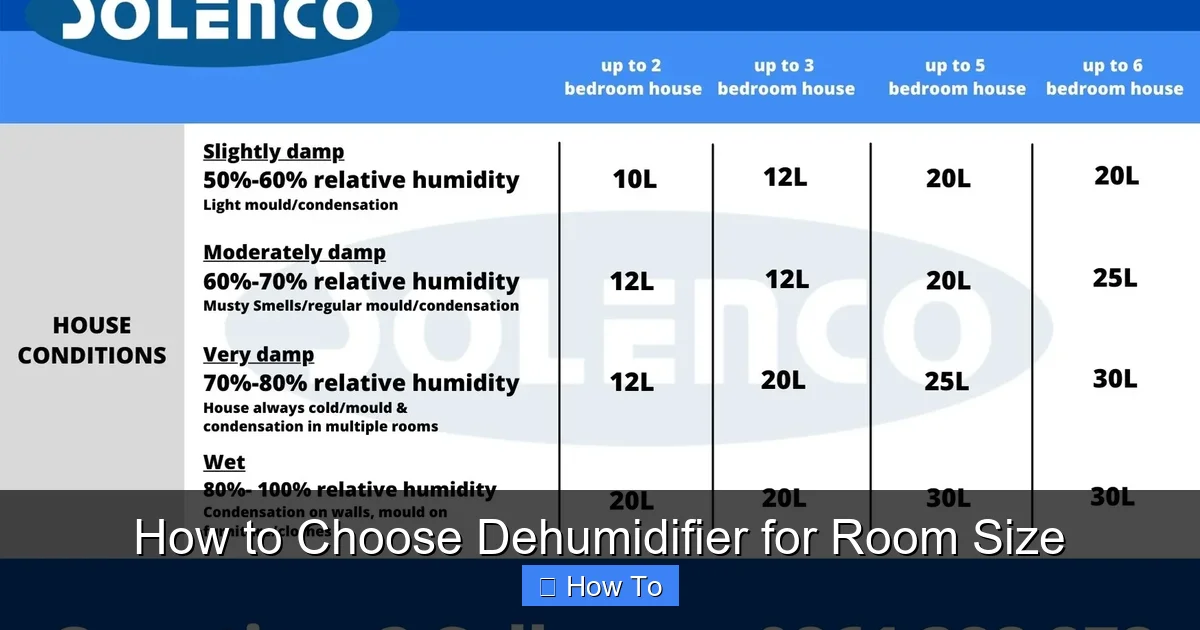
Choosing the right dehumidifier for your room size ensures comfort, energy efficiency, and better air quality. This guide walks you through capacity, features, and placement tips to help you pick the best unit for your needs.
Quick Answers to Common Questions
Tip/Question?
Can I use one dehumidifier for multiple rooms?
It depends on the layout. Open floor plans may work, but closed rooms need individual units or a whole-house system for even humidity control.
Tip/Question?
Should I run my dehumidifier all the time?
Not necessarily. Use a humidistat to maintain 30–50% humidity. Run it continuously in very damp areas, but cycle it in normal conditions to save energy.
Tip/Question?
What’s the best place to put a dehumidifier in a basement?
Near the source of moisture—like a sump pump, laundry area, or exterior wall. Ensure good airflow and access to drainage.
Tip/Question?
How often should I clean my dehumidifier?
Clean the filter monthly, empty the tank every 2–3 days, and inspect coils and pans every 3–6 months for optimal performance.
Tip/Question?
Is a larger dehumidifier always better?
No. Oversized units short-cycle, waste energy, and wear out faster. Choose a model matched to your room size and humidity level.
How to Choose Dehumidifier for Room Size
High humidity can make your home feel sticky, promote mold growth, and trigger allergies. A dehumidifier helps maintain a comfortable indoor environment by removing excess moisture from the air. But with so many models on the market, how do you know which one is right for your space? The key is matching the dehumidifier to your room size and humidity level.
In this guide, you’ll learn how to choose dehumidifier for room size the right way. We’ll walk you through measuring your space, understanding capacity ratings, evaluating features, and making smart placement decisions. Whether you’re dealing with a damp basement, a humid bathroom, or a stuffy bedroom, this step-by-step guide will help you pick a dehumidifier that works efficiently and lasts for years.
Step 1: Measure Your Room Size
The first step in choosing the right dehumidifier is knowing exactly how big your room is. Dehumidifiers are rated based on the square footage they can effectively cover. If you choose a unit that’s too small, it won’t remove enough moisture. If it’s too large, you’ll waste energy and money.
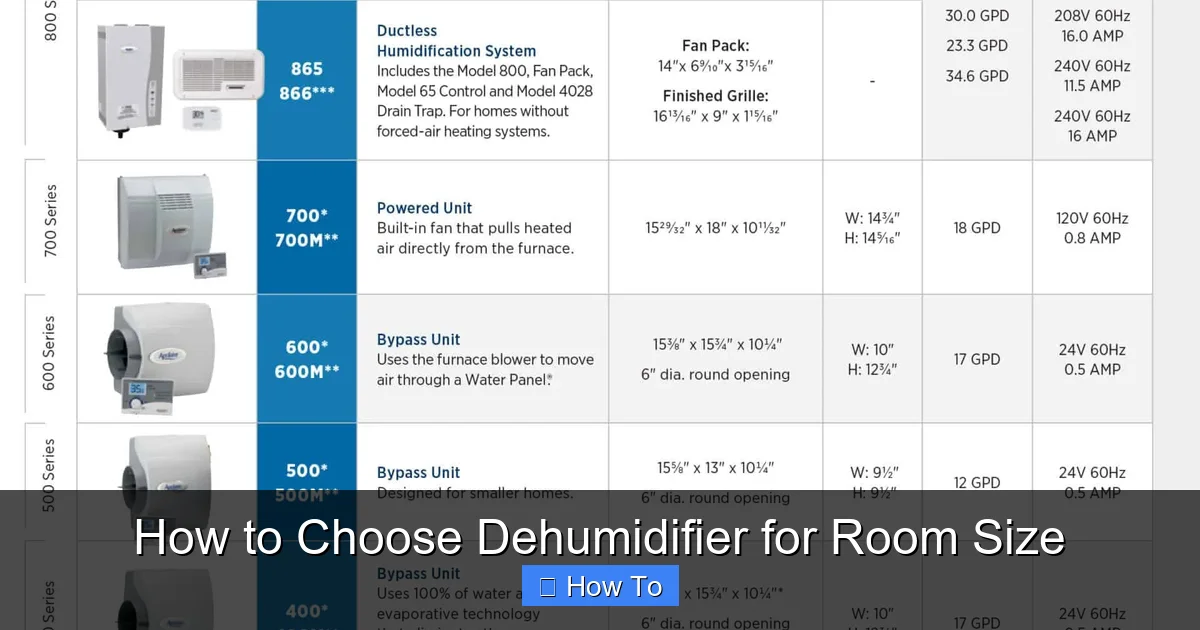
Visual guide about How to Choose Dehumidifier for Room Size
Image source: airprofessionalsnj.com
Calculate Square Footage
To find your room’s square footage, multiply the length by the width. For example, a room that’s 12 feet by 10 feet equals 120 square feet. Use a tape measure or laser distance tool for accuracy. Don’t forget to measure irregular spaces like basements or attics—break them into smaller rectangles and add them together.
Account for Ceiling Height
While most dehumidifier recommendations focus on floor area, ceiling height also matters. Rooms with high ceilings (over 8 feet) hold more air and may need a slightly larger unit. If your ceiling is 9 or 10 feet tall, consider moving up one size category when selecting your dehumidifier.
Include Adjacent Spaces
If your room connects to another humid area—like a bathroom without a fan or a laundry room—factor that into your total square footage. Open floor plans or rooms with large doorways may require a dehumidifier rated for a larger space to handle the combined moisture load.
Step 2: Assess Your Humidity Level
Room size alone isn’t enough. The amount of moisture in your air plays a big role in choosing the right dehumidifier. A small bathroom with a shower produces more humidity than a dry bedroom of the same size.
Use a Hygrometer
A hygrometer is a small, inexpensive device that measures relative humidity (RH). You can find digital hygrometers at hardware stores or online for under $20. Ideal indoor humidity is between 30% and 50%. If your reading is above 50%, you likely need a dehumidifier.
Identify Moisture Problems
Look for signs of excess humidity: condensation on windows, musty odors, peeling paint, or mold growth. These clues help determine how aggressive your dehumidifier needs to be. For example, a damp basement with visible water stains needs a more powerful unit than a slightly humid living room.
Classify Your Room’s Condition
Dehumidifiers are often rated for three moisture levels:
- Normal: Slight humidity, no visible moisture. Ideal for bedrooms or living rooms.
- Damp: Noticeable moisture, occasional condensation. Common in bathrooms or kitchens.
- Very Damp: Persistent dampness, musty smell, or mold. Typical in basements, crawl spaces, or flood-prone areas.
Use this classification to guide your capacity choice. A damp 500-square-foot room may need a 20-pint unit, while a very damp room of the same size might require a 30-pint or larger model.
Step 3: Understand Dehumidifier Capacity (Pint Ratings)
Dehumidifier capacity is measured in pints per day (PPD)—the amount of moisture the unit can remove in 24 hours. This number helps you match the appliance to your room’s needs.
How Pint Ratings Work
A 30-pint dehumidifier removes up to 30 pints of moisture daily. But this doesn’t mean it’s always the best choice. Overpowered units can cycle on and off too frequently, wasting energy and wearing out faster. Underpowered units run constantly, increasing electricity bills and reducing lifespan.
Match Pints to Room Size and Condition
Here’s a general guideline for choosing the right pint capacity:
- Up to 500 sq. ft.: 10–15 pints (normal), 15–20 pints (damp), 20–30 pints (very damp)
- 500–1,000 sq. ft.: 15–20 pints (normal), 20–30 pints (damp), 30–50 pints (very damp)
- 1,000–1,500 sq. ft.: 20–30 pints (normal), 30–50 pints (damp), 50+ pints (very damp)
- Over 1,500 sq. ft.: 30+ pints, depending on conditions
These are estimates. Always check manufacturer recommendations and consider your specific humidity level.
Don’t Overbuy
It’s tempting to buy the biggest dehumidifier available, but oversized units can short-cycle—turning on and off rapidly—which reduces efficiency and increases wear. A properly sized unit runs longer cycles, removing moisture more evenly and using less energy.
Step 4: Choose the Right Type of Dehumidifier
Not all dehumidifiers are the same. Different types suit different spaces and needs.
Compressor (Refrigerant) Dehumidifiers
These are the most common type. They use a refrigerant to cool air, causing moisture to condense and collect in a tank. Best for rooms above 60°F (15°C). They’re effective in basements, living rooms, and bedrooms but can be noisy and less efficient in cold spaces.
Desiccant Dehumidifiers
These use a moisture-absorbing material (like silica gel) instead of cooling coils. They work well in cold environments (down to 40°F or 4°C) and are quieter. Ideal for garages, cabins, or winterized spaces. However, they may use more energy and have lower capacity.
Whole-House Dehumidifiers
Installed in your HVAC system, these units dehumidify your entire home. They’re perfect for large houses or high-humidity climates. While expensive upfront, they offer consistent performance and don’t take up floor space. Best for homes over 1,500 sq. ft. with central air.
Mini and Portable Dehumidifiers
Small units (under 10 pints) are great for closets, RVs, or small bathrooms. They’re affordable and easy to move but may not handle larger spaces or high humidity. Use them for spot treatment, not whole-room control.
Step 5: Evaluate Key Features
Modern dehumidifiers come with features that improve convenience, efficiency, and performance. Here’s what to look for.
Humidistat
A built-in humidistat lets you set your desired humidity level (e.g., 45%). The unit automatically turns on and off to maintain that level. This prevents over-drying and saves energy. Look for models with digital displays for precise control.
Auto-Shutoff and Tank Full Indicator
When the water tank is full, the dehumidifier should shut off automatically to prevent spills. A light or alarm alerts you to empty it. This feature is essential if you can’t check the unit daily.
Continuous Drainage Option
Instead of emptying a tank, you can attach a hose to drain water directly into a floor drain, sink, or sump pump. This is ideal for basements or 24/7 operation. Make sure the unit has a built-in pump or gravity drain option.
Washable Air Filter
A reusable filter captures dust and allergens, improving air quality and protecting the internal components. Look for easy-access filters that can be vacuumed or rinsed monthly.
Adjustable Fan Speed
Multiple fan speeds let you balance noise and performance. Use high speed for fast drying and low speed for quiet nighttime operation.
Timer and Smart Controls
A timer lets you schedule when the dehumidifier runs—great for energy savings. Some models offer Wi-Fi connectivity, allowing you to control settings via a smartphone app. Useful for monitoring humidity remotely.
Step 6: Consider Noise Level and Portability
Dehumidifiers can be noisy, especially compressor models. If you’re placing one in a bedroom or living room, noise matters.
Check the Decibel (dB) Rating
Most dehumidifiers operate between 40 and 60 dB. For reference, 40 dB is like a quiet library, while 60 dB is similar to normal conversation. Look for units under 50 dB for quiet operation. Desiccant models are generally quieter than compressor types.
Look for Quiet Features
Some models include noise-reducing insulation, vibration dampeners, or sleep modes. Read reviews to see real-world noise levels—manufacturer specs can be optimistic.
Choose a Portable Design
If you plan to move the dehumidifier between rooms, look for one with sturdy wheels and a handle. Lightweight models (under 40 lbs) are easier to transport. Cord length also matters—opt for at least 6 feet to reach outlets easily.
Step 7: Prioritize Energy Efficiency
Dehumidifiers run for hours each day, so energy use adds up. An efficient model saves money and reduces environmental impact.
Look for ENERGY STAR Certification
ENERGY STAR-rated dehumidifiers meet strict efficiency guidelines set by the EPA. They use 10–20% less energy than standard models. Check the yellow EnergyGuide label for estimated annual operating cost.
Compare Energy Factor (L/kWh)
The energy factor tells you how many liters of water the unit removes per kilowatt-hour of electricity. Higher numbers mean better efficiency. Aim for at least 1.5 L/kWh for compressor models and 1.0 L/kWh for desiccant types.
Use Smart Features to Save Energy
Humidistats, timers, and auto-shutoff prevent unnecessary runtime. Some models have eco modes that reduce fan speed when humidity is low. These features help cut energy use without sacrificing performance.
Step 8: Plan for Placement and Installation
Where you place your dehumidifier affects its performance and lifespan.
Ensure Proper Airflow
Place the unit at least 6–12 inches away from walls, furniture, and curtains. Blocked airflow reduces efficiency and can cause the unit to overheat. Avoid placing it in tight corners or enclosed spaces.
Choose the Right Location
Put the dehumidifier in the most humid area—like a basement corner near a water source or a bathroom with poor ventilation. For whole-house units, install near the return air duct for even distribution.
Use a Level Surface
Most dehumidifiers need to sit level to function properly. Uneven surfaces can cause leaks or prevent the tank from seating correctly. Use a spirit level to check placement.
Consider Drainage Access
If using a hose for continuous drainage, make sure the unit is near a drain, sink, or sump pump. Use a condensate pump if the drain is higher than the dehumidifier.
Step 9: Maintain Your Dehumidifier
Regular maintenance keeps your dehumidifier running efficiently and extends its life.
Clean the Filter Monthly
Wash the air filter with warm water and mild soap. Let it dry completely before reinserting. A dirty filter restricts airflow and reduces performance.
Empty the Water Tank Regularly
Even with auto-shutoff, empty the tank every few days to prevent mold or bacteria growth. Rinse it with vinegar or a mild disinfectant to eliminate odors.
Inspect the Coils and Drain Pan
Every 3–6 months, check the evaporator coils and drain pan for dust or mold. Use a soft brush or vacuum to clean them. Dirty coils reduce efficiency and can cause freezing in cold environments.
Store Properly Off-Season
If you only use the dehumidifier in summer, clean it thoroughly and store it in a dry place. Cover it to protect from dust. Run it briefly once a month to keep seals lubricated.
Troubleshooting Common Issues
Even the best dehumidifiers can have problems. Here’s how to fix common issues.
Unit Isn’t Removing Moisture
Check if the room is too cold (below 60°F), the filter is dirty, or the coils are frozen. Clean the filter and let the unit warm up. If coils are icy, turn it off for a few hours to thaw.
Water Leaking from the Unit
This could be due to an overfilled tank, cracked reservoir, or clogged drain hose. Empty the tank, inspect for damage, and clear any blockages in the hose.
Strange Noises or Vibrations
Loose parts, unbalanced placement, or debris in the fan can cause noise. Turn off the unit, check for obstructions, and ensure it’s level. Tighten any loose screws.
Unit Won’t Turn On
Check the power cord, outlet, and circuit breaker. Make sure the tank is properly seated and the humidistat isn’t set too low. If it still doesn’t work, contact the manufacturer.
Conclusion
Choosing the right dehumidifier for your room size doesn’t have to be complicated. Start by measuring your space and assessing humidity levels. Match the pint capacity to your room size and moisture conditions. Consider features like humidistats, drainage options, and energy efficiency. And don’t forget about noise, portability, and maintenance.
By following this guide, you’ll find a dehumidifier that keeps your home comfortable, protects your belongings, and saves energy. Whether you’re tackling a damp basement or a humid bathroom, the right unit makes all the difference. Take your time, compare models, and invest in a dehumidifier that fits your needs—not just your budget.