

Crawl space dehumidifiers are expensive because they’re built to handle harsh, damp environments with durable materials, advanced moisture control, and energy-efficient operation. Unlike standard dehumidifiers, they’re designed for continuous use in unconditioned spaces, which increases manufacturing complexity and cost.
Key Takeaways
- Specialized Design for Harsh Environments: Crawl space dehumidifiers are engineered to operate in dark, damp, and often dirty conditions, requiring corrosion-resistant materials and sealed components.
- High Moisture Removal Capacity: These units remove significantly more moisture per day than residential models, using powerful compressors and larger coils.
- Energy Efficiency Matters: Despite higher upfront costs, many models are ENERGY STAR certified, leading to lower electricity bills over time.
- Durability and Longevity: Built with heavy-duty parts, these dehumidifiers last 10+ years with proper maintenance, reducing replacement frequency.
- Professional Installation and Maintenance: Proper setup often requires expert help, adding to the overall investment but ensuring optimal performance.
- Advanced Features and Smart Controls: Many include remote monitoring, automatic defrost, and humidity sensors that improve efficiency and user convenience.
- Warranty and Support: Reputable brands offer extended warranties and customer support, reflecting confidence in product reliability.
📑 Table of Contents
- Why Are Crawl Space Dehumidifiers So Expensive?
- Built to Withstand Tough Conditions
- Higher Moisture Removal Capacity
- Energy Efficiency and Operating Costs
- Durability and Long-Term Value
- Professional Installation and Maintenance
- Advanced Features and Smart Technology
- Warranty and Customer Support
- Conclusion: Is the High Price Worth It?
Why Are Crawl Space Dehumidifiers So Expensive?
If you’ve ever shopped for a crawl space dehumidifier, you’ve probably done a double-take at the price tag. While a standard room dehumidifier might cost $150 to $300, a quality crawl space model can easily run from $800 to $2,500 or more. That’s a big jump—so what’s really behind the cost?
The truth is, crawl space dehumidifiers aren’t just oversized versions of the units you’d use in your basement or laundry room. They’re purpose-built machines designed to tackle some of the toughest moisture challenges in your home. From extreme humidity levels to limited airflow and exposure to dirt and debris, these environments demand specialized engineering. And that specialization comes at a price.
But before you write off these units as overpriced, it’s important to understand what you’re actually paying for. The higher cost isn’t just about branding or marketing—it reflects real differences in design, performance, and durability. In this article, we’ll break down the key reasons why crawl space dehumidifiers are so expensive, so you can make an informed decision and see the long-term value in your investment.
Built to Withstand Tough Conditions
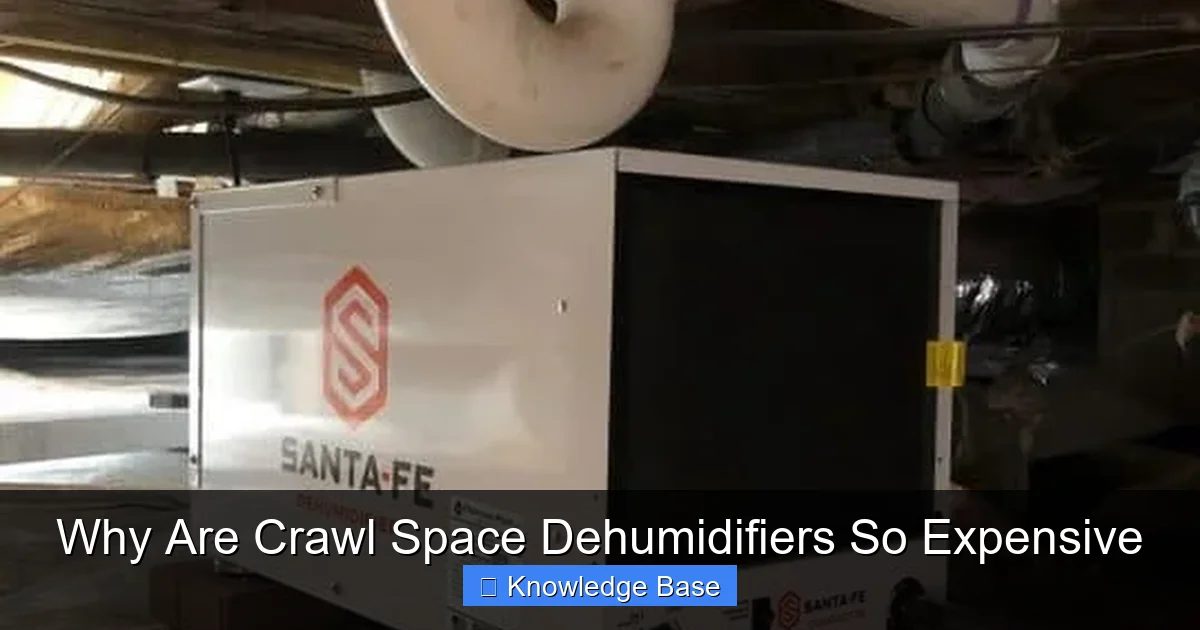
Visual guide about Why Are Crawl Space Dehumidifiers So Expensive
Image source: ohsospotless.com
One of the biggest reasons crawl space dehumidifiers cost more is their rugged construction. Unlike dehumidifiers used in living spaces, these units are installed in areas that are often dark, poorly ventilated, and exposed to dirt, dust, and even pests. They need to operate reliably in temperatures that can swing from near-freezing in winter to sweltering in summer.
Corrosion-Resistant Materials
Crawl spaces are notorious for high humidity, which can lead to rust and corrosion on metal components. To combat this, manufacturers use corrosion-resistant materials like galvanized steel, powder-coated finishes, and stainless steel coils. These materials cost more than standard steel or plastic but are essential for longevity. For example, a dehumidifier with a standard aluminum coil might last a few years in a damp crawl space before failing. But one with a coated or stainless steel coil can last a decade or more.
Sealed and Protected Components
Electrical components in crawl space dehumidifiers are often sealed or housed in protective enclosures to prevent moisture damage. This includes sealed control boards, waterproof wiring, and moisture-resistant sensors. These design features increase manufacturing complexity and cost, but they’re critical for safe, reliable operation in a high-moisture environment.
Resistance to Dirt and Debris
Crawl spaces aren’t exactly clean. Dust, soil particles, and even small insects can infiltrate the area. High-end dehumidifiers include protective filters and sealed intakes to keep contaminants out of the internal mechanisms. Some models even feature washable or replaceable filters that are easy to maintain—another feature that adds to the price but improves performance and lifespan.
Higher Moisture Removal Capacity

Visual guide about Why Are Crawl Space Dehumidifiers So Expensive
Image source: m.media-amazon.com
Another major factor driving up the cost is the dehumidifier’s capacity. Crawl space units are designed to remove large amounts of moisture—often 50 to 150 pints per day—compared to the 20 to 70 pints typical of residential models. This higher capacity requires more powerful components.
Larger Compressors and Coils
To pull more moisture from the air, crawl space dehumidifiers use larger compressors and evaporator coils. These components are more expensive to manufacture and require more robust housing. A bigger compressor means more refrigerant, stronger motors, and better heat exchange—all of which contribute to the higher price.
For example, a 70-pint residential dehumidifier might use a small rotary compressor, while a 100-pint crawl space model could use a reciprocating or scroll compressor designed for continuous heavy-duty operation. These industrial-grade parts aren’t cheap, but they’re necessary for effective moisture control in large, unconditioned spaces.
Efficient Airflow Design
Crawl spaces often have limited airflow, so dehumidifiers must move air efficiently through tight spaces. This requires powerful fans and optimized ducting options. Many models include built-in duct collars or optional duct kits, allowing you to direct airflow to specific areas. This flexibility is great for performance but adds engineering complexity and cost.
Some units even feature variable-speed fans that adjust based on humidity levels, improving energy efficiency and reducing wear on the system. These smart features aren’t found in basic dehumidifiers and are a key reason why crawl space models command a premium.
Energy Efficiency and Operating Costs
You might think that a more powerful dehumidifier would use more electricity—and you’d be right. But many crawl space models are surprisingly energy-efficient, especially when compared to running multiple smaller units or dealing with the long-term costs of moisture damage.
ENERGY STAR Certification
Top-tier crawl space dehumidifiers often carry ENERGY STAR certification, meaning they meet strict efficiency guidelines set by the U.S. Environmental Protection Agency. These units use advanced refrigeration cycles, high-efficiency motors, and smart sensors to minimize energy use while maximizing moisture removal.
For example, a certified 100-pint dehumidifier might use only 600–800 watts, compared to 1,000+ watts for a less efficient model. Over a year of continuous operation, that difference can save you $100 or more on your electricity bill. So while the upfront cost is higher, the long-term savings can offset the investment.
Smart Humidity Controls
Many crawl space dehumidifiers come with built-in humidistats and programmable settings that allow them to run only when needed. Instead of running 24/7, they activate when humidity rises above a set level (like 50–60%) and shut off once the air is dry. This “on-demand” operation reduces wear and tear and cuts energy use.
Some advanced models even connect to Wi-Fi or home automation systems, letting you monitor and adjust settings from your phone. While these smart features add to the cost, they offer convenience and peace of mind—especially if you’re managing multiple properties or live in a humid climate.
Durability and Long-Term Value
When you’re spending $1,500 on a dehumidifier, you expect it to last. And that’s exactly what you get with a quality crawl space model. These units are built to run continuously for years, often in conditions that would destroy a standard dehumidifier in months.
Heavy-Duty Construction
From reinforced casings to industrial-grade fans, every part of a crawl space dehumidifier is designed for longevity. The motors are rated for continuous duty, the coils are coated to resist corrosion, and the controls are sealed against moisture. This level of durability doesn’t come cheap, but it means fewer repairs and replacements down the line.
For example, a $200 basement dehumidifier might last 3–5 years with regular use. But a $1,200 crawl space unit can last 10–15 years with proper maintenance. When you break it down per year, the cost difference isn’t as dramatic as it first appears.
Reduced Risk of Moisture Damage
The real value of a crawl space dehumidifier isn’t just in the machine itself—it’s in what it prevents. Excess moisture in your crawl space can lead to mold growth, wood rot, pest infestations, and even structural damage. Repairing these issues can cost thousands of dollars.
By investing in a high-quality dehumidifier, you’re protecting your home’s foundation, insulation, and air quality. You’re also improving your indoor air quality, since crawl space moisture can seep into your living areas. In that sense, the dehumidifier is more of a preventive investment than a luxury purchase.
Professional Installation and Maintenance
Another hidden cost—and reason for the high price—is the need for professional installation and ongoing maintenance. Unlike plug-and-play room dehumidifiers, crawl space units often require careful setup to work effectively.
Proper Sizing and Placement
A dehumidifier that’s too small won’t control humidity, while one that’s too large will cycle on and off too frequently, wasting energy and wearing out faster. Professionals use calculations based on square footage, insulation levels, and local climate to determine the right size.
They also consider placement—installing the unit in a central location with good airflow and access for maintenance. This might involve cutting vents, running ductwork, or installing a drain line, all of which add to the labor cost.
Drainage and Condensate Management
Crawl space dehumidifiers produce a lot of water—up to several gallons per day. Most models include a built-in condensate pump or gravity drain option, but these require proper setup. A professional can ensure the drain line is sloped correctly, connected to a sump pump, or routed outside the foundation.
Without proper drainage, water can back up, damage the unit, or even flood the crawl space. That’s why many homeowners opt for professional installation, even if it adds $200–$500 to the total cost.
Regular Maintenance Requirements
To keep your dehumidifier running efficiently, it needs regular maintenance. This includes cleaning or replacing filters, checking the condensate pump, and inspecting coils for dirt or frost buildup. Some models have automatic defrost features, but others require manual intervention in cold weather.
While maintenance isn’t overly complicated, it does require time and attention. Many homeowners prefer to hire a technician for annual servicing, especially if the unit is hard to access. This ongoing cost is part of the total ownership expense—and another reason why cheaper models may end up costing more in the long run.
Advanced Features and Smart Technology
Modern crawl space dehumidifiers come packed with features that improve performance, convenience, and safety. While these add to the price, they also enhance the user experience and system reliability.
Remote Monitoring and Alerts
Some high-end models include Wi-Fi connectivity and mobile apps that let you monitor humidity levels, receive alerts, and adjust settings from anywhere. If the unit stops working or the water tank fills up, you’ll get a notification on your phone. This is especially useful for vacation homes or rental properties.
For example, the AprilAire E080 or the Santa Fe Compact70 offer app-based controls and real-time diagnostics. These features aren’t just gimmicks—they help prevent problems before they become serious.
Automatic Defrost and Cold Weather Operation
Crawl spaces can get very cold in winter, especially in northern climates. When the temperature drops below 65°F (18°C), moisture can freeze on the evaporator coils, reducing efficiency or stopping the unit entirely.
To prevent this, many crawl space dehumidifiers include automatic defrost systems. These briefly reverse the refrigeration cycle to melt ice buildup, allowing the unit to keep running. This feature is essential for year-round operation and adds engineering complexity—hence the higher cost.
Integrated Humidity and Temperature Sensors
Instead of relying on a simple humidistat, advanced models use multiple sensors to monitor both humidity and temperature. This allows for more precise control and prevents the unit from overworking in mild conditions.
Some units even adjust their operation based on seasonal changes, running more aggressively in summer and scaling back in winter. This smart adaptation improves efficiency and extends the life of the system.
Warranty and Customer Support
When you spend over $1,000 on a dehumidifier, you expect it to be backed by a solid warranty and reliable customer support. And that’s exactly what you get with premium brands.
Extended Warranties
Many crawl space dehumidifiers come with warranties of 5 to 10 years—far longer than the 1- to 3-year coverage on standard models. For example, the Santa Fe line offers a 6-year warranty on compressors and a 2-year warranty on parts and labor. AprilAire provides a 5-year warranty on all components.
These extended warranties reflect the manufacturer’s confidence in their product and give you peace of mind. They also reduce the risk of unexpected repair costs, which can be significant for complex systems.
Responsive Customer Service
Reputable brands offer strong customer support, including phone and email assistance, online troubleshooting guides, and local service networks. If your unit develops a problem, you can often get help quickly—sometimes even the same day.
This level of support isn’t free, but it’s built into the price. Cheaper models may save you money upfront, but they often come with limited or no customer service, leaving you stranded if something goes wrong.
Conclusion: Is the High Price Worth It?
So, are crawl space dehumidifiers really worth the high price tag? The answer depends on your situation—but for most homeowners, the investment pays off.
Yes, these units are expensive. But they’re not overpriced. You’re paying for specialized engineering, durable materials, high performance, and long-term reliability. You’re also protecting your home from costly moisture damage and improving your indoor air quality.
If you live in a humid climate, have a dirt crawl space, or are dealing with mold or musty odors, a quality dehumidifier is one of the best investments you can make. While the upfront cost is higher, the long-term benefits—lower energy bills, fewer repairs, and a healthier home—make it a smart choice.
When shopping, focus on features that matter: moisture removal capacity, energy efficiency, corrosion resistance, and warranty coverage. And don’t skip professional installation—it ensures your system works correctly from day one.
In the end, a crawl space dehumidifier isn’t just a machine. It’s a guardian for your home’s foundation, your family’s health, and your peace of mind. And that’s worth every penny.
Frequently Asked Questions
Why are crawl space dehumidifiers more expensive than basement models?
Crawl space dehumidifiers are built for harsher conditions, with corrosion-resistant materials, higher moisture removal capacity, and features like automatic defrost. These specialized components and rugged design justify the higher price compared to basement units.
Can I use a regular dehumidifier in my crawl space?
Technically yes, but it’s not recommended. Standard dehumidifiers aren’t designed for continuous operation in unconditioned, dirty environments and may fail quickly. A purpose-built crawl space model will last longer and perform better.
Do crawl space dehumidifiers use a lot of electricity?
They use more power than small room units, but many ENERGY STAR models are highly efficient. Smart controls and on-demand operation help reduce energy use, and the long-term savings often offset the higher electricity cost.
How often do I need to maintain my crawl space dehumidifier?
Most manufacturers recommend cleaning the filter every 1–3 months and inspecting the unit annually. If you have a condensate pump, check it monthly during humid seasons to ensure it’s working properly.
Do I need a professional to install a crawl space dehumidifier?
While some homeowners install them themselves, professional installation ensures proper sizing, placement, and drainage. It also helps maintain the warranty and prevents costly mistakes.
How long do crawl space dehumidifiers typically last?
With proper maintenance, a quality crawl space dehumidifier can last 10 to 15 years. Cheaper models may fail in 3–5 years, especially in harsh conditions, making the higher upfront cost worthwhile.