
Dehumidifiers heat the air because the moisture removal process generates heat as a byproduct. This occurs during the refrigeration cycle when warm, humid air passes over cold coils and the resulting condensation releases latent heat. Understanding this helps you manage room temperature and choose the right unit for your space.
Key Takeaways
- Dehumidifiers heat air due to the refrigeration cycle: The process of condensing moisture from the air releases heat, warming the surrounding air.
- Heat is a natural byproduct of condensation: When water vapor turns into liquid, it releases latent heat, which raises the air temperature.
- Different dehumidifier types produce varying heat levels: Refrigerant models heat air more than desiccant units, which are better for cooler environments.
- Heated air can improve drying efficiency: Warmer air holds more moisture, helping the unit pull more humidity from the room over time.
- Placement and ventilation matter: Proper airflow prevents overheating and ensures the dehumidifier works efficiently without raising room temperature too much.
- Energy use and climate affect performance: In hot, humid climates, the added heat may be less noticeable, but in cooler spaces, it can impact comfort.
- Modern units include features to manage heat output: Some models have built-in thermostats or auto-defrost to balance dehumidification and temperature control.
📑 Table of Contents
- Why Do Dehumidifiers Heat the Air? The Science Behind the Warmth
- How Dehumidifiers Work: The Basics of Moisture Removal
- The Science of Heat: Why Condensation Warms the Air
- Different Types of Dehumidifiers and Their Heat Output
- Does the Heat Affect Dehumidifier Performance?
- Practical Tips for Managing Heat from Your Dehumidifier
- Energy Efficiency and Environmental Impact
- Conclusion: Embracing the Heat for Better Air Quality
Why Do Dehumidifiers Heat the Air? The Science Behind the Warmth
If you’ve ever stood near a running dehumidifier, you’ve probably noticed something curious: the air coming out feels warmer than the air going in. At first glance, this might seem counterintuitive. After all, you’re trying to reduce humidity, not heat your room. So why do dehumidifiers heat the air?
The short answer is that the process of removing moisture from the air naturally generates heat. This isn’t a design flaw or a malfunction—it’s a fundamental part of how most dehumidifiers work. Whether you’re dealing with a damp basement, a musty closet, or high humidity during summer, understanding this heat production can help you use your dehumidifier more effectively and maintain a comfortable indoor environment.
In this article, we’ll explore the science behind why dehumidifiers heat the air, how different types of units compare, and what you can do to manage the warmth they produce. We’ll also look at real-world examples and practical tips to help you get the most out of your dehumidifier without turning your home into a sauna.
How Dehumidifiers Work: The Basics of Moisture Removal
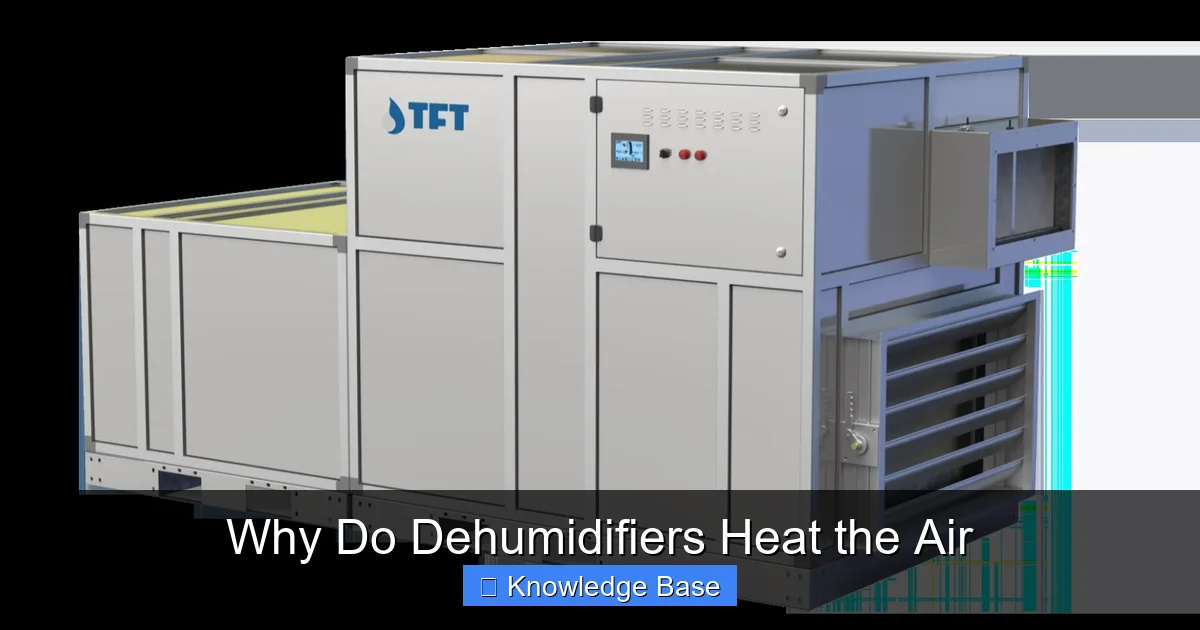
Visual guide about Why Do Dehumidifiers Heat the Air
Image source: images.squarespace-cdn.com
Before we dive into the heat aspect, it’s important to understand how dehumidifiers remove moisture from the air. Most residential dehumidifiers use one of two main technologies: refrigerant (also called compressor-based) or desiccant. Each has its own method of pulling water vapor from the air, and each produces heat in different ways.
The Refrigerant Dehumidifier: The Most Common Type
The majority of dehumidifiers on the market today are refrigerant-based. These units work similarly to air conditioners or refrigerators. Here’s a step-by-step breakdown of how they operate:
1. **Air Intake:** A fan pulls warm, humid air from the room into the dehumidifier.
2. **Cooling Coils:** The air passes over a set of cold evaporator coils. As the air cools, its ability to hold moisture decreases.
3. **Condensation:** Water vapor in the air condenses into liquid droplets on the cold coils, just like dew forms on a cold glass.
4. **Collection:** The collected water drips into a reservoir or is drained away through a hose.
5. **Reheating:** The now-dry, cold air passes over a warm condenser coil, where it’s reheated before being blown back into the room.
It’s during this final reheating stage that the air becomes warmer than when it entered. The heat comes from two sources: the energy used to run the compressor and the latent heat released during condensation.
The Desiccant Dehumidifier: A Different Approach
Desiccant dehumidifiers use a moisture-absorbing material—usually a silica gel or similar compound—to pull water vapor from the air. These units are often used in colder environments, like basements or garages, where refrigerant models may struggle.
Here’s how they work:
1. **Air Intake:** Humid air is drawn into the unit.
2. **Moisture Absorption:** The air passes over a rotating desiccant wheel that absorbs water vapor.
3. **Regeneration:** A separate stream of air is heated (often with an electric heater) and passed through the wheel to remove the absorbed moisture.
4. **Drainage:** The extracted water is expelled, usually through a drain hose.
5. **Air Output:** The dried air is released back into the room.
Because desiccant dehumidifiers use a heating element to regenerate the desiccant material, they also produce heat—but often less than refrigerant models. They’re generally quieter and more effective in low temperatures, making them ideal for chilly spaces.
The Science of Heat: Why Condensation Warms the Air
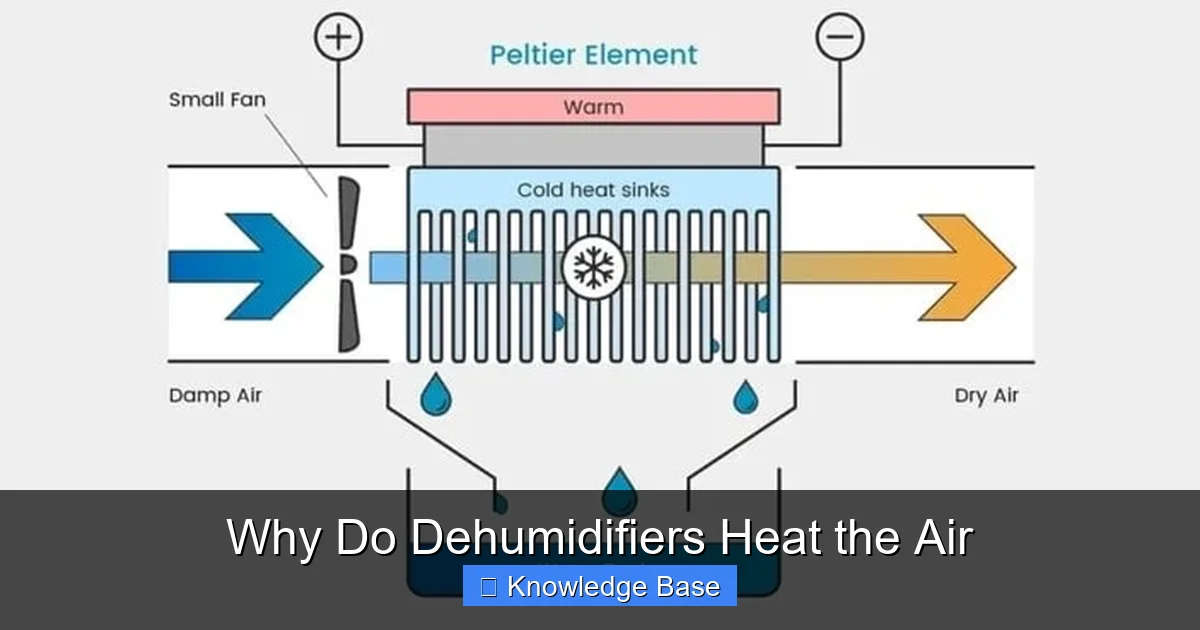
Visual guide about Why Do Dehumidifiers Heat the Air
Image source: bestdehumidifier.reviews
Now that we know how dehumidifiers work, let’s get into the physics of why they heat the air. The key lies in the concept of latent heat.
What Is Latent Heat?
Latent heat is the energy absorbed or released when a substance changes state—like when water turns from vapor to liquid (condensation) or from liquid to vapor (evaporation). When water vapor condenses into liquid water, it releases this stored energy in the form of heat.
Think of it this way: when you boil water, you’re adding heat to turn liquid into steam. That heat doesn’t disappear—it’s stored in the water vapor. When that vapor cools and condenses back into liquid, that same amount of heat is released.
In a dehumidifier, this process happens millions of times per minute. As humid air passes over the cold coils, water vapor condenses, and the latent heat is transferred back into the air. This is one of the main reasons the outgoing air feels warm.
Energy Conversion and the Compressor
Another source of heat comes from the dehumidifier’s compressor. Just like in an air conditioner, the compressor pressurizes the refrigerant, which generates heat as a byproduct. This heat is then transferred to the air as it passes over the condenser coil.
So, in a refrigerant dehumidifier, you’re getting heat from two sources:
– The latent heat released during condensation.
– The waste heat from the compressor and motor.
Together, these processes can raise the temperature of the outgoing air by 10 to 20 degrees Fahrenheit (5 to 10 degrees Celsius), depending on the unit and room conditions.
Real-World Example: A Basement Dehumidifier in Summer
Imagine you have a dehumidifier running in your basement during a humid summer. The basement is naturally cool, around 65°F (18°C). The dehumidifier pulls in this cool, damp air, removes the moisture, and blows out air at 80°F (27°C). At first, this might seem like a problem—why is the dehumidifier making the room warmer?
But here’s the catch: the warmer air is also drier. Dry air feels more comfortable and helps prevent mold and mildew. Plus, the heat output is usually minimal compared to the overall volume of the room. In larger spaces, the warmth dissipates quickly and doesn’t significantly raise the ambient temperature.
Different Types of Dehumidifiers and Their Heat Output
Not all dehumidifiers heat the air the same way. The type of unit you choose can affect how much warmth it produces and how suitable it is for your space.
Refrigerant Dehumidifiers: High Heat Output
As we’ve discussed, refrigerant dehumidifiers are the most common and tend to produce the most heat. They’re highly effective in warm, humid environments—like living rooms, laundry rooms, or during summer months.
However, in cooler spaces (below 60°F or 15°C), the cold evaporator coils can frost over, reducing efficiency. Many modern units have auto-defrost features to prevent this, but it’s still something to consider.
Because of their heat output, refrigerant models are best suited for areas where a little extra warmth isn’t a problem—or where the dehumidifier is placed in a well-ventilated area.
Desiccant Dehumidifiers: Lower Heat, Better for Cold Spaces
Desiccant dehumidifiers produce less heat overall and are better at operating in cold temperatures. They don’t rely on cold coils, so they won’t frost up in a chilly basement or garage.
While they do use a heating element to regenerate the desiccant, the heat is mostly contained within the unit and doesn’t significantly warm the outgoing air. This makes them ideal for spaces where you want to reduce humidity without adding warmth.
They’re also quieter and often more energy-efficient in low-temperature environments, though they may use more electricity in warmer climates.
Heat Pump Dehumidifiers: A Hybrid Option
Some advanced dehumidifiers use a heat pump system, which recycles the heat generated during the process. These units are more energy-efficient because they reuse the warmth instead of releasing it as waste.
In a heat pump dehumidifier, the heat from the condenser is used to warm the air before it’s blown back into the room—similar to a refrigerant model—but the system is optimized to minimize energy loss. These are often found in high-end or commercial units and are great for long-term use in moderate climates.
Does the Heat Affect Dehumidifier Performance?
You might be wondering: does the heat produced by a dehumidifier actually help it work better? The answer is yes—in certain conditions.
Warmer Air Holds More Moisture
One of the key principles of humidity is that warm air can hold more water vapor than cold air. When a dehumidifier heats the air it outputs, that warmer, drier air can absorb more moisture from surfaces in the room—like walls, furniture, or clothing.
This creates a positive feedback loop: the dehumidifier removes moisture, warms the air, and the warmer air helps dry out damp materials, making it easier for the unit to pull more humidity from the environment.
Improved Efficiency in Moderate Climates
In warm, humid climates, the heat output of a dehumidifier is usually not a problem. In fact, it can enhance performance by maintaining a higher air temperature, which supports continuous moisture absorption.
However, in already warm or air-conditioned spaces, the added heat might be unwelcome. If you’re trying to cool your home while dehumidifying, the extra warmth could force your AC to work harder, increasing energy costs.
Potential for Overheating in Small Spaces
In small, enclosed areas—like a closet or crawl space—the heat from a dehumidifier can build up quickly. This can lead to higher ambient temperatures, which may reduce the unit’s efficiency or even trigger safety shut-offs.
To avoid this, ensure the dehumidifier has adequate ventilation. Never block the intake or exhaust vents, and consider using a model with a built-in thermostat or timer to prevent continuous operation.
Practical Tips for Managing Heat from Your Dehumidifier
Now that you understand why dehumidifiers heat the air, here are some practical tips to help you manage the warmth and get the best performance from your unit.
Choose the Right Location
Place your dehumidifier in a well-ventilated area with plenty of airflow. Avoid corners, behind furniture, or in tight spaces where heat can accumulate. Basements, laundry rooms, and utility closets are ideal—just make sure there’s room around the unit.
If you’re using it in a bedroom or living area, consider placing it near a vent or fan to help disperse the warm air.
Use a Timer or Hygrostat
Many dehumidifiers come with built-in hygrostats (humidity sensors) or timers. Set the unit to run only when needed—for example, when humidity levels exceed 50%. This prevents unnecessary operation and reduces heat buildup.
Some smart models can even connect to your home Wi-Fi and adjust settings based on real-time humidity data.
Monitor Room Temperature
Keep an eye on the room temperature, especially in smaller spaces. If the room starts feeling too warm, consider running the dehumidifier during cooler parts of the day or using a fan to circulate the air.
In air-conditioned homes, you might want to run the dehumidifier when the AC is off, or use a model with lower heat output.
Consider a Desiccant Model for Cool Spaces
If you’re dehumidifying a cold basement, garage, or crawl space, a desiccant dehumidifier may be a better choice. These units produce less heat and work efficiently in low temperatures.
They’re also quieter, which is a bonus if the space is near living areas.
Maintain Your Unit Regularly
A well-maintained dehumidifier runs more efficiently and produces less excess heat. Clean the air filter monthly, empty the water tank regularly, and check the coils for dust or frost buildup.
Dirty filters or blocked coils force the unit to work harder, increasing energy use and heat output.
Use a Drain Hose for Continuous Operation
If your dehumidifier has a continuous drain option, use it. This allows the unit to run without you having to empty the tank, reducing the need for frequent restarts and helping maintain consistent performance.
Just make sure the drain hose is properly secured and leads to a floor drain or sump pump.
Energy Efficiency and Environmental Impact
While dehumidifiers are essential for controlling indoor humidity, they do consume electricity—and the heat they produce can affect your home’s overall energy use.
Energy Use Varies by Model
Refrigerant dehumidifiers typically use between 300 and 700 watts, depending on size and efficiency. Desiccant models may use more power in warm climates but can be more efficient in cold ones.
Look for units with an Energy Star rating, which indicates higher efficiency and lower operating costs.
Heat and Air Conditioning: A Balancing Act
In summer, the heat from a dehumidifier can reduce the load on your air conditioner by making the air feel drier and more comfortable. This is known as “sensible cooling”—even if the temperature doesn’t drop, the reduced humidity makes the room feel cooler.
However, if your AC is already working hard, the added heat might offset this benefit. In such cases, consider running the dehumidifier at night or during off-peak hours.
Environmental Considerations
Dehumidifiers contribute to indoor air quality by reducing mold, dust mites, and allergens. This can improve respiratory health and reduce the need for chemical cleaners or air purifiers.
However, like all appliances, they have an environmental footprint. Choose energy-efficient models, recycle old units responsibly, and use them only when necessary to minimize impact.
Conclusion: Embracing the Heat for Better Air Quality
So, why do dehumidifiers heat the air? Because the process of removing moisture—especially through condensation—naturally releases heat. This isn’t a flaw; it’s a fundamental part of how these appliances work. Whether you’re using a refrigerant or desiccant model, the warmth you feel is a sign that the unit is actively pulling humidity from your home.
Understanding this process helps you make smarter decisions about placement, usage, and maintenance. While the heat can be a concern in small or already warm spaces, it often contributes to better drying and improved comfort. With the right setup and a well-chosen unit, you can enjoy drier, healthier air without turning your home into an oven.
Remember: the goal isn’t to eliminate the heat, but to manage it wisely. Use timers, choose the right type of dehumidifier for your climate, and keep the unit well-maintained. By doing so, you’ll get the most out of your dehumidifier—and breathe easier in the process.
Frequently Asked Questions
Why does my dehumidifier blow out warm air?
Your dehumidifier blows out warm air because the process of removing moisture releases heat. When water vapor condenses on cold coils, it gives off latent heat, and the compressor also generates warmth during operation.
Is it normal for a dehumidifier to heat up the room?
Yes, it’s normal. Most dehumidifiers, especially refrigerant models, will slightly increase room temperature. The effect is usually minimal in larger spaces but can be noticeable in small, enclosed areas.
Can a dehumidifier replace an air conditioner?
No, a dehumidifier doesn’t cool the air like an AC. However, by reducing humidity, it can make a room feel more comfortable, potentially reducing the need for air conditioning.
Do desiccant dehumidifiers produce less heat?
Yes, desiccant dehumidifiers generally produce less heat than refrigerant models. They’re better suited for cold spaces and don’t rely on cold coils that can frost over.
Should I worry about my dehumidifier overheating?
Modern dehumidifiers have safety features to prevent overheating. However, ensure proper ventilation and avoid blocking the intake or exhaust vents to maintain safe operation.
Can I use a dehumidifier in winter?
Yes, but choose a desiccant model for temperatures below 60°F (15°C). Refrigerant units may frost up and lose efficiency in cold conditions.