

Dehumidifiers ice up when the coils get too cold, often due to low temperatures, dirty filters, or refrigerant issues. This frost buildup blocks airflow and reduces efficiency. Regular maintenance and proper placement can prevent icing and extend your unit’s life.
Key Takeaways
- Low room temperature: Most dehumidifiers work best above 65°F (18°C). Below that, coils can freeze and cause ice buildup.
- Dirty air filters: Clogged filters restrict airflow, making coils colder and more likely to frost over.
- Refrigerant leaks: Low refrigerant levels reduce heat exchange, leading to excessively cold coils and ice formation.
- Faulty defrost sensor: A broken sensor won’t trigger the defrost cycle, allowing ice to accumulate unchecked.
- Overworking the unit: Running a dehumidifier in overly humid or cold conditions for too long can overwhelm the system.
- Poor ventilation: Blocked vents or placing the unit in a tight space limits airflow and increases icing risk.
- Regular maintenance: Cleaning filters, checking coils, and ensuring proper placement can prevent most icing problems.
📑 Table of Contents
- Why Do Dehumidifiers Ice Up? A Complete Guide to Understanding and Fixing the Problem
- How Dehumidifiers Work: The Basics
- Common Causes of Dehumidifier Icing
- How to Fix a Frozen Dehumidifier
- Preventing Dehumidifier Icing: Best Practices
- When to Replace vs. Repair Your Dehumidifier
- Conclusion: Keep Your Dehumidifier Running Smoothly
Why Do Dehumidifiers Ice Up? A Complete Guide to Understanding and Fixing the Problem
You’ve just bought a shiny new dehumidifier to tackle that musty basement smell or keep your laundry room from feeling like a rainforest. It runs for a few hours, and then—bam—you notice a thick layer of ice forming on the front or inside the unit. You turn it off, wait for the ice to melt, and wonder: Why do dehumidifiers ice up?
You’re not alone. Icing is one of the most common issues dehumidifier owners face, especially during colder months or in damp, chilly spaces like basements, garages, or crawl spaces. While it might seem like a sign of a broken machine, in most cases, it’s actually a preventable problem caused by environmental conditions, lack of maintenance, or mechanical faults. Understanding why this happens is the first step to keeping your dehumidifier running smoothly and efficiently.
In this guide, we’ll dive deep into the science behind dehumidifier icing, explore the most common causes, and give you practical, step-by-step solutions to fix and prevent it. Whether you’re a first-time user or a seasoned homeowner, this article will help you get the most out of your dehumidifier—without the icy headaches.
How Dehumidifiers Work: The Basics
Before we tackle why dehumidifiers ice up, it helps to understand how they work. Most home dehumidifiers use a refrigeration system, similar to an air conditioner or refrigerator. Here’s a simple breakdown of the process:

Visual guide about Why Do Dehumidifiers Ice Up
Image source: firstcallnc.com
- Air intake: A fan pulls humid air from the room into the unit.
- Cooling the air: The air passes over cold evaporator coils, where moisture condenses into water droplets.
- Water collection: The collected water drips into a built-in bucket or drains out through a hose.
- Reheating the air: The now-dry air passes over warm condenser coils and is released back into the room at a slightly higher temperature.
This cycle repeats continuously, pulling moisture from the air and lowering humidity levels. The key to this process is the temperature difference between the evaporator (cold) and condenser (warm) coils. When something disrupts this balance—like low ambient temperature or poor airflow—the evaporator coils can get too cold, dropping below freezing. That’s when moisture in the air doesn’t just condense—it freezes, forming ice on the coils.
The Role of Refrigerant
Refrigerant is the lifeblood of your dehumidifier’s cooling system. It flows through the coils, absorbing heat from the air and releasing it elsewhere. If the refrigerant level is low—due to a leak or improper charging—the system can’t transfer heat efficiently. This causes the evaporator coils to become excessively cold, increasing the risk of ice formation.
Defrost Cycles: Built-In Protection
Many modern dehumidifiers come with an automatic defrost feature. When the system detects that the coils are getting too cold, it temporarily stops cooling and runs the fan or activates a heating element to melt any frost. This prevents long-term damage and keeps the unit running. However, if the defrost sensor is faulty or the system is overwhelmed, this safety feature may fail, leading to persistent icing.
Common Causes of Dehumidifier Icing
Now that you know how dehumidifiers work, let’s look at the most common reasons they ice up. Understanding these causes will help you diagnose and fix the problem quickly.
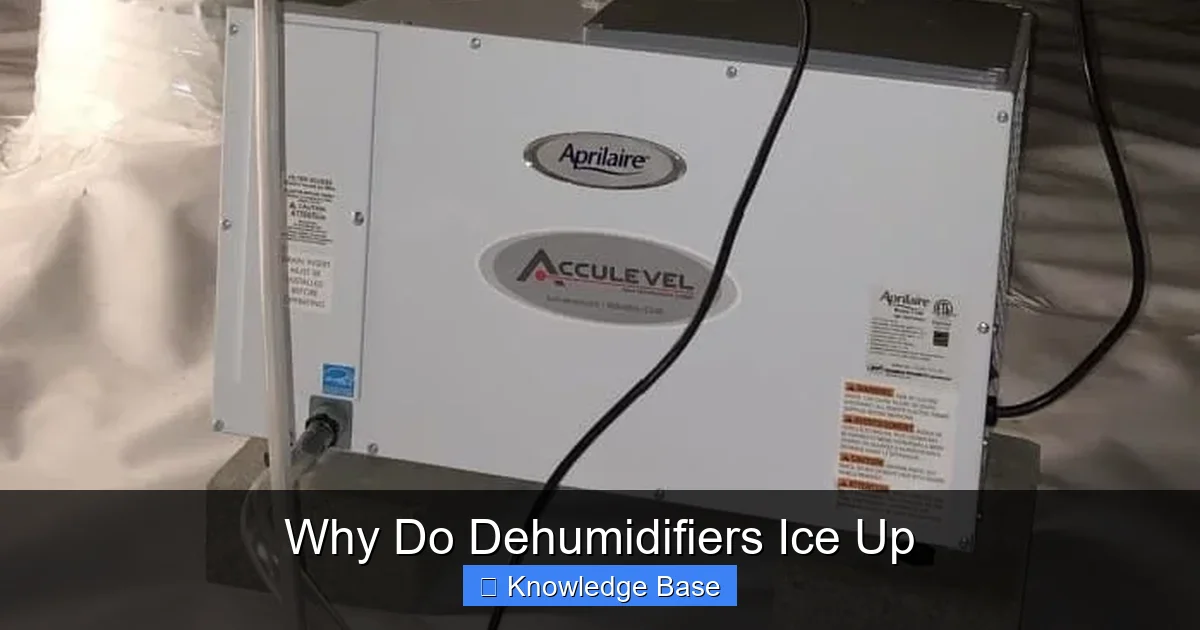
Visual guide about Why Do Dehumidifiers Ice Up
Image source: acculevel.com
1. Low Room Temperature
This is the #1 cause of dehumidifier icing. Most standard dehumidifiers are designed to operate in environments between 65°F and 80°F (18°C to 27°C). When the room temperature drops below 60°F (15°C), the evaporator coils can cool down to freezing levels, especially if the unit is running continuously.
For example, if you’re using a dehumidifier in an unheated basement during winter, the cold air can cause the coils to drop below 32°F (0°C). Moisture in the air then freezes on contact, forming a layer of ice that blocks airflow and reduces efficiency.
Solution: Only use your dehumidifier in rooms that stay above 65°F. If you must use it in a cold space, consider a low-temperature dehumidifier designed for such conditions. These models have enhanced defrost systems and can operate efficiently down to 40°F (4°C) or lower.
2. Dirty or Clogged Air Filters
Your dehumidifier’s air filter captures dust, lint, and other particles from the air. Over time, this filter can become clogged, restricting airflow. When air can’t flow freely over the evaporator coils, the coils get colder than intended because there’s less warm air passing over them to balance the cooling effect.
Imagine trying to cool a room with a fan—if you cover the fan blades, it can’t move air effectively. The same principle applies here. A dirty filter is like a blanket over the coils, trapping cold and promoting ice buildup.
Solution: Check and clean the air filter every 2–4 weeks, especially during heavy use. Most filters are washable—just rinse them under warm water, let them dry completely, and reinstall. If the filter is damaged or too dirty to clean, replace it with a new one.
3. Refrigerant Leaks or Low Charge
Refrigerant is essential for heat exchange. If there’s a leak in the system or the unit was undercharged at the factory, the refrigerant level drops. This reduces the system’s ability to absorb and release heat, causing the evaporator coils to become excessively cold.
You might notice other signs of a refrigerant issue, such as reduced moisture removal, longer run times, or the unit running constantly without lowering humidity. In severe cases, the compressor may overheat or fail.
Solution: Refrigerant issues require professional repair. Do not attempt to recharge the system yourself—handling refrigerant is dangerous and illegal without proper certification. Contact a qualified HVAC technician to inspect and repair the leak.
4. Faulty Defrost Sensor or Timer
As mentioned earlier, many dehumidifiers have a defrost sensor that monitors coil temperature. When ice begins to form, the sensor triggers a defrost cycle to melt it. If this sensor is broken, dirty, or misaligned, it won’t detect the ice, and the defrost cycle won’t activate.
Some older models use a timer-based defrost system that runs on a set schedule. If the timer is faulty or the cycle is too short, ice can build up faster than it’s removed.
Solution: Check the defrost sensor for dirt or damage. Clean it gently with a soft cloth. If the problem persists, consult your user manual or contact the manufacturer. In some cases, the sensor or control board may need replacement.
5. Blocked Vents or Poor Airflow
Dehumidifiers need good airflow to function properly. If the intake or exhaust vents are blocked—by furniture, walls, or dust buildup—air can’t circulate effectively. This leads to cold spots on the coils and increases the risk of icing.
For example, placing your dehumidifier in a tight corner or against a wall can restrict airflow. Similarly, a clogged exhaust vent can trap cold air inside the unit, making the coils even colder.
Solution: Keep at least 6–12 inches of space around all sides of the dehumidifier. Avoid placing it in enclosed spaces unless the model is specifically designed for that. Regularly clean the vents with a vacuum or soft brush to remove dust and debris.
6. Overworking the Unit
Running your dehumidifier non-stop in extremely humid or cold conditions can overwhelm the system. If the unit is constantly pulling moisture from very damp air while operating in a chilly environment, the coils may not have enough time to warm up between cycles, leading to ice buildup.
This is especially common in basements with high humidity and poor insulation. The dehumidifier works hard to remove moisture, but the cold air keeps the coils frozen.
Solution: Use a hygrometer to monitor humidity levels. Aim for 30–50% relative humidity. If the humidity is very high, run the dehumidifier in shorter cycles with breaks in between. Consider improving insulation or ventilation in the space to reduce the workload.
How to Fix a Frozen Dehumidifier
If you find your dehumidifier iced up, don’t panic. Here’s a step-by-step guide to safely thaw and restore your unit.
Step 1: Turn Off and Unplug the Unit
Safety first. Always turn off and unplug the dehumidifier before attempting any repairs. This prevents electrical hazards and gives the unit time to cool down.
Step 2: Let the Ice Melt Naturally
Move the unit to a warm area if possible, or leave it in place with the power off. Do not use a hair dryer, heat gun, or other external heat sources—these can damage internal components or create fire risks. Let the ice melt on its own, which may take several hours.
Step 3: Clean the Air Filter and Coils
Once the ice has melted, remove and clean the air filter. Use a soft brush or vacuum to gently clean the evaporator and condenser coils. Be careful not to bend the delicate fins.
Step 4: Check for Blockages
Inspect the intake and exhaust vents for dust, debris, or obstructions. Clear any blockages and ensure the unit has proper clearance on all sides.
Step 5: Test the Unit
Plug the dehumidifier back in and turn it on. Monitor it for the first hour to see if ice begins to form again. If it does, there may be a deeper issue like a refrigerant leak or faulty sensor.
Step 6: Consult a Professional
If the problem persists after cleaning and troubleshooting, it’s time to call a technician. They can diagnose mechanical issues, check refrigerant levels, and repair or replace damaged parts.
Preventing Dehumidifier Icing: Best Practices
An ounce of prevention is worth a pound of cure. Follow these tips to keep your dehumidifier ice-free and running efficiently.
1. Maintain Proper Room Temperature
Keep the room above 65°F (18°C) whenever possible. Use a space heater in cold basements or garages, but ensure it’s safe and doesn’t create fire hazards. Alternatively, choose a dehumidifier rated for low-temperature operation.
2. Clean Filters Regularly
Set a reminder to clean the air filter every 2–4 weeks. Mark it on your calendar or use a phone app. A clean filter ensures optimal airflow and prevents coil freezing.
3. Schedule Routine Maintenance
Once a year, do a deep clean of the coils, fan, and water bucket. Check for signs of wear, leaks, or corrosion. This helps catch problems early and extends the life of your unit.
4. Use a Hygrometer
Monitor humidity levels with a digital hygrometer. This helps you avoid overworking the dehumidifier and ensures you’re maintaining a healthy indoor environment.
5. Choose the Right Size
Using an undersized dehumidifier in a large or very damp space forces it to run constantly, increasing the risk of icing. Check the manufacturer’s recommendations and choose a unit with the appropriate capacity (measured in pints per day) for your space.
6. Avoid Overuse in Cold Weather
If you live in a cold climate, consider using your dehumidifier only during warmer parts of the day or season. In winter, focus on improving insulation and ventilation instead.
When to Replace vs. Repair Your Dehumidifier
Sometimes, despite your best efforts, a dehumidifier keeps icing up. At that point, you may need to decide whether to repair or replace it.
Signs It’s Time to Replace
- The unit is over 7–10 years old.
- Repair costs exceed 50% of a new unit’s price.
- It has a history of repeated problems, including refrigerant leaks or compressor failure.
- Energy efficiency is poor, and your electricity bills are high.
When Repair Makes Sense
- The issue is minor, like a dirty filter or faulty sensor.
- The unit is still under warranty.
- It’s a high-quality model with a good track record.
- You’ve maintained it well and it’s otherwise in good condition.
Investing in a new, energy-efficient dehumidifier can save money in the long run, especially if your current unit is outdated or inefficient.
Conclusion: Keep Your Dehumidifier Running Smoothly
So, why do dehumidifiers ice up? In most cases, it’s due to a combination of low temperatures, poor maintenance, or mechanical issues. The good news is that with the right care and attention, you can prevent icing and keep your dehumidifier working like new.
Remember: clean your filter regularly, keep the room warm, ensure good airflow, and don’t ignore warning signs like reduced performance or constant running. If ice does form, turn off the unit, let it thaw, and troubleshoot the cause. And when in doubt, call a professional.
By following the tips in this guide, you’ll not only solve the icing problem but also improve your home’s air quality, protect your belongings from mold and mildew, and enjoy a more comfortable living space. Your dehumidifier is a valuable tool—treat it well, and it will serve you for years to come.
Frequently Asked Questions
Why does my dehumidifier freeze up in winter?
Dehumidifiers ice up in winter because the room temperature is often below 65°F (18°C), causing the evaporator coils to drop below freezing. Cold air holds less moisture, but the coils can still frost over if the unit runs continuously in chilly conditions.
Can I use a hair dryer to melt ice on my dehumidifier?
No, using a hair dryer or other external heat source can damage internal components or create fire hazards. Always let the ice melt naturally after turning off and unplugging the unit.
How often should I clean my dehumidifier’s filter?
Clean the air filter every 2–4 weeks, especially during heavy use. A clogged filter restricts airflow, leading to colder coils and increased risk of icing.
Is it normal for a dehumidifier to make ice?
No, it’s not normal. While a light frost may form temporarily, persistent ice buildup indicates a problem like low temperature, dirty filters, or a refrigerant issue that needs attention.
Can a dehumidifier work in a cold basement?
Standard dehumidifiers struggle in cold basements. Use a low-temperature model designed for such environments, or ensure the space stays above 65°F with proper insulation and heating.
What should I do if my dehumidifier keeps icing up after cleaning?
If icing continues after cleaning filters and checking airflow, there may be a refrigerant leak or faulty defrost sensor. Contact a qualified technician for diagnosis and repair.