
Basements are naturally damp, making them prime spots for mold, mildew, and musty odors. A basement dehumidifier helps maintain healthy humidity levels, protects your belongings, and improves indoor air quality—keeping your home safer and more comfortable year-round.
Key Takeaways
- Prevents Mold and Mildew Growth: High humidity in basements creates ideal conditions for mold and mildew, which can damage walls, furniture, and stored items.
- Improves Indoor Air Quality: Damp air circulates throughout your home, carrying allergens and irritants that affect breathing and health.
- Protects Structural Integrity: Excess moisture weakens wood, drywall, and concrete over time, leading to costly repairs.
- Reduces Musty Odors: A dehumidifier eliminates the damp, earthy smell that often plagues basements.
- Preserves Stored Items: Clothes, books, electronics, and seasonal gear stay dry and usable when humidity is controlled.
- Enhances Energy Efficiency: Dry air feels cooler in summer, reducing the load on your HVAC system and lowering energy bills.
- Supports Health and Comfort: Lower humidity reduces dust mites, pests, and respiratory triggers, creating a healthier living environment.
📑 Table of Contents
- Why Do I Need a Basement Dehumidifier? A Complete Guide to a Healthier, Safer Home
- Understanding Basement Humidity: The Hidden Problem
- Health Risks of High Basement Humidity
- Protecting Your Home’s Structure and Belongings
- Energy Efficiency and Comfort Benefits
- Choosing the Right Basement Dehumidifier
- Conclusion: A Smart Investment for a Healthier Home
Why Do I Need a Basement Dehumidifier? A Complete Guide to a Healthier, Safer Home
If you’ve ever walked into your basement and been greeted by a damp, earthy smell, you’re not alone. Basements are notorious for being cool, dark, and moist—conditions that make them the perfect breeding ground for mold, mildew, and a host of other problems. Whether you use your basement for storage, laundry, or as a finished living space, one thing is clear: it needs protection from excess moisture. That’s where a basement dehumidifier comes in.
You might be wondering, “Do I really need a dehumidifier?” After all, your basement has survived this long without one. But the truth is, even if you don’t see visible signs of water damage or mold, invisible moisture can still be silently wreaking havoc. High humidity levels—typically above 60%—can lead to structural damage, health issues, and ruined belongings. A basement dehumidifier works quietly in the background to pull excess moisture from the air, creating a drier, healthier environment.
Think of it this way: your basement is like a sponge. It naturally absorbs moisture from the ground, especially during rainy seasons or in humid climates. Without intervention, that sponge stays wet, and over time, it begins to break down. A dehumidifier wrings out that sponge, keeping your basement dry and functional. Whether you’re dealing with a small crawl space or a full-sized finished basement, investing in a quality dehumidifier is one of the smartest home maintenance decisions you can make.
Understanding Basement Humidity: The Hidden Problem
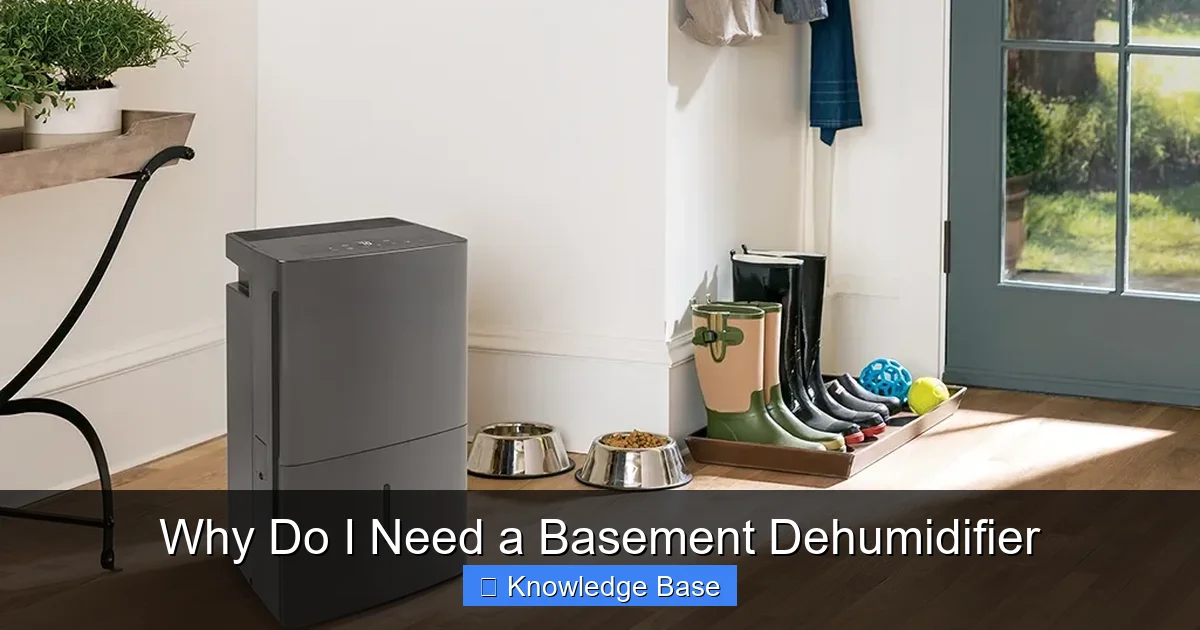
Visual guide about Why Do I Need a Basement Dehumidifier
Image source: i2.wp.com
Before we dive into why you need a dehumidifier, it’s important to understand what causes high humidity in basements in the first place. Unlike other areas of your home, basements are surrounded by earth on three sides and often have poor ventilation. This creates a unique environment where moisture can easily accumulate.
How Moisture Enters Your Basement
Moisture finds its way into basements through several common pathways. One of the biggest culprits is groundwater. When it rains or snow melts, water seeps into the soil around your home. If your foundation isn’t properly waterproofed, that water can slowly make its way through cracks or porous concrete. Even if you don’t see standing water, this moisture can evaporate into the air, raising humidity levels.
Another source is condensation. Cold basement walls and floors can cause warm, moist air from upstairs to cool down rapidly. When air cools, it loses its ability to hold moisture, leading to condensation on surfaces like pipes, walls, and windows. You might notice water droplets on metal fixtures or a damp feeling on the walls—this is a clear sign of high humidity.
Poor ventilation also plays a role. Basements often lack windows or proper airflow, which means moisture has nowhere to go. Without air circulation, damp air lingers, creating a stagnant environment that encourages mold growth and musty odors.
The Ideal Humidity Level for Basements
So, what’s the magic number for basement humidity? Experts recommend keeping indoor humidity levels between 30% and 50%. This range is low enough to prevent mold and mildew but high enough to avoid overly dry air, which can cause wood to crack or irritate respiratory systems.
To monitor humidity, consider using a hygrometer—a simple, affordable device that measures moisture in the air. Place it in different areas of your basement to get an accurate reading. If you consistently see levels above 60%, it’s time to take action.
Signs You Have a Humidity Problem
Even if you don’t have a hygrometer, there are several telltale signs that your basement is too humid. Look for:
– A persistent musty or earthy smell
– Visible mold or mildew on walls, ceilings, or stored items
– Condensation on windows, pipes, or cold surfaces
– Peeling paint or wallpaper
– Warped wood or swollen doors
– Rust on tools, appliances, or metal fixtures
If you notice any of these issues, don’t wait. The longer moisture lingers, the more damage it can cause. A basement dehumidifier can help reverse these problems and prevent them from getting worse.
Health Risks of High Basement Humidity
Visual guide about Why Do I Need a Basement Dehumidifier
Image source: moldhelpforyou.com
You might think high humidity is just a nuisance, but it can actually pose serious health risks—especially if you or your family members have allergies, asthma, or other respiratory conditions. When moisture levels rise, so do the chances of mold, dust mites, and other allergens thriving in your basement.
Mold and Mildew: Silent Health Threats
Mold and mildew are fungi that grow in damp, dark environments. They release spores into the air, which can be inhaled and trigger allergic reactions or respiratory issues. Symptoms may include sneezing, coughing, itchy eyes, headaches, and even asthma attacks.
Some types of mold, like black mold (Stachybotrys chartarum), produce mycotoxins that can be particularly harmful. Prolonged exposure has been linked to more severe health problems, including fatigue, difficulty concentrating, and in rare cases, neurological issues.
Even if your basement isn’t a living space, mold spores can travel through your home’s HVAC system, affecting air quality throughout the house. This means that a damp basement can impact your entire family’s health—even if no one spends much time down there.
Dust Mites and Pests Thrive in Humid Environments
Dust mites are microscopic creatures that feed on dead skin cells and love humid environments. They’re a common trigger for allergies and asthma. According to the American Lung Association, dust mites can’t survive when humidity drops below 50%, making a dehumidifier one of the most effective ways to control them.
High humidity also attracts pests like silverfish, centipedes, and certain types of beetles. These insects are drawn to damp, dark spaces and can quickly become a nuisance. By reducing moisture, you make your basement less inviting to unwanted guests.
Impact on Respiratory Health
For people with asthma or chronic obstructive pulmonary disease (COPD), breathing in damp, moldy air can be especially dangerous. Moisture-laden air is heavier and harder to breathe, and the presence of allergens can trigger flare-ups.
Even healthy individuals may experience discomfort in high-humidity environments. Damp air can make a room feel stuffy and uncomfortable, leading to fatigue and reduced indoor air quality.
Protecting Your Family with a Dehumidifier
A basement dehumidifier doesn’t just remove moisture—it removes the conditions that allow mold, dust mites, and pests to thrive. By maintaining a healthy humidity level, you create a safer, more comfortable environment for your entire family.
If someone in your household has allergies or respiratory issues, a dehumidifier can be a game-changer. It’s a simple, non-invasive way to improve indoor air quality and reduce exposure to harmful allergens.
Protecting Your Home’s Structure and Belongings
Beyond health concerns, high humidity can cause significant damage to your home’s structure and your personal belongings. Over time, excess moisture weakens building materials, leading to costly repairs and reduced property value.
Structural Damage from Moisture
Wood is especially vulnerable to moisture. When basement joists, beams, or framing absorb water, they can swell, warp, or rot. This compromises the structural integrity of your home and can lead to sagging floors or even collapse in extreme cases.
Concrete and drywall are also at risk. Moisture can seep into concrete, causing it to crack or spall (flaking of the surface). In drywall, water leads to bubbling, peeling, and the growth of mold behind the walls—issues that are difficult and expensive to fix.
Even metal components like support beams, nails, and fasteners can rust when exposed to high humidity. Rust weakens metal over time, increasing the risk of structural failure.
Damage to Stored Items
Many people use their basements for storage—seasonal clothing, holiday decorations, old photo albums, tools, and more. Unfortunately, these items are often stored in cardboard boxes or plastic bins that offer little protection against moisture.
Clothes can develop mildew, books can warp and grow mold, and electronics can short-circuit when exposed to damp air. Valuable items like musical instruments, artwork, or family heirlooms can be ruined beyond repair.
Laundry Rooms and Appliances
If your basement houses a laundry room, high humidity can be especially problematic. Washing machines and dryers generate moisture, and without proper ventilation, that moisture stays in the air. This can lead to rust on appliances, mold growth in hoses and seals, and reduced efficiency.
A dehumidifier helps keep the air dry, protecting your appliances and ensuring they last longer. It also prevents that damp, humid feeling that makes doing laundry an unpleasant chore.
Increasing Home Value
A dry, well-maintained basement is a major selling point for potential homebuyers. On the other hand, signs of moisture, mold, or water damage can drastically reduce your home’s value and make it harder to sell.
By installing a basement dehumidifier, you’re not just protecting your investment—you’re enhancing it. A dry basement signals to buyers that the home has been well cared for and is free from hidden moisture problems.
Energy Efficiency and Comfort Benefits
You might not think of a dehumidifier as an energy-saving device, but it can actually help lower your utility bills and improve overall comfort in your home.
How Dehumidifiers Improve HVAC Efficiency
Your air conditioning system works harder in humid conditions. That’s because it has to remove both heat and moisture from the air. When humidity is high, your AC runs longer and uses more energy to achieve the same level of comfort.
By using a basement dehumidifier, you reduce the moisture load on your HVAC system. This means your air conditioner doesn’t have to work as hard, leading to lower energy consumption and reduced wear and tear on the unit.
In fact, studies have shown that maintaining optimal humidity levels can reduce cooling costs by up to 10%. Over time, those savings can add up—especially during hot, humid summer months.
Enhanced Comfort in Living Spaces
Even if your basement isn’t a finished living area, the air from down there can still affect the rest of your home. Moist, stagnant air tends to rise, carrying odors and allergens into upper floors.
A dehumidifier helps create a more balanced indoor environment. Dry air feels cooler and more comfortable, so you may find yourself turning up the thermostat slightly—saving even more on energy costs.
Additionally, reduced humidity means less clammy, sticky feeling in the air. Your home will feel fresher and more inviting, especially during summer.
Preventing Ice Dams in Winter
In colder climates, high indoor humidity can contribute to ice dams on your roof. When warm, moist air from your home rises and meets the cold roof, it can cause snow to melt and refreeze at the eaves, forming ice dams. These can lead to water damage and roof leaks.
By controlling basement humidity, you reduce the amount of moisture that escapes into your attic, helping prevent this winter problem.
Choosing the Right Basement Dehumidifier
Not all dehumidifiers are created equal. To get the best results, it’s important to choose a unit that’s designed for basement use and sized appropriately for your space.
Types of Dehumidifiers
There are two main types of dehumidifiers: refrigerant (compressor) and desiccant.
Refrigerant dehumidifiers are the most common and work by cooling the air to condense moisture. They’re effective in warm, humid environments but can struggle in colder basements (below 65°F).
Desiccant dehumidifiers use a moisture-absorbing material (like silica gel) to pull water from the air. They perform better in cold temperatures and are ideal for unheated basements or garages.
Size and Capacity
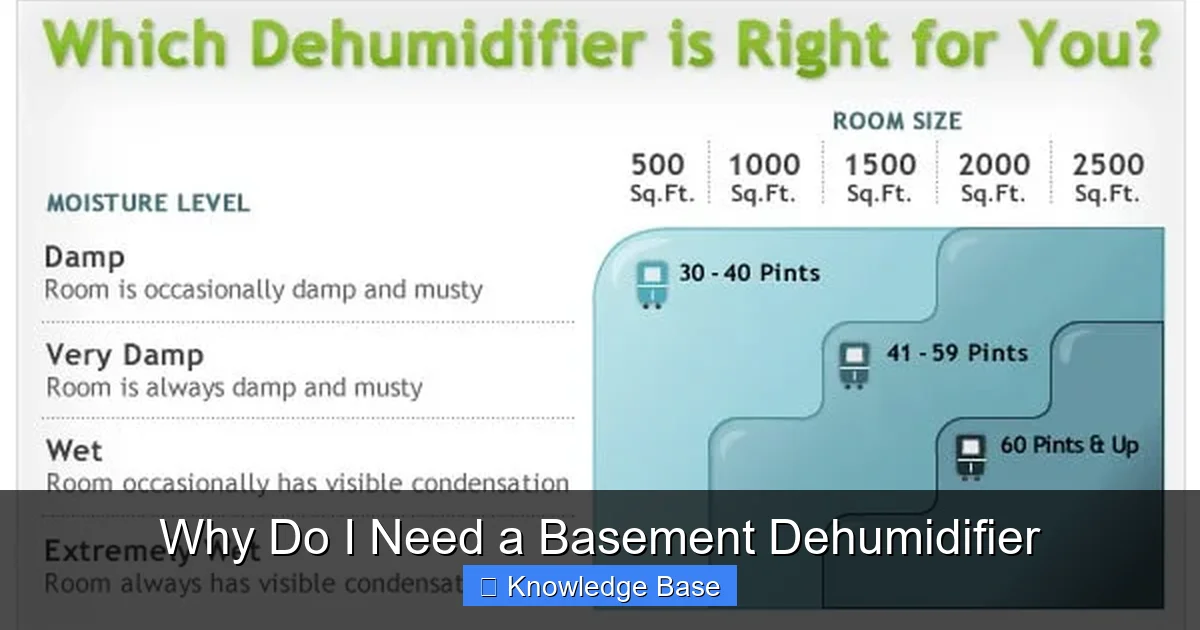
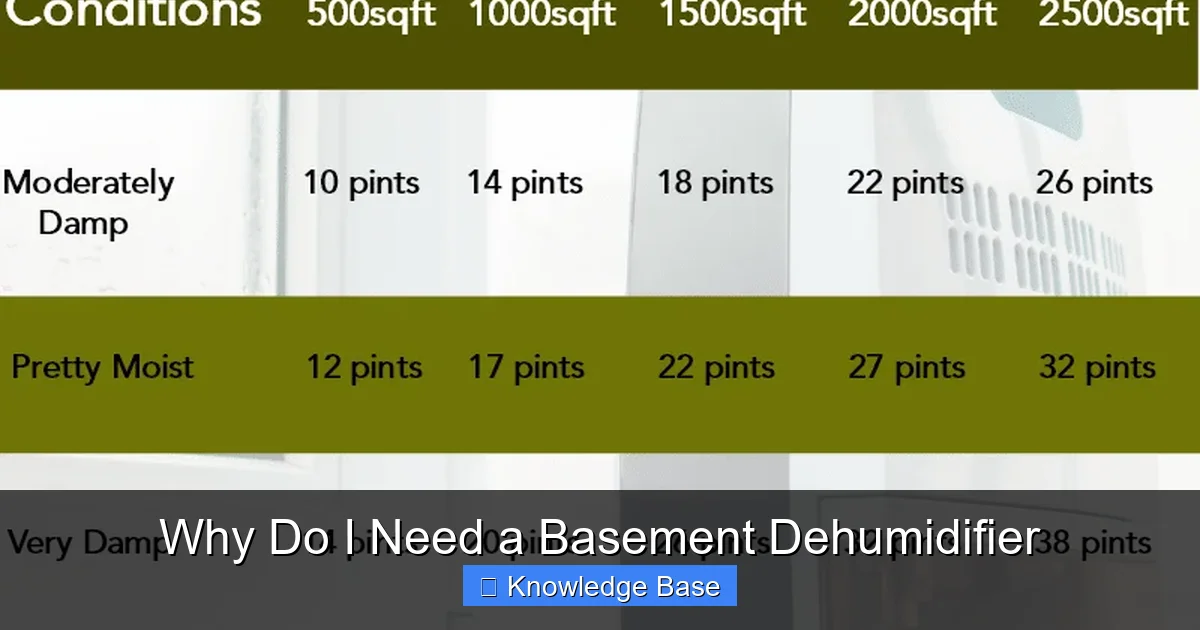
Dehumidifiers are rated by how many pints of moisture they can remove in 24 hours. For most basements, a 30- to 50-pint unit is sufficient. Larger or damper spaces may require a 70-pint model.
To choose the right size, consider the square footage of your basement and the level of moisture. A damp basement (with occasional dampness) may only need a 30-pint unit, while a wet basement (with standing water or frequent leaks) may require a 70-pint model.
Features to Look For
When shopping for a basement dehumidifier, look for features like:
– Automatic shut-off when the water tank is full
– Continuous drainage option (so you don’t have to empty the tank)
– Built-in humidistat to monitor and maintain humidity levels
– Energy Star certification for efficiency
– Quiet operation (important if your basement is near living areas)
– Washable air filter to trap dust and allergens
Installation and Maintenance Tips
For best results, place your dehumidifier in a central location with good airflow. Avoid placing it against walls or furniture, as this can restrict air intake.
If possible, connect the unit to a floor drain or use a condensate pump for continuous drainage. This eliminates the need to manually empty the tank.
Clean the air filter regularly (every 4–6 weeks) and inspect the coils for dust buildup. Proper maintenance ensures your dehumidifier runs efficiently and lasts longer.
Conclusion: A Smart Investment for a Healthier Home
So, why do you need a basement dehumidifier? The answer is simple: to protect your health, your home, and your belongings from the damaging effects of excess moisture. Whether you’re dealing with mold, musty odors, or high energy bills, a dehumidifier offers a practical, long-term solution.
By maintaining optimal humidity levels, you create a safer, more comfortable living environment. You reduce the risk of respiratory issues, prevent structural damage, and preserve the things you care about. Plus, you’ll enjoy lower energy costs and a fresher, cleaner home.
Investing in a quality basement dehumidifier isn’t just about solving a problem—it’s about preventing one. It’s a small step that can make a big difference in the long run. So if your basement feels damp, smells musty, or shows signs of moisture, don’t wait. Take control of your indoor environment today and enjoy the peace of mind that comes with a dry, healthy basement.
Frequently Asked Questions
How often should I run my basement dehumidifier?
Run your dehumidifier continuously during humid months or whenever humidity levels exceed 50%. Many models have auto settings that turn on and off as needed.
Can a dehumidifier help with basement odors?
Yes! By reducing moisture, a dehumidifier eliminates the damp conditions that cause musty smells. It’s one of the most effective ways to freshen up a basement.
Will a dehumidifier increase my electricity bill?
While a dehumidifier uses electricity, it can actually lower your overall energy costs by reducing the workload on your air conditioner and improving HVAC efficiency.
Can I use a regular dehumidifier in my basement?
Yes, but make sure it’s rated for basement use. Look for models with cold-weather performance or desiccant technology if your basement is unheated.
How do I know if my basement needs a dehumidifier?
Signs include musty odors, visible mold, condensation on surfaces, or a hygrometer reading above 60%. If you notice any of these, it’s time to consider a dehumidifier.
Can a dehumidifier prevent basement flooding?
A dehumidifier won’t stop flooding from heavy rain or burst pipes, but it can help manage minor moisture issues and reduce the risk of water damage over time.